

Top Septic Pumping in
The Woodlands
The Woodlands Pumping Costs & Data
Understanding the statistical realities of wastewater management here is essential for proactive homeownership:
- The Aerobic Shift: Due to Montgomery County’s slow-percolating clay soils and high environmental protection standards, over 85% of homes built in The Woodlands since 2005 utilize complex Aerobic Treatment Units (ATUs) rather than older conventional fields.
- High Volume Output: The average upscale household in ZIP codes like 77382 and 77381 produces between 350 and 500 gallons of wastewater every single day. This relentless influx demands perfectly calibrated bacterial environments within the tanks.
- The Neglect Metric: Industry surveys indicate that roughly 28% of homeowners in the area fail to pump their systems within the recommended 3-year window. This backlog of sludge is the primary trigger for catastrophic, high-cost drain field replacements.
- Arboricultural Interference: Because The Woodlands actively preserves mature pine and oak trees, root intrusion accounts for nearly 30% of all emergency lateral line blockages and tank seal fractures reported locally.
You cannot outrun the math. Regular, scheduled pumping is the only mathematically and biologically sound method to protect your property investment from a costly sewage disaster.
Several primary factors define the cost of pumping services in our community:
- Property Access and Landscaping: Many estates feature extensive hardscaping, gated entries, and winding driveways. Technicians often need additional vacuum hosing to reach tanks hidden deep in backyards without driving heavy trucks over expensive paver driveways.
- System Complexity (ATU vs. Conventional): Over 85% of homes here utilize complex Aerobic Treatment Units. Servicing these requires more time, as technicians must clean internal clarifiers, check electrical aerators, and sanitize the spray heads.
- Buried Lids and Excavation: If your tank lacks modern risers and is buried under layers of decorative mulch or deep Texas clay, manual excavation labor will add significant costs to the visit.
- Crust Density: Homes that have neglected pumping for years develop a concrete-like top scum layer that requires mechanical agitation and “crust-busting” tools to properly liquefy before extraction.
- Township Hours of Operation: Emergency calls executed outside of standard daytime hours may incur premium rates, especially if they require expedited navigation through gated neighborhoods.
Furthermore, the specific village you reside in dictates the soil profile, which dramatically impacts long-term costs:
- Village of Indian Springs: Known for dense tree coverage requiring frequent root-intrusion inspections.
- Village of Creekside Park: Newer constructions with modern ATUs, but heavy clay soils demand strict pumping schedules to avoid field saturation.
Cost Impact by OSSF Type in The Woodlands:
| System Type | Average Pumping Cost | Maintenance Complexity | Mandatory Contract? |
|---|---|---|---|
| Aerobic Treatment Unit (ATU) | $350 – $750 | High (Motors, diffusers, chlorinators) | Yes (Required by State/County) |
| Conventional Gravity System | $295 – $500 | Low (Primarily just pumping & filter cleaning) | No (But highly recommended) |
| Low-Pressure Dosing (LPD) | $320 – $600 | Medium (Requires pump tank maintenance) | Varies by installation date |
By connecting with our trusted network, you receive precise, transparent estimates tailored to the specific demands of your property in The Woodlands.
Neighbor Insights
Curious what your community is doing? The demand for ATU repairs in The Woodlands has skyrocketed recently.
Drain Field Threat Alert
Heavy clay and high water tables in The Woodlands can drown your leach lines. Check the local saturation index.
Pre-Holiday Service Session
The ideal schedule for busy homeowners in The Woodlands. Lock in this time for guaranteed system readiness.
Strain Blueprint
Follow this simple rule to avoid post-laundry flooding. Perfectly calibrated for a The Woodlands resident.
Budgeting for Pumping
Use our interactive tool to see the incredible long-term savings of routine septic care.
Base Drain Field Replacement in The Woodlands: $17,376
Truck Proximity Map
Getting your tank emptied fast is crucial. See the active dispatch route designated for The Woodlands residents.
🌱 Local Environmental Status
When a septic system fails in our densely wooded community, the environmental cascade is rapid and devastating. We must enforce strict preventative measures:
- Preserve Water Quality: Lake Woodlands and the Waterway are highly susceptible to nutrient loading. Effluent runoff from failed drain fields introduces high levels of nitrogen, sparking toxic algal blooms that suffocate aquatic life.
- Protecting the Aquifer: The varying soil compositions, from the sandy loam near Panther Creek to dense clay in Alden Bridge, require robust biomats to filter out dangerous coliform bacteria before they penetrate deep groundwater reserves.
- Wildlife Conservation: Raw sewage surfacing in backyards borders directly on native habitats, posing severe biological risks to the local fauna traversing the George Mitchell Nature Preserve.
- Soil Microbiome Balance: Chemical shocks from overflowing tanks obliterate the natural pH of the forest floor, killing ancient pine root systems.
To prevent these ecological disasters, homeowners in The Woodlands must follow these advanced protocols:
- Implement rigorous, schedule-based pumping every 24 to 36 months.
- Eliminate the use of harsh chemical drain cleaners that destroy beneficial tank bacteria.
- Maintain strict adherence to local water-usage guidelines to prevent hydraulic overloading of the leach field.
Proactive, professional pump-outs are the absolute baseline of ecological stewardship in our community. Ignoring your system puts the entire master-planned ecosystem at extreme risk.
⚙️ Local Service Details
When you book a premier septic service through our platform, you are guaranteeing a comprehensive, multi-step system overhaul:
- Non-Invasive Locating: Utilizing electronic sondes and ground-penetrating radar to pinpoint buried tank lids without unnecessary trenching in your manicured yard.
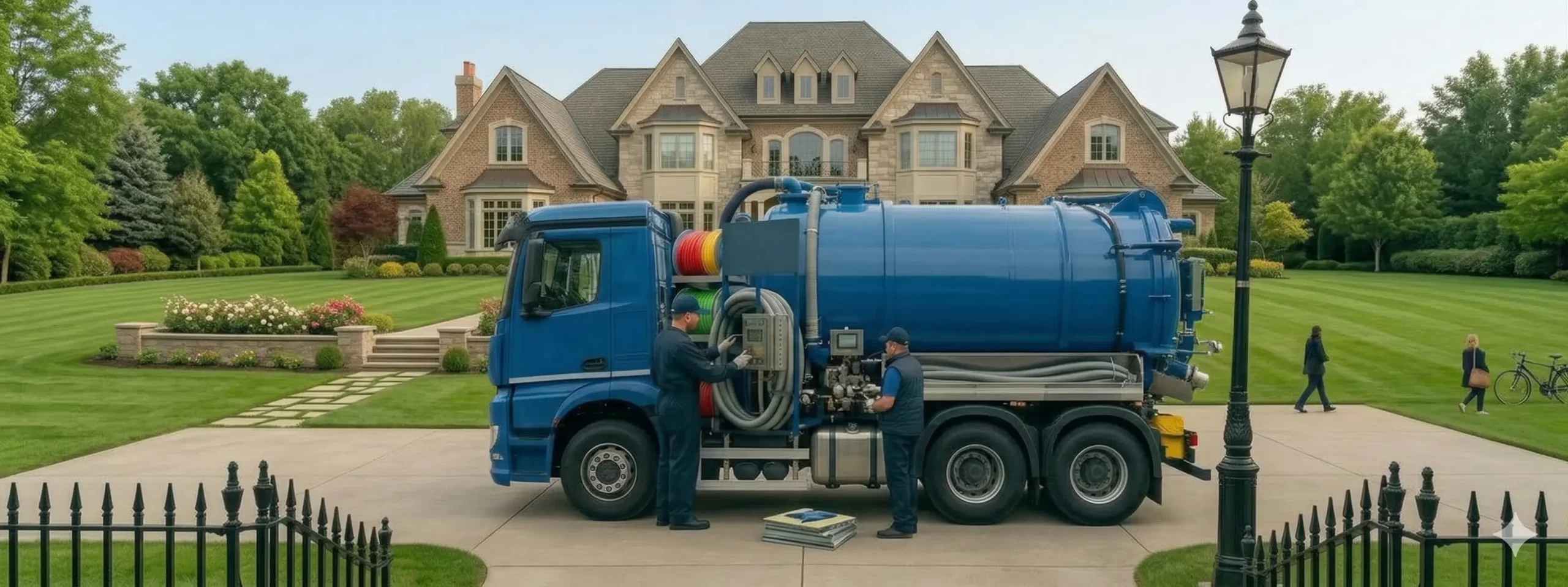
- Total Sludge Extraction: Deploying massive, high-CFM vacuum trucks to completely empty the tank, removing not just the liquid, but the hardened bottom sludge and the dense top scum layer.
- Hydro-Agitation (Crust Busting): Using high-pressure water streams to break down calcified biological mats that form in tanks that haven’t been pumped in 5+ years.
- Internal Baffle Inspection: A crucial visual check of the inlet and outlet baffles to ensure corrosive sewer gases haven’t caused structural concrete degradation.
- Filter Sanitization: Removing and power-washing the effluent filter, which is the final line of defense protecting your delicate drain field from catastrophic clogging.
- Aerobic Component Verification: For ATU systems, verifying the functionality of the air compressor, checking diffuser lines, and ensuring the chlorination system is properly stocked and dispensing.
We prioritize the hygiene of your home, the aesthetics of your property, and the longevity of your wastewater infrastructure. Rest assured, your estate is in expert hands.
📍 Coverage & ZIP Codes
🏡 Real Estate Transactions
Here is exactly how your septic system’s condition dictates your real estate success:
- The Woodlands Township Compliance: The Township has notoriously strict covenants. Any transfer of ownership requires documented proof that the aerobic system has been under continuous, licensed maintenance.
- Appraisal Contingencies: High-value estate appraisals are contingent upon a clean, third-party OSSF inspection report. A failing pump or saturated drain field can instantly knock $20,000 to $40,000 off your home’s assessed value.
- Title Transfer Roadblocks: Most major lenders and underwriters in Texas will refuse to clear a title if there are outstanding TCEQ violations or signs of surfacing effluent on the property.
- Buyer Leverage: A comprehensive, 5-year pumping and maintenance log acts as a powerful trust signal, removing the buyer’s ability to negotiate the price down based on “unknown plumbing risks.”
Never list a home in The Woodlands without first securing a full pump-out and a certified clean bill of health for your wastewater system.
⚠️ Local Regulatory Warning
Homeowners must be acutely aware of their legal obligations:
- TCEQ Enforcement: The Texas Commission on Environmental Quality sets the baseline. Only licensed sludge transporters are legally permitted to pump and transport bio-hazardous waste from your property.
- Montgomery County Environmental Health: The county aggressively monitors aerobic system compliance. If your ATU spray heads disperse untreated, unchlorinated effluent into the air, you are in direct violation of county health codes.
- Mandatory Maintenance Contracts: Texas law requires all aerobic systems to be under an active, ongoing maintenance contract with a licensed provider. Failure to maintain this contract will result in severe fines and the revocation of your operating permit.
- The Woodlands Township Rules: The Township enforces strict nuisance and aesthetic covenants. Raw sewage odors or pooling water in your yard can lead to immediate citations and penalties from neighborhood compliance officers.
Regulatory Warning Matrix:
| Infraction Type | Regulatory Body | Severity & Consequences |
|---|---|---|
| Surfacing Raw Sewage | TCEQ / County Health | Critical. Fines up to $500/day, mandatory system shutdown. |
| Expired ATU Contract | Montgomery County | High. Permit suspension, inability to sell property. |
| Illegal Sludge Dumping | State EPA / TCEQ | Extreme. Criminal charges, massive environmental restitution fees. |
Protect yourself from legal liability by exclusively utilizing the vetted, fully licensed professionals in our network who strictly adhere to all Texas state laws.
Homeowner Feedback



Reliable Septic Services in
The Woodlands, TX
The Woodlands Septic Expert AI
Expert Septic FAQ
How often is septic pumping really required for homes in The Woodlands?
Why is my aerobic system alarm buzzing continuously?
Are those “flushable” wipes safe for my ATU system?
Only human waste and rapid-dissolving toilet paper should ever enter your OSSF.