
Do Septic Tank Additives and Bacteria Treatments Actually Work?

Do Septic Tank Additives and Bacteria Treatments Actually Work?

If you have ever shopped at a big-box home improvement store, or scrolled through social media, you have likely seen them: brightly colored boxes of "Septic Tank Additives," "Enzyme Treatments," or "Flushable Bacteria Packs." The marketing promises are incredibly alluring. "Just flush one packet a month and never pump your septic tank again!"

For a homeowner looking at a potential $400 pumping bill, a $15 box of magic powder seems like a miraculous biological hack. But in the world of wastewater engineering, miracles are rare, and biological science is unforgiving. The crucial question that echoes through the industry is: Do these septic tank additives actually work, or are you just flushing your hard-earned money down the toilet?

The answer is heavily debated, heavily marketed, and deeply misunderstood. Whether you are dealing with the fragile, high-water-table ecosystems protected by septic experts in Florida, or the massive, high-capacity concrete vaults maintained by Texas professionals, the fundamental biology of a septic tank remains universal.

In this definitive, science-based guide, we will cut through the marketing noise. We will break down exactly what these additives are, how the Environmental Protection Agency (EPA) views them, the distinct difference between biological and chemical treatments, and why nothing replaces the physical necessity of a vacuum truck.

The Biology: How a Tank Actually Works

Before we can evaluate whether an additive is effective, we must understand the environment it is entering. A conventional septic tank is not a dead, static holding container. It is a highly active, living, localized biological reactor.

When raw human waste, toilet paper, and greywater enter the tank, the environment is intentionally devoid of oxygen (anaerobic). Within this dark, liquid environment, a massive colony of naturally occurring anaerobic bacteria thrives. These bacteria use the incoming organic waste as their primary food source.

As they consume the solid waste, they break it down, significantly reducing its volume. The heaviest un-digestible particles sink to form the bottom sludge layer, while fats and oils float to form the top scum layer. The clear, treated water in the middle (the effluent) flows out to the drain field.

💡 The Self-Sustaining Cycle

Here is the most critical fact to understand: Every single time a person uses the toilet, they are naturally introducing billions of new bacteria into the septic tank. A healthy, normally used residential septic system is entirely self-sustaining and self-populating.
Homeowner holding a box of commercial septic tank bacteria additive packets over a toilet bowl
While additives promise to eliminate sludge, the scientific consensus is that they cannot replace physical pumping.

The 3 Types of Septic Additives

If you browse the shelves, you will find dozens of brands. However, nearly all commercial septic additives fall into one of three distinct chemical or biological categories. Understanding the difference is crucial, as one of these categories is actively destructive to your property.

1. Biological Additives (Bacteria & Enzymes)

These are the most common products marketed directly to homeowners (e.g., Rid-X, Bio-Clean). They consist of dormant bacteria spores, specific enzymes, or a combination of both, usually packaged as a dry powder or liquid that you flush down the toilet.

The Claim: The manufacturer claims these products "supercharge" the tank, digesting sludge faster than natural bacteria, thereby eliminating the need for professional pumping.

The Reality: While generally harmless, they are largely redundant. Because your digestive tract already supplies ample bacteria, adding a small packet of commercial bacteria is like throwing a cup of water into the ocean. Furthermore, enzymes only break complex molecules into smaller pieces; they do not actually eliminate the mass. The sludge volume remains.

2. Organic Solvents (Degreasers)

These products are designed primarily to attack the floating scum layer, breaking down heavy grease and oil accumulations.

The Claim: They claim to clear clogged pipes and dissolve the hard crust at the top of the tank.

The Reality: Organic solvents are highly controversial. While they may liquefy grease in the tank, that grease doesn't disappear. The liquefied grease is simply pushed out of the tank and into the drain field. Once in the cooler soil, the grease solidifies again, permanently coating and destroying the microscopic pores of the leach field biomat. They essentially move the problem from a cheap, pumpable tank into a $10,000, irreplaceable drain field.

3. Inorganic Chemicals (Harsh Acids & Bases)

These include strong acids, lyes, or caustic sodas (often sold as heavy-duty drain cleaners or "septic shock" treatments).

The Claim: They claim to violently dissolve solid blockages, tree roots, and thick sludge.

The Reality: These are absolutely devastating to a septic system. Strong chemicals instantly massacre the fragile colony of beneficial anaerobic bacteria. Without bacteria, the solid digestion process halts entirely. The tank will fill with raw, un-digested waste exponentially faster. Furthermore, these chemicals can corrode older concrete tanks and contaminate local groundwater.

The Truth: Do You Need Bacteria Packs?

If a septic system is a self-sustaining biological engine, is there ever a legitimate reason to purchase and flush biological additives?

In 95% of residential cases, the answer is No. A household that practices normal water usage and avoids flushing harsh chemicals will never need to supplement their bacterial colony. The natural biology is perfectly adequate to manage the waste.

However, there are very rare, specific scenarios where a septic professional might recommend a targeted biological treatment after a physical pump-out:

  • Post-Chemical Trauma: If a homeowner accidentally poured gallons of bleach or paint thinner down the drain, killing the natural colony, a professional-grade biological "starter" can help reboot the ecosystem faster.
  • Vacation Homes: In properties that sit empty for 6 to 8 months a year, the natural bacteria can starve and die off. A biological additive flushed upon the first arrival of the season can jump-start the digestion process.
  • Heavy Medication Use: If a resident is undergoing prolonged, intense antibiotic therapy or chemotherapy, the bodily waste can suppress the tank's bacterial population.
Ability to Dissolve Specific Materials
Human Organic Waste
Fully Digestible (Natural Bacteria)
Toilet Paper (Cellulose)
Partially Digestible
"Flushable" Wipes / Plastics
0% Digestible (Requires Pumping)
Grit, Sand, and Dirt
0% Digestible (Requires Pumping)

What the EPA and Health Departments Say

You don't have to take a contractor's word for it. The Environmental Protection Agency (EPA) and virtually every state Department of Health (DOH) in the United States have published official guidance on the use of commercial septic tank additives.

The EPA's official stance is clear: "Biological additives do not eliminate the need for routine pumping."

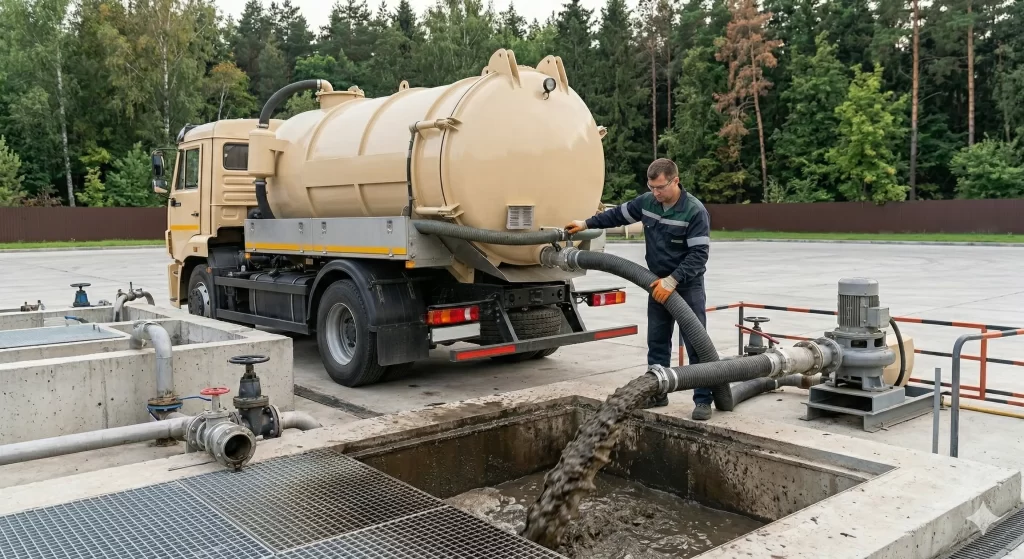
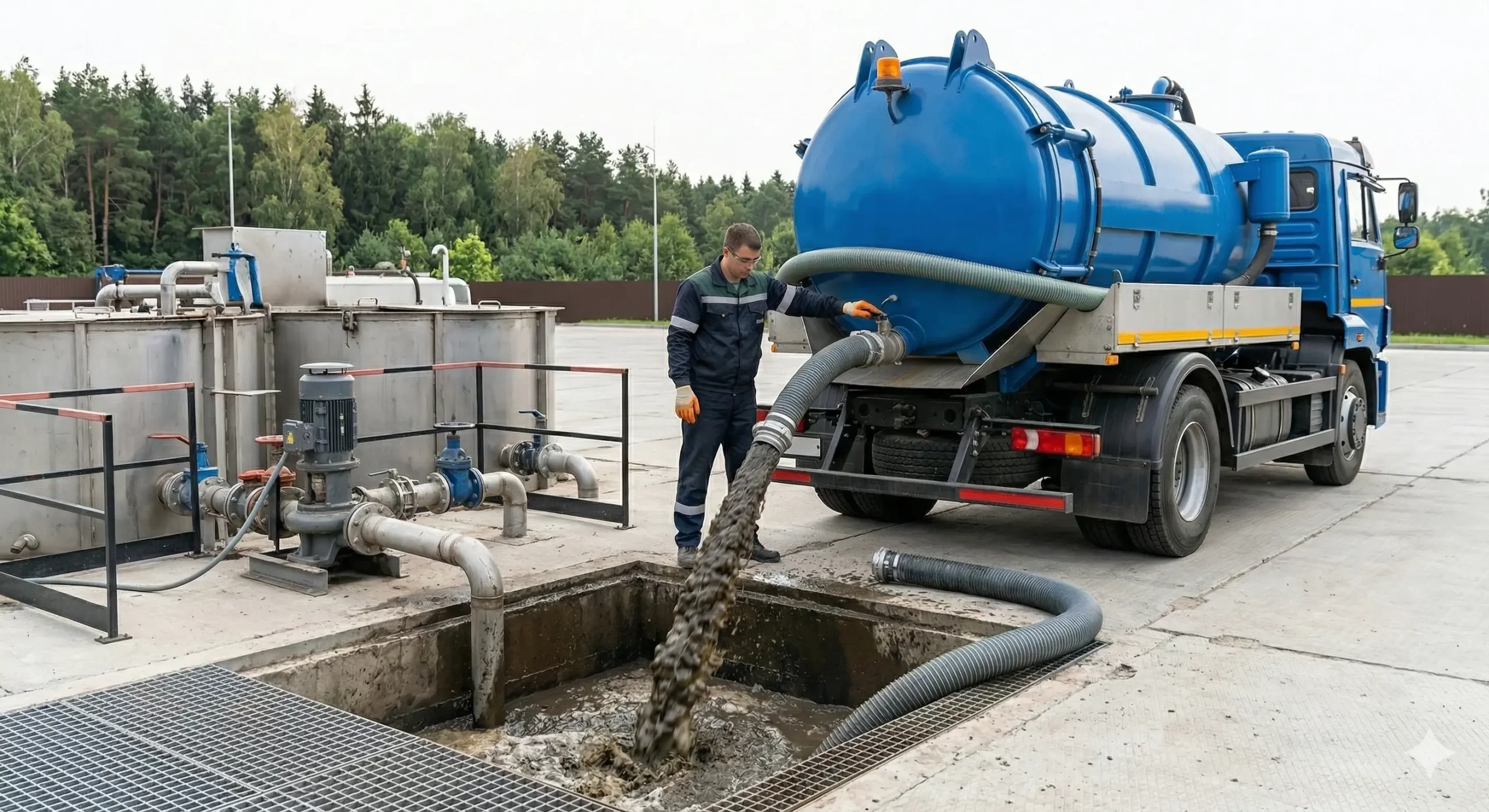
Many state health departments go even further. Because the anaerobic bacteria cannot digest everything—they cannot eat synthetic "flushable" wipes, feminine hygiene products, sand, grit, or the plastic binders in heavy toilet paper—a physical layer of un-digestible sludge will always accumulate at the bottom of the tank. No amount of enzymes or bacteria will make a plastic wipe disappear. If that sludge is not physically removed by a vacuum truck, it will overflow and permanently destroy the drain field.

The True Cost: Additives vs. Pumping

The allure of additives is purely financial. Homeowners hope that spending $10 a month on a box of powder will save them from a $400 service bill. Let's look at the actual mathematics of this strategy.

According to our comprehensive 2026 guide on overall septic maintenance costs, the average cost to pump a standard 1,000-gallon septic tank is approximately $400 every 3 to 4 years.

Maintenance Strategy4-Year Cost ProjectionImpact on Drain Field LifespanRisk of System Failure
Proactive Pumping (No Additives)$400 (One $400 service call)Maximum (25 - 40 Years)Very Low
Monthly Additives (No Pumping)$480+ ($10/mo x 48 months)Severely Reduced (Sludge enters field)Extremely High
Additives + Pumping$880+ ($400 + $480 in products)MaximumVery Low (But financially wasteful)

The math is undeniable. Relying on additives instead of physical pumping actually costs you more money in retail products over a 4-year cycle, while guaranteeing the eventual destruction of your $15,000 drain field. Additives are not a replacement for a vacuum truck; they are an unnecessary monthly subscription fee.

How to Naturally Revive Your System

If you want a healthy, highly efficient septic system that requires less frequent pumping, you do not need to visit the plumbing aisle. You simply need to change your household habits to protect the free, natural bacteria already working in your tank.

  • Ditch the Bleach: Switch to eco-friendly, biodegradable household cleaners and laundry detergents. Minimize the use of antibacterial hand soaps, which end up down the drain.
  • Ban the Wipes: Never, under any circumstances, flush a "flushable" wet wipe, paper towel, or feminine hygiene product. If it isn't human waste or rapid-dissolve toilet paper, put it in the trash.
  • Limit Garbage Disposal Use: Disposals grind up food waste into a fine paste that settles quickly into the sludge layer. This forces the bacteria to work overtime and fills the tank much faster. Compost food scraps instead.
  • Manage Hydraulic Load: Do not do 6 loads of laundry in a single day. Spread water usage out over the week to give the tank time to separate liquids from solids without pushing turbulence into the drain field.

Do Septic Tank Additives Treatments Work Septic Expert AI

Local Health Dept Data & Permits for the Do Septic Tank Additives Treatments Work Area
What are the specific septic tank regulations, typical soil drainage characteristics, and the local permitting authority for the Do Septic Tank Additives Treatments Work area?
What is the average cost to pump a standard 1,000-gallon septic tank in Do Septic Tank Additives Treatments Work, USA in 2026?
What is the specific local health department or regulatory body issuing septic permits in the Do Septic Tank Additives Treatments Work area, USA?
Are there specific county-level regulations for installing Aerobic Treatment Units (ATUs) in the Do Septic Tank Additives Treatments Work area?
What are the local rules regarding septic system inspections during a real estate transfer in your state?
What are the mandatory legal setback requirements between a septic tank and property lines or water wells in the Do Septic Tank Additives Treatments Work area?
Are there any specific local grants or programs in the Do Septic Tank Additives Treatments Work area to help homeowners replace failing septic systems?
⚡ FETCHING LOCAL DATABASE...
Local Geo-Data Report for Do Septic Tank Additives Treatments Work:

What are the specific septic tank regulations, typical soil drainage characteristics, and the local permitting authority for the Do Septic Tank Additives Treatments Work area?

Regarding Septic System Information for "Do Septic Tank Additives Treatments Work, USA"

As a Senior Environmental Health Inspector and Septic Regulatory Expert, I must first clarify that "Do Septic Tank Additives Treatments Work, USA" is not a recognized geographical location. Therefore, I cannot provide specific, hard data for a non-existent county or jurisdiction.

However, to demonstrate the *type* of detailed information you would need to acquire for your *actual* location, and where you would typically find it, I will provide an illustrative example using a real-world county known for its diverse septic system regulations and soil conditions: Travis County, Texas. Please understand that the following information pertains specifically to Travis County, Texas, and you would need to contact the relevant authorities for your true location to get accurate, local data.

1. Septic Tank Regulations in Travis County, Texas (Illustrative Example)

In Texas, the primary regulatory authority for On-Site Sewage Facilities (OSSF), commonly known as septic systems, is the Texas Commission on Environmental Quality (TCEQ). Local authorities, such as county health departments, administer and enforce these state regulations, often with additional local ordinances or specific permitting procedures.

  • State-Level Regulations: The foundational regulations are found in TCEQ Chapter 285, On-Site Sewage Facilities (OSSF) Rules. This comprehensive administrative code dictates:
    • Design Requirements: Specifies minimum lot sizes, setback distances from property lines, wells, streams, and structures, and requirements for different system types (e.g., conventional, aerobic, low-pressure dosing, drip irrigation).
    • Installation Standards: Details material specifications, construction methods, and inspection protocols during installation.
    • Permitting Process: Outlines the application, site evaluation, design approval, and final inspection stages.
    • Maintenance Requirements: Mandates regular pumping, inspections, and maintenance (especially for aerobic systems, which require biennial service contracts).
    • Professional Licensing: Requires licensed installers, site evaluators, and maintenance providers.
  • Local-Level Regulations: Travis County implements and enforces TCEQ Chapter 285. The Travis County Development Services Department may have specific local ordinances regarding permit applications, fees, or additional requirements beyond the state minimums, especially concerning environmental protection in sensitive areas (e.g., the Edwards Aquifer Recharge Zone). They review and approve all OSSF plans and conduct inspections.

2. Typical Soil Drainage Characteristics in Travis County, Texas (Illustrative Example)

Travis County exhibits a wide variety of soil types and geological formations, which critically dictate the feasibility and design of septic drain fields. The county is generally divided geologically between the Blackland Prairie (eastern part) and the Edwards Plateau (western part), separated by the Balcones Fault Zone.

  • Eastern Travis County (Blackland Prairie Influence):
    • Characteristics: Predominantly heavy clay soils (e.g., Houston Black, Burleson series). These soils are expansive, have very slow percolation rates, and can become saturated easily. They often have poor internal drainage.
    • Impact on Drain Field Design: Conventional gravity-fed drain fields are often unsuitable or require very large absorption areas due to slow absorption. Aerobic treatment units (ATUs) followed by surface application (drip irrigation) or low-pressure dosing systems with oversized drain fields are common. Mounds or engineered fill systems may also be necessary to overcome poor drainage or shallow bedrock.
  • Western Travis County (Edwards Plateau Influence):
    • Characteristics: Features shallow, rocky soils over limestone bedrock (e.g., Tarrant, Brackett series). Soil depth can vary dramatically, from a few inches to several feet. Fractured bedrock can lead to rapid infiltration in some areas but also present challenges for excavation and contamination risk to groundwater.
    • Impact on Drain Field Design: Shallow soil over bedrock makes conventional trench systems difficult or impossible. Low-profile mounds, drip irrigation, or other specialized systems designed to distribute effluent over a wider, shallower area or into imported fill are frequently required. Groundwater protection is a major concern here, especially over the Edwards Aquifer Recharge Zone.
  • Central Travis County / Riverine Areas:
    • Characteristics: Can include more sandy loams or alluvial soils near major waterways. These generally have better drainage characteristics but may have higher water tables or flood plain considerations.
    • Impact on Drain Field Design: May allow for more conventional septic systems, but high water tables would necessitate elevated or mound systems to ensure adequate separation from groundwater.

A detailed site-specific soil evaluation (percolation test and soil boring analysis) conducted by a licensed professional is mandatory in Travis County to determine the specific soil characteristics and dictate the appropriate system design.

3. Local Permitting Authority in Travis County, Texas (Illustrative Example)

For residential septic systems in Travis County, Texas, the exact local permitting authority is the Travis County Development Services Department, specifically their On-Site Sewage Facilities (OSSF) program.

  • Role: This department is responsible for:
    • Processing OSSF permit applications.
    • Reviewing site evaluation reports and system designs submitted by licensed designers.
    • Issuing permits to construct and permits to operate OSSF systems.
    • Conducting mandatory inspections during various stages of installation (e.g., pre-cover inspection, final inspection).
    • Ensuring compliance with TCEQ Chapter 285 and any local Travis County ordinances.
  • Contact Information: You would typically find their offices and contact details on the official Travis County website under "Development Services" or "Environmental Health."

4. Realistic 2026 Estimates for Septic Services in Travis County, Texas (Illustrative Example)

Please note that these are 2026 estimates for Travis County, Texas, and actual costs can vary significantly based on site-specific conditions, system complexity, contractor, and current market dynamics.

  • Septic Tank Pumping (1000-1500 Gallon Tank):
    • Cost Range: $400 - $700.
    • Factors influencing cost include tank size, accessibility, disposal fees, and whether solids need significant breakdown or removal of excessive sludge. Some companies might charge more for weekend or emergency services.
  • Septic System Installation (New Residential System):
    • Conventional System (Gravity-Fed, Suitable Soils):
      • Cost Range: $10,000 - $25,000+.
      • This applies to sites with good, deep, permeable soils that allow for a standard trench and gravel or chamber system. Cost varies by absorption area size, pipe lengths, and excavation difficulty.
    • Aerobic Treatment Unit (ATU) System with Drip Irrigation/Surface Application:
      • Cost Range: $25,000 - $50,000+.
      • These systems are prevalent in Travis County due to heavy clay soils or shallow bedrock. They involve a mechanical aerobic treatment unit, a pump tank, and a dispersal field (often drip irrigation or spray heads). Higher costs are due to more complex equipment, electrical requirements, ongoing maintenance contracts, and often larger, more intricate installation for the dispersal field.
    • Engineered/Advanced Systems (Mounds, Low-Profile Drip, Etc.):
      • Cost Range: $35,000 - $60,000+.
      • For challenging sites with very poor soils, high water tables, or severe site constraints, highly engineered solutions are required. These can involve significant imported soil, specialized pumps, and more intensive design and installation, driving up costs.

For your specific location, you would need to contact your local health department or environmental quality agency and consult with licensed OSSF professionals to obtain accurate regulatory information and project estimates.

Disclaimer: Local environmental regulations and soil codes change. Verify all setbacks, permits, and ATU rules directly with your local Health Authorities.

Frequently Asked Questions

If my tank smells bad, will an additive fix it?
Usually, no. If you smell raw sewage in your yard or home, the tank is likely critically overfilled with physical sludge, the roof vent is blocked, or the drain field has collapsed. Pouring enzymes into a tank that has zero liquid capacity left will not solve the physical volume problem. You need an emergency vacuum pump-out immediately.
Are yeast or buttermilk good natural additives?
This is an old wives' tale. While flushing baking yeast won't technically harm the system, it is completely unnecessary. The bacteria provided by human waste are infinitely more effective at digesting sewage than baking yeast. You are just wasting baking supplies.
What if I accidentally poured paint thinner down the sink?
Harsh chemicals like paint thinner, gasoline, or massive quantities of bleach will instantly kill the bacterial colony in the tank. If this happens, the digestion process stops. You should contact a professional septic company. They may recommend pumping the tank to remove the toxic chemical, followed by a professional bacterial "seeding" to reboot the ecosystem.
★★★★★

“I spent hundreds of dollars over three years buying those monthly flushable packets, thinking I was being a responsible homeowner. Then our downstairs shower started backing up. The expert from Blix came out, pumped the tank, and showed me a thick layer of undigested wipes and plastic grit that the 'miracle powder' obviously couldn't eat. I stopped buying the snake oil and just put myself on a regular 3-year pumping schedule.”

Satisfied customer in Orlando talking about waste disposal experts
✓ Verified Homeowner
Routine Pump-Out Service

Skip the Chemicals. Get a Real Solution.

Don't rely on marketing myths to protect your most expensive home utility. Physical extraction of un-digestible sludge is the only scientifically proven way to prevent a catastrophic drain field failure. Blix connects you with top-rated, elite local professionals who provide transparent pricing and honest, code-compliant service.

📞 +1-512-207-0418

Free Quotes & Estimates

Calls are routed to a licensed local partner.

Available 24/7 for emergency dispatch in most zip codes.