
Emergency Well Pump Repair in Michigan
From the remote, snow-buried cabins of the Upper Peninsula to the sprawling agricultural heartlands and the outer suburbs of Metro Detroit, over 1.1 million Michigan households rely completely on private groundwater systems. Surrounded by the Great Lakes, the state possesses abundant water, but extracting and maintaining it through brutal, sub-zero “lake-effect” winters requires incredibly resilient engineering. A loss of water during a Michigan blizzard isn’t just an inconvenience; it is a severe emergency that can lead to frozen, burst indoor plumbing and extreme property damage within hours. Whether you are dealing with a frozen drop pipe in Traverse City, a waterlogged pressure tank in Grand Rapids, or a heavy submersible pump choked by iron bacteria in Oakland County, our elite network of EGLE-compliant well technicians is ready to respond. We provide rapid, winter-equipped emergency well pump repair near you to ensure your home’s water supply survives the harshest Midwestern conditions.
Fast Local Service & Diagnostics
Calls are routed to a licensed local well professional.
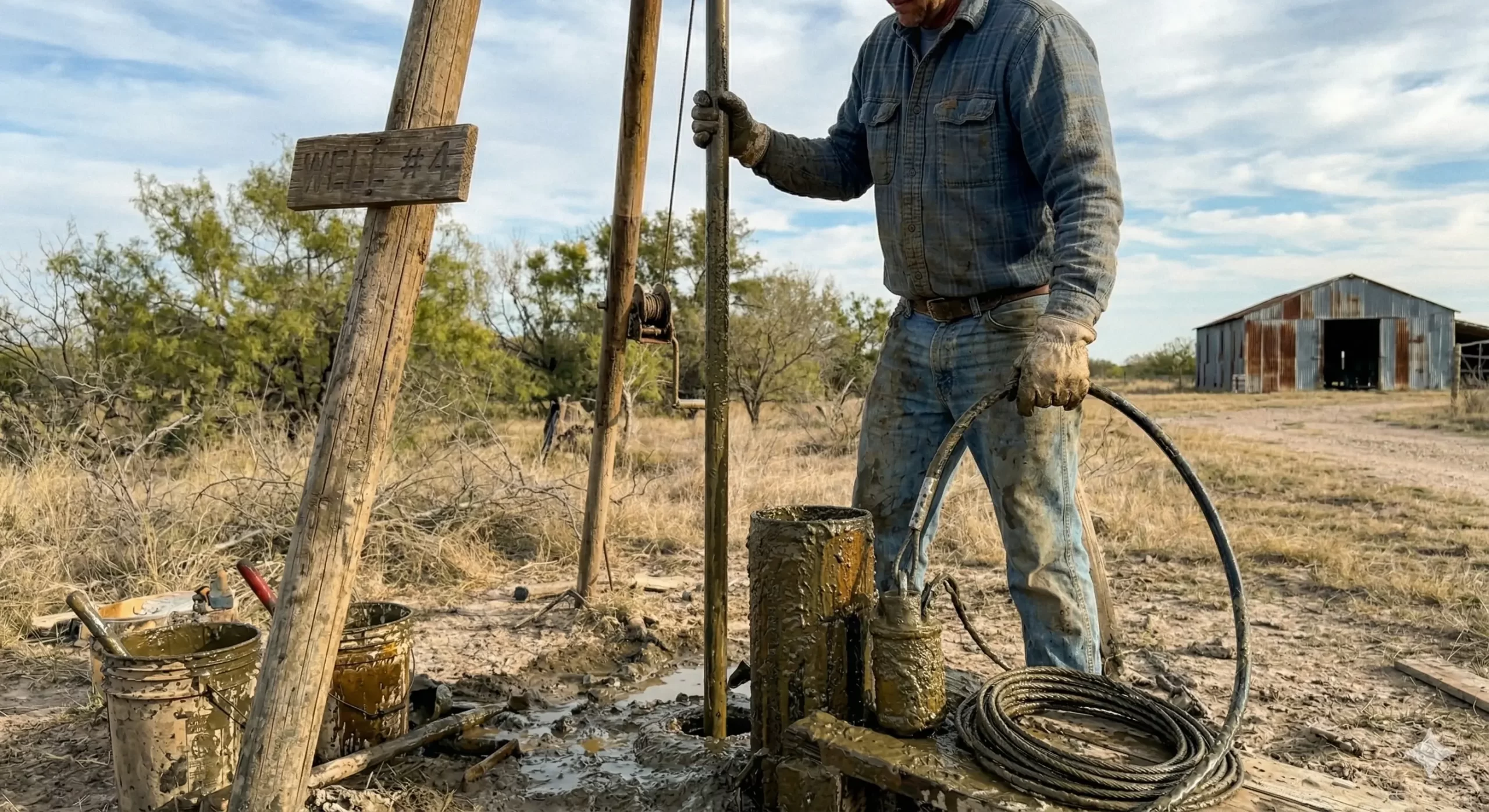
Well Pump Repair in
Michigan
Michigan Well Service Costs & Stats
Michigan has one of the highest reliances on private groundwater in the nation, with an estimated 1.12 million active private water wells currently in use. Because the state is defined by its massive agricultural output and expansive rural territories, municipal water systems simply cannot reach the majority of the population. Maintaining these independent wells is a top priority monitored by state environmental and health agencies to protect the pristine quality of the Great Lakes watershed.
- Glacial Drift vs. Bedrock Extraction: Submersible well pump replacement in deep bedrock formations requires heavy pump hoist trucks. Extracting water-filled pipes from 200-400+ feet typically drives total replacement costs to $1,800 – $4,600+.
- Winterization & Pitless Adapters: Michigan’s frost line dictates that plumbing must be buried 42 to 48+ inches deep. Excavating frozen ground to repair a leaking pitless adapter or thawed cracked pipes can add $600 – $1,800 to an emergency winter repair.
- Iron & Hard Water Mitigation: Michigan groundwater is notoriously heavy in iron and calcium. Pumps destroyed by iron bacteria sludge often require extensive chemical shock chlorination and casing brushing alongside the pump replacement, adding $300 – $800.
- Pressure Tank Replacement: To protect the pump motor from short-cycling, installing a high-capacity fiberglass or epoxy-coated indoor pressure tank in a Michigan basement typically costs between $500 and $1,200.
- Well Casing Repair Cost: Shifting glacial soils and frost heaving can severely damage older steel casings. Sleeving a well or repairing a cracked casing to prevent surface water intrusion can range from $1,200 to $3,000.
- Electrical & Switch Repairs: Ice storms frequently cause power grid surges. Replacing a fried control box, blown capacitor, or a faulty well pump pressure switch is a highly common and affordable fix, generally costing $200 – $450.
37°F in Michigan
Save $350+ on Replacements
Via the MI Great Lakes Water Protection Rebate
Average Well Pump Repair Costs by Michigan Region (2026)
Repair pricing in Michigan is heavily dictated by regional geography and seasonal access. Pulling a pump in the snowy, rocky Upper Peninsula demands specialized winterized equipment, contrasting with the sandy glacial drift wells of West Michigan.
| Region / Major Cities | Aquifer & Avg. Depth | Minor Repair (Switches, Controls) | Pump Replacement (Parts + Labor) |
|---|---|---|---|
| Metro Detroit Outskirts Oakland, Macomb, Livingston Co. | 100 – 250 ft Glacial Drift / Bedrock | $200 – $450 | $1,800 – $3,500 |
| West Michigan Grand Rapids, Kalamazoo, Holland | 50 – 200 ft Deep Sand & Gravel | $200 – $350 | $1,500 – $2,800 |
| Mid-Michigan / Capital Lansing, Jackson, Mount Pleasant | 150 – 350 ft Saginaw Aquifer (Sandstone) | $220 – $400 | $1,900 – $3,600 |
| Northern Lower Peninsula Traverse City, Petoskey, Alpena | 100 – 300 ft Glacial Deposits / Karst | $250 – $450 | $2,200 – $4,000 |
| Upper Peninsula (UP) Marquette, Escanaba, Houghton | 150 – 500+ ft Hard Bedrock / Shield | $300 – $550 | $2,800 – $4,600+ |
Pump Lifespan Estimator
Select household size in Michigan to see strain impact.
Groundwater Threat Level
Current aquifer and mineral impact on pumps in Michigan.
Dropping water tables cause pumps to suck air and overheat.
Hard water calcifies pump impellers, reducing lifespan.
The Cost of Ignoring Symptoms
Fixing a short-cycling pump early saves thousands in MI.
Data reflects average well contractor estimates in Michigan.
Groundwater & Aquifers
The primary groundwater sources in Michigan include the The Glacial Drift Aquifers (sand and gravel), the Marshall Sandstone Aquifer, and the Saginaw Aquifer system.. Drilling through the local Glacial till, porous sand, dense clay loam, and sedimentary bedrock (sandstone/shale). means that average well depths range from Highly variable: 50 to 150 feet in shallow glacial deposits, dropping to 200-400+ feet in the bedrock aquifers of the Lower Peninsula..
Due to these geological factors, local homeowners frequently struggle with Shattered drop pipes and frozen pitless adapters from extreme winter temperatures, and submersible motor failure due to thick iron sludge buildup..
Drilling Depth Comparison
Deeper wells require heavy-duty crane hoists for pump extraction.
Climate & Water Quality
Pump systems in Michigan face severe environmental stressors. The most significant threat is Savage sub-zero “lake-effect” blizzards causing deep frost penetration, spring thaw flooding breaching wellheads, and power grid failures from severe ice storms.
Additionally, the raw groundwater often presents issues with Extremely high iron bacteria, nitrates from agriculture, heavy calcium hardness, naturally occurring arsenic, and emerging PFAS concerns..
Regional Groundwater Advisory
Known primary contaminant threat to submersible pumps and pipes in this area:
Common Well Systems
VFD Upgrade Savings
Constant Pressure vs StandardReplacing a standard single-speed pump with a Variable Frequency Drive (VFD) eliminates hard starts and drastically reduces energy draw in Michigan.
Compliance & Authority
Top Pump Brands in Michigan
Most frequently installed hardware based on local geology (2026 data).
Standard Michigan Technician Diagnostic Checklist
Pulling a pump from 300 feet of glacial sand or bedrock is an expensive, labor-intensive process, especially in winter. Therefore, our certified contractors follow a stringent diagnostic protocol to rule out above-ground electrical and pressure tank issues first:
- Electrical & Amp Draw Audit: Using a multimeter at the control box to check the voltage and amperage draw, specifically looking for a shorted motor or a blown start capacitor caused by ice storms.
- Pressure Tank Bladder Calibration: Draining the basement system completely to test the internal tank bladder for ruptures, and adjusting the air pre-charge to exactly match the pressure switch.
- Winterization & Pitless Inspection: Utilizing a downhole camera to inspect the pitless adapter below the 48-inch frost line to ensure it isn’t leaking or compromised by freezing temperatures.
- Switch & Contactor Cleaning: Inspecting the mechanical water well pressure switch contacts, which frequently pit or become coated in basement moisture and dust.
- Iron & Scale Assessment: Visually inspecting the pulled drop pipe and pump housing for severe iron bacteria sludge, which dictates whether the well needs aggressive chemical shock chlorination.
- Static Water Level Sonic Test: Using specialized sonic equipment to measure exactly how far the water table has dropped to see if the pump is cavitating (sucking air).
- Transparent Code Review: Providing a complete, upfront breakdown of repair costs, ensuring all modifications adhere strictly to EGLE and local county health department regulations.
Top Well Pump Brands Serviced in Michigan
Michigan’s mineral-heavy aquifers and freezing temperatures require the absolute toughest hardware available. Our registered technicians are fully equipped to install and repair the industry’s most resilient brands:
- Goulds Water Technology: The undeniable favorite across the Midwest. Their heavy-duty cast iron and stainless steel submersible pumps are legendary for surviving highly corrosive, iron-rich Michigan water.
- Franklin Electric: The absolute industry standard for deep-well submersible motors, rugged control boxes, and advanced constant pressure (VFD) drive systems designed to handle grid surges.
- Grundfos: Premium innovators known for their ultra-efficient SQE series, offering quiet, constant pressure delivery for large suburban estates in Oakland and Macomb counties.
- Amtrol (Well-X-Trol): The gold standard for indoor hydro-pneumatic pressure tanks. Their thick steel and robust bladders are essential for damp Michigan basements and crawlspaces.
- Myers (Pentair): A highly reliable brand frequently found in older Michigan farm properties, offering excellent longevity for both shallow jet pumps and deep submersible applications.
- Flint & Walling: Renowned for their high-capacity submersible pumps and dependable systems capable of pushing water through hundreds of feet of glacial drift.
- Sta-Rite (Pentair): Highly trusted for dependable, long-lasting performance in both residential water systems and heavy-duty agricultural irrigation setups.
Critical Warning Signs Your Michigan Well Pump is Failing
Between brutal deep freezes and the heavy iron content of the glacial aquifers, pump systems in Michigan endure incredible stress. Ignoring early symptoms almost always guarantees a complete loss of water during a winter storm and a severely expensive emergency. Watch closely for these 7 critical warning signs:
- Rapid Clicking in the Basement: Hearing the pressure switch violently click on and off every few seconds means you urgently need a waterlogged pressure tank repair before the pump motor burns out.
- Red or Brown Sludge in Water: A massive spike in iron bacteria (extremely common in MI) creates a thick, rusty slime that coats the pump intake, causing it to overheat and fail prematurely.
- Complete Loss of Water in Winter: A sudden outage during a January polar vortex usually indicates a failed pitless adapter, or that a well cap leaking allowed frost to shatter the upper drop pipe.
- Sputtering Faucets (Air in Lines): This indicates the pump is cavitating (pulling air) because the water table has dropped, or the underground pipe connecting the well to the house has a severe frost-induced leak.
- Unexplained High Electric Bills: An aging submersible pump struggling against thick iron scale, or a pump that never shuts off due to a broken check valve, will draw massive amounts of electricity.
- Extremely Low Water Pressure: Often the first sign of a clogged whole-house sediment filter, a failing well pump pressure switch replacement need, or a dying pump motor losing its lifting power.
- Tripping the Dedicated Circuit Breaker: If the well pump breaker in your electrical panel keeps tripping, the motor is either shorted out, locked up with rust, or the underground wiring has degraded.
Real Estate Regulations & Inspections
- Rigorous Flow & Yield Test: Measuring the exact Gallons Per Minute (GPM) to verify the well can support modern household demands and irrigation without the pump drawing air.
- Winterization & Pitless Audit: Using downhole cameras to ensure the pitless adapter is completely sealed below the 48-inch frost line and the casing has not been cracked by frost heaving.
- Basement Pressure System Check: Evaluating the indoor hydro-pneumatic tank for waterlogging and ensuring the pressure switch is precisely calibrated to prevent motor short-cycling.
- Electrical & Amp Draw Analysis: Testing the control box and submersible motor to ensure it isn’t burning out from attempting to push water against heavy iron bacteria scale.
The second, deeply critical phase in Michigan is comprehensive water potability testing. Due to heavy agriculture, industrial history, and unique glacial geology, Michigan water carries specific risks:
- Coliform Bacteria & E. coli: Absolutely essential, especially in sandy regions or after spring thaws, to ensure agricultural runoff or septic effluent hasn’t breached the casing.
- Nitrate & Nitrite Panels: Highly required in agricultural heartlands like West and Mid-Michigan to detect dangerous fertilizer leaching.
- Arsenic Testing: Naturally occurring arsenic is a known, significant issue in several Michigan bedrock aquifers (like the Marshall Sandstone) and requires specific RO mitigation.
- PFAS & Contaminant Screening: With Michigan leading the nation in PFAS tracking, testing for “forever chemicals” is increasingly recommended near industrial or military zones.
Executing this rigorous due diligence is the only way to ensure your new Michigan home comes with a safe, powerful, and winter-proof water supply.
⚠️ Michigan Regulatory Warning: Abandoned Wells
- Registered Plugging Only: Abandonment must be executed strictly by an EGLE-registered well driller, using specific high-grade neat cement or bentonite grout from the bottom to the surface.
- State Abandonment Reporting: A formal Abandoned Well Plugging Record must be submitted to the local health department and the state within 60 days of completion.
- Casing Removal Protocol: Michigan code generally requires the top section of the steel or PVC casing to be cut off at least 3 feet below the final grade before burying.
- Sanitary Well Caps: All active wells must be fitted with an EGLE-approved, vermin-proof, overlapping sanitary well cap to prevent insect and floodwater intrusion.
Furthermore, when drilling a new well or replacing a failing septic system, Michigan county health departments enforce uncompromising sanitary setback distances:
- Septic Tanks & Drain Fields: A potable water well must maintain a strict minimum setback of 50 feet from any septic tank or active drain field.
- Agricultural Storage: Wells must be heavily distanced (typically 150+ feet) from manure storage areas, silos, and pesticide preparation zones.
- Property Boundaries: Strict setbacks from property lines ensure drilling equipment can access the site without trespassing or damaging neighboring utilities.
- Sewer and Utilities: A minimum distance of 10 feet is required from buried gravity sewer lines, provided they meet specific structural codes.
Adhering to these complex EGLE codes protects your property value, your health, and the pristine groundwater of Michigan.
Spring Well Maintenance in Michigan
Heavy spring rains can cause surface runoff to breach well caps. We strongly recommend testing your water for coliform bacteria and inspecting the sanitary seal.
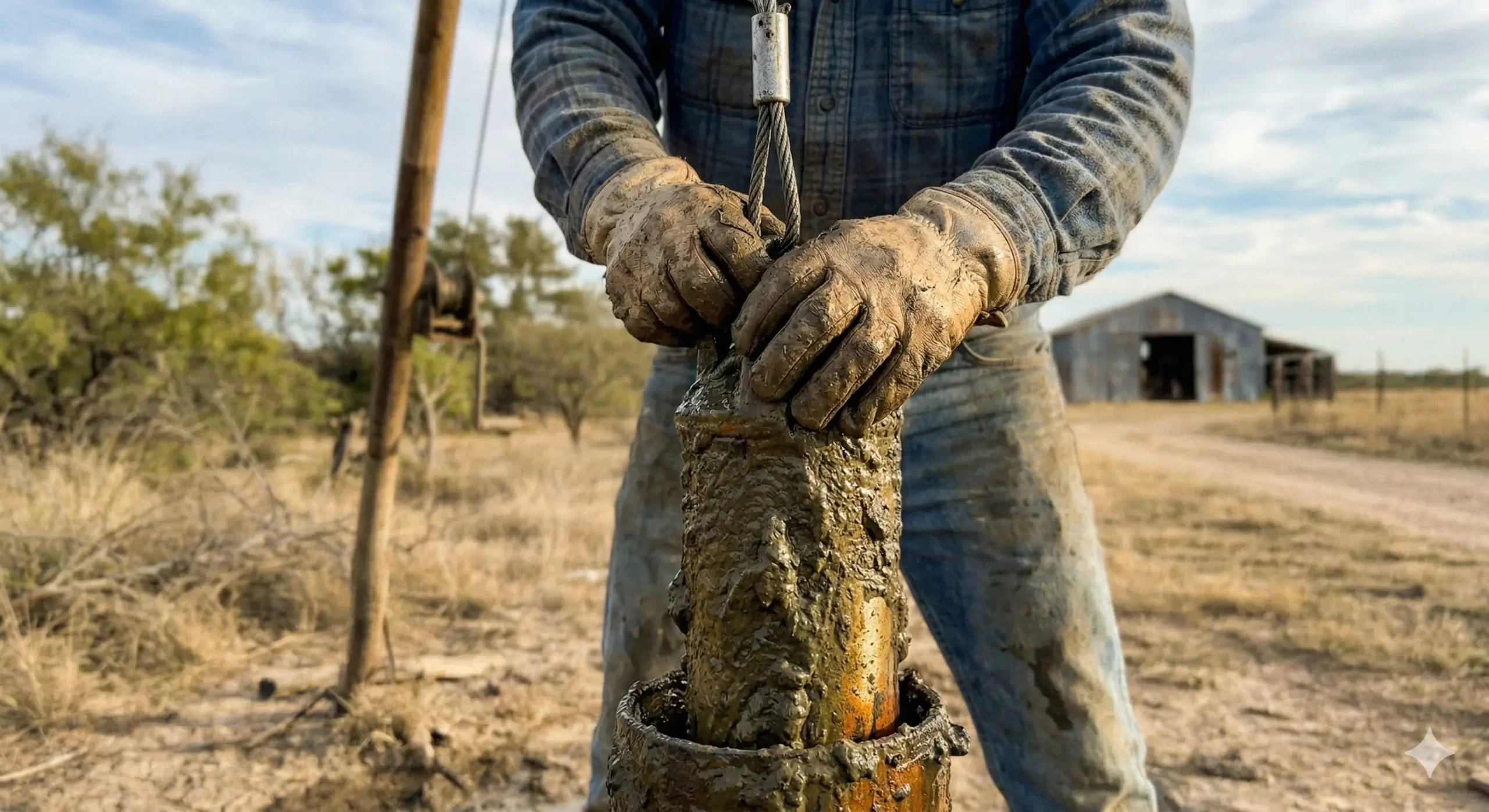
Local Michigan
Well Pros
Fast Local Service & Diagnostics
Calls are routed to a licensed local well professional.
Live Dispatch: Michigan
Updated Just Now⚠️ High demand. Call now to secure the next available technician.
Homeowner Feedback
“In the dead of a brutal February polar vortex in the Upper Peninsula, we woke up to absolutely no water. I assumed the pump was dead. The dispatcher was a lifesaver and got a crew out to us by noon. They tested the electricals and realized the pump was fine—our drop pipe had frozen solid right at the pitless adapter. They carefully thawed the line, replaced the damaged brass fitting, and heavily insulated the wellhead. Honest, fast, and didn’t try to sell me a $3000 pump I didn’t need.”

Local Homeowner
✓ Verified MI
“Our basement pressure switch kept clicking like a machine gun every time we flushed a toilet, and the water pressure was terrible. The tech from this network came out to our home in Grand Rapids and immediately diagnosed a completely waterlogged pressure tank. The bladder had torn. They swapped it out for a massive, high-quality Well-X-Trol tank in under two hours. The water pressure in the house is better than when we moved in!”

Local Homeowner
✓ Verified MI
“We live on an old farm property near Lansing. Our submersible pump finally gave out after 15 years, totally choked with iron bacteria sludge. The repair crew was incredible. They brought in a heavy pump hoist truck, pulled 250 feet of pipe, installed a heavy-duty Goulds stainless steel pump, and performed a massive shock chlorination to clean out the aquifer. True Michigan groundwater experts.”

Local Homeowner
✓ Verified MI
Well Pump Intelligence AI: Michigan
How long does a typical submersible well water pump last?
Understanding the Lifespan of Your Submersible Well Water Pump in Michigan (2026)
As a global expert in groundwater systems, I can provide a definitive answer regarding the typical lifespan of a submersible well water pump, with a specific focus on your context in Michigan in 2026.
A typical high-quality submersible well water pump, when properly installed and maintained, is engineered to last anywhere from 8 to 15 years, with many exceeding 20 years. However, this is an average, and several critical factors can significantly extend or shorten this operational period.
Key Factors Influencing Pump Lifespan
- Water Quality: This is paramount. Water with high sediment, sand content, mineral deposits (hardness), or acidity can cause premature wear on impellers, motors, and other components. Michigan's diverse geology, ranging from glacial till to bedrock formations, means water quality can vary significantly even within short distances.
- Installation Quality: Proper installation is non-negotiable. This includes correct pump sizing relative to your well's yield and household demand, appropriate pump depth, secure wiring, and the use of quality check valves. An undersized or oversized pump, or one incorrectly installed, will cycle too frequently or strain unnecessarily.
- Pump Quality and Brand: There's a wide spectrum of pump quality. Investing in a reputable brand known for durability often translates into a longer lifespan.
- Cycle Rate: How often your pump turns on and off is perhaps the most significant factor affecting its motor's longevity. Frequent short cycling (the pump turning on and off many times within an hour) is a major cause of premature failure.
- Voltage Fluctuations: Consistent, stable power supply is crucial. Brownouts or surges can stress and damage the pump motor.
The Critical Role of Your Pressure Tank: Preventing "No-Water" Emergencies and Extending Pump Life
The pressure tank is an indispensable component of your well system, directly impacting your pump's lifespan and your experience with reliable water pressure. Its primary function is to store pressurized water, reducing the number of times your pump needs to turn on (cycle rate) to meet household demand. Less cycling means less wear and tear on the pump motor.
- Proper Sizing: Ensure your pressure tank is appropriately sized for your household's water usage and pump output. An undersized tank will lead to frequent cycling.
- Maintaining Air Pre-Charge: The air bladder within your pressure tank must maintain its correct pressure (typically 2 PSI below the pump's cut-in pressure). You, or a professional, should check this air pressure annually. Loss of air charge causes the pump to short cycle, dramatically shortening its life and often leading to sudden "no water" or low-pressure situations. This is a common oversight that can lead directly to premature pump failure.
Proactive Homeowner Maintenance and Emergency Prevention in Michigan
While the pump is deep underground, there are crucial steps you can take:
- Listen to Your System: Pay attention to unusual noises from the pressure tank area, excessive pump cycling, or a sudden drop in water pressure. These are early warning signs.
- Regular Water Testing: Especially if you notice sand or sediment, or changes in taste/odor. High sediment can indicate well integrity issues or excessive drawdown, both detrimental to your pump. In Michigan, consider testing for hardness and iron as well.
- Annual Pressure Tank Check: As mentioned, verify the air pre-charge. This simple check can save your pump.
- Consider Whole-House Filtration: If your well produces sandy water, a sediment filter at the wellhead or main line can protect your pump and internal plumbing.
- Professional Inspection: Periodically, have a licensed Michigan well contractor inspect your entire system. They can identify subtle issues before they become costly emergencies.
Well Pump Replacement: Signs and Considerations
Signs that your pump may be failing and requires professional attention include:
- No Water: The most obvious sign.
- Reduced Water Pressure: A persistent drop in pressure throughout the house.
- Pump Runs Continuously: Indicates a leak in the system or a failing pump/check valve.
- Frequent Cycling: Even with a properly charged pressure tank.
- Murky or Sandy Water: Can indicate the pump is drawing water from too low in the well, or the well casing is compromised.
When replacement becomes necessary, always engage a licensed Michigan well contractor. They will diagnose the problem accurately, pull the old pump, and install a new one correctly. This is also an opportune time to consider upgrades, such as a variable frequency drive (VFD) system, which can further extend pump life and provide more consistent water pressure by reducing motor strain and eliminating rapid cycling.
Michigan-Specific Considerations (2026)
As you're in Michigan in 2026, it's important to note:
- Geological Diversity: Michigan's geology means wells can be shallow in sand and gravel or deep into bedrock. This influences well yield and potential for sand/sediment. Your local contractor will understand these nuances.
- Water Demand: With potential shifts in climate and population, water demand might evolve. Ensure any new pump installation is sized not just for current needs, but also future considerations.
- Licensing: Always verify that your well contractor is properly licensed and insured by the State of Michigan. This ensures adherence to local codes and best practices.
By understanding these factors and committing to proactive maintenance, you can significantly prolong the life of your submersible well pump and ensure a reliable water supply for your Michigan home.
Expert Michigan Well System FAQ
Why did my well pump stop working during a deep Michigan freeze?
In sub-zero MI winters, the most common issue is that the water inside the upper casing or the pipe leading to your house has frozen solid. This usually happens if the pitless adapter (which connects the well pipe to your house below the deep frost line) fails, or if a well cap leaking allowed cold air to penetrate the shaft. When the pipe freezes, the pump tries to push water against a solid block of ice, which will instantly blow the circuit breaker or burn out the pump motor. You need a technician to safely thaw the lines and inspect the motor.
Why is my well pump rapidly clicking on and off every few seconds?
This condition is called “short-cycling,” and it is an absolute emergency. It is almost always caused by a waterlogged pressure tank in your basement or crawlspace. Inside the tank is a rubber bladder filled with air. If that bladder tears, the tank fills entirely with water, eliminating the air cushion. Without that cushion, the pressure switch senses an immediate drop in pressure the second you open a tap, forcing the submersible pump to instantly turn on and off. You need a well pressure tank replacement immediately before the pump motor burns out.
What is this red, rusty slime clogging my well water filter?
That thick, rusty slime is caused by Iron Bacteria, an incredibly common nuisance in Michigan’s glacial aquifers. While not generally harmful to your health, iron bacteria feed on the iron in the water, leaving behind a thick sludge that can completely choke a submersible pump, clog your pipes, and ruin your water softener. If your pump fails due to this buildup, the well contractor will need to perform a heavy chemical “shock chlorination” of the entire well casing after replacing the pump to mitigate the bacteria.
Can I legally pull and replace my own deep well pump in Michigan?
No. Under Michigan law and the strict regulations enforced by EGLE (Department of Environment, Great Lakes, and Energy), pulling a deep submersible pump or physically modifying a well casing must be executed by a registered Water Well Contractor. DIY repairs on deep wells are incredibly dangerous—often involving hoisting hundreds of pounds of steel or water-filled pipe. Furthermore, improper sealing after a DIY job can contaminate the aquifer, leading to devastating fines and massive liability if neighboring wells are affected.
Fast Local Service & Diagnostics
Calls are routed to a licensed local well professional.
Septic System Services in Michigan
Do you have a septic tank on your property? Proper maintenance is critical to protecting your well water quality.