
A shattered burner sight glass on a gas water heater is an emergency. This FVIR system breach requires immediate shutdown and viewport or door assembly replacement.
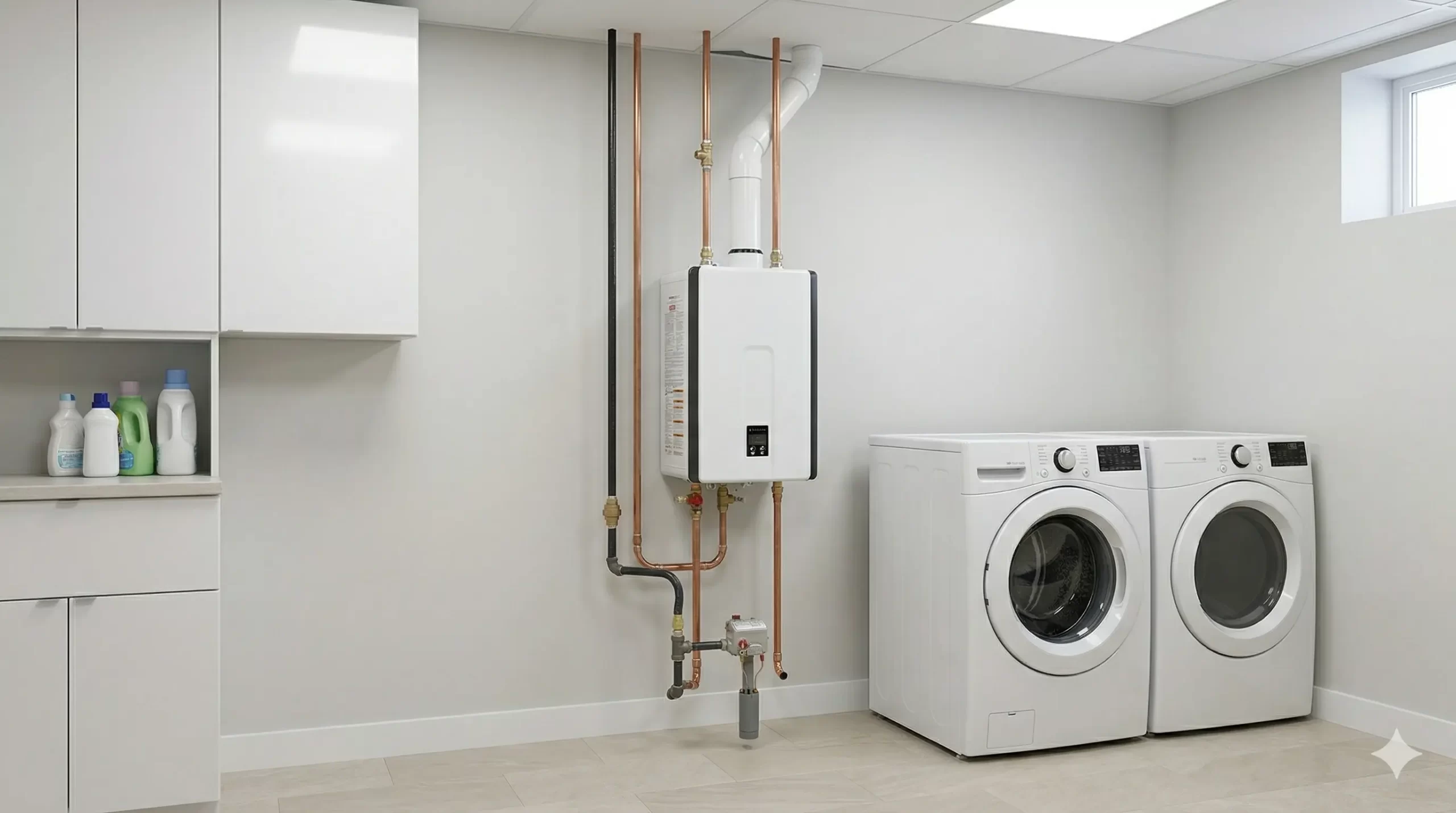
A shattered burner chamber window constitutes a critical failure of the Flammable Vapor Ignition Resistant (FVIR) system. This is not a cosmetic issue; the sealed integrity of the combustion chamber is breached. This condition creates a direct pathway for ambient flammable vapors (e.g., from gasoline, solvents, or aerosol sprays) to be drawn into the chamber, potentially causing a catastrophic external fire or explosion. Furthermore, the compromised seal can lead to improper draft, flame rollout, and the production of lethal carbon monoxide (CO) that can escape into your living space. Do not operate the appliance under any circumstances. Immediately shut off the gas supply at the manual shutoff valve and vacate the area if you smell gas.
️ Repair Profile
Required Diagnostics Tools
Nut driver set, Socket set, Gasket scraper, OEM Sight Glass Kit, Flashlight, Work gloves, Safety glasses, Leak detection solution
Financial Breakdown: Parts vs. Licensed Labor
The replacement component, a piece of borosilicate glass with a gasket, has a low manufacturing cost. The majority of the expense is allocated to the certified technician’s labor, which covers the crucial diagnostic work to determine the cause of failure, the liability of working on a gas appliance, and ensuring the FVIR seal is perfectly restored to prevent a fire hazard.
Deep Technical Diagnosis: The Physics of the Failure
The shattering of a burner chamber sight glass, technically a borosilicate or ceramic glass viewport, points to one of two root causes: external mechanical impact or, more critically, an internal overpressure event. The latter is most often a result of delayed ignition. This phenomenon occurs when the main burner gas valve opens, but the gas fails to ignite instantaneously from the pilot flame. Gas accumulates within the sealed combustion chamber for a few moments, creating a fuel-rich mixture. When ignition finally occurs, it is volatile and explosive, creating a concussive force that the sight glass is not designed to withstand.
A thorough diagnosis of delayed ignition requires analyzing the entire combustion sequence. Using a manometer connected to the gas control valve, a technician must verify the manifold pressure is within the manufacturer’s specified range (typically 3.5″ W.C. for natural gas). Low pressure can cause a lazy, unstable flame front. The pilot assembly itself is a primary suspect; a misaligned pilot may not properly engulf the tip of the thermopile, preventing it from generating the required millivolts (often >700mV on modern systems) needed for the gas valve to respond crisply. A dirty or partially clogged pilot orifice can also produce a weak, wavering flame incapable of immediate ignition. Furthermore, the stoichiometry of the combustion process may be compromised. A clogged flame arrestor screen at the base of the heater can starve the chamber of primary air, leading to an overly rich fuel-air ratio that is difficult to ignite and explosive when it does. The main burner orifice can also be obstructed, disrupting the Venturi effect that properly mixes gas and air prior to combustion.
- Severe Delayed Ignition: A significant buildup of unburnt gas in the sealed chamber due to a faulty ignition source or gas control valve, causing a minor explosion upon lighting.
- Chronic Poor Combustion: A long-term issue with incorrect stoichiometry (fuel/air mix), often from a clogged flame arrestor, leading to thermal stress and eventual fatigue failure of the glass.
- Thermocouple/Thermopile Failure: A weak or failing sensor providing an erratic millivolt signal to the gas valve, causing it to open sluggishly and allow gas to pool before ignition.
- Incorrect Gas Pressure: Both low and high gas pressure, as measured by a manometer, can disrupt the engineered flame characteristics and lead to unstable ignition.
- Direct Mechanical Impact: The glass was struck by an external object, causing it to crack or shatter. This is an external cause and does not necessarily indicate a combustion problem, but the safety breach is identical.
US Building Codes & Plumbing Regulations
The integrity of the burner chamber viewport is explicitly governed by safety standards referenced in plumbing and fuel gas codes. Per NFPA 54, the National Fuel Gas Code, any modification, damage, or degradation that compromises the safe operation of an appliance as intended by the manufacturer renders it non-compliant. A shattered sight glass fundamentally alters the combustion environment from a sealed system to an open one, violating the core principles of the appliance’s design and its FVIR (Flammable Vapor Ignition Resistant) certification. Operating an appliance in this state is a direct violation of the code’s mandate to maintain gas equipment in a safe and functional condition.
Furthermore, the Uniform Plumbing Code (UPC) requires that all appliances be installed and maintained in accordance with their listing and the manufacturer’s instructions. The FVIR system, including the sealed door and sight glass, is a critical, listed safety assembly (under ANSI Z21.10.1 for gas water heaters). A break in this assembly invalidates that listing. A plumbing inspector would immediately red-tag the appliance, as the breach creates a clear and present danger of flame rollout and ignition of external flammable vapors, which the FVIR system is specifically designed to prevent. The repair must use OEM-specified parts to restore the original certified integrity of the combustion chamber seal.
Professional Master Plumber Repair Sequence
- Emergency Shutdown Protocol: Immediately turn the gas control valve dial on the water heater to the ‘OFF’ position. Then, locate the upstream manual gas shutoff valve (typically a lever handle on the gas line feeding the heater) and turn it perpendicular to the pipe to cease all gas flow.
- Area Ventilation: Ensure the mechanical room or area around the water heater is well-ventilated to dissipate any potential unburnt gas.
- Procure OEM Replacement: Using the model and serial number from the heater’s data plate, acquire the exact Original Equipment Manufacturer (OEM) sight glass and gasket kit or the complete burner door assembly. Do not use generic parts for this critical safety component.
- Disconnect Burner Assembly: Carefully loosen and disconnect the burner supply tube, pilot tube, and thermocouple/thermopile electrical connection from the main gas control valve. Note their positions for reassembly.
- Remove Door Assembly: Unscrew the bolts (typically 4-8) holding the burner door assembly to the water heater tank shell. Gently pull the entire assembly straight out, being careful not to damage the burner or pilot components.
- Replace Sight Glass Component: If replacing only the glass, place the door on a stable surface. Unfasten the interior retaining clips or frame. Remove all remnants of the old glass and gasket, ensuring the mounting surface is perfectly clean. Install the new gasket and glass, then secure the retainers to the manufacturer’s torque specification to avoid stress fractures.
- Clean Mating Surfaces: Scrape and wipe clean the gasket surface on the back of the door assembly and the corresponding surface on the water heater tank. Any carbon buildup or debris will prevent a proper seal and compromise the FVIR system.
- Reinstall Assembly and Reconnect Lines: Carefully re-insert the burner assembly, ensuring it is properly aligned. Hand-tighten the mounting bolts in a crisscross pattern to ensure even pressure, then torque to spec. Reconnect the gas lines and sensor leads to the control valve, ensuring flare fittings are snug.
- Perform Gas Leak Test: Slowly turn the manual gas shutoff valve back on. Using a soapy water solution or an electronic gas detector, meticulously check all fittings you disconnected for any signs of leaks (bubbles or alarms). If a leak is found, shut off the gas and tighten the connection.
- Relight and Observe: Follow the specific lighting instructions printed on the water heater. Once the main burner ignites, observe its operation through the new, intact sight glass. The flame should be stable and predominantly blue with minimal yellow tipping.
Expert Verdict: Is It Worth Repairing?
The decision to repair the shattered sight glass versus replacing the entire water heater hinges on the root cause of the failure. If the damage was from a direct external impact on an otherwise healthy and relatively new unit (under 8 years old), a repair is the most logical and cost-effective solution. The replacement part is inexpensive, and the labor is straightforward for a professional, representing a high ROI by restoring the unit to safe operation for a fraction of the cost of a new heater.
However, if the sight glass shattered due to an internal delayed ignition event, the analysis shifts. This indicates a more serious underlying combustion problem, such as a failing gas control valve, obstructed burner, or compromised flame arrestor. In an older unit (8-12+ years), the cost of the initial sight glass repair plus the additional diagnostics and parts to fix the root combustion issue can accumulate. When this combined repair cost exceeds 40-50% of the price of a new, more efficient water heater with a full warranty, replacement becomes the superior long-term investment. Replacing the unit eliminates the current problem and preemptively addresses future age-related failures of other components like the tank or control valve.
Frequently Asked Questions (FAQ)
Q: Can I use high-temperature sealant or metal tape to cover the hole temporarily?
A: Absolutely not. Any makeshift patch completely negates the FVIR safety system. It cannot contain a flame rollout event and creates a severe risk of fire, explosion, and carbon monoxide poisoning. The only safe solution is immediate shutdown and proper replacement of the component.
Q: What does it mean if the glass appeared to blow outwards?
A: An outward shattering pattern is a definitive sign of an internal overpressure event, almost certainly caused by delayed ignition. This means a significant amount of raw gas accumulated in the combustion chamber before it ignited, creating a small, violent explosion that blew the glass out. The root cause must be diagnosed and repaired.
Q: Is a cracked sight glass just as dangerous as a fully shattered one?
A: Yes. Any breach in the glass, including a hairline crack, compromises the sealed integrity of the combustion chamber. It creates a failure point in the FVIR system, allowing a pathway for flammable vapors to enter and for combustion byproducts, including CO, to escape. It should be treated with the same emergency urgency as a shattered window.
Q: Why is this considered an ‘Emergency’ urgency if the heater is off?
A: The ‘Emergency’ classification is due to the extreme danger if anyone attempts to relight or operate the heater in its damaged state. The compromised FVIR system means the next ignition attempt could result in a dangerous flame rollout or the ignition of ambient flammable vapors. The urgency is in preventing unsafe use of the appliance until a professional repair is completed.