

Don’t End Up Like My Neighbor, “Bargain Bob”
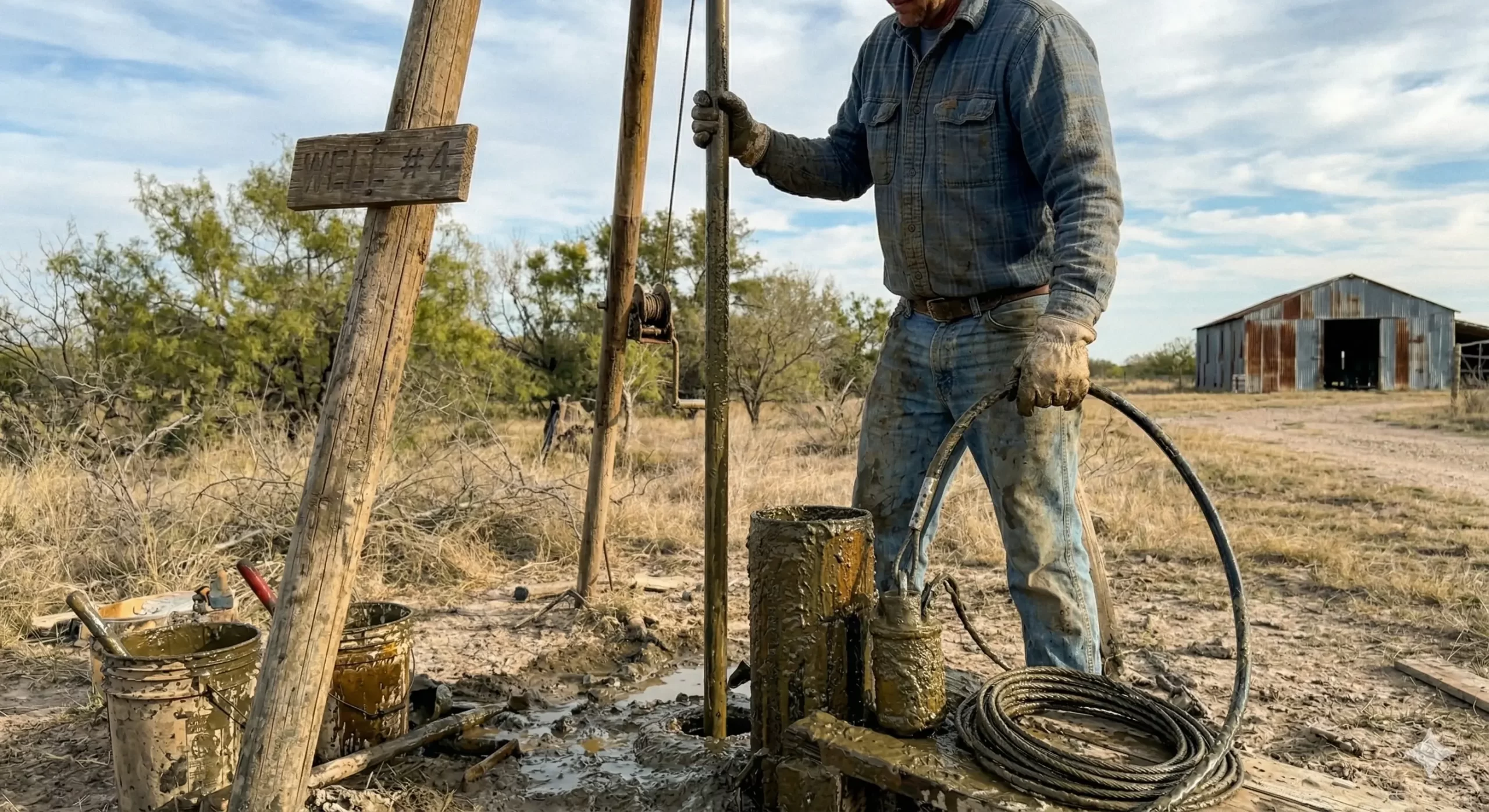
Howdy, folks. It’s your friendly neighborhood septic expert here. Let me tell you a quick story before we dig into the nuts and bolts. My neighbor, we’ll call him Bob, was buying a beautiful little place over in Chatham County. To save about $500 on closing costs, he decided to skip the professional septic inspection. The seller said it was ‘pumped last year,’ and that was good enough for Bob. Fast forward six months. We had one of those classic North Carolina summer downpours, the kind that turns the red clay soil into a soupy mess. Suddenly, Bob’s toilets wouldn’t flush, and a nasty smell started creeping up from his shower drains. Worse, a foul, soggy patch appeared in his backyard, right where the kids loved to play. You can find more detailed pricing and local regulations on our dedicated Callaway, FL location page.
It turns out the drainfield was completely saturated and had failed years ago. The seller’s ‘pump’ was just a band-aid on a bullet wound. Bob was looking at a full system replacement. The final bill? A little over $22,000. He ‘saved’ $500 and bought a $22,000 headache. Don’t be like Bob. That inspection isn’t a cost; it’s the cheapest insurance you’ll ever buy for your new home.
The Home Buyer’s Septic Troubleshooting Tree: An ‘If This, Then That’ Guide
Alright, let’s get our hands dirty (figuratively, of course). When you’re walking through a potential new home, you need to be a detective. Your septic system talks to you; you just need to know its language. Here’s a simple diagnostic tree to follow. To get a customized pumping schedule, feel free to speak with our local representatives in Richwood, LA.
Symptom Group A: The Indoor Clues
These are the things you can spot inside the house without ever touching a shovel.
- IF: You hear gurgling sounds from drains (the ‘coffee percolator’ noise) after flushing a toilet or when the washing machine drains…
THEN: This could be an early warning. It means the system is struggling to breathe. The vent pipe might be blocked, or worse, the tank is full and there’s nowhere for the water to go, causing negative pressure in the lines. A professional will check the vents and use a Sludge Judge (a clear tube for measuring layers in the tank) to confirm if it’s overfull. - IF: The drains are slow in the whole house, not just one sink…
THEN: This is a major red flag. A single slow drain is a clog. All slow drains point to a system-wide problem. This is a classic sign of a full septic tank or, more critically, a failing drainfield that can no longer accept water. This is when we’d recommend a sewer camera inspection to rule out a mainline clog before condemning the whole system. - IF: You smell faint, sewer-like odors near drains or in the basement/crawlspace…
THEN: Your nose knows! This could be a dried-out P-trap (a simple fix) or something more sinister like a cracked drain line or gases being forced back into the house from a full tank. Never ignore sewer gas odors, as they can be harmful.
Symptom Group B: The Outdoor Investigation
Now, take a walk around the property. The yard tells a story.
- IF: You see patches of unusually green, lush grass over a specific area of the yard, even during dry weather…
THEN: You’ve likely found the drainfield. While it sounds nice, it’s actually a bad sign. It means wastewater (effluent) is rising too close to the surface and acting as a fertilizer. The soil is saturated and failing to properly treat the waste. A soil probe can confirm overly wet conditions below the surface. - IF: You find damp, spongy spots, standing water, or notice foul odors in the yard…
THEN: This is a critical failure. This is untreated sewage surfacing. It’s a biohazard and a clear sign the drainfield has completely failed. In North Carolina, the local health department would condemn a system in this state. This isn’t a repair; it’s a full replacement scenario. - IF: You see evidence of vehicles being driven or parked over the drainfield area (like tire ruts or a gravel patch)…
THEN: This is a huge problem. The weight can crush the perforated pipes and compact North Carolina’s already dense clay soil, making it impossible for water to percolate. This damage is often irreversible and requires excavation and replacement of the drain lines.
The Price of Peace of Mind: A North Carolina Septic Cost Breakdown
Thinking about money is never fun, but it’s better to plan for it now than get a surprise later. Here’s a realistic look at what you can expect to pay for septic services in the Tar Heel State. Prices can vary based on your location (Asheville vs. Raleigh, for example) and the complexity of the system.
| Service / Repair | Typical NC Cost Range | What It Involves |
|---|---|---|
| Level 1 Visual Inspection | $350 – $500 | Locating the tank, checking for surface issues, running plumbing, basic report. Often doesn’t include pumping. |
| Level 2 Full Inspection (Recommended) | $500 – $900+ | Includes pumping the tank, inspecting baffles and walls, and a hydraulic load test on the drainfield. This is the gold standard. |
| Standard Septic Tank Pumping | $300 – $600 | Pumping out all liquid and solid waste from the tank. Price depends on tank size. |
| Riser Installation | $400 – $1,000 | Adding a riser to bring the tank lid to the surface, avoiding future digging fees. |
| Drainfield Jetting/Rejuvenation | $1,500 – $4,000 | A potential fix for a clogged field. High-pressure water is used to break up biomat. Not always successful. |
| Full Drainfield Replacement | $8,000 – $25,000+ | The big one. Involves permits, excavation, and installing a completely new system. This is the cost you avoid by getting a proper inspection. |
Keeping Your System Happy: Simple Maintenance Tips
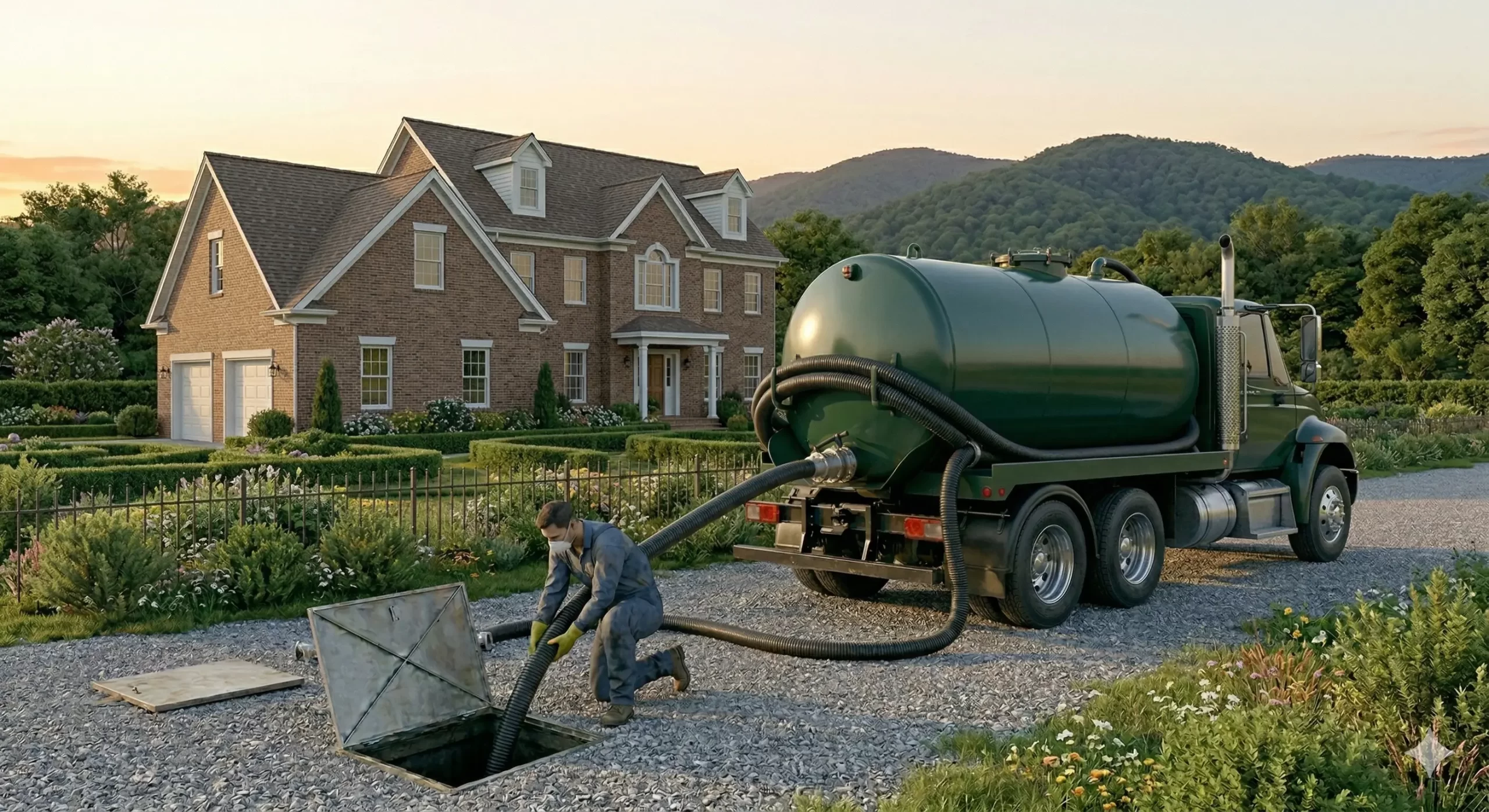
Once you buy the house, that system is your baby. Treating it right isn’t hard, and it will save you a mountain of cash and headaches down the road. Think of it like changing the oil in your car—a little routine care prevents a blown engine.
- The 3 P’s Only: The only things that should ever go down your toilet are Pee, Poop, and (toilet) Paper. No ‘flushable’ wipes, no feminine products, no dental floss, no grease. Your septic tank is a sensitive stomach, not a garbage disposal.
- Pump Regularly: For a typical family of four in NC, you should get your tank pumped every 3 to 5 years. This removes the solids that can’t be broken down, preventing them from flowing into and clogging your drainfield.
- Water Conservation is Key: A septic system can only handle so much water at once. Spreading out laundry loads, fixing leaky faucets, and installing efficient fixtures reduces the hydraulic load on your drainfield, especially important in our clay-heavy soils that drain slowly.
- Protect the Drainfield: I mentioned it before, but it’s worth repeating. Don’t drive on it. Don’t build anything on it. Don’t plant trees with aggressive root systems near it. Let it do its job in peace.
- Watch for Hurricanes and Floods: After a major North Carolina rain event, the ground becomes saturated. Try to reduce water usage as much as possible for a few days to give your drainfield a chance to recover and drain properly.
Hear It From Your Neighbors!
⭐⭐⭐⭐⭐
“We were first-time home buyers in Wake Forest and completely clueless about septic systems. The inspector was a lifesaver. He found a cracked outlet baffle that would have destroyed the drainfield within a year. His detailed report allowed us to negotiate the repair with the seller, saving us thousands. Can’t recommend this process enough!” For a free consultation, simply reach out to our office serving Decatur, TX.
– Sarah and Tom P., Raleigh, NC
⭐⭐⭐⭐⭐
“The house we loved had a septic system from the 70s. We were terrified. The inspection involved a full pump and camera scope. They discovered the original cast iron pipe from the house was completely corroded. It was a $2,000 fix, not a $20,000 system replacement. The peace of mind was priceless. If you’re buying a home with a septic system in NC, this is not optional.” For a free consultation, simply reach out to our office serving Lake Wales, FL.
– Michael R., Asheville, NC
The Slow Creep of Failure: A Septic System’s Timeline
Septic failure doesn’t usually happen overnight. It’s a slow, silent process of neglect. Here’s what that progression often looks like: Facing a drain field failure? Our team in Sarasota, FL is ready to diagnose the problem.
- Year 1-3 (The Honeymoon Phase): Everything works perfectly. The tank is breaking down waste, the drainfield is absorbing effluent. You don’t even think about it. (Status: Healthy)
- Year 4-6 (The First Whispers): The sludge and scum layers in the tank are building up. You might start hearing the occasional gurgle from a drain. The system is working harder, but there are no major outward signs of trouble yet. (Status: Needs Pumping)
- Year 7-9 (The Warning Signs): The tank is now overfull. Solids are starting to spill into the drainfield lines, clogging the pores in the soil. Drains become noticeably slower. You might get faint odors after a heavy rain. The ‘biomat’ is getting too thick. (Status: System Stressed, Minor Damage Occurring)
- Year 10+ (Catastrophic Failure): The drainfield is completely clogged with solids. It can no longer absorb water. Wastewater surfaces in the yard, and toilets and drains back up into the house. The system has failed. The only solution is a costly replacement. (Status: Total System Failure, Biohazard Present)
Frequently Asked Questions from NC Home Buyers
Is a septic inspection legally required to buy a house in North Carolina?
This is a great question. The state of North Carolina does not legally mandate a septic inspection for property transfers. However, virtually all mortgage lenders (FHA, VA, conventional) will require one to protect their investment. Furthermore, as a home buyer, it’s a critical piece of due diligence. Skipping it to save a few hundred dollars is one of the riskiest financial decisions you can make during a home purchase.
How does North Carolina’s clay soil impact a septic system?
Ah, our famous red clay! It’s great for pottery, not so great for septic systems. Clay soil has a very slow percolation (‘perc’) rate, meaning water drains through it very slowly. This requires drainfields in NC to be larger and more robust than in areas with sandy soil. It also means they are less forgiving of hydraulic overload. Doing five loads of laundry in one day can easily overwhelm a drainfield in clay soil, leading to premature failure if it becomes a habit. Proper system design and water conservation are extra important here.
What’s the difference between the seller’s ‘permit’ and a real inspection?
A seller might provide you with the original installation permit from the county health department. This document is useful—it tells you the size of the tank, the location of the drainfield, and the number of bedrooms the system was designed for. However, it tells you absolutely nothing about the current condition of the system. It’s like looking at the birth certificate of a 40-year-old person to check their current blood pressure. You need a present-day, hands-on inspection to know the system’s actual health.
What if the inspection finds a major problem?
This is actually a good outcome, believe it or not! Finding the problem before you own the house gives you power. The inspection report becomes a key negotiation tool. You have several options: you can ask the seller to perform the repairs before closing, you can negotiate a lower price for the house to cover the cost of the repair yourself, or, if the problem is too big and you can’t reach an agreement, you can walk away from the deal during your due diligence period. Knowledge is power.
Technically Reviewed By:
BlixBase Master Plumber Team
20+ Years Septic Industry Experience | Certified System Inspectors