
A Grumpy Old Pro’s Tale: The Sad Story of the Shelby County Seepage Pit
Let me tell you somethin’. Been doin’ this for over 30 years, from the sandy soils down in Baldwin County to the stubborn red clay up north of Birmingham. I’ve seen it all. And nothin’ gets my goat more than a homeowner who thinks their ‘grandfathered’ septic system is some kind of magic shield against reality. ♂️ Spoiler alert: It ain’t.
Just last fall, I got a call out to a nice little place in Shelby County. The fella on the phone, bless his heart, said his toilets were ‘burping’. Burping! I knew right then what I was dealing with. He had an old brick-and-mortar tank from the 60s, maybe even the 50s. A genuine antique. He was proud of it, said it was ‘grandfathered’ and he’d never had to touch it.
Famous last words. I got there and the yard smelled ripe. That sweet, earthy, ‘something’s wrong’ smell. The grass over his ‘drainfield’—which was really just an old seepage pit—was a little too green, a little too spongy. Classic sign of failure. The Alabama red clay, which doesn’t percolate worth a darn on a good day, had finally given up. It was clogged solid with decades of biomat. The ‘burping’ was his house telling him it was drowning in its own filth.
He asked me if we could just ‘patch it up’. I had to laugh. Patch what? A hole in the ground full of sewage? I explained that the moment a grandfathered system fails, it’s no longer grandfathered. It’s just failed. The local health department (ADPH) doesn’t play games with public health. Once that wastewater surfaces, you’re on the hook for a full, modern, code-compliant replacement. He went from a ‘burping’ toilet to a $15,000 problem because he ignored the whispers for years. Don’t be that guy.

The Grandfathered System Diagnostic Tree: Your Step-by-Step Guide to the Ugly Truth ️

Alright, stop wishin’ and start diagnosin’. Your system is talking to you. You just need to learn its language. Grab a notepad, put on some boots you don’t care about, and let’s walk through this. This ain’t rocket science, but it is septic science, and that’s a whole lot messier.
Symptom Group 1: The Slow Down
IF: A single sink or shower is draining slow.
THEN: Relax, it’s probably just a simple clog in that specific pipe. You might not need me. Try a drain snake (not that chemical garbage that eats your pipes). If it’s your kitchen sink, I bet it’s grease. Stop pouring bacon fat down the drain!
IF: ALL your drains are slow, toilets gurgle when the washer drains, or you have backups in the lowest point of the house (like a basement shower).
THEN: Houston, we have a problem. This is a system-wide issue. Your wastewater has nowhere to go. This is a classic ‘full system’ symptom. Here’s your next step:
- Test: Find your main line cleanout outside. It’s usually a white PVC pipe with a cap near your foundation. Unscrew the cap (stand back!). If you see standing water or it overflows, the blockage is between the house and the tank, or the tank itself is full and can’t accept any more water. If it’s empty, the problem is likely in the house plumbing.
- Root Cause Analysis: This could be a full tank needing a pump-out (the best-case scenario), a clogged outlet baffle on your tank, or a saturated, failing drainfield that’s hydraulically overloaded. Especially after heavy Alabama rains, the groundwater can flood a drainfield, leaving no room for your wastewater.
Symptom Group 2: The Stink
IF: You smell sewer gas inside the house, occasionally.
THEN: It might not be the septic system itself. Check the simple stuff first. Do you have a floor drain or guest bathroom shower you never use? The P-trap could have dried out, letting gas come up. Run some water in it. Also check the wax ring seal on your toilets.
IF: You smell that unmistakable septic odor OUTSIDE, especially around the tank or the drainfield area.
THEN: Your system is venting improperly or, worse, leaking. This is a big deal.
- Test: Walk the area. Is the smell strongest over the tank lids? A lid might be cracked or not seated correctly. Is it a general smell over the whole yard? That’s effluent, my friend.
- Root Cause Analysis: A smell over the tank could be as simple as needing a pump-out. When the sludge level gets too high, the gas has nowhere to go. But a smell over the drainfield is a sign of failure. It means sewage is at or near the surface. This is a direct violation of health codes and a major red flag.
Symptom Group 3: The Swamp
IF: You have a patch of grass over your drainfield that’s greener and grows faster than anywhere else in your yard.
THEN: This is the early warning sign. Your drainfield is leaking nutrient-rich effluent just below the surface. It’s fertilizing your lawn from the bottom up. While it might look nice, it’s a symptom of a slow-moving failure. Keeping your system healthy is easier when you partner with top-rated Fairview, TX septic technicians.
IF: You have standing water, soggy spots, or black/grey sludge surfacing in the yard.
THEN: Game over. This is a critical failure. This is a biohazard. ☣️ Your grandfathered system has officially lost its status and you are now required by Alabama law to perform a major repair or full replacement. Don’t call me asking if you can just throw some dirt over it. Call the health department before they call you.
- Test: No test needed. You can see and smell it. A pro might use a soil probe to determine the extent of the saturation, but it’s academic at this point.
- Root Cause Analysis: The drainfield is completely clogged with biomat, the soil can no longer absorb the liquid, and it’s coming to the surface. In Alabama’s heavy clay, this is the most common end-of-life for old systems. The clay particles bind up and create a waterproof layer. It was only a matter of time.
Opening Your Wallet: The Unvarnished Truth About Septic Costs in ‘Bama
Everyone wants to know the price, but nobody wants to hear the answer. Look, good work ain’t cheap, and cheap work ain’t good. Especially when we’re talkin’ about a literal pit of human waste in your yard. Here’s a realistic breakdown of what you can expect to pay here in Alabama. Prices vary based on your county, soil type, and how difficult it is to get my truck to your tank.
| Service / Repair | Typical Alabama Cost Range | Grumpy Veteran’s Notes |
|---|---|---|
| Routine Tank Pumping (1000-1500 gal) | $275 – $450 | This is cheap insurance. Do it every 3-5 years. If you wait till it’s an emergency, the price goes up. Funny how that works. |
| Riser Installation (per riser) | $300 – $600 | Stop burying your lids! It costs me time and you money to dig ’em up. Get risers to bring the access to the surface. Best money you’ll ever spend. |
| Baffle Repair (Inlet/Outlet) | $400 – $900 | Usually replace an old concrete baffle with a modern PVC one. If the outlet baffle fails, solids get into your drainfield and kill it. This is a critical repair. |
| Drainfield Hydro-Jetting | $1,000 – $2,500+ | This is a last-ditch effort to save a failing field. Sometimes it works, sometimes it doesn’t. It’s a gamble, and I’ll tell you that upfront. No guarantees. |
| Full System Replacement (Tank & Field) | $8,000 – $20,000+ | The big one. The price depends on if you need a conventional system, a mound system, or an aerobic system. Requires permits, soil tests, and a whole lot of heavy equipment. This is what happens when you ignore the small problems. |
What Folks Are Sayin’
⭐⭐⭐⭐⭐ – Sarah M., Cullman, AL
‘Called him out because our toilets were making a weird noise. He showed up when he said he would, which is more than I can say for most. He didn’t try to sell me a whole new system. Just told me my tank was overdue for a pump and that my baffle was toast. Showed me the broken pieces. He was grumpy as a bear but honest as the day is long. System runs like a top now. Worth every penny.’ Proactive care saves money. See what our local experts in Sunny Isles Beach, FL can do for your system.
⭐⭐⭐⭐⭐ – David R., Mobile, AL
‘My yard was a swamp after a heavy rain. I thought my 1970s system was done for. He came out with his fancy camera and found the distribution box was crushed by a root. He was complainin’ about tree roots and cheap plastic the whole time, but he and his crew dug it up and replaced it in a day. Saved me from a full drainfield replacement. This guy knows his stuff.’ Property owners in the region trust our Amarillo, TX septic system services for long-term reliability.
Quit Being Cheap: How to Keep Your Ancient System Kicking (and the ADPH away)
You can’t stop time, but you can slow it down. Your septic system is a living thing, full of bacteria doing the dirty work. Treat it right, and it might just outlive your mortgage. Ignore it, and it’ll die a stinky, expensive death. Here’s how you avoid that. Facing a drain field failure? Our team in Fate, TX is ready to diagnose the problem.
The Progression of Failure: A Timeline of Neglect
This is what happens when you do nothing. Don’t let your system get to the red zone.
- Year 1-5 (The Good Times): System is new or has been recently pumped. Everything works flawlessly. You forget it even exists. Complacency sets in.
- Year 5-8 (The Whispers): Sludge and scum layers are building up. The tank is over 50% full. You might notice the occasional slow drain after a big laundry day. The system is starting to feel the strain.
- Year 8-12 (The Warnings): The tank is nearly full. Some solids are starting to push past the outlet baffle. The biomat in the drainfield is getting thicker. You get foul odors after a heavy rain. Drains are consistently slow. The gurgling is now a regular occurrence.
- Year 12+ (Total Failure): The outlet is clogged. The drainfield is saturated and can’t accept any more water. Sewage backs up into the house or surfaces in the yard. You have a public health hazard and a mandatory, expensive replacement on your hands. You’re now on a first-name basis with the county health inspector.
The Pro’s Toolbox: What’s Really in My Truck
You think we just show up with a shovel and a hose? A real diagnostic requires some specialized gear. Here are five things you probably won’t find at the hardware store that I use to figure out what’s really going on with your system. You can find more detailed pricing and local regulations on our dedicated Texarkana, TX location page.
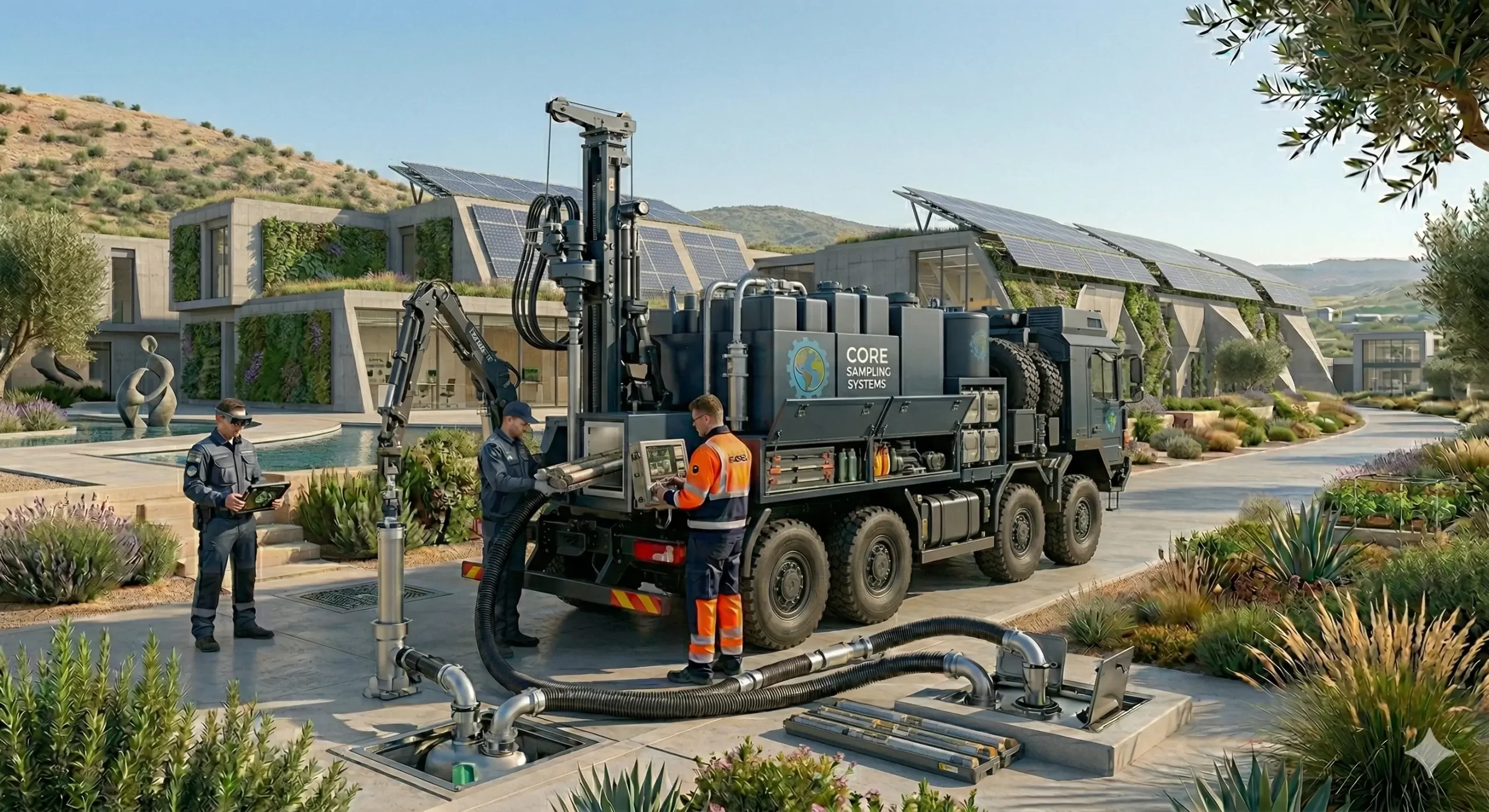
- Sludge Judge: A clear, hollow tube with a check valve on the bottom. I lower it down into your tank to pull up a core sample. This lets me physically see and measure the exact thickness of your scum and sludge layers. No guesswork.
- Fiber Optic Push Camera: A waterproof camera on a long, flexible rod. I can run this down your pipes, into the tank, and even into the drainfield lines to find cracks, collapses, root intrusion, or blockages without digging up your entire yard.
- Soil Core Sampler: Looks like a big T-handled corkscrew. I use this to pull up samples of soil from your drainfield area at different depths. This tells me about soil composition, checks for a restrictive biomat layer, and can identify the seasonal high water table. Crucial for diagnosing drainfield failure in Alabama clay.
- Effluent Filter Retrieval Hook: Modern systems have an effluent filter in the outlet baffle. They get clogged and need cleaning. Trying to pull one out by hand is a nasty, messy business. This long hook lets me grab it from the surface without getting my hands dirty.
- Terralift Drainfield Decompaction Machine: This is the big gun. It’s a machine that injects high-pressure air into the ground around your drainfield lines. It fractures the compacted soil and clogged biomat, and then we inject polystyrene beads to keep the new air passages open. It’s a powerful tool for rejuvenating a struggling field.
Your Burning Questions Answered (The Stuff You’re Afraid to Ask)
What exactly does ‘grandfathered’ mean for my Alabama septic system?
Look, ‘grandfathered’ is the most misunderstood word in my business. All it means is that your system was installed according to the rules that were in place *at the time of installation*. It does NOT mean it’s exempt from current public health laws forever. If the system is working perfectly and not causing any issues, the Alabama Department of Public Health (ADPH) will generally leave you alone. But the moment it fails—meaning it backs up, leaks, or surfaces effluent—that grandfather status is gone. Poof. You are now required to repair or replace it to meet *current* codes, which are much stricter.
Can I repair my old system, or am I forced to replace it? ️
It depends entirely on the problem. If you have a broken pipe between the house and the tank, or a broken baffle inside the tank, that’s usually a straightforward repair. We can fix that. However, if the problem is a failed drainfield (which is the most common failure for old systems), a repair is often not possible or practical. A saturated drainfield in our lovely Alabama clay soil is toast. At that point, the health department will require a permit for a new system. You can’t just dig a new trench next to the old one anymore; it’s a whole engineered process now.
What triggers a mandatory septic upgrade in Alabama?
There are three main triggers that will force your hand:
1. System Failure: As I’ve been hammering home, any sign of surfacing sewage or a backup that can’t be fixed with a simple repair means your free ride is over.
2. Change of Use / Major Renovation: If you’re adding a bedroom to your house, you’re increasing the potential wastewater load. The county will almost certainly require you to prove your septic system can handle it, which often means an upgrade to a system sized for the new, larger home.
3. Property Sale: While not a statewide law, many counties and almost all mortgage lenders now require a septic inspection before a property sale can be finalized. If that inspection reveals a failing or undersized system, the upgrade becomes a point of negotiation, and it usually has to be done before the sale can close.
Are cesspools or seepage pits legal in Alabama anymore? ☠️
Absolutely not. Cesspools and seepage pits are basically just holes in the ground that let raw sewage seep into the soil and groundwater. They haven’t been legal to install for new construction for many decades. If you have one and it’s working, it falls under the ‘grandfathered’ rule. But the second it fails, it MUST be replaced with a modern system consisting of a septic tank and an approved drainfield. There is no repairing or replacing a cesspool.
How does Alabama’s heavy rain and clay soil affect my old septic system? ️
It’s a double-whammy. First, our infamous red clay soil has very poor percolation, meaning water doesn’t soak through it easily. Old drainfields in clay soil get saturated and clogged with biomat over time. Second, when we get those massive Southern downpours or a tropical storm rolls through from the Gulf, the ground becomes super-saturated with rainwater. This can hydraulically flood your drainfield. If the ground is full of rainwater, there’s no room for your wastewater to go, so it backs up into your tank and eventually, your house. This is why systems that seem ‘fine’ most of the year will suddenly fail during the rainy season.
Technically Reviewed By:
BlixBase Master Plumber Team
20+ Years Septic Industry Experience | Certified System Inspectors