
That ‘Old Reliable’ in Your Backyard: Friend or Foe?
Hey there, neighbor. Let’s have a little chat, just you and me. We’re going to talk about something buried in your yard that you probably try not to think about: your septic system. Specifically, we’re talking about the ‘grandfathered’ ones. You know, the systems that were put in the ground back when a gallon of gas cost a quarter and safety regulations were… well, let’s just say they were a bit more ‘relaxed’.
In Georgia, a ‘grandfathered’ septic system is one that was installed before the current, much stricter environmental health codes were put in place. It means that as long as it’s functioning correctly and you don’t do any major renovations or have a catastrophic failure, the county health department generally lets it be. It sounds like a good deal, right? A free pass! But here’s the plumber’s truth: that ‘free pass’ could be costing you, your family’s health, and our shared Georgia environment more than you could ever imagine.
These older systems were often just a simple tank and a rock-filled trench. They were designed for a different time, a different population density, and without our modern understanding of hydrogeology and pathogen transport. They are, in essence, ticking time bombs of biological and chemical contamination, silently waiting beneath your beautiful Georgia lawn.

Keeping the Old Timer in Line: Maintenance Tips for Your Grandfathered System
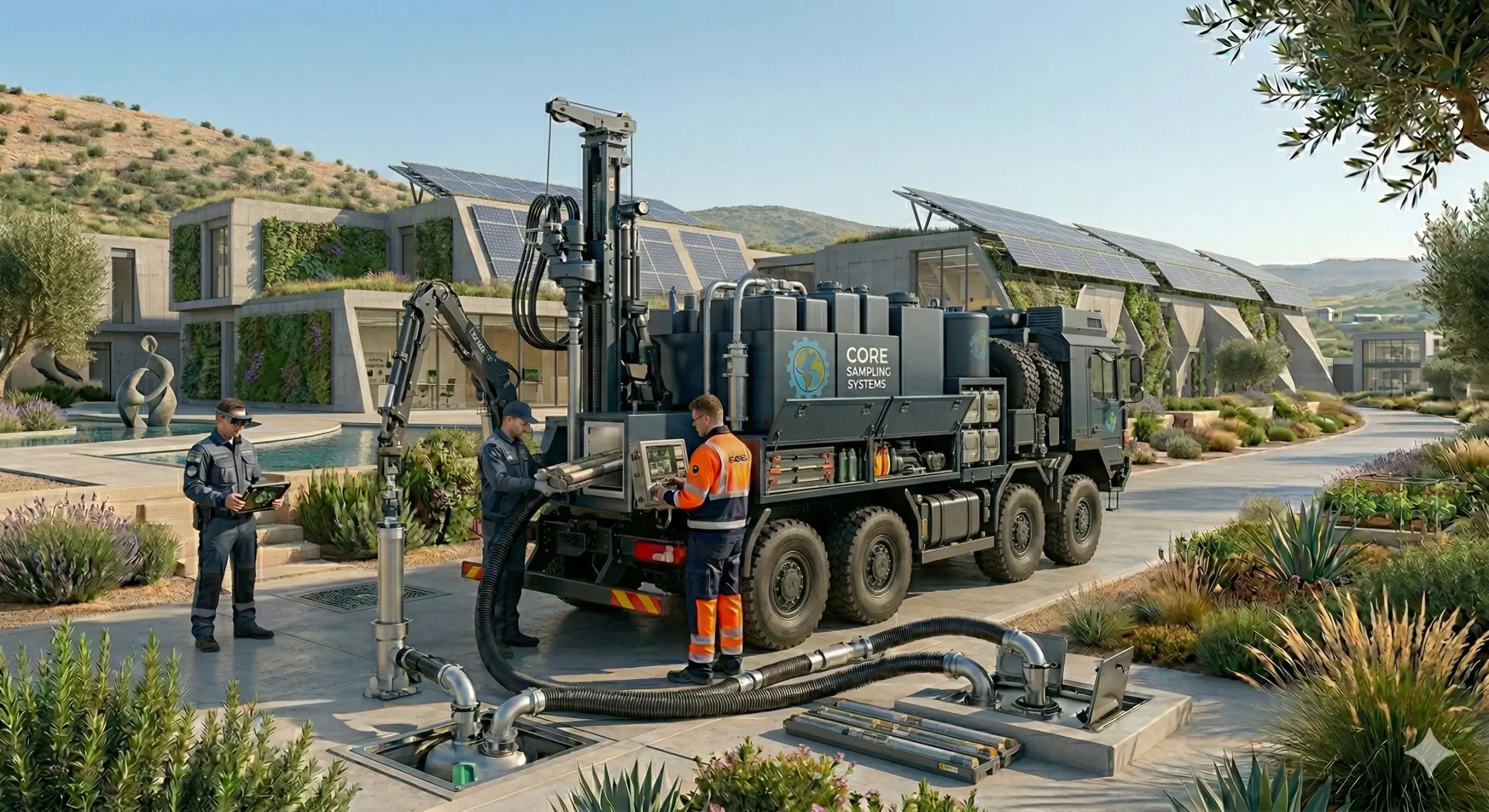
Alright, so you’ve got one of these vintage systems. Before we talk about the big-ticket items, let’s cover what you can do right now to extend its life and minimize its environmental impact. Think of it like maintaining a classic car; it needs more attention and a gentler touch than a brand-new model.
- Regular Pumping is Non-Negotiable: I can’t say this enough. For a typical family, you should be getting your tank pumped every 3 to 5 years. For an older, likely undersized grandfathered system, I’d lean closer to every 3 years. This removes the solids (the delightful term is ‘sludge and scum’) before they can get pushed out into your drainfield, clogging it up like hardened bacon grease in a pipe.
- Watch Your Water Usage: These old systems were not designed for modern families with high-efficiency washing machines running daily, long showers, and dishwashers. Every gallon you send down the drain has to be processed. Overwhelming the system pushes untreated effluent into the soil, and that’s where the trouble starts. Shorter showers, fixing leaky faucets, and spreading out laundry loads can make a huge difference.
- The Toilet is Not a Trash Can: The only things that should go down that drain are human waste and toilet paper. No ‘flushable’ wipes (they’re a lie!), no feminine hygiene products, no dental floss, no grease, no coffee grounds. Your septic tank has a delicate ecosystem of bacteria breaking down waste, and things like chemicals and grease are like poison to them.
- Protect That Drainfield!: The drainfield is the most critical and sensitive part of your system. It’s where the final filtration happens. Never, ever park cars on it or build anything over it. The weight compacts our dense Georgia red clay, suffocating the system. Be mindful of tree roots, too. Those big, beautiful Georgia pines and oaks have aggressive roots that will seek out the water in your drainfield lines and choke them completely.
The Unpleasant Math: A Cost Breakdown of Neglect vs. Action
Nobody likes talking about money, but ignoring a septic problem is like ignoring a toothache. It’s only going to get more painful and a lot more expensive. Here’s a realistic look at the costs you might face here in Georgia, from simple maintenance to a full-blown environmental cleanup. Proactive care saves money. See what our local experts in Mountain Brook, AL can do for your system.
| Service / Item | Typical Georgia Cost Range | Consequence of Skipping |
|---|---|---|
| Routine Septic Tank Pumping | $300 – $600 | Guaranteed premature drainfield failure. |
| Septic System Inspection | $400 – $700 | Flying blind; you won’t know a problem exists until it’s a catastrophe. |
| Drainfield Repair / Rejuvenation | $2,500 – $8,000+ | Raw sewage surfacing in your yard; groundwater contamination begins. |
| Full System Replacement (to code) | $8,000 – $25,000+ | Often legally required after failure; protects property value and health. |
| Environmental Cleanup & Fines | $10,000 – $50,000+ | Mandated by Health Dept/EPD for contaminated wells, soil, or waterways. |
Frequently Asked Questions From Your Neighbors
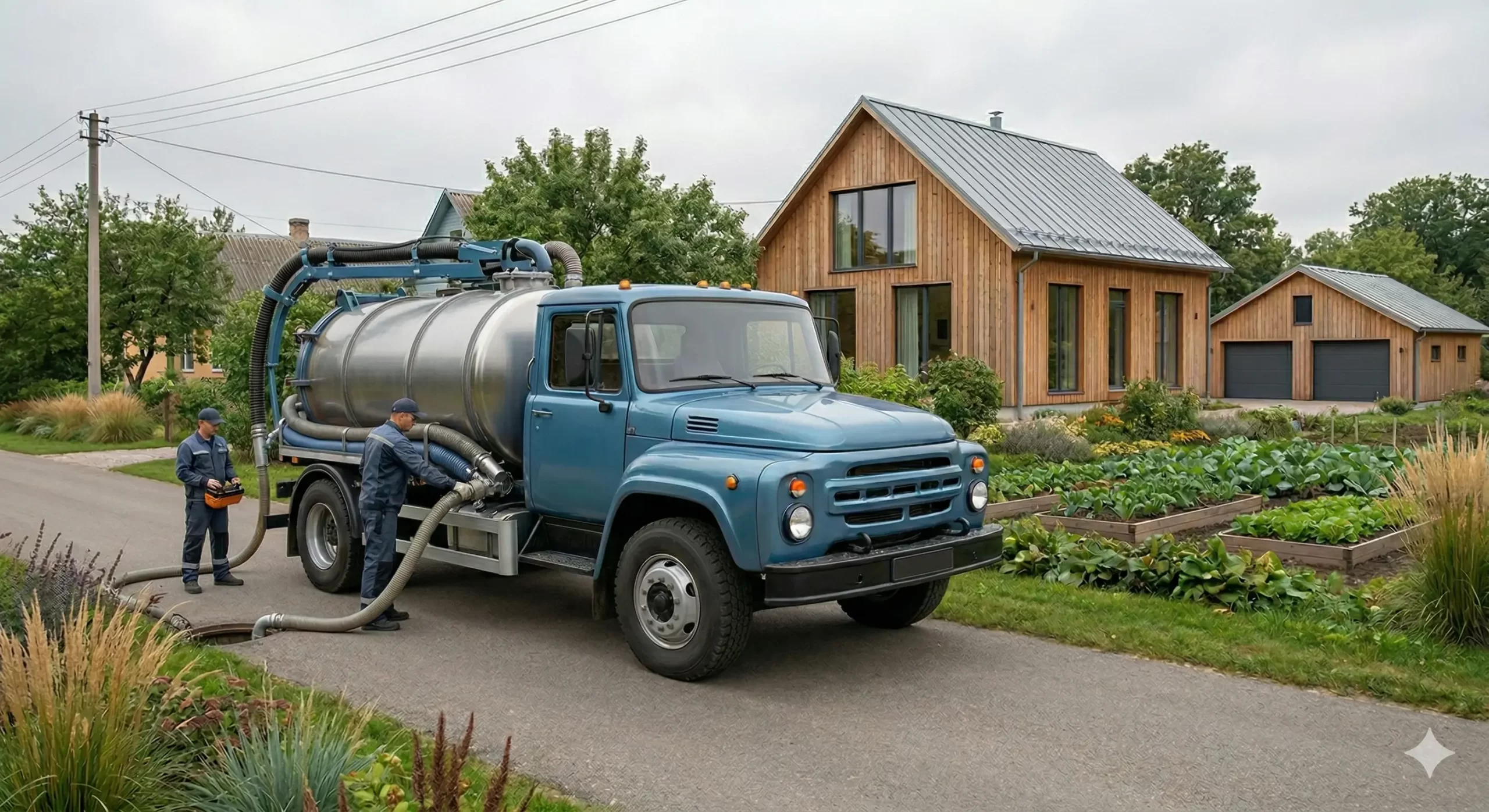
What exactly *is* a “grandfathered” septic system in Georgia?
A grandfathered system is a septic system that was legally installed before the current Georgia Department of Public Health environmental regulations were enacted. It doesn’t have to meet modern standards for size, design, or setback distances from wells and property lines. It’s ‘allowed’ to remain as is, *unless* it fails, or you perform major construction on your home (like adding a bedroom), which would then trigger a mandatory upgrade to current code.
Am I legally required to upgrade my functioning grandfathered system?
Generally, no. If the system is not showing signs of failure (like sewage on the ground or contamination), you are not typically forced to upgrade without a reason. However, the key trigger points for a mandatory upgrade are: 1) System failure, confirmed by the county health department. 2) A major home renovation or addition, especially one that adds a bedroom or significant plumbing fixtures. 3) The sale of the property, as many lenders and savvy buyers will require an inspection and often an upgrade as a condition of the sale.
How does Georgia’s famous red clay soil affect my old septic system?
Ah, the Georgia Red Clay. It’s beautiful, but it’s a challenge for septic systems. Clay has very low permeability, meaning water moves through it very slowly. Older grandfathered systems often lack the size and design to cope with this. Over time, the clay pores get clogged with a biological mat (biomat), becoming even less absorbent. This leads to effluent—partially treated wastewater—surfacing in your yard or backing up into your house, especially after our heavy Georgia rainstorms.
Can a failing septic system really make my own well water unsafe to drink?
Absolutely, and this is the most terrifying risk. Older systems often violate modern setback rules, meaning the drainfield might be dangerously close to your (or your neighbor’s) well. When the system fails, it releases a plume of effluent containing pathogenic bacteria (like E. coli, Salmonella), viruses (Hepatitis A), and high levels of nitrates. This contaminant plume can migrate through the soil and directly into the aquifer your well draws from. You could be drinking contaminated water and not know it until your family gets sick. Nitrates are especially dangerous for infants, causing a condition called blue baby syndrome.
The Progression of Failure: A Danger Level Timeline
A septic system doesn’t just fail overnight. It’s a slow, creeping death that gives you plenty of warning signs—if you know what to look for. Here’s how a typical grandfathered system goes from ‘fine’ to a full-blown biohazard. Need immediate assistance? Find trusted septic tank pumping in Duncanville, TX right away.
- Year 1-5 (The Honeymoon Phase): The system is managing, but the biomat in the drainfield is slowly starting to thicken. You notice nothing. Life is good.
- Year 5-10 (The Gurgling Warnings): You start to hear gurgling sounds from your drains. Toilets might flush a bit slower, especially on laundry day. This is the system telling you it’s struggling to accept more water because the drainfield is becoming less permeable.
- Year 10-15 (The First Alarms): A patch of grass over the drainfield is suspiciously green and lush, even in a dry spell. This is because it’s being fertilized by nutrient-rich effluent that is no longer percolating deep into the soil. You might also notice damp spots or a faint, musty odor after a heavy rain. This is a critical warning sign.
- Year 15+ (Catastrophic Failure): You have standing, foul-smelling water in your yard. Drains back up into your tubs and showers. This isn’t just a plumbing problem; it’s a Class 1 biohazard. Your system is now actively discharging untreated sewage, contaminating the soil, surface water, and potentially the groundwater that feeds your well. The health department can now legally compel you to perform a full, expensive system replacement.
The Deep, Dirty Truth: Your Septic and Georgia’s Environment
Let’s get technical for a minute. This isn’t just about a stinky yard. A failing grandfathered septic system is a direct assault on our local Georgia ecosystem. When your system fails, it releases a cocktail of pollutants that have severe consequences.
The primary threat is **pathogenic and viral contamination of groundwater**. Your grandfathered system was not designed to effectively remove microscopic terrors like E. coli, Giardia, or Norovirus. These pathogens travel with the wastewater plume, moving through the soil profile and directly into the surficial aquifer. If your well taps this aquifer, you have a direct conduit of disease into your kitchen tap. This is a public health crisis waiting to happen. We also provide specialized local support—see our Prosper, TX service page for details.
Next is **nutrient loading and eutrophication**. Sewage effluent is packed with nitrogen and phosphorus. Modern systems are designed to mitigate this, but old ones are not. These nutrients run off into our beautiful Georgia streams, rivers, and lakes. This causes explosive algal blooms that turn the water green and choke out all oxygen, a process called eutrophication. The result? Massive fish kills and dead zones where aquatic life cannot survive. Your failing system could be single-handedly destroying the ecosystem of a local creek. If you smell sewage or hear gurgling, contact our Tuscumbia, AL septic repair specialists immediately.
The Cautionary Tale of ‘Barefoot Bob’ and His Soggy Backyard
Let me tell you a story about a fella I knew, we’ll call him Bob. Bob lived over in a nice rural spot, had a well, and an old septic system from the 70s. He was proud of it. “Never had a problem!” he’d say. But then the problems started. A little gurgle here, a slow drain there. Then that one patch of grass in the backyard got real green. His wife mentioned it, but Bob, being Bob, just said, “Free fertilizer!” and went on mowing it.
He’d let the grandkids run barefoot through that lush, green grass. The family dog loved to dig there. One summer, after a week of heavy Georgia thunderstorms, it happened. The toilets backed up. The yard was a soupy, stinking mess. But the worst part wasn’t the smell. The grandkids got sick with a nasty stomach bug that wouldn’t quit. Then the dog got sick. A neighbor downstream called the county because their creek, where their kids fished for bream, suddenly smelled like a sewer.
The health department came out. They tested Bob’s well water. Coliform bacteria: off the charts. Nitrates: dangerously high. His ‘grandfathered’ system had completely failed, contaminating his own drinking water and creating a plume of pollution that was heading right for his neighbor’s well. Bob wasn’t just facing a septic replacement anymore. He was facing an emergency order to vacate, a mandated well disinfection, soil remediation costs, and the terrible guilt of knowing his neglect had put his own family’s health in jeopardy. Bob’s ‘free pass’ ended up costing him over $40,000 and the trust of his neighbors. Don’t be Bob.
What Our Customers Are Saying
⭐⭐⭐⭐⭐ – Sarah M., North Georgia
“Our home, built in the 80s, had its original septic system. We had no idea how close it was to our well until we had it inspected. The team didn’t just try to sell us a new system; they educated us on the environmental risks of our old ‘grandfathered’ setup. The peace of mind knowing our drinking water is safe from contamination is priceless. The upgrade was a big investment, but it was the responsible thing to do.”
⭐⭐⭐⭐⭐ – David R., Coastal Georgia
“With our high water table, I was always worried about our old septic system. After a heavy rain, our yard would get ‘spongy.’ The experts came out and showed me exactly how the failing system was threatening the local marshland. They engineered a modern, environmentally friendly system that could handle our soil. A totally professional and necessary service to protect our property and local waterways.”
Your Responsibility as a Georgia Homeowner
Look, owning a home with a septic system, especially an old one, comes with a profound responsibility. It’s not just a private waste disposal unit; it’s the first and last line of defense for the groundwater beneath your feet. Upgrading a grandfathered system isn’t just about complying with regulations or fixing a smelly problem. It’s about being a good steward of the land. It’s about protecting your family’s health, your neighbor’s well, and the delicate balance of Georgia’s natural beauty.
If you have an older home, and you’re not sure about the state of your septic system, don’t wait for the gurgles, the smells, or the soggy yard. Be proactive. An inspection is a small price to pay for peace of mind and the preservation of our shared environment. Don’t let your ‘free pass’ become a legacy of pollution. To get a customized pumping schedule, feel free to speak with our local representatives in Williston, FL.
Technically Reviewed By:
BlixBase Master Plumber Team
20+ Years Septic Industry Experience | Certified System Inspectors