
Alright, let’s get this over with. I’ve been pulling junk out of septic tanks for over thirty years, and I can tell you two things for sure: people will try to flush anything, and gravity always wins. The question of the day is, ‘Can you flush condoms with a septic system?’ The short answer is no. The long answer is what you’re about to read, and you should pay attention if you want to avoid giving me a call at 2 AM on a holiday weekend with sewage backing up into your shower. Dealing with a sudden sewage issue? Rely on our emergency septic team in Robertsdale, AL.
You think your septic system is some kind of magical underground stomach that digests whatever you throw at it. It’s not. It’s a surprisingly delicate biological ecosystem, and treating it like a trash can is the fastest way to drain your bank account. So let’s talk science, dollars, and the disgusting reality of what happens when you make this mistake.

What Does a Condom-Related Clog Actually Look Like?
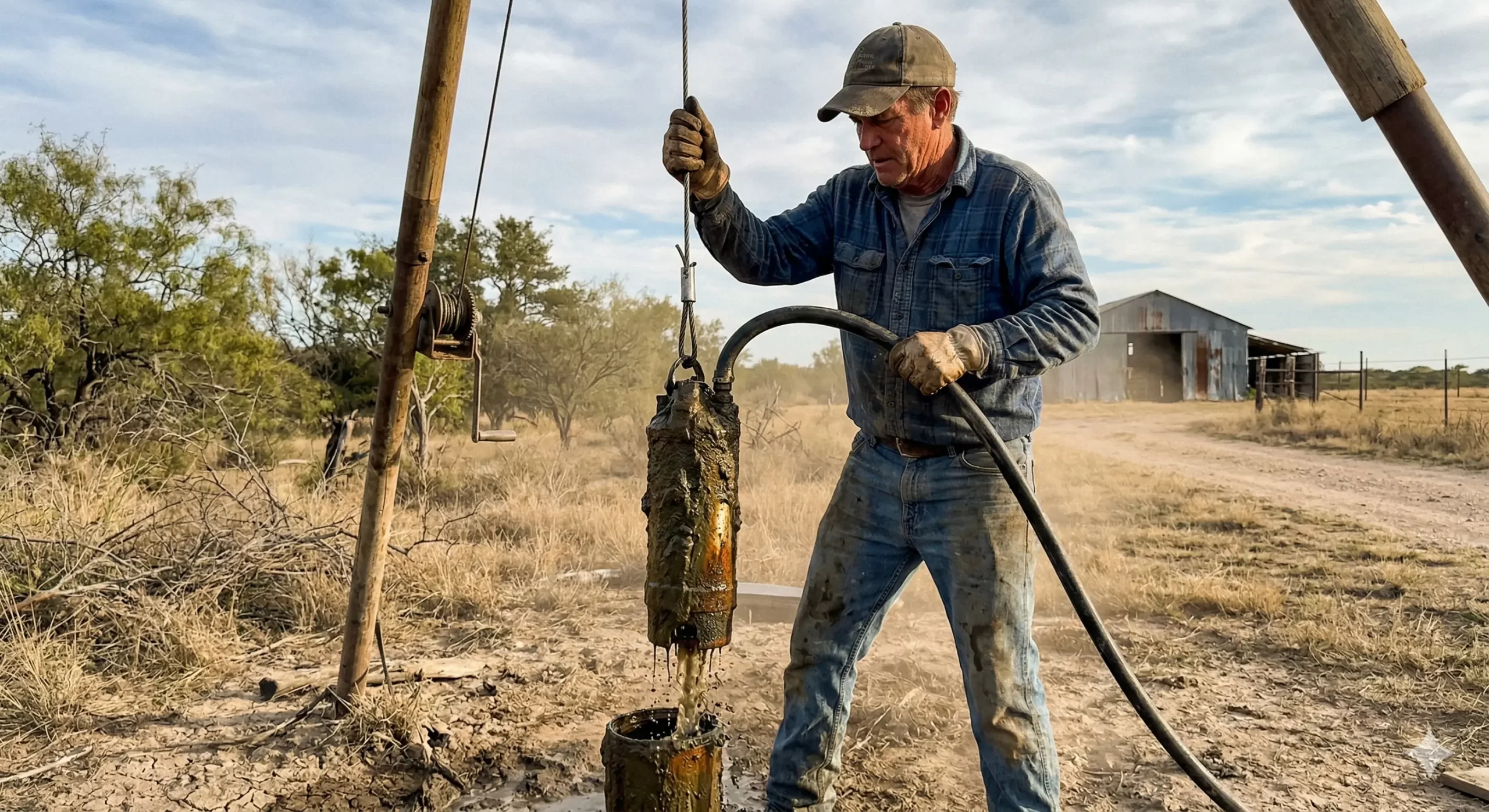
Let me paint you a picture. A few years back, I got a call to a nice, newer home in a subdivision. The family was frantic—drains backing up, toilets gurgling, the whole nine yards. They swore up and down they only flushed toilet paper. They were blaming the builder, the county, everyone but themselves. Dealing with a sudden sewage issue? Rely on our emergency septic team in Los Fresnos, TX.
I popped the lid on their septic tank, and the problem was immediately obvious. The inlet baffle, the part that’s supposed to direct waste down into the tank, was completely blocked. But it wasn’t just one thing. It was a monstrous, greasy clog formed around a central core. And what was that core? A tangled, matted ball of so-called ‘flushable’ wipes, dental floss, and, you guessed it, dozens of latex condoms.
The condoms provided the non-biodegradable structure, and the wipes and grease clung to them, creating a blockage as solid as a brick. It took me hours with a power auger and a pump truck to clear that mess. The homeowners were mortified and about $900 poorer. They got off easy. If that clog had made it to their drain field, they’d have been looking at a full system replacement. For fast response times, get in touch with our septic professionals servicing Houston, TX.
Why Can’t Septic Bacteria Break Down a Condom?
This is where we get into the biology of your tank, so listen up. Your septic tank is not a chemical cesspool; it’s an anaerobic digester. This means it’s filled with bacteria that thrive in an oxygen-free environment. These microscopic workhorses are experts at one thing: breaking down organic human waste.
Here’s the process in a nutshell:
- Stratification: When waste enters the tank, it separates into three layers. The heavy solids sink to the bottom, forming the ‘sludge’ layer. Greases, oils, and soaps float to the top, forming the ‘scum’ layer. The relatively clear water in the middle is called ‘effluent’.
- Anaerobic Digestion: The bacteria get to work primarily in the sludge layer. They consume the organic matter, slowly reducing its volume and converting it into liquids and gases (like methane and hydrogen sulfide—that’s the rotten egg smell).
Now, where does a condom fit in? Nowhere. Condoms are typically made of latex, polyurethane, or polyisoprene. These are synthetic polymers, long chains of molecules engineered in a lab for strength and durability. Latex and polyurethane are, for all practical purposes, immortal in the anaerobic environment of your septic tank. The bacteria in your tank don’t have the enzymes to break down these complex, man-made materials. It’s like asking a cow to digest a plastic bag. It just sits there, forever.
It won’t break down. It won’t dissolve. It will either float in the scum layer or get tangled in the sludge, taking up precious volume and waiting to cause a blockage.
What’s the Financial Damage We’re Talking About?
People get cheap about proper disposal but think nothing of the thousands of dollars they’re risking. Let’s break down the potential costs of this seemingly small mistake. This isn’t theoretical; these are the numbers I write on invoices every week. We also provide specialized local support—see our Bastrop, TX service page for details.
| Service or Repair | Typical Cost Range | Reason for Service |
|---|---|---|
| Proper Disposal (Trash Can) | $0.01 (for a piece of tissue) | Preventative. Smart. |
| Emergency Septic Pumping | $400 – $800 | Tank is full of non-biodegradable solids causing a backup. |
| Line Jetting / Clog Removal | $500 – $1,200 | A ‘super-clog’ of condoms and wipes is blocking the inlet/outlet baffle. |
| Baffle Replacement | $600 – $1,500 | The weight and pressure of a clog broke the baffle. |
| Drain Field Replacement | $8,000 – $25,000+ | Catastrophic failure. Non-biodegradables have clogged the field. |
A new drain field can cost more than a brand new car. All because someone didn’t want to walk to the trash can. Let that sink in.
How Does a Condom Destroy the Drain Field?

If you’re unlucky, a condom can escape the septic tank and make its way into the drain field, also known as a leach field. This is the point of no return. The drain field is where the real magic of wastewater treatment happens, and it relies on delicate physics and biology that plastics and latex will absolutely demolish.
The effluent from your tank flows into a series of perforated pipes buried in gravel trenches. The water seeps out of these pipes and into the surrounding soil. Here’s where it gets technical:
- Soil Percolation: The ability of the soil to absorb water is called its percolation rate. Sandy soils drain fast, while heavy clay soils, common in places like the Midwest, drain very slowly and are unforgiving.
- The Biomat: As the effluent enters the soil, a slimy layer of anaerobic and aerobic bacteria forms around the gravel trench. This ‘biomat’ is a living filter. It consumes the last of the organic waste, viruses, and pathogens in the water, purifying it before it returns to the groundwater.
- Biological Oxygen Demand (BOD): This is a measure of how much oxygen the bacteria in the biomat will need to consume to break down the organic waste in the effluent. A healthy septic tank sends out low-BOD effluent. A failing tank, clogged with solids and not digesting properly, sends out high-BOD effluent, which overloads and clogs the biomat, suffocating it.
A condom that gets into these perforated pipes is a killer. It can directly block one of the holes, causing effluent to pool and create a wet, smelly spot in your yard. Or, it can get lodged in the pipe, causing a backup that pressurizes and destroys the entire line. It completely disrupts the physics of percolation and starves the biomat of the steady, slow flow it needs to survive. The result is a dead, clogged drain field that no amount of pumping can fix. Your only option is a full, expensive replacement.
What is the Timeline for System Failure?
This isn’t an overnight disaster. It’s a slow, creeping death for your septic system. Here’s what the progression of failure looks like if you make a habit of flushing things you shouldn’t.
- Year 1-2 (The Honeymoon Phase): The system seems to be working perfectly. The flushed condoms and wipes are sinking into the sludge layer or floating in the scum. They are taking up volume, but not enough to cause noticeable symptoms yet. The clock is ticking.
- Year 2-4 (The First Warning Signs): You might notice your drains are running a little slower than they used to. This is because the solid layers are building up much faster than the bacteria can process the organic parts, reducing the tank’s effective capacity. You’re having to pump more often than your neighbors.
- Year 4-5 (The Point of No Return): You hear gurgling sounds from your toilets and drains. There’s a faint, foul odor near the septic tank or over the drain field. The non-biodegradable solids have now displaced so much volume that they are starting to block the inlet or outlet baffles. High-BOD effluent is now regularly flowing into your drain field, poisoning the biomat.
- Year 5+ (Catastrophic Failure): Raw sewage is backing up into your bathtubs and floor drains. The drain field is a soggy, smelly swamp. The biomat is dead, the soil is compacted and clogged, and the entire system has failed. You are now facing a public health hazard and an enormous replacement bill.
How Do I Know If My Septic System Is Already in Trouble?
Maybe you’re reading this article a little too late. If you suspect you’ve got a problem brewing underground, here are the tell-tale signs of a struggling or failing septic system. If you notice any of these, stop flushing anything but waste and toilet paper immediately and call a professional.
- Slow Drains: If all the drains in your house (sinks, showers, toilets) are draining slowly, the problem isn’t a simple hair clog. It’s likely a system-wide issue originating at the septic tank.
- Gurgling Sounds: Air is being displaced in your pipes because they aren’t draining properly. That gurgle is the sound of a system gasping for air.
- Foul Odors: If you can smell sewage in your yard, particularly around the tank or the drain field area, it means wastewater is coming to the surface or sewer gases are escaping.
- Suspiciously Green Grass: A patch of lawn over your drain field that is suddenly much greener and more lush than the rest of your yard is a classic sign of failure. The lawn is being over-fertilized by untreated effluent seeping to the surface.
- Plumbing Backups: This is the most obvious and final sign. If sewage is coming back up through your drains, the system can no longer accept any more water. It’s a full-blown emergency.
Don’t Just Take My Word For It
⭐⭐⭐⭐⭐
Finally, an Honest Answer
“We had two other companies come out and give us vague, expensive quotes. Frank came out, took one look, and told us exactly what was wrong—a clog from ‘flushable’ wipes the previous owners had used. He explained the science behind our septic system in a way we could actually understand. He didn’t try to upsell us on a new system, just fixed the problem and told us how to prevent it. No-nonsense and worth every penny.”
– The Miller Family
⭐⭐⭐⭐⭐
Saved Us From a Disaster
“Our drains were getting slow and we were starting to notice a smell. Frank identified that our outlet baffle was getting clogged and our drain field was on the verge of failing. He pumped the tank, cleared the blockage, and gave us a strict list of ‘do’s and don’ts’. His grumpy advice saved us from what would have been a $20,000 drain field replacement. Can’t thank him enough.” We understand the specific environmental rules for your region. Learn more from our experts in Miami Springs, FL.
– David R.
Seriously, can just one condom cause a problem?
Look, is one drop of rain a flood? No. But the problem is that it’s never just one. It’s a bad habit. A single condom might get lucky and stay in the sludge layer until your next pump-out. But it could also get caught on the outlet baffle on day one and start a clog that very day. The risk is never zero, and the consequences of being wrong are enormous. It’s just not worth it.
What are condoms actually made of?
Most are made from natural rubber latex. Others are made from synthetic materials like polyurethane or polyisoprene for people with latex allergies. None of these materials are biodegradable in an anaerobic (oxygen-free) environment. They are plastics. They are designed to be durable and impermeable, which are the exact opposite qualities of something you’d want in a septic system.
What other items should absolutely never be flushed into a septic system?
The list is long, but here are the worst offenders I see every day: ‘flushable’ wipes (they do not break down), feminine hygiene products (tampons, pads), paper towels, dental floss, cotton swabs, cat litter, cooking grease/oil, coffee grounds, and any harsh chemical cleaners or paint. The rule is simple: if it’s not human waste or septic-safe toilet paper, it goes in the trash.
Does my homeowners insurance cover a failed septic system?
Almost never. Standard homeowners insurance policies typically exclude coverage for septic system backups or failures, especially if the failure is due to owner negligence and lack of maintenance—which is exactly what flushing improper items falls under. You will almost certainly be paying for this out of your own pocket.
So How Do I Keep My Septic System From Failing?
It’s not complicated. You just have to stop thinking of your toilet as a portal to another dimension and start treating your septic system with a little respect. It’s a vital piece of your home’s infrastructure.
- The Golden Rule: Only human waste and septic-safe toilet paper go down the drain. Nothing else. Not ever. Put a small trash can in every bathroom and use it.
- Regular Pumping: Get your tank pumped by a professional every 3 to 5 years. This removes the accumulated sludge and scum that the bacteria can’t fully break down, including any garbage that accidentally got flushed.
- Be Smart with Water: Don’t overload the system. Spreading out laundry loads over the week is better than doing ten loads on a Saturday. Fix leaky faucets and running toilets immediately.
- Protect Your Drain Field: Never drive or park heavy equipment over your drain field. Don’t plant trees or large shrubs on top of it, as roots can destroy the pipes.
Follow those rules, and you’ll probably never have to see my grumpy face at your door. Ignore them, and well, you know who to call.
Technically Reviewed By:
BlixBase Master Plumber Team
20+ Years Septic Industry Experience | Certified System Inspectors