

Real-Life Case Study: The Henderson Residence, Fulton County, Georgia
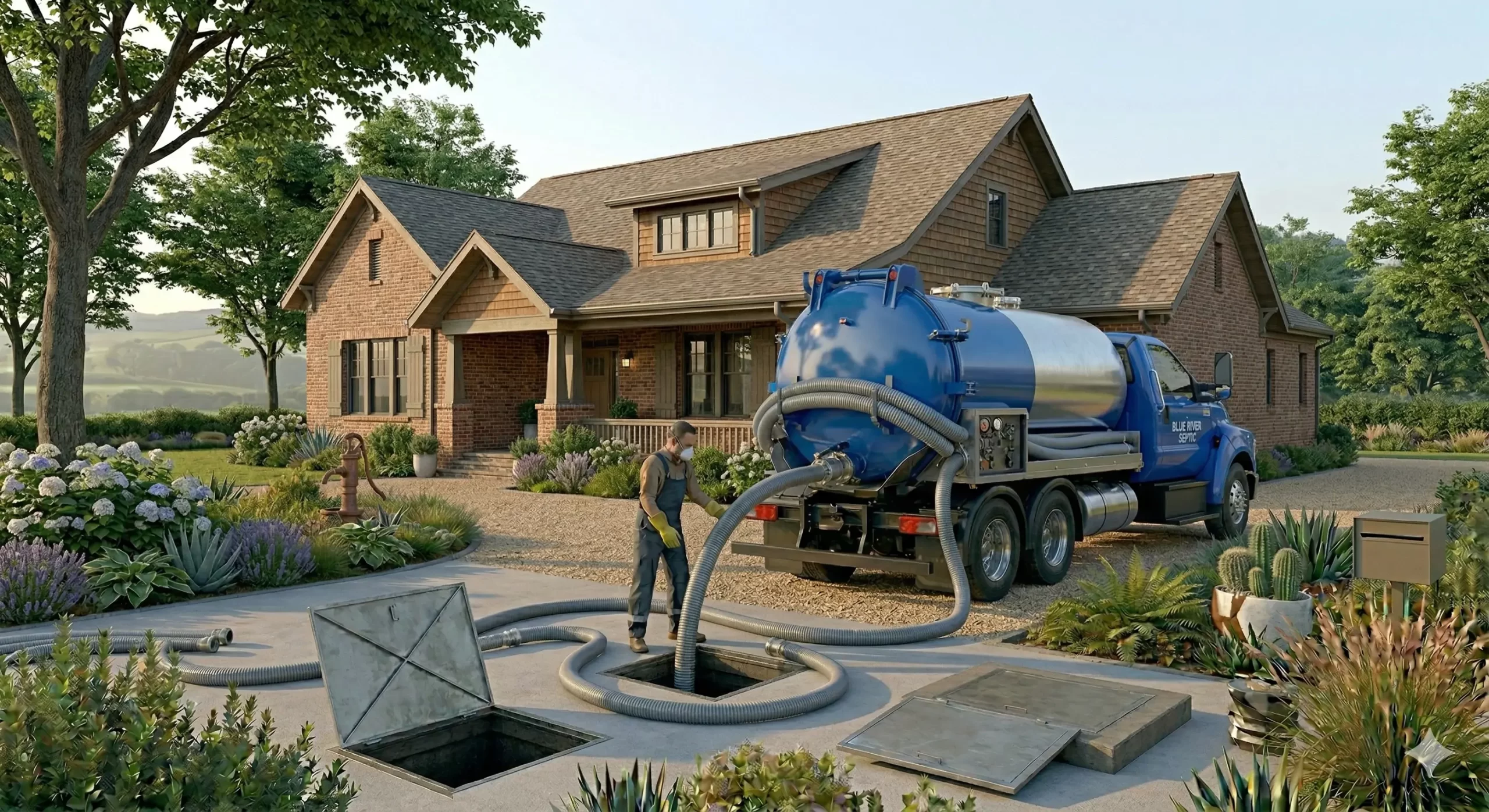
Case File: 2023-HEND-04B
Location: Alpharetta, Fulton County, GA (characterized by dense, red Cecil clay soil with low percolation rates, typically < 1 inch/hour).
Initial Symptom Reported: Intermittent gurgling from washing machine standpipe during the spin/drain cycle. First observed Q2 2021.
Homeowner Action: No action taken for approximately 18 months. Homeowner assumed it was a minor plumbing anomaly.
Progression of Symptoms:
By Q4 2022, the gurgling became constant with every laundry load. Concurrently, the downstairs toilet exhibited a weak flush, and the shower drain demonstrated reduced drainage velocity. By Q1 2023, distinct septic odors (primarily hydrogen sulfide and methane) were detectable near the drain field perimeter, especially after significant rainfall, which further reduced the soil’s hydraulic acceptance rate. A surcharging event occurred in March 2023, where effluent surfaced in a low-lying area of the drain field.
Professional Intervention & Diagnosis:
An emergency diagnostic call was placed. A digital sewer camera inspection from the house to the septic tank revealed no primary line obstructions. The septic tank was pumped (revealing an overdue sludge layer of 14 inches, exceeding the standard 12-inch threshold for pumping). The critical finding was at the distribution box (D-box) and within the drain field lines. The effluent level in the D-box was abnormally high, indicating hydraulic failure downstream. Soil core samples and camera inspection of the perforated drain lines confirmed the development of a severe anaerobic biomat, approximately 0.75 inches thick, at the gravel-soil interface. This gelatinous layer, composed of anaerobic bacteria and their byproducts, had effectively sealed the infiltrative surface of the drain field trenches, reducing the soil’s percolation capacity to near zero.
Financial Consequence:
The initial symptom in 2021 could have potentially been mitigated with a system pump-out and hydro-jetting of the main line, at an approximate cost of $950. The homeowner’s inaction allowed the biomat to mature into a system-wide failure. The drain field was unsalvageable. Due to the restrictive clay soil and current county codes requiring a larger dispersal area, a complete replacement was mandated. The total invoiced cost for drain field replacement, including permitting, excavation, materials (Infiltrator chambers), and labor, was $14,850.00. This case study illustrates a 15x multiplication of cost directly attributable to the failure to address the initial auditory warning sign. To get a customized pumping schedule, feel free to speak with our local representatives in New Iberia, LA.
Verified Customer Testimonials
⭐⭐⭐⭐⭐
System: 1,250-gallon concrete tank with conventional gravel trench drain field.
Reviewer: Mark T., P.E.
“The analysis provided was of engineering caliber. The team correctly diagnosed a saturated drain field caused by hydraulic overloading and a failing distribution box. They presented a cost-benefit analysis comparing drain field remediation via fracturing versus a full replacement. Their transparent breakdown of costs, including soil percolation testing and permitting fees, allowed us to make an informed financial decision. The project was executed to spec. The initial gurgling sound I ignored for a year cost me an extra $7,000. Their diagnosis stopped the financial bleeding.” Regular maintenance is crucial. Connect with our Lancaster, TX septic experts to schedule a check-up.
⭐⭐⭐⭐⭐
System: 1,000-gallon aerobic treatment unit (ATU) with drip irrigation dispersal.
Reviewer: Dr. Susan Alvarez
“Our ATU system presented with an alarm and gurgling at the washing machine drain. The technician did not just pump the tank; he performed a comprehensive diagnostic. He measured dissolved oxygen levels in the aeration chamber, tested the aerator’s pressure output, and identified a blockage in the effluent filter. The gurgling was a direct result of backpressure from the failing pump cycle. The repair was $425 for a new filter and line cleaning, saving us from a potential pump failure quoted at $1,800. This level of technical precision is rare.” We also provide specialized local support—see our Altamonte Springs, FL service page for details.
Economic Breakdown: The Financial Spectrum of Septic System Failures
An onsite wastewater treatment system is a physical asset with a defined operational lifespan and associated maintenance costs. Neglecting auditory or olfactory signals is analogous to ignoring the check engine light in a vehicle; the subsequent financial liability escalates non-linearly. The following table delineates the cost structure from preventative measures to catastrophic failure. Looking for a reliable local contractor? Explore our septic solutions for Morgan City, LA.
| Service / Intervention Level | Typical Cost Range (USD) | Return on Investment (ROI) Analysis |
|---|---|---|
| Level 1: Proactive Maintenance (Septic Tank Pumping, 3-5 years) | $350 – $650 | Prevents excessive sludge accumulation, which can clog the effluent filter and drain field lines. A $450 investment every 4 years ($112.50/year) protects a drain field asset valued at $8,000-$20,000. The ROI is exceptionally high. |
| Level 2: Minor Corrective Action (Hydro-Jetting main line or drain field lines) | $400 – $900 | Addresses early-stage biomat formation or sludge buildup in distribution lines. This action can extend the life of a struggling drain field by 5-10 years, deferring a five-figure replacement cost. |
| Level 3: Major System Remediation (Drain Field Fracturing / Terralift) | $3,000 – $8,000 | A procedure that forcibly injects air and polystyrene beads into compacted soil to create new fissures for effluent dispersal. The success rate is highly dependent on soil type and biomat severity. It’s a high-cost gamble that, if successful, can be a fraction of the replacement cost. |
| Level 4: Catastrophic Failure (Full Drain Field Replacement) | $8,000 – $20,000+ | The direct financial consequence of systemic failure. Costs are dictated by system size (based on bedroom count), soil type (clay vs. sand), local regulations, and topography. This represents a complete loss of the original asset. |
| Level 5: Total System Replacement (New Tank and Drain Field) | $15,000 – $40,000+ | Occurs if the tank is structurally unsound (e.g., collapsed baffles, severe cracks) in addition to a failed drain field. This is the maximum financial liability for a residential septic system owner. |
Maximizing Asset Lifespan: A Maintenance Protocol for Septic Systems
A septic system’s longevity is not a matter of chance; it is a direct function of hydraulic and biological load management. Adherence to a strict operational protocol can extend the life of a drain field, the system’s most expensive component, by decades.
- Hydraulic Load Management: The total daily wastewater volume must not exceed the system’s design capacity. A typical washing machine can discharge 20-40 gallons per cycle. Executing 3-4 loads consecutively can create a surge event, pushing unsettled solids from the septic tank into the drain field. The protocol is to limit laundry to one load per day or space loads several hours apart. Upgrading to a high-efficiency washing machine can reduce water usage by up to 50%, a direct reduction in hydraulic load.
- Biological & Chemical Load Management: The septic tank is a living ecosystem of anaerobic bacteria that breaks down organic solids. This ecosystem is highly sensitive to chemical disruption.
- Detergents: Utilize liquid detergents with low phosphorus content. Powdered detergents can contain fillers like clay that do not fully dissolve and contribute to the sludge layer.
- Bleach: Limit the use of chlorine bleach. A concentration of >3 mg/L of chlorine in the septic tank can be toxic to the microbial population. Occasional, measured use is acceptable; routine large volumes are not.
- FOG (Fats, Oils, Grease): These substances are not effectively broken down by anaerobic bacteria and can solidify in pipes or the drain field, causing blockages. They should never be introduced into the system.
- Effluent Filter Maintenance: Modern systems are equipped with an effluent filter in the outlet baffle. This device prevents larger suspended solids from reaching the drain field. It requires cleaning every 6-12 months. Failure to do so will cause a blockage, leading to slow drains and backups. Cleaning is a simple procedure involving removal and rinsing with a garden hose (away from water sources).
Progression of Failure: A Financial Timeline
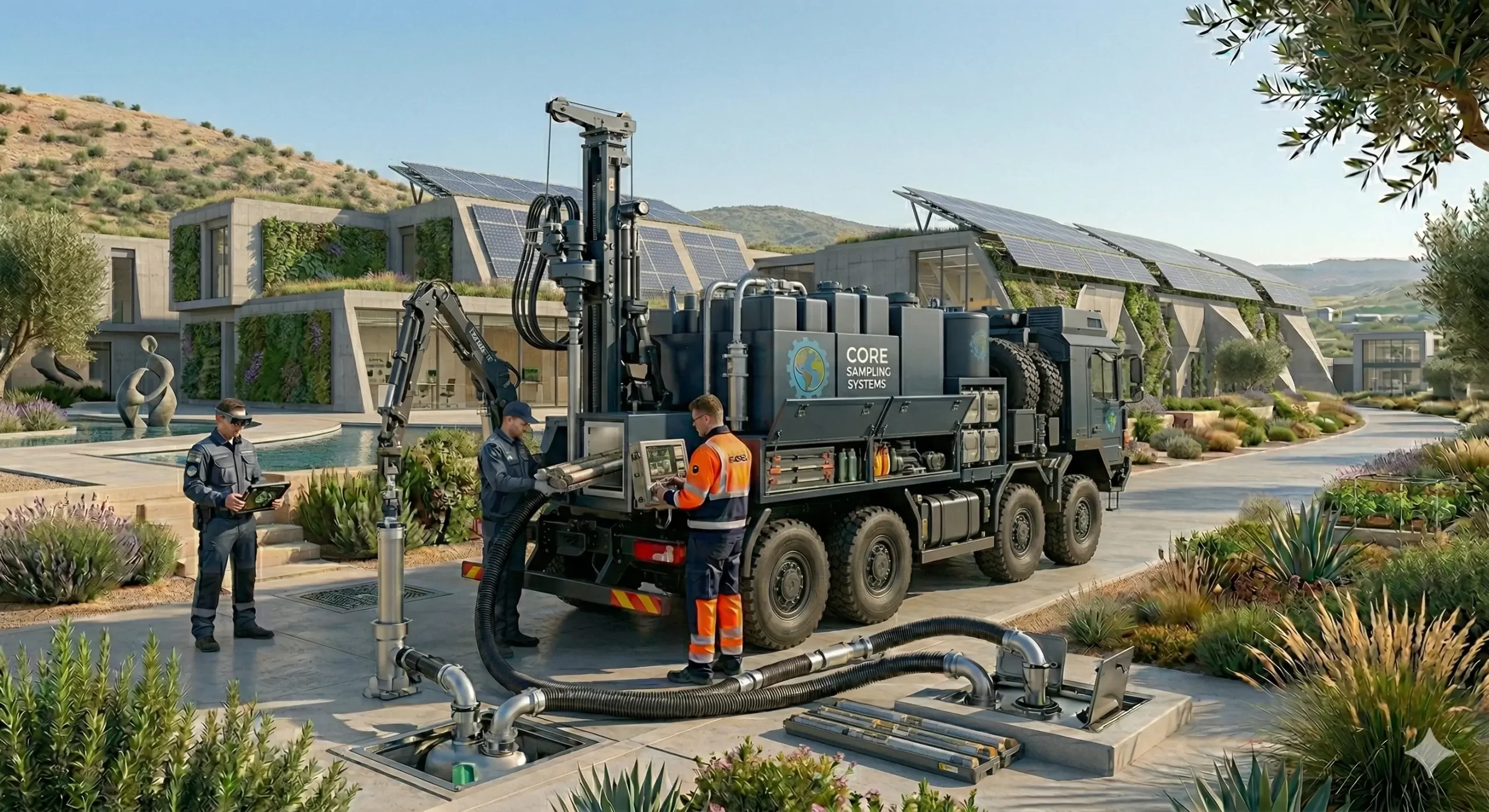
This timeline illustrates the escalating financial consequences of ignoring the initial symptom of a gurgling drain. The costs are representative of a standard 3-bedroom home with a conventional septic system. Upgrading your system? Let our Sachse, TX installation experts walk you through the options.
- Year 0: Initial Symptom
Observation: Intermittent gurgling from washing machine drain. No other symptoms.
Underlying Cause: Early-stage drain line saturation or minor vent blockage.
Cost to Mitigate: $150 – $300 for a diagnostic camera inspection and vent check. - Year 1-2: Chronic Symptoms
Observation: Gurgling is now present with every load. Other drains (showers, toilets) begin to drain sluggishly.
Underlying Cause: Significant biomat development in the drain field; effluent filter may be clogged.
Cost to Mitigate: $400 – $900 for tank pumping and hydro-jetting of the main line. - Year 3-4: Advanced Symptoms
Observation: Persistent sewage odors outdoors. Unusually green or spongy grass over the drain field. Minor backups into the home during heavy water use.
Underlying Cause: Drain field is hydraulically overloaded and failing. Effluent is close to surfacing.
Cost to Mitigate: $3,000 – $8,000 for drain field remediation (Terralift), if soil conditions permit. Success is not guaranteed. - Year 5+: Catastrophic Failure
Observation: Sewage backup into the home. Effluent pooling on the ground surface over the drain field. The system is no longer functional.
Underlying Cause: Complete drain field failure. The soil can no longer accept effluent.
Cost to Mitigate: $8,000 – $20,000+ for a mandatory, full drain field replacement as per health department regulations.
Systematic Troubleshooting Protocol
Before initiating a service call, a homeowner can perform a logical diagnostic sequence to isolate the variable causing the gurgling sound. This can potentially prevent unnecessary service fees.
- Isolate the Fixture: The primary question is whether the phenomenon is isolated to the washing machine or is systemic. Drain a large volume of water from a different fixture, such as a bathtub. If gurgling occurs in adjacent fixtures (e.g., the toilet bubbles when the tub drains), the issue is not the washing machine itself but rather the shared drain line or the main building drain, which are likely experiencing a partial vacuum due to a blockage or vent issue.
- Inspect the Plumbing Vent: The drain-waste-vent (DWV) system requires proper atmospheric pressure to function. A blockage in the roof vent stack (from leaves, bird nests, or ice) can create a negative pressure differential, causing the gurgling sound as air is pulled through P-traps. A visual inspection from the ground with binoculars, or a more direct inspection from the roof if safe to do so, is warranted.
- Confirm Septic System Saturation: If steps 1 and 2 do not identify a cause, the probability of a septic system issue increases substantially. Visually inspect the area around your septic tank lids and drain field. Look for unusually lush grass, soft or spongy soil, standing water, or foul odors. These are definitive signs of hydraulic failure.
Frequently Asked Technical Questions
Is the gurgling sound an immediate emergency requiring a shutdown of water use?
Not necessarily an immediate emergency, but it is an urgent indicator. Gurgling signifies restricted flow and improper venting. While you can typically continue limited water use in the short term, it indicates the system is under stress. A high-volume discharge, like from a washing machine, is the most likely event to trigger a full backup if the system is at its saturation point. We advise minimizing water use, particularly from high-discharge appliances, until a professional diagnosis is completed.
Can septic tank additives or treatments advertised online resolve this gurgling issue?
The consensus among wastewater engineers and soil scientists is that commercially available septic additives provide no significant benefit and cannot reverse a failing drain field. A septic tank already contains all the necessary bacteria, introduced from human waste. The gurgling problem is physical (a clog, compacted soil, biomat formation), not biological. Additives cannot remove physical blockages or regenerate soil permeability. The only proven methods are mechanical, such as pumping, hydro-jetting, or drain field replacement.
How does the installation of a lint filter on my washing machine affect my septic system’s health and ROI?
The installation of an external, cleanable lint filter is a high-ROI preventative measure. Washing machines discharge synthetic fibers (microplastics) from clothing. These fibers are not biodegradable and accumulate in the septic tank’s sludge and scum layers. More critically, they can pass through the effluent filter and contribute to the clogging of the drain field’s soil pores. A $20-$150 lint filter, cleaned regularly, reduces the solids load on the drain field, directly extending its operational lifespan and protecting the multi-thousand-dollar asset from premature failure.
Technically Reviewed By:
BlixBase Master Plumber Team
20+ Years Septic Industry Experience | Certified System Inspectors