
What Do I Do If My Drip System Is Alarming?
Okay, breathe. That high-pitched alarm from your control panel is a gut-punch. I get it. But panic is not a tool. Action is. Let’s move. NOW. ⏱️
Your drip septic system is a sophisticated piece of engineering, not just a hole in the ground. It has brains—a control panel—and that alarm is its way of screaming for help. Here’s your immediate action plan.
- Silence the Alarm. Inside your control panel (usually a grey box on the side of your house or a post), there’s a toggle switch or button labeled ‘Silence’ or ‘Mute’. Flip it. The red flashing light will likely stay on. That’s good. It’s your reminder that the problem isn’t gone.
- Check the Breakers. Go to your main home electrical panel. Find the breakers labeled ‘Septic’, ‘Pump’, or ‘Sewer’. Are any of them tripped? If so, reset them ONCE. If they trip again immediately, DO NOT touch them again. You have an electrical short. This is a job for a pro. ⚡
- Inspect the Headworks. This is the unit where your disc filters are. Is it leaking? Can you see any obvious cracks or loose fittings? This is the heart of the filtration system. A problem here starves the whole system.
- Look at the Pump Tank Riser. Carefully and safely lift the lid. Is the water level extremely high, near the top of the riser? This is a ‘high-water alarm’. It means the pump is failing to send effluent to the drip field. This could be a dead pump, a float switch failure, or a major clog.
- Walk the Drip Field. Cautiously walk the area where your drip lines are buried. Do you see any ‘surfacing’? That’s a polite term for treated wastewater pooling on your lawn. Look for unusually green, soggy, or smelly patches. This could indicate a major line break or a saturated field.
If you’ve run through these checks and the light is still on, it’s time to call for backup. You’ve done your part. Now let a pro diagnose the specific failure, whether it’s a pump, a float, a timer, or a control board. Time is critical. Every flush in the house is adding to the problem.

How Much Will This Actually Cost Me?
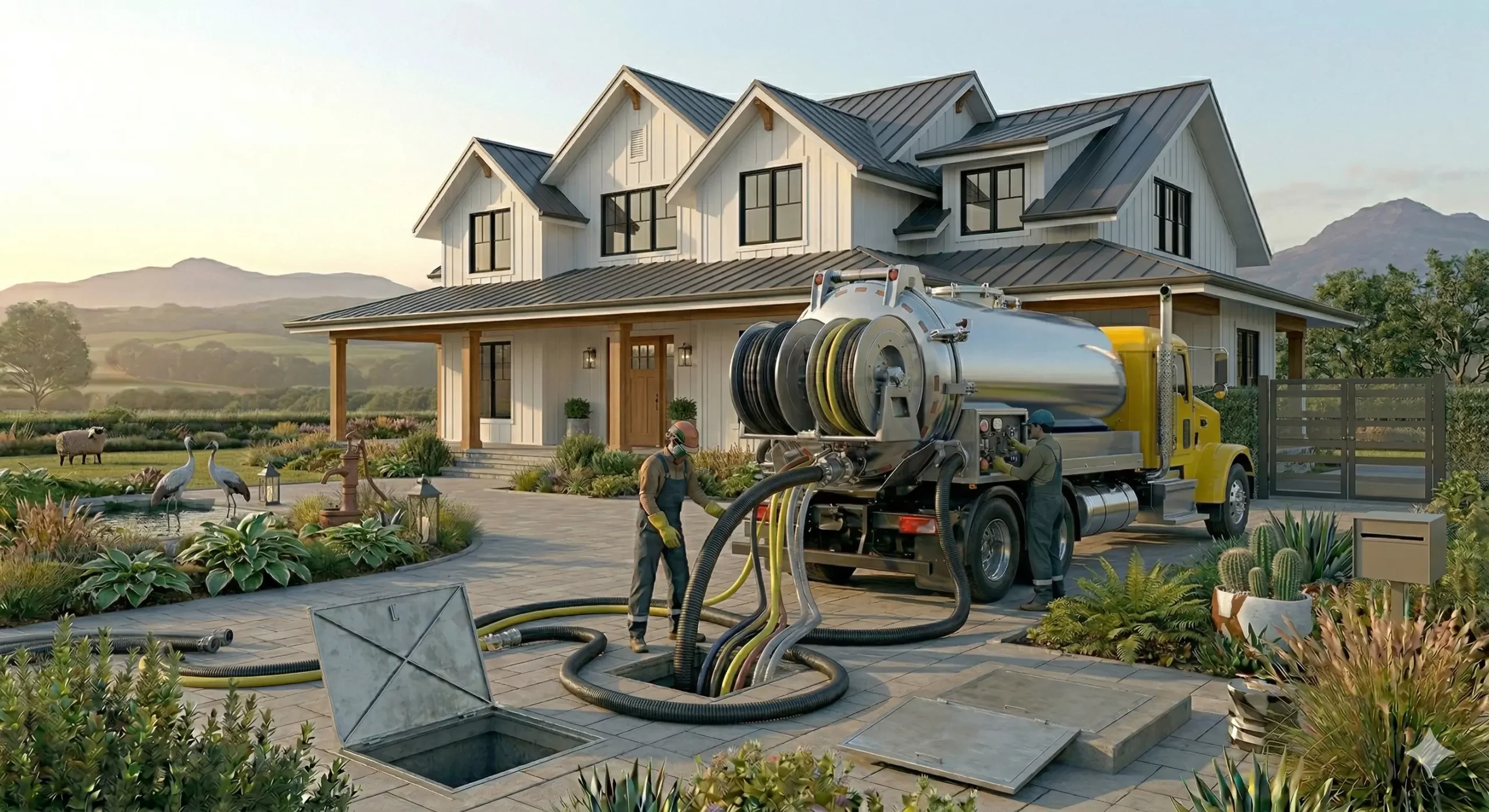
Let’s cut to the chase. Your wallet is worried. You see a failing system and you just see dollar signs flying away. It’s a valid fear. The cost difference between these two systems is significant, both upfront and over the long haul. There’s no sugar-coating it.
Here is a real-world cost breakdown. These are ballpark figures and can change based on your location (permitting fees, labor rates) and specific site challenges (rocky soil, steep slopes). This is based on a typical 3-bedroom home installation. For fast response times, get in touch with our septic professionals servicing Bryan, TX.
| Cost Factor | Conventional Gravity System | Drip Irrigation System |
|---|---|---|
| Initial Installation | $5,000 – $12,000 | $15,000 – $25,000+ |
| Required Land Area | Large (1,500+ sq. ft.) | Small / Flexible (600+ sq. ft.) |
| Required Maintenance | Low (Pump tank every 3-5 years) | Moderate (Annual filter cleaning, line flushing) |
| Annual Service Contract | Not typically required | $250 – $500 (Often required by counties) |
| Electricity Cost | None (Gravity) or Low (Pump) | Moderate (Runs pump multiple times daily) |
| Major Component Replacement | Leach Field ($10k-$20k) | Pump ($1.5k-$3k), Emitter Tubing ($3k-$6k) |
Why the huge price gap? A conventional system is brute force: dig a big trench, fill it with gravel and pipe. It’s labor and materials. A drip system is finesse: it requires an extra pump tank, a sophisticated control panel, specialized disc filters, hundreds of feet of emitter tubing, and more complex design and labor. You’re paying for the technology that allows you to live on a property that would otherwise be unusable.
Can a Drip System Really Save a ‘Failed’ Lot? A North Georgia Case Study ⛰️
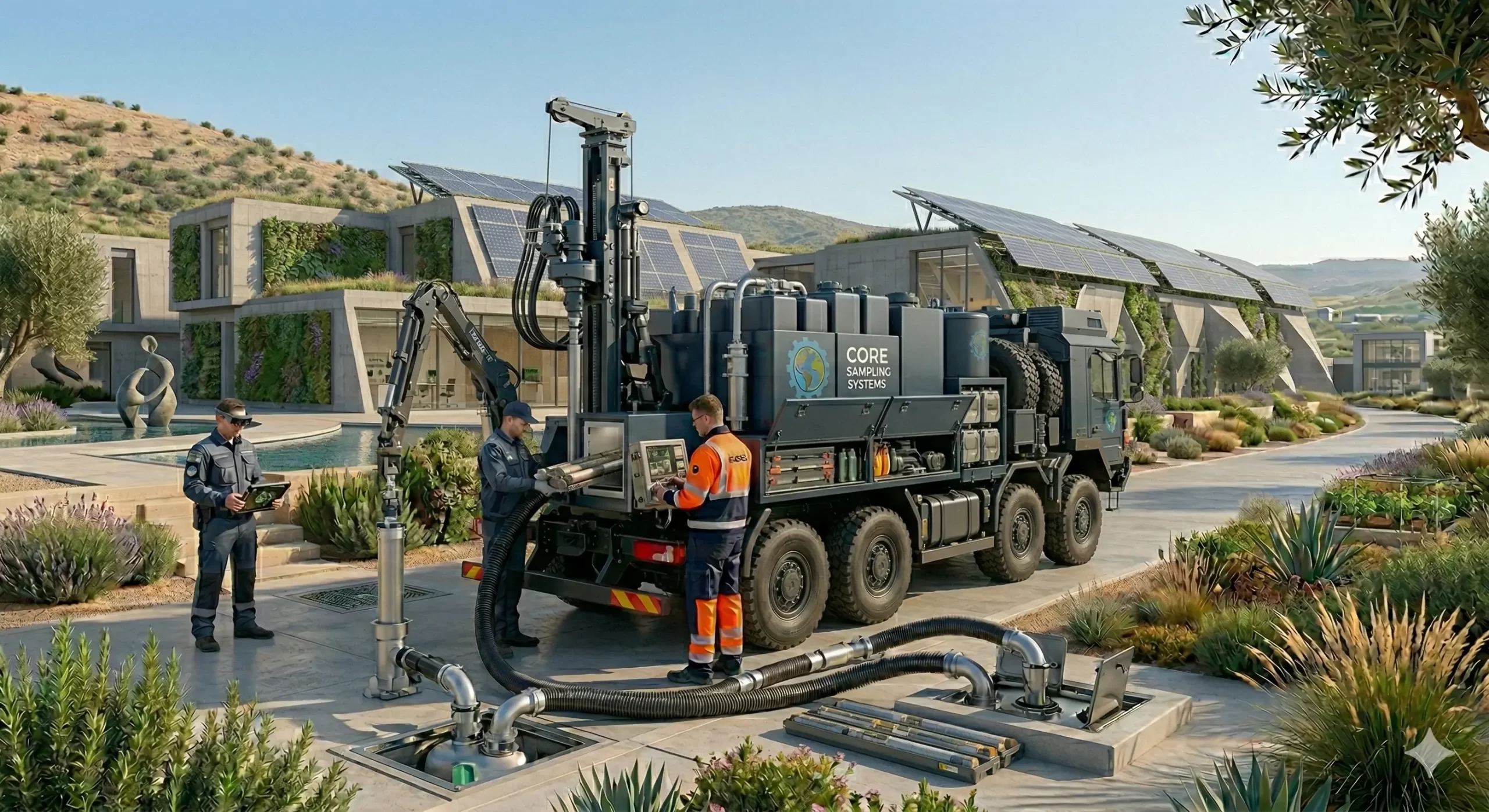
Let me tell you about the Miller family. They bought their dream property in Lumpkin County, Georgia. Beautiful rolling hills, great view of the mountains. Problem was, the land was mostly rock and dense, red Georgia clay. The soil percolation test—the ‘perc test’—failed spectacularly. The water just sat there. It wouldn’t drain. For homeowners nearby, we highly recommend calling our Poinciana, FL wastewater professionals.
The county health department took one look and said, ‘No conventional system. Period.’ The Millers were devastated. They thought they’d have to sell the land they just bought. Their dream was turning into a nightmare.
This is where we came in. This scenario is PRECISELY what drip irrigation septic systems were designed for. Clay soil has an incredibly low hydraulic loading rate, meaning it can’t accept water quickly. A conventional system would flood the ground surface with effluent in a matter of months, creating a biohazard. ☣️
Here’s how we solved it:
- Advanced Treatment Unit (ATU): First, we designed the system around an ATU. This is like a mini wastewater treatment plant that cleans the effluent to a much higher standard before it even goes to the pump tank. This reduces biomat buildup, the #1 killer of drain fields.
- Shallow Placement: Unlike conventional trenches that are 2-3 feet deep, we installed the drip tubing only 6-10 inches below the surface. This places the treated effluent in the most biologically active soil layer, where microbes and plant roots can help process it.
- Timed Dosing: The control panel was programmed to dose the field with small amounts of effluent multiple times a day. Maybe 50 gallons at 2 AM, 50 gallons at 7 AM, 50 at 2 PM, etc. This ‘drip, drip, drip’ approach never overwhelms the tight clay soil. It gives the ground time to absorb and process each dose before the next one arrives. This timed micro-dosing is the absolute key to making drip work in impossible soils.
- Contour Installation: We ran the tubing along the contours of their slope, not against it, preventing erosion and ensuring even distribution across the entire field.
The result? The county approved the design. The Millers built their dream home. The system works silently and invisibly, protecting their family and the local groundwater. For them, the extra upfront cost of the drip system wasn’t a burden; it was the ticket to keeping their dream alive. That’s not just plumbing, that’s peace of mind.
How Do I Keep My System From Failing? ️
Maintenance is not optional. It’s the cheapest insurance you’ll ever buy. You wouldn’t drive your car for 50,000 miles without an oil change, right? Your septic system is a machine that runs 24/7/365. Treat it with respect, or it will make your life miserable.
Conventional System Maintenance (The ‘Easy’ One)
- Regular Pumping: Get your septic tank pumped every 3-5 years. This removes the solids (sludge and scum) before they can get pushed out into your leach field and clog it permanently. This is non-negotiable.
- Water Conservation: The less water you use, the less strain on the system. Fix leaky faucets. Install low-flow toilets. Don’t do 10 loads of laundry in one day.
- Mind What You Flush: Your toilet is not a trash can. The only things that go in are human waste and toilet paper. No ‘flushable’ wipes, no feminine products, no grease, no harsh chemicals. You’ll kill the beneficial bacteria that break down waste.
- Protect the Field: Do not drive or build anything over your leach field. The weight will compact the soil and crush the pipes.
Drip System Maintenance (The ‘Involved’ One)
A drip system has more moving parts. That means more points of failure if you neglect them. Most jurisdictions with drip systems legally require you to maintain an annual service contract with a certified professional. They’re not kidding.
- Filter Cleaning (Semi-Annually/Annually): This is the most important task. The disc filters in the headworks unit catch fine particles before they can clog the tiny emitters in the drip tubing. A pro will remove, disassemble, and clean these filters. If they clog, pressure builds, and your pump can burn out.
- Line Flushing (Annually): The ends of your drip line loops can be opened to flush out any sediment or slime that has accumulated over the year. It’s a simple but vital procedure.
- Pump & Float Check (Annually): During a service call, the technician will check the pump’s amperage draw, inspect the wiring, and test the float switches to ensure they are triggering correctly.
- Control Panel Check (Annually): The technician verifies the timer settings, checks for any error codes, and ensures the dosing schedule is running as designed.
Which System Is Better for My Property?
This isn’t about ‘better’ or ‘worse’. It’s about the right tool for the right job. Using a conventional system where a drip system is needed is like using a hammer to turn a screw. It’s a guaranteed failure. Let’s break down the core differences. For a free consultation, simply reach out to our office serving Tampa, FL.
The Conventional Leach Field: Old School Reliability ⛏️
This is the system most people picture. A septic tank to separate solids, and a network of perforated pipes in gravel-filled trenches. It relies on gravity and a large area of good, permeable soil to work. Don’t ignore the warning signs. Reach out to our septic maintenance crew in The Villages, FL today.
- Mechanism: Large volumes of effluent flood the trenches 1-2 times per day. The water slowly seeps (‘percolates’) through the gravel and into the surrounding soil, where microbes break down the nasty stuff.
- Best For: Large, flat lots with deep, sandy, or loamy soil that drains well.
- Pros: Simple, fewer mechanical parts, lower installation cost, no electricity needed for gravity-fed versions.
- Cons: Requires a huge footprint, useless on small lots, steep slopes, or in tight soils (clay, rock). Prone to biomat formation, which clogs the soil and leads to total field failure.
The Drip Irrigation Field: High-Tech Precision
This is modern wastewater engineering. It uses a pump, filters, and a network of flexible tubing with tiny, pressure-compensating emitters to slowly and evenly distribute treated effluent over an area.
- Mechanism: A pump pushes highly-filtered effluent through the tubing in small, timed doses throughout the day. The emitters ‘drip’ the water into the top layer of soil at a slow, controlled rate.
- Best For: Small lots, wooded lots (tubing can snake around trees), sloped properties, and properties with terrible soil like heavy clay.
- Pros: Highly efficient, uses less space, can be installed on slopes up to 30%, protects groundwater by keeping effluent in the topsoil. The only option for many ‘unbuildable’ lots.
- Cons: High installation cost, requires electricity, more complex with more moving parts (pump, floats, control panel), requires regular professional maintenance.
The choice is often made for you by your local health department based on your property’s soil survey and perc test results. If you have the land and the soil for a conventional system, it’s often the more economical choice. If you don’t, a drip system isn’t just an ‘alternative’; it’s the only technology that will work.
What Happens If I Ignore the Problem? ⏳
Ignoring a septic problem is like ignoring a small fire in your kitchen. It doesn’t get better on its own. It gets bigger, more dangerous, and exponentially more expensive. Here is the progression of failure for a typical system when early warning signs are ignored.
Progression of Septic System Failure
- Year 1-2 (Early Stage): You might notice slightly slower drains in the house. A gurgling sound from the toilet now and then. Maybe a faint, musty odor outside near the tank after heavy rain. These are whispers. Easy and cheap to fix now, likely just needing a tank pump-out.
- Year 3-4 (Developing Problem): The drains are definitely slow. You’re using chemical drain cleaners (which are killing your system!). The grass over the leach field is suspiciously green and lush compared to the rest of the yard. The biomat is forming and choking the soil.
- Year 5-6 (Serious Failure): You have frequent toilet backups. The soggy spots in the yard are now persistent and smell like sewage. The system is in hydraulic overload. The leach field is saturated and has failed. You are now contaminating the groundwater.
- Year 7+ (Catastrophic Failure): Raw sewage is surfacing on your lawn. Your drains don’t work at all. The house is unlivable. The county health department can condemn your property. You aren’t looking at a repair anymore; you’re looking at a mandatory, full system replacement costing tens of thousands of dollars.
Hear From Homeowners We’ve Helped!
Sarah & Tom Jenkins – Canton, GA ⭐⭐⭐⭐⭐
“We were told our lot was unbuildable due to the slope and awful clay soil. We were crushed. Then these guys came out and designed a drip irrigation system that the county approved instantly. They worked fast, explained everything, and literally saved our forever home. The system is invisible and works perfectly. Can’t thank them enough!” Facing a drain field failure? Our team in Keller, TX is ready to diagnose the problem.
David Chen – Roswell, GA ⭐⭐⭐⭐⭐
“My old conventional system failed and was creating a swamp in my backyard. It was a nightmare. The team diagnosed the problem immediately—a totally clogged leach field. Since my lot is small and has mature trees I wanted to save, a new conventional field wasn’t possible. They installed a drip system that fit perfectly around my landscaping. My yard is finally dry and safe for my kids. Total pros!”
What Are Your Most Urgent Questions? ❓
Can I plant a vegetable garden over my drip septic field?
This is a hard NO. While the effluent is treated, it is not sterile. It’s never safe to plant root vegetables or any edible crops directly in a septic dispersal area, drip or conventional. You risk contamination with pathogens. Plant shallow-rooted native grasses, wildflowers, or decorative ground cover only.
How long does a drip irrigation septic system last?
With proper, consistent annual maintenance, a drip system’s components have different lifespans. The drip tubing itself can last 15-20 years. The submersible pump typically lasts 7-12 years. The control panel and floats can last over 15 years. Neglecting annual filter cleaning and line flushing is the fastest way to shorten this lifespan dramatically.
My lot is heavily wooded. Do you have to clear-cut all the trees?
This is a huge advantage of drip systems! Unlike a conventional system that requires a massive, clear-cut rectangle, the flexible drip tubing can be snaked around mature trees and existing landscaping. We only need to clear minimal pathways for the tubing. You get to keep your beautiful trees and get a functioning septic system.
Why is a service contract required for a drip system?
Because drip systems are installed on challenging properties, they are considered a higher-risk technology if neglected. The local health department’s main job is to protect public health and groundwater. They mandate service contracts to ensure these complex systems are professionally maintained and continue to function as designed, preventing environmental contamination from system failures.
Technically Reviewed By:
BlixBase Master Plumber Team
20+ Years Septic Industry Experience | Certified System Inspectors