

The Brass Tacks: Breaking Down the Cost of a New Lift Station Pump
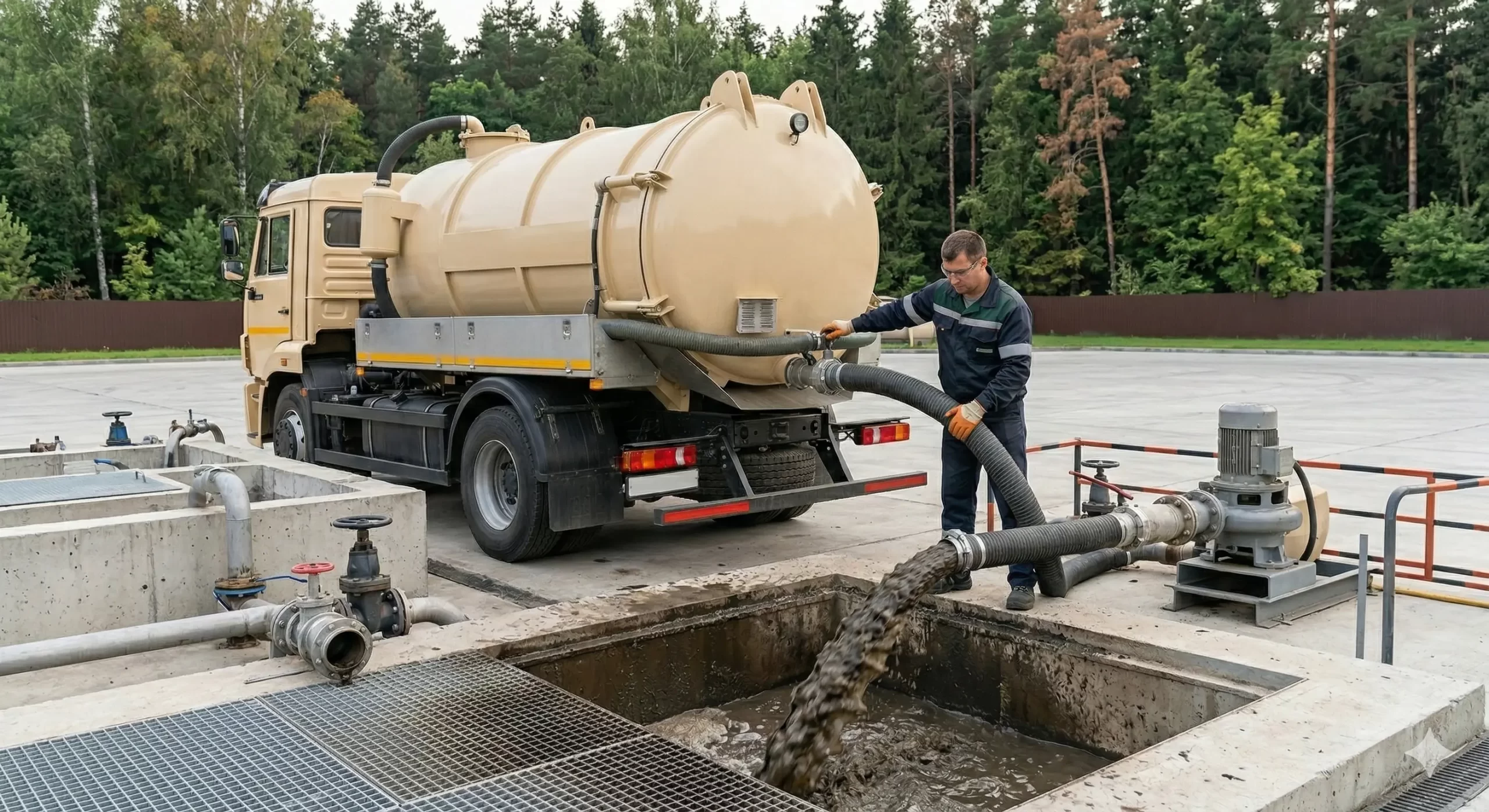
Alright, let’s get straight to it. When that high-water alarm starts screaming, your wallet starts sweating. I get it. A septic lift station pump isn’t something you budget for like a new TV. It’s an emergency. The total cost to have a professional like me come out and replace your pump is typically going to land somewhere between $1,200 and $4,500. I know that’s a wide range, but it’s like asking ‘how much does a car cost?’ It depends on the make, model, and what all needs fixing under the hood.
Your lift station is the unsung hero of your property, especially if your septic tank is sitting higher than your house. It’s the muscle that literally pushes all your wastewater uphill to the drain field. When that muscle tears, you’ve got a big problem. Let’s break down exactly where your money goes. Need immediate assistance? Find trusted septic tank pumping in Broussard, LA right away.
| Component / Service | Typical Cost Range | Expert Notes |
|---|---|---|
| The Pump Itself | $400 – $2,500+ | A standard 1/2 HP effluent pump (like a Zoeller M267) is on the lower end. A 1 or 2 HP grinder pump (like a Liberty ProVore or Myers) that chews through solids will be on the high end. Cast iron housing is a must for longevity. |
| Professional Labor | $400 – $1,000 | Expect 2-5 hours of work. Rates run from $125 to $250 per hour. Emergency after-hours or weekend calls will have a premium call-out fee ($150-$300) on top of the hourly rate. |
| New Floats & Control Panel Parts | $150 – $600 | Never reuse old float switches. It’s cheap insurance. A new dual-float switch setup is standard. If the control panel circuitry is fried, this cost can go up significantly. |
| Piping, Valves, & Fittings | $100 – $300 | This includes a new PVC Schedule 80 check valve (to prevent backflow), a union for easy future removal, and any necessary piping adjustments. Don’t skimp on a quality check valve. |
| Septic Tank Pumping | $250 – $550 | Often required to lower the liquid level in the pump chamber for safe access. It’s a non-negotiable safety step for a full basin. |
| Permits (If Required) | $50 – $250 | Some counties require a permit for any major septic system component replacement. We handle the paperwork. |
Progression of Failure: A Lift Pump’s Life Story
Pumps don’t just die overnight. They give you warning signs. Ignoring them is like ignoring the check engine light in your car. Sooner or later, you’ll be stranded on the side of the road… or in this case, with a backed-up basement. Here’s a typical timeline:
- Years 1-3: The Honeymoon Phase. The pump is new, quiet, and efficient. It does its job without complaint. You probably forget it even exists. All systems are go.
- Years 4-6: The Nuisance Stage. You might notice the pump running a little longer than it used to. Maybe the float switch gets hung up once on a piece of toilet paper. The alarm might chirp once during a heavy rainstorm. These are the first whispers of trouble.
- Years 7-9: The Problem Child. Now you’re on a first-name basis with the alarm silence button. The pump might start making a humming or grinding noise. You might have to flip the breaker to reset it every few months. The motor is getting tired and the seals are starting to wear.
- Year 10+: The Final Countdown. The pump is tripping the breaker weekly, or it won’t shut off at all. The alarm is blaring constantly. Or worse, there’s silence… because the motor has completely seized. A sewage backup into your home is now not a question of ‘if’, but ‘when’. This is a full-blown emergency.
Real-Life Case Study: The Johnsons in Anoka, Minnesota
Let me tell you about a call I got last February. The Johnson family, out in Anoka, MN. The temperature was about 5 degrees Fahrenheit and they had three feet of snow on the ground. Their septic alarm was going off, and with two teenagers at home, they were in a panic.
Their system was about 12 years old, installed with a basic 1/2 HP effluent pump. The problem? Over the years, with a growing family, they’d been flushing things they shouldn’t—specifically, those ‘flushable’ wipes that are the absolute enemy of septic systems. The old pump’s impeller was constantly getting clogged, causing it to overheat and finally burn out.
The job had some classic Minnesota challenges. The ground was frozen solid, so just getting the lid off the fiberglass basin was a chore. We had to be careful not to crack the basin itself in the cold. Once inside, we found the old pump was dead as a doornail and the basin was full of the aforementioned wipes. Navigating local soil conditions can be tricky. Consult our Magnolia, TX septic pumping guide.
Here’s the specific cost breakdown for their replacement:
- Pump Upgrade: We swapped their old effluent pump for a 1 HP Liberty Pumps ProVore 380 grinder pump. This thing is a beast and will turn those wipes into a fine slurry. Cost: $1,450
- Labor: It took two of us about 4 hours, dealing with the cold and the clogged mess. Our emergency rate applied. Cost: $720
- Components: New dual float switches, a heavy-duty 2″ PVC check valve, and new wiring in a waterproof junction box. Cost: $280
- Required Pump-Out: We couldn’t work safely in a full basin. We had a vacuum truck come and pump out the chamber first. Cost: $350
Total Invoice for the Johnsons: $2,800. They weren’t thrilled with the unexpected bill, but they were very happy to be able to flush their toilets again on a cold winter night.
Is it Broken? Troubleshooting Your Lift Station Before You Call
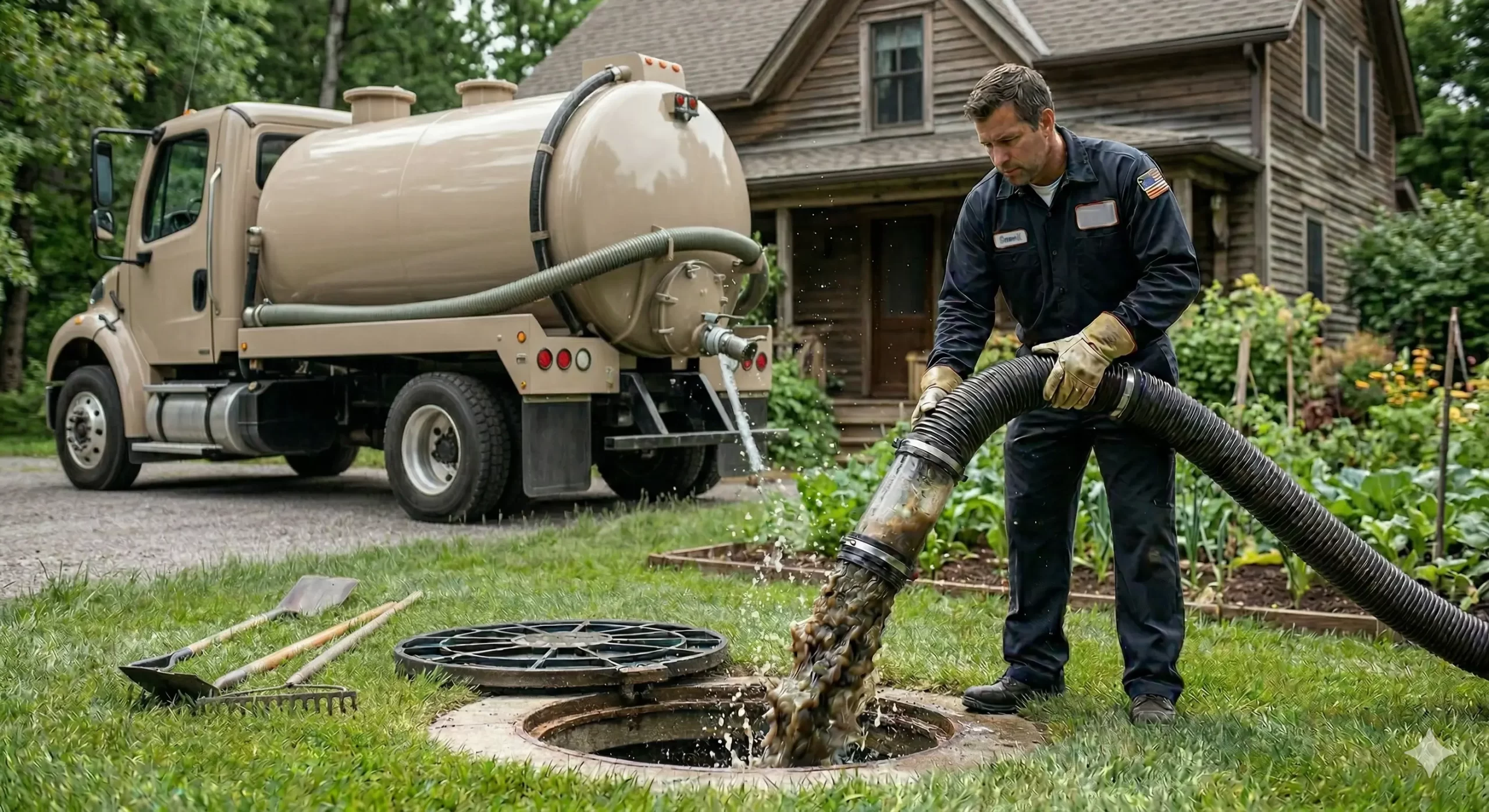
So, you hear that high-pitched alarm going off in the basement or yard, and your first thought is sheer panic, right? Before you pick up the phone, there are a couple of super simple things you can check that might save you an emergency call-out fee. Think of this as septic first-aid. Don’t wait for a backup to flood your yard. Check out our local services in Spring, TX.
- Check the Circuit Breaker: This is the #1 culprit. Head to your electrical panel and see if the breaker labeled ‘Septic Pump’ or ‘Lift Station’ is tripped. Sometimes a temporary power surge is all it takes. Flip it back on. If it trips again immediately, then you have a real problem and need to call a pro.
- Press the Silence Button: Your control panel has a button to silence the alarm. Use it. It won’t fix the problem, but it will restore your sanity while you investigate. Just don’t forget about the glowing red light that’s still on!
- Is the Power Out? It sounds silly, but I’ve been to houses where the pump alarm is going off because the main power is out and the battery backup for the alarm is doing its job. No power means no pump.
- Look at the Floats (CAREFULLY): If you can safely remove the basin lid (and I mean safely, with no chance of falling in), take a peek inside with a flashlight. Sometimes the float switches—which work like the float in your toilet tank—can get tangled up on each other or hung up on debris.
What Our Customers Are Saying
⭐⭐⭐⭐⭐
“Our lift station alarm went off at 9 PM on a Friday. I was expecting to get the runaround, but they answered immediately and had a technician, Mark, out here within the hour. He quickly diagnosed our burnt-out Zoeller pump, had a new one on the truck, and got us back up and running before midnight. Professional, clean, and worth every penny for the peace of mind.” For a free consultation, simply reach out to our office serving Belleview, FL.
– Sarah K., Maple Grove
⭐⭐⭐⭐⭐
“I had another company quote me a fortune to replace my grinder pump. I called for a second opinion and I’m so glad I did. They explained exactly why my old pump failed (thanks, ‘flushable’ wipes) and recommended a Liberty pump that was perfect for our family’s needs. The final price was hundreds less than the first quote and the work was flawless. Honest and reliable service.”
– David P., Plymouth
An Ounce of Prevention: How to Keep Your New Pump Happy
You just spent a good chunk of change on a new pump; the last thing you want is to do it all again in five years. A little TLC goes a long way. Your pump is a workhorse, but it’s not a garbage disposal. We also provide specialized local support—see our South Daytona, FL service page for details.
- The ‘Flushables’ Fallacy: The only things that should ever be flushed down your toilet are human waste and toilet paper. That’s it. Wipes (even the ‘flushable’ ones), paper towels, dental floss, feminine hygiene products, and kitty litter will murder your pump.
- Beware of Grease: Pouring cooking grease down the drain is like giving your pump a heart attack. It congeals, sticks to the floats, and can clog the impellers. Pour it into an old can and throw it in the trash.
- Annual Check-up: Once a year, have a pro pop the lid and take a look. We can check the floats for freedom of movement, test the pump’s amperage draw (to see if the motor is straining), and make sure the check valve is working properly.
- Regular Septic Tank Pumping: Don’t forget the main tank! Having your septic tank pumped every 3-5 years prevents excess solids from making their way into your pump chamber, which drastically extends the life of your pump. Spending $300 on a routine pump-out every few years is infinitely better than spending $3,000 on an emergency replacement.
Your Questions, Answered by an Expert
How long does a septic lift station pump actually last?
On average, a quality, properly-sized cast-iron pump will last between 7 and 10 years. I’ve seen some go for 15, and I’ve seen cheap thermoplastic pumps from big box stores fail in under 3. Longevity depends on the quality of the pump, how much it has to run, and what’s being sent down the drain.
What’s the real difference between an effluent pump and a grinder pump?
Think of it like this: an effluent pump is designed to move gray water and liquids that have already separated from solids in the septic tank. It can handle very small soft solids (up to 1/2 inch) but that’s it. A grinder pump is a different animal. It has cutting blades, like a garbage disposal, and is designed to shred solids (like those pesky wipes and other foreign objects) into a fine slurry before pumping it. You need a grinder if there’s a chance non-septic waste will be flushed.
Can I just replace a septic lift pump myself?
I strongly, strongly advise against it. This isn’t like changing a faucet. You are dealing with a combination of high voltage electricity in a wet, confined space filled with raw sewage and potentially lethal gases. The risk of electrocution or asphyxiation is very real. It requires specialized knowledge of plumbing, electrical wiring, and critical safety protocols. This is a job for a licensed and insured professional.
My septic alarm is going off, but the pump seems to be working. What gives?
This is a common scenario. It usually points to one of a few things. First, the high-water alarm float could be faulty or stuck in the ‘on’ position, even if the water level is normal. Second, the pump itself could be failing and unable to keep up with the amount of incoming water, so the water level is rising and tripping the alarm. Third, you could have an issue with the control panel itself. It’s a clear sign that something isn’t right and needs to be inspected before the pump fails completely.
Technically Reviewed By:
BlixBase Master Plumber Team
20+ Years Septic Industry Experience | Certified System Inspectors