

Stop Guessing. Start Acting.
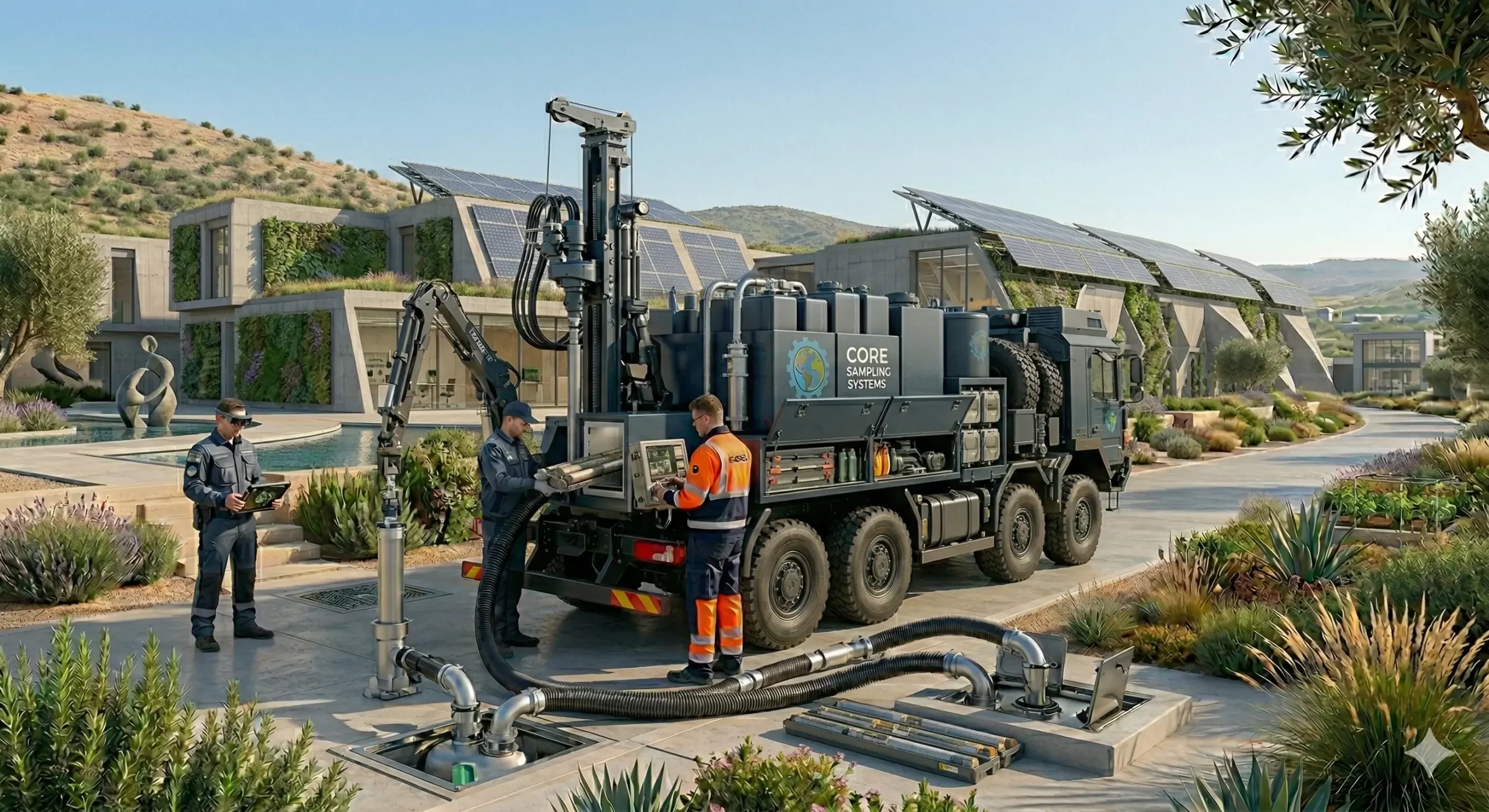
Listen closely. The answer is an absolute, unequivocal NO. You cannot put a driveway over your septic tank. You cannot park cars on it. Not for a minute. Not ever. This is not a suggestion. It is a critical command for the safety of your family, your property, and the environment you live in. The ground over your septic system is not just dirt. It is the final, fragile barrier protecting your clean water from thousands of gallons of raw, pathogenic sewage. Driving on it is like playing Russian roulette with a biohazard.
Every time a vehicle’s weight presses down, you are compromising a complex, living ecosystem responsible for treating your household’s wastewater. The forces involved are immense and destructive. This isn’t about a cracked lid. This is about catastrophic system failure, irreversible groundwater contamination, and potential legal liability that can financially ruin you. We need to act now. Let’s break down the immediate threats.
Examine This Real-Life System Failure
Let’s talk about the Miller family in rural Pennsylvania. A cautionary tale. To make space for their son’s new truck, they began parking it over what they thought was ‘just a grassy patch.’ They didn’t know the exact location of their septic tank and drainfield. The first year, nothing seemed wrong. But underground, a disaster was unfolding.
The constant weight of the 6,000-pound truck began to compact the soil. Soil compaction is the silent killer of septic systems. It crushes the porous pathways that allow treated effluent to percolate safely into the ground. The system’s drainfield, starved of oxygen, began to fail. A dense, slimy layer called a biomat, which is normally beneficial, grew out of control, effectively waterproofing the soil. The wastewater had nowhere to go.
The first sign was a slow drain in the basement shower. Then, gurgling toilets. Finally, a foul, unmistakable odor near that ‘grassy patch.’ When they called us, it was too late. The pressure from the compacted drainfield had caused a hydraulic backup. Effluent, under pressure, found the path of least resistance: a crack in the concrete septic tank. A crack caused by the immense, cyclical stress of the truck’s weight. Proactive care saves money. See what our local experts in Keller, TX can do for your system.
Raw sewage was leaking directly into the soil, just 70 feet from their private well. An emergency water test revealed high levels of coliform bacteria and E. coli. Their drinking water was contaminated. The Pennsylvania Department of Environmental Protection (DEP) was notified. The Millers faced not only the cost of a full system replacement but also a mandatory well remediation process and potential fines. Their small parking problem became a $45,000 environmental crisis. Don’t wait for a backup to flood your yard. Check out our local services in Lafayette, LA.
Follow These Maintenance Commands
A septic system is not a ‘set it and forget it’ appliance. It is an on-site wastewater treatment facility that you own and are legally responsible for. Its failure is your failure. Adhere to this protocol without deviation. Proactive care saves money. See what our local experts in Hoover, AL can do for your system.
- Map Your System Immediately: You must know the exact location of your tank, distribution box, and entire leach field. Obtain the ‘as-built’ diagram from your local health department. If it’s unavailable, hire a professional to locate and map it. Mark the perimeter with landscape flags if necessary. This is non-negotiable.
- Prevent All Compaction: No vehicles. No heavy equipment. No storage sheds. No above-ground pools. No livestock. The area over your tank and drainfield is a designated no-load zone. Even a riding lawnmower can contribute to compaction over time.
- Control Water Intrusion: Divert all surface water, including roof gutters and sump pump discharge, far away from your drainfield. An oversaturated drainfield cannot accept effluent, leading to system backup and failure. The hydraulic load must be managed.
- Schedule Regular Pumping: Depending on tank size and household usage, your tank needs to be pumped by a licensed professional every 3-5 years. This removes the accumulated sludge and scum layers, preventing them from flowing into and clogging the drainfield.
- Protect the Biome: Do not flush anything other than human waste and toilet paper. No wipes (even ‘flushable’ ones), feminine hygiene products, chemicals, grease, or paint. These substances kill the anaerobic bacteria that break down solid waste in your tank, rendering it ineffective.
Understand the Crushing Force
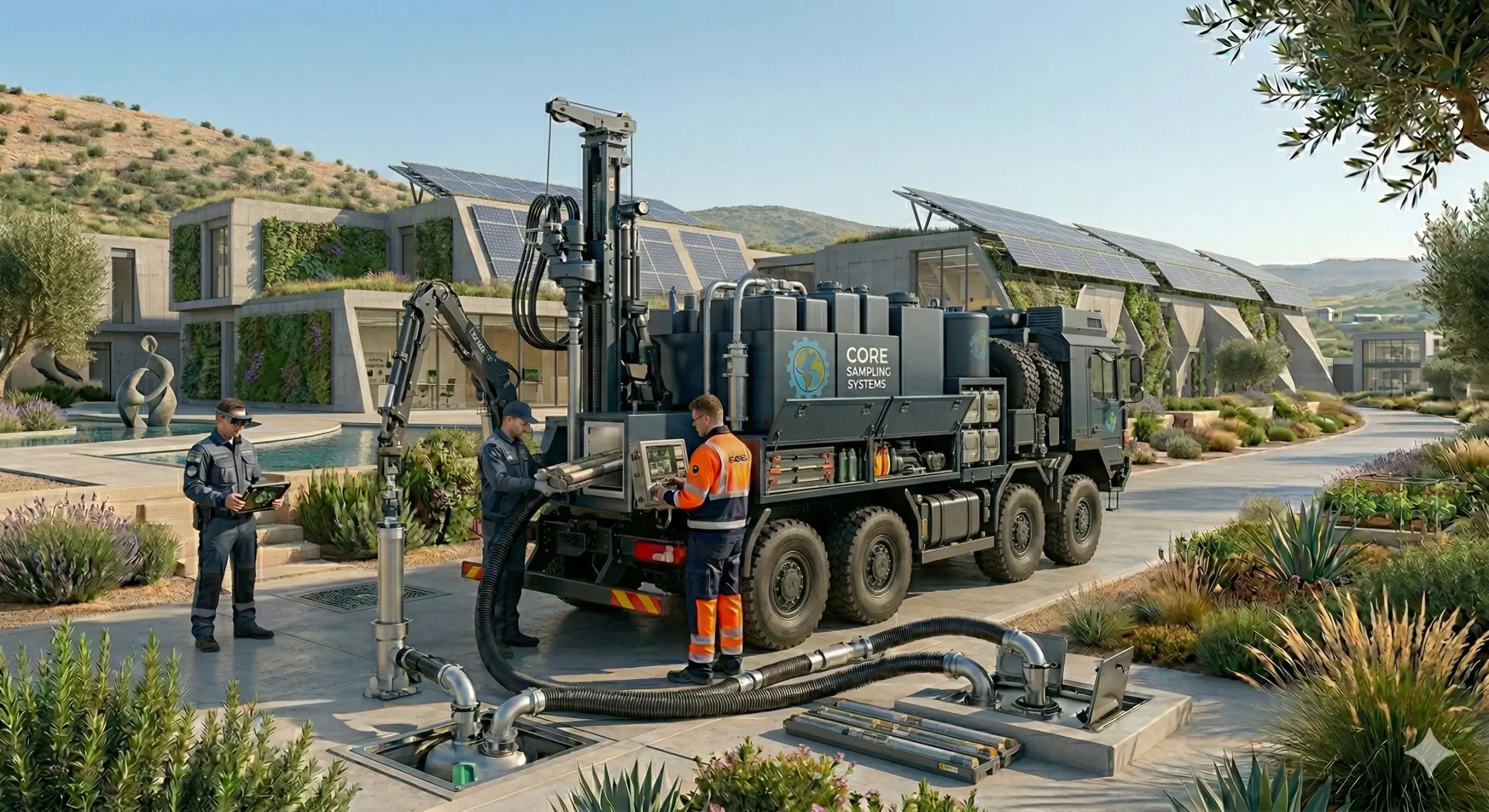
A standard passenger car weighs 4,000 pounds. A pickup truck can exceed 7,000 pounds. This weight is concentrated onto four small tire patches. Your septic tank, whether concrete, fiberglass, or plastic, was not designed to withstand this type of focused, dynamic load. It was designed to resist the uniform, static pressure of the surrounding soil.
Concrete tanks can develop hairline fractures that rapidly expand under repeated stress. These cracks are exit points for untreated effluent and entry points for groundwater, which can hydraulically overload your system. Fiberglass and plastic tanks are even more vulnerable. They can deform, buckle, or rupture catastrophically under the weight of a vehicle. A collapsed tank lid is not the primary danger; the true disaster is a structural breach of the tank body itself, leading to a massive, uncontrolled release of biohazardous waste. The risk is compounded by environmental factors. In regions like the Northeast, the freeze-thaw cycle exacerbates any small crack, turning a minor issue into a system-wide failure in a single winter. Protect your property value by working with certified septic inspectors in Corsicana, TX.
Analyze the Financial Catastrophe
Ignoring this warning will have severe financial consequences. The cost to correct this mistake is not a simple repair bill. It is a multi-stage financial bleed that can impact your home’s value and your family’s savings. Here is a realistic breakdown of what a catastrophic failure could cost you.
| Expense Item | Estimated Cost Range | Urgency / Description |
|---|---|---|
| Emergency Pumping & Assessment | $500 – $1,200 | Immediate action to mitigate surface-level sewage. |
| Septic Tank Replacement | $5,000 – $15,000 | Includes excavation, new tank, and initial plumbing. |
| Drainfield/Leach Field Remediation | $7,000 – $25,000+ | The most expensive component. Requires new soil, pipes, and major excavation. |
| Soil & Groundwater Testing | $1,000 – $4,000 | Mandatory testing to assess the extent of the contaminant plume. |
| Well Decontamination or New Well Drilling | $2,000 – $20,000 | If your well is contaminated, remediation is complex. A new well is often required. |
| Landscaping and Hardscape Repair | $3,000 – $10,000 | Restoring your property after major excavation. |
| Potential Total Cost | $18,500 – $75,200+ | |
Recognize the Progression of Failure
System failure is not instantaneous. It is a gradual, cascading process. Understanding this timeline is critical to recognizing the danger before it becomes a full-blown environmental disaster.
- Year 0-1: Initial Compaction. The weight of a parked vehicle begins to compress the topsoil. There are no visible surface signs. Underground, the soil’s porous structure is being crushed, reducing its ability to absorb and treat effluent. The system is under stress.
- Year 1-2: Reduced Percolation. The compacted soil layer thickens. The drainfield’s ability to dissipate water slows. After heavy rains or high water usage, you might notice slow drains inside the house. The biomat begins to thicken as anaerobic conditions worsen.
- Year 2-4: Hydraulic Overload. The drainfield is now significantly compromised. Effluent can no longer percolate down, so it begins to move laterally or pool on the surface, creating wet, spongy spots on your lawn. A distinct ‘sewer gas’ smell may be present. The tank is now under constant hydraulic pressure.
- Year 5+: Catastrophic Failure. The system has failed. The tank, weakened by constant pressure and vehicle stress, cracks or collapses. Raw sewage contaminates the surrounding soil and begins its journey into the groundwater and aquifers. At this stage, you are not just managing a plumbing problem; you are managing a hazardous waste site on your own property. Your well water is at extreme risk.
Execute This Troubleshooting Protocol
If you have already been parking on or have paved over your septic system, stop reading and take immediate action. This is a salvage operation. If you smell sewage or hear gurgling, contact our Seguin, TX septic repair specialists immediately.
- Cease All Traffic Immediately: Remove any vehicles, trailers, or heavy objects from the area above the entire septic system. This is the first and most critical step to prevent further damage.
- Call a Certified Septic Professional: Do not call a general plumber. You need a septic system specialist. Explain the situation clearly: you have been driving over the system and need an emergency structural assessment.
- Schedule an Emergency Tank Pump-Out: This relieves the hydraulic pressure inside the tank and allows the inspector to perform a visual inspection of the tank’s interior walls, baffles, and lid for cracks or stress fractures using a camera.
- Conduct a Drainfield Inspection: The professional will need to assess the level of soil compaction. This may involve soil probes or digging test pits at the perimeter of the drainfield to check for oversaturation and biomat buildup.
- Test Your Well Water: If you have a private well, get it tested for total coliforms, E. coli, and nitrates immediately. Do not wait for symptoms. Do not wait for smells. Your health is on the line. Use bottled water for drinking and cooking until you have clear results.
Hear From Homeowners We’ve Helped
“We had no idea we were parking our RV directly over our septic tank for two years. When the toilets backed up, we feared the worst. Your emergency team was here in hours. They mapped the system, identified a stress fracture in the tank, and explained the environmental risk to our well. They averted a complete disaster. Forever grateful.”
⭐⭐⭐⭐⭐ – David R., North Carolina
“After a contractor drove a small excavator over our yard, we noticed a persistent damp spot. The technician used a camera to show us the crushed outlet pipe and the compacted soil in the drainfield. They laid out a clear, no-nonsense plan to fix it before it contaminated our creek. Professional, urgent, and incredibly knowledgeable. They saved us tens of thousands.”
⭐⭐⭐⭐⭐ – Maria S., Oregon
Heed These Urgent FAQs
What if I have a ‘traffic-rated’ or H-20 rated septic tank lid?
This is a critical misunderstanding. An H-20 traffic-rated lid and riser system is designed to prevent the access point from collapsing. It does absolutely nothing to protect the tank body itself or, more importantly, the surrounding drainfield. The immense weight of the vehicle is still transferred through the tank to the soil below, and it still compacts the vital drainfield soil. A traffic-rated lid does not make it safe to drive over your septic system.
How far away from the septic system components should I park?
There is no single safe number, but a conservative and wise rule is to keep all vehicle traffic at least 10 to 15 feet away from the outer perimeter of all system components, including the tank and the entire drainfield area. The ‘mound’ of a mound system is especially fragile. When in doubt, stay farther away. The goal is zero soil compaction in the operational area of your septic system.
Can lighter vehicles like an ATV or a riding lawnmower cause damage?
Yes. While a single pass might not cause immediate catastrophic failure, the damage is cumulative. Repeated trips with an ATV or riding mower, especially when the ground is wet, will compact the soil over time. This slowly chokes the drainfield, reducing its lifespan and leading to premature failure. Treat the entire septic area as a protected zone, off-limits to any form of vehicle traffic.
What are the legal and insurance implications of a septic failure from negligence?
The legal and financial liability can be devastating. If your failing septic system contaminates a neighbor’s well or a nearby body of water, you can be held legally responsible for cleanup costs, which can run into the hundreds of thousands of dollars. Furthermore, most standard homeowner’s insurance policies explicitly exclude coverage for septic system failure, especially if it can be traced back to owner negligence like paving or driving over the system. You will likely be paying for the entire crisis out of pocket.
Technically Reviewed By:
BlixBase Master Plumber Team
20+ Years Septic Industry Experience | Certified System Inspectors