
Cost Analysis: Financial Ramifications of Septic System Failure in a Real Estate Transaction
The financial liability associated with a failing Onsite Sewage System (OSS) in Virginia is not trivial. Costs are dictated by the severity of the failure, local soil morphology, and the specific requirements of the Virginia Department of Health (VDH) under 12VAC5-610. A purely component-based repair, such as replacing a distribution box, may only incur costs between $900 and $2,500. However, a complete drainfield failure, which constitutes the majority of system condemnations, requires a far more substantial capital outlay. The following table delineates estimated costs, acknowledging that prices fluctuate based on site accessibility, material costs, and regional labor rates within the Commonwealth.
| Component/Service | Typical Cost Range (Virginia) | Technical Notes & Variables |
|---|---|---|
| VDH Repair Permit Application & Soil Evaluation | $800 – $2,000 | Includes Authorized Onsite Soil Evaluator (AOSE) fees. Costs increase for complex sites requiring multiple percolation tests or a detailed hydrogeological survey. |
| Septic Tank Replacement (1,250 gal. concrete) | $3,500 – $6,000 | Includes excavation, tank, delivery, installation, and backfill. Polyethylene tanks may alter cost structure. Abandonment of old tank per VDH protocol is an additional cost. |
| Conventional Drainfield Replacement (per linear ft.) | $25 – $50 | A 4-bedroom home in Cecil clay soil may require 400-600 linear feet of trench. Total cost: $10,000 – $30,000. |
| Alternative System Installation (e.g., ATU, Drip) | $18,000 – $45,000+ | Required for sites with poor soils, high water tables, or small lot sizes. Includes advanced treatment unit, pumps, controls, and specialized dispersal field. Mandates an ongoing VDH-required maintenance contract ($250-$500/year). |

Real-Life Case Study: Conventional System Failure in Albemarle County, Virginia
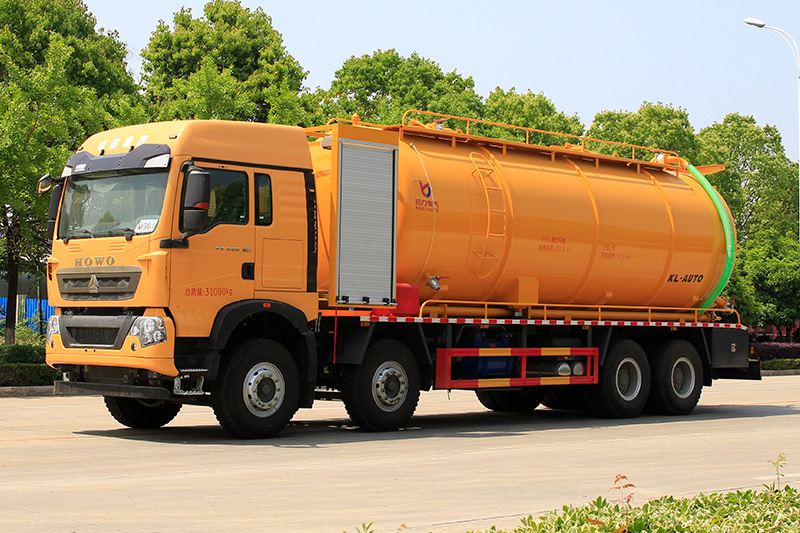
Property Profile: A 2,800 sq. ft. single-family residence constructed in 1994, situated on a 1.2-acre parcel in Albemarle County, VA. The property was served by a conventional OSS consisting of a 1,000-gallon concrete septic tank and 300 linear feet of gravel-and-pipe drainfield trenches. For fast response times, get in touch with our septic professionals servicing Kilgore, TX.
Initial Diagnosis: The sellers disclosed slow drains during periods of high precipitation. A pre-sale septic inspection, mandated by the buyer’s loan underwriter, revealed surfacing effluent at the terminus of the drainfield. A dye test introduced into the system appeared on the ground surface in under 4 hours, a definitive failure. The inspector measured the sludge layer at 28 inches and the scum layer at 8 inches in the 48-inch-deep tank, indicating overdue maintenance. The primary failure mechanism was identified as advanced biomat formation in the drainfield trenches, exacerbated by the region’s prevalent clay-loam soils which exhibit moderate to slow percolation rates (estimated at 60-90 minutes per inch).
Regulatory Intervention: The inspector’s report was submitted to the local VDH office, which issued a Notice of Alleged Violation, requiring a repair plan within 60 days. An AOSE was contracted to perform a new soil evaluation. The analysis revealed that the existing drainfield location was hydraulically overloaded and that the only viable replacement area had limiting soil horizons at a depth of 40 inches. Due to these site constraints and current setback requirements (100 feet from the on-site well), a conventional system was deemed non-compliant. Regular maintenance is crucial. Connect with our Lehigh Acres, FL septic experts to schedule a check-up.
The Solution Matrix: The AOSE designed a new system utilizing an Aerobic Treatment Unit (ATU) to reduce the effluent’s Biochemical Oxygen Demand (BOD5) and Total Suspended Solids (TSS) by over 90%. This higher quality effluent allowed for a 40% reduction in the required drainfield absorption area, as permitted by VDH regulations. The final design specified a 1,250-gallon dual-chamber primary tank, a 600 GPD (gallons per day) ATU, and a 2,500 sq. ft. shallow-placed pressure-dosed drip dispersal field. We understand the specific environmental rules for your region. Learn more from our experts in St Cloud, FL.
Financial Outcome: The total cost for the engineered design, VDH permit, and complete system installation was $38,750. The sellers, facing the collapse of the sale, negotiated to cover the full replacement cost, which was placed into an escrow account at closing to be paid directly to the installer. The property sale proceeded but closed 65 days later than originally scheduled, and the final sale price was effectively reduced by the full cost of the new system. You can find more detailed pricing and local regulations on our dedicated Burnet, TX location page.
Pre-Inspection System Maintenance Protocols
Prior to a scheduled real estate inspection, specific actions can be taken to present the system’s current operational status accurately. This is not about masking failure, but ensuring the system is not unfairly penalized for temporary stress. First, obtain a complete pump-out of the septic tank by a licensed hauler no less than 7 days and no more than 30 days before the inspection. Retain the service receipt as documentation. This action resets the tank’s solids accumulation, a key inspection metric. Second, for the 48 hours preceding the inspection, drastically reduce the hydraulic load on the system. This involves minimizing laundry, dishwasher use, and shower duration. This allows the drainfield to de-saturate to its baseline level, providing a more accurate snapshot of its percolation capacity. Do not use chemical additives or enzymes; professional inspectors view this as an attempt to mask underlying issues and it has no measurable short-term effect on biomat. For properties with alternative systems (e.g., ATUs), ensure the most recent service and maintenance contract is available for review, as required by VDH for property transfer.
Chronology of a Conventional Drainfield Failure
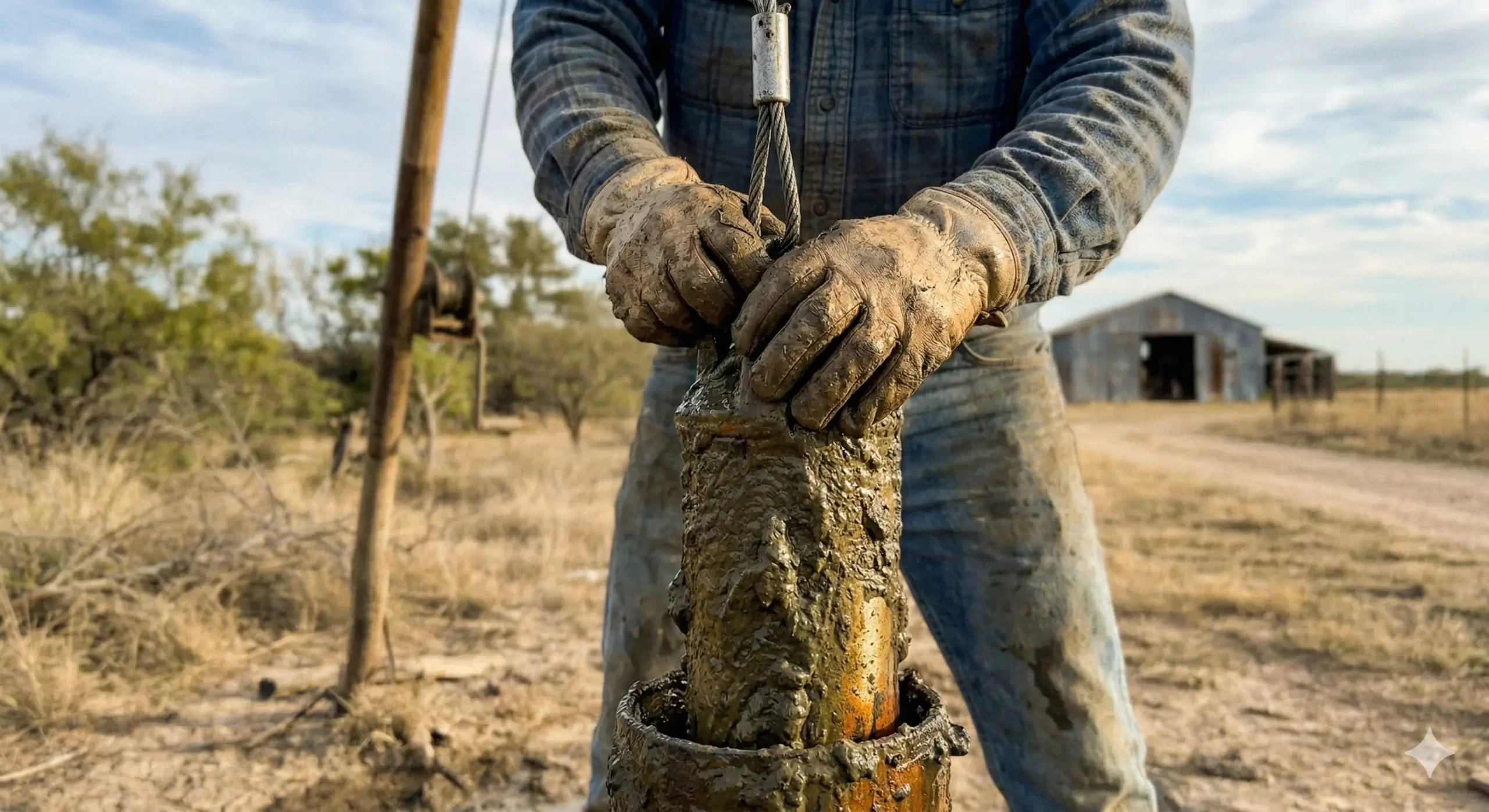
The degradation of a conventional drainfield is a predictable process rooted in microbiology and soil physics. The timeline illustrates the progression from a functional system to a public health risk. To get a customized pumping schedule, feel free to speak with our local representatives in Green Cove Springs, FL.
- Phase 1: Normal Operation (Years 1-5)
Effluent is distributed evenly, and an aerobic biomat, a few millimeters thick, forms at the soil interface. This biomat is beneficial, filtering pathogens. The soil’s long-term acceptance rate (LTAR) remains stable, easily accommodating the daily hydraulic load of approximately 75 gallons per person per day. - Phase 2: Incipient Failure (Years 6-10)
Anaerobic conditions begin to dominate due to organic overloading from insufficient tank pumping. The biomat thickens and becomes less permeable, reducing the soil’s percolation capacity. The LTAR may decrease by 30-50%. Occupants might notice slower drains after heavy water use or significant rainfall events when the regional water table is high. - Phase 3: Intermittent Failure (Years 11-15)
The biomat has become a dense, black, anaerobic slime (bioclogging) that severely restricts effluent infiltration. The system is in a constant state of hydraulic stress. Effluent begins to surface on the ground during wet seasons or may back up into the home’s lowest plumbing fixture (e.g., a basement shower). Odors may be present near the drainfield. - Phase 4: Total System Failure (Years 15+)
The drainfield can no longer accept any effluent. Untreated wastewater continuously backs up into the house or ponds on the ground surface, creating a direct vector for pathogens like E. coli and Salmonella. The VDH will condemn the system upon inspection, mandating immediate cessation of use and the submission of a repair application. The property is effectively uninhabitable until a compliant system is installed.
System Troubleshooting & Diagnostics for Property Sellers
Before listing a property, a proactive diagnostic assessment can prevent catastrophic findings during a buyer’s inspection. This transcends a mere visual check. Begin by locating and exposing the septic tank lids. Measure the solids levels. Using a tool like a “sludge judge,” measure the depth from the bottom of the tank to the top of the sludge layer and from the top of the liquid to the bottom of the scum layer. Per VDH guidelines, if the sludge is within 12 inches of the outlet baffle or the scum is within 3 inches, the tank requires immediate pumping.
Next, evaluate the drainfield. Walk the entire area, looking for unusually lush vegetation, persistently wet soil, or visible effluent. Use a soil probe (a simple T-handled steel rod) to test for saturation. In a healthy field, the probe should meet firm resistance. In a failing field, it will push easily into saturated, mushy soil. A hydraulic load test provides definitive data. This involves introducing a measured volume of water (e.g., 200 gallons) into the system and observing the drainfield for surfacing effluent and monitoring the drop in the distribution box level over a set period. Documenting these quantitative findings provides a strong negotiating position, whether the system passes or shows signs of stress.
Verified Client Assessments
⭐⭐⭐⭐⭐
“We were selling our family home in Fauquier County and the buyer’s inspection revealed a total drainfield failure. The situation was complex due to proximity to a stream. Their team conducted a thorough soil analysis, designed a code-compliant nitrogen-reducing alternative system, and interfaced directly with the VDH to expedite the permit. Their technical documentation was instrumental in saving the sale. The process was transparent and surgically precise.”
– Robert M., Warrenton, VA
⭐⭐⭐⭐⭐
“Faced with selling a property with an old, undersized cesspool illegal under current Virginia code, we anticipated a nightmare. Their engineer provided a clear, multi-option report detailing the costs and timelines for a full conventional system replacement. The level of detail, from pipe grade specifications to soil compaction requirements, gave our buyer complete confidence. The project was completed ahead of schedule and passed VDH inspection on the first attempt.”
– Susan T., Chesterfield, VA
Frequently Asked Technical & Legal Questions
What constitutes a legal ‘failing septic system’ under Virginia law?
In Virginia, a failing system is defined by the VDH’s Sewage Handling and Disposal Regulations (12VAC5-610-20). A system is in failure if it discharges sewage to the ground surface, into surface water, or backs up into a building. It is also considered failing if it does not effectively treat and disperse effluent, thereby contaminating groundwater or creating a public health nuisance. A slow-draining system may be under stress but is not legally ‘failing’ until one of these conditions is met and documented by a health official or licensed inspector.
Can I sell my Virginia house ‘as-is’ with a known failing system?
Yes, you can sell a property ‘as-is,’ but Virginia law requires sellers to provide a Residential Property Disclosure Statement. You must disclose any known defects, including a failing septic system. Failure to disclose can lead to post-sale litigation. Furthermore, most mortgage lenders will not finance a property with a known failing system. This means your potential buyers will be limited to cash purchasers or those obtaining specialized renovation loans (like an FHA 203k), which have stringent repair escrow requirements.
What is the difference between a repair permit and a voluntary upgrade?
A repair permit is issued by the VDH for a system that is officially in failure. It allows for the installation of a new system that may not meet all the requirements for new construction (e.g., setback distances) as long as it improves public health and environmental protection. A ‘voluntary upgrade’ is when a homeowner chooses to replace a functioning, but old or undersized, system. This action typically requires the new system to meet all current VDH regulations for new construction, which can be more expensive and restrictive than a permitted repair.
My lot is small. Can VDH deny a permit for a replacement system?
While rare, it is possible. If no area on the property can support a code-compliant repair, even with advanced alternative technologies, the VDH may not be able to issue a construction permit. This typically occurs on very small, ‘grandfathered’ lots with poor soils, high water tables, and multiple setback constraints (wells, property lines, surface water). In such a scenario, options are limited and may involve petitioning for a connection to a municipal sewer if available, or in extreme cases, rendering the property uninhabitable. This underscores the need for a comprehensive site and soil evaluation by a licensed AOSE early in the process.
Technically Reviewed By:
BlixBase Master Plumber Team
20+ Years Septic Industry Experience | Certified System Inspectors