
Thinking Fast-Draining Sandy Soil is a Gift? Think Again.
Alright, let’s have a little chat. You’ve got a beautiful piece of land, maybe down in the Florida panhandle or out on the coast of the Carolinas. The soil is sandy, drains in a flash, and you’re thinking, “Perfect! My septic system will be a breeze.” I’m here to tell you, as your friendly neighborhood septic expert, that you’re standing on what could be a very expensive, very messy environmental problem. That fast-draining soil, what we call ‘high percolation’ or ‘perc’ rate, isn’t a gift; it’s a trap waiting to be sprung by the wrong septic system.
Contractors who don’t specialize in your local geology might tell you a standard, old-school gravity-fed system is good enough. They’ll give you a low bid that looks mighty tempting. What they’re really selling you is a direct pipeline for barely-treated wastewater to shoot straight down into the groundwater. Your well, your neighbor’s well, and the local ecosystem won’t be sending you a thank-you card. We’re going to pull back the curtain on the myths, the bad advice, and the outright scams that plague homeowners with sandy soil. For fast response times, get in touch with our septic professionals servicing Chalmette, LA.

The Wallet Breakdown: Pay Now or Pay a Fortune Later
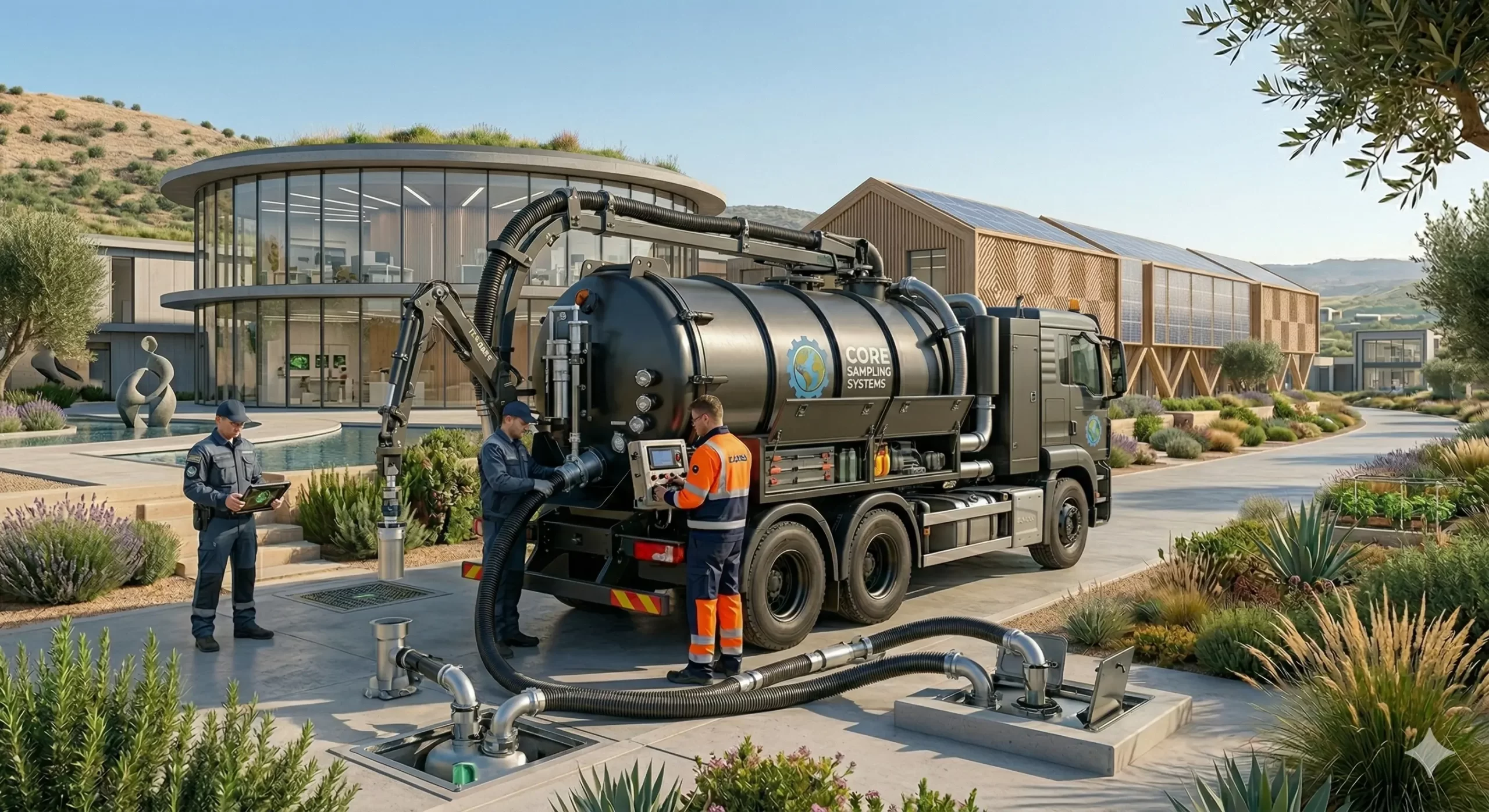
Money talks, so let’s get right to it. The initial quote for a ‘standard’ system in sand might look great, but it’s a down payment on a disaster. Here’s a more realistic look at the numbers, comparing the cheap-and-wrong way with the right-and-responsible way.
| Cost Component | The “Bargain” Standard System (The Wrong Way) | The Proper ATU System (The Right Way) |
|---|---|---|
| Initial Installation Cost | $7,000 – $12,000 | $15,000 – $25,000+ |
| Annual Maintenance Contract | $0 (because it’s not the right system to maintain) | $250 – $500 |
| Cost of Failure (5-7 years later) | $20,000 – $50,000+ (Includes full system replacement, soil remediation, potential fines, and well drilling) | Minimal (Component repair, if any) |
| Total 10-Year Cost | $27,000 – $62,000+ | $17,500 – $30,000 |
Look at those numbers. The ‘cheap’ option becomes catastrophically expensive when—not if—it fails. Saving a few thousand bucks upfront can lead to a financial nightmare down the road. It’s the definition of being penny-wise and pound-foolish.
Keeping Your System Happy: Sandy Soil Maintenance Secrets
A proper system for sandy soil, like an Aerobic Treatment Unit (ATU), isn’t a crockpot you can just set and forget. It’s more like a high-performance engine that needs regular tune-ups. Neglecting it is asking for trouble. Navigating local soil conditions can be tricky. Consult our Cape Coral, FL septic pumping guide.
- Embrace the Service Contract: Your ATU has moving parts—aerators, pumps, and alarms. You need a professional checking on these things once or twice a year. It’s non-negotiable. This service contract is your best friend and cheapest insurance policy.
- Pump on Schedule: Just because you have an advanced system doesn’t mean you can skip pumping the tank. Follow a regular schedule (typically every 3-5 years) based on your household size and tank capacity. Sludge is still sludge, and it needs to go.
- Be Kind to Your Drains: This goes for any septic system, but it’s especially true for ATUs. The good bacteria doing all the hard work are sensitive. Avoid harsh chemical drain cleaners, excessive bleach, antibacterial soaps, and flushing anything other than human waste and toilet paper. No wipes (not even the ‘flushable’ ones), no grease, no coffee grounds.
- Protect the Dispersal Area: If you have a drip irrigation field, don’t drive over it, don’t plant trees on it, and don’t build a shed over it. Those little tubes are working hard to distribute water, and they can be easily damaged.
A Cautionary Tale: The Johnsons of Coastal Florida
Let me tell you about a family we helped a few years back, we’ll call them the Johnsons. They bought a lovely lot near the coast, all sand and palmettos. They got three quotes for their new septic system. Two were in the $18,000-$22,000 range for something called an ATU. The third was for $9,500 for a ‘heavy-duty conventional system’. Guess which one they chose?
For three years, everything seemed fine. Then, their drinking water from their well started tasting… off. A little metallic. Then the county sent out a notice about elevated nitrate levels in the area. A water test confirmed their worst fears: their own septic system was contaminating their well. The effluent was racing through the sand so fast that almost zero treatment was happening in the soil. They were basically drinking their own wastewater.
The fix? A complete rip-out of the failing $9,500 system. Soil remediation to deal with the nitrate plume, which cost a fortune. Installation of the *correct* ATU system with a drip dispersal field, which cost about $25,000. And they had to drink bottled water for months. Their ‘bargain’ ended up costing them nearly $40,000 and a whole lot of stress. Don’t be the Johnsons.
Progression of Failure: The Wrong System in Sandy Soil
Here’s what the slow-motion train wreck of a conventional system in fast-percolating soil looks like over time. It doesn’t fail with a bang; it fails with a silent, toxic creep.
| Timeline | Status & Danger Level |
|---|---|
| Year 1 | System appears to be working. Effluent is flowing away from the house. Homeowner is happy with their ‘bargain’. Under the surface, untreated effluent is already reaching the groundwater table. |
| Year 3 | A small, nutrient-rich plume of contamination is forming. Well water may show slightly elevated nitrate levels if tested. The grass over the drain field might be suspiciously green. |
| Year 5 | The contamination plume is now significant. Well water is likely unsafe to drink without treatment. Nearby ponds or streams may show signs of algae blooms. The system is in a state of regulatory failure, even if there are no surface symptoms. |
| Year 7-10 | Catastrophic failure. The local health department gets involved. Potential for fines and mandatory replacement orders. The soil is heavily contaminated, requiring expensive remediation. The homeowner’s ‘savings’ have vanished, replaced by a massive liability. |
Troubleshooting: Red Flags in Sandy Soil Septic Systems
Because failure in sandy soil is often invisible on the surface, you need to be a detective. Here are the clues you’re looking for:
- Well Water Tests: This is your number one tool. Get your well water tested annually for nitrates and coliform bacteria. Any spike is a major red flag that your system isn’t treating waste properly.
- Unusual Plant Growth: Is the grass over your drain field looking like it’s on steroids compared to the rest of your lawn? That’s not good drainage; that’s fertilizer in the form of untreated wastewater.
- Algae in Nearby Water: If you have a pond or ditch nearby and it suddenly develops an algae problem, your septic system could be the culprit, leaking high-nitrogen effluent into the water table.
- Frequent ATU Alarms: If you have the *right* system (an ATU) and its alarm is going off constantly, it means something is wrong with the pump or aerator. Don’t ignore it! That alarm is your early warning system.
What Our Customers Are Saying
⭐⭐⭐⭐⭐ – David R., Coastal Resident
“After getting a wild quote for a ‘simple’ system on our sandy lot, we called these guys for a second opinion. They spent an hour explaining soil science and why the first quote was a recipe for disaster. We went with their recommended aerobic system, and the peace of mind is priceless. They saved us from a huge mistake.”
⭐⭐⭐⭐⭐ – Sarah Jenkins
“Our old system failed and contaminated our well. It was a nightmare. The team came in, diagnosed the problem (wrong system for our sandy soil, installed by the previous homeowner’s contractor), and laid out a clear plan. The installation of the new ATU was professional, and they handled all the permits. Worth every penny to have safe water again.”
The Great Sandy Soil Lie: Why ‘Good Drainage’ is Your Enemy
Let’s get to the meat and potatoes. The biggest myth in the septic world is that fast drainage is always a good thing. In clay soil, it is. We fight to get water to move. But in sand, the water moves too fast. Think of it like this: your septic drain field is a natural filter. The bacteria living in the soil are the filter’s workforce. They need *time* to surround and break down the nasty stuff in the wastewater. When wastewater screams through sandy soil, it’s like a high-speed train blowing past workers waiting at the station—there’s no time for them to do their job. The result is that pathogens, nitrates, and other contaminants get a free, express ride right down to the aquifer. This is how wells get poisoned. Regular maintenance is crucial. Connect with our Madisonville, TX septic experts to schedule a check-up.
The Solution: Treat First, Disperse Second
So, if the soil can’t do the heavy lifting, what’s the answer? You have to do most of the treatment *before* the water ever touches the soil. This is where the right technology comes in.
1. Aerobic Treatment Units (ATUs): This is the hero of our story. A conventional septic tank is anaerobic (without oxygen), which is a slow, incomplete process. An ATU is like a septic tank on steroids. It actively pumps air into a chamber, creating a paradise for oxygen-loving bacteria. These super-efficient bacteria break down waste far more completely, resulting in an effluent that is 90-98% clean. It’s practically clear water. Now, when this highly treated water enters the sandy soil, the soil only has to do a final ‘polishing’ job, which it can easily handle. Proactive care saves money. See what our local experts in Elgin, TX can do for your system.
2. Smart Dispersal Methods: Even with an ATU, just dumping that clean water into a standard gravel trench can be inefficient. The best pairing for an ATU in sandy soil is a pressure-dosed or drip irrigation dispersal field. Instead of flooding one area, these systems use a pump to distribute the treated effluent in small, even doses over a very large area through a network of narrow tubes. This prevents any single spot from being overwhelmed and maximizes the soil’s final filtering capacity. Discover why so many neighbors recommend our septic tank services in Gatesville, TX.
Frequently Asked Questions About Septic Systems in Sand
Can I just use a bigger drain field for my sandy soil?
This is a common, but terrible, piece of advice. Making the drain field bigger doesn’t solve the core problem, which is the lack of treatment time. All you are doing is creating a larger contamination area. The wastewater will still travel too quickly through the sand to be properly cleaned. It’s like trying to fix a leaky bucket by putting it in a bigger bucket—the original problem is still there.
Are septic additives or treatments helpful in sandy soil?
For the most part, no. Your septic tank already has all the bacteria it needs, delivered free of charge with every flush. Most additives are unnecessary and, in some cases, can be harmful. They can stir up the solids in the tank, causing them to flow out and clog your dispersal field. With a proper ATU system, additives are definitely not needed and can interfere with its operation. Save your money.
What is a mound system and do I need one for sandy soil?
A mound system is essentially an engineered drain field built on top of the ground using specific types of sand and soil. They are typically used when the native soil is unsuitable (like heavy clay) or when the water table is very high. While you might see them in sandy coastal areas, it’s usually because of the high water table, not just the sand itself. An ATU with a drip dispersal field is often a more effective and less visually intrusive solution if the water table allows. A mound is a powerful tool, but it’s a very expensive last resort.
The Bottom Line: Don’t Get Fooled
When it comes to septic systems in fast-percolating sandy soil, the cheapest option is almost guaranteed to be the most expensive one in the long run. The physics and biology don’t lie. You need to treat the wastewater thoroughly before it ever touches that sand. That means investing in the right technology, like an Aerobic Treatment Unit, and hiring a contractor who understands the unique challenges of your property. Don’t let a smooth-talking salesman sell you a ticking time bomb. Protect your property, your health, and your wallet by doing it right the first time.
Technically Reviewed By:
BlixBase Master Plumber Team
20+ Years Septic Industry Experience | Certified System Inspectors