

Alright, Listen Up: A Real Talk About Sludge ️
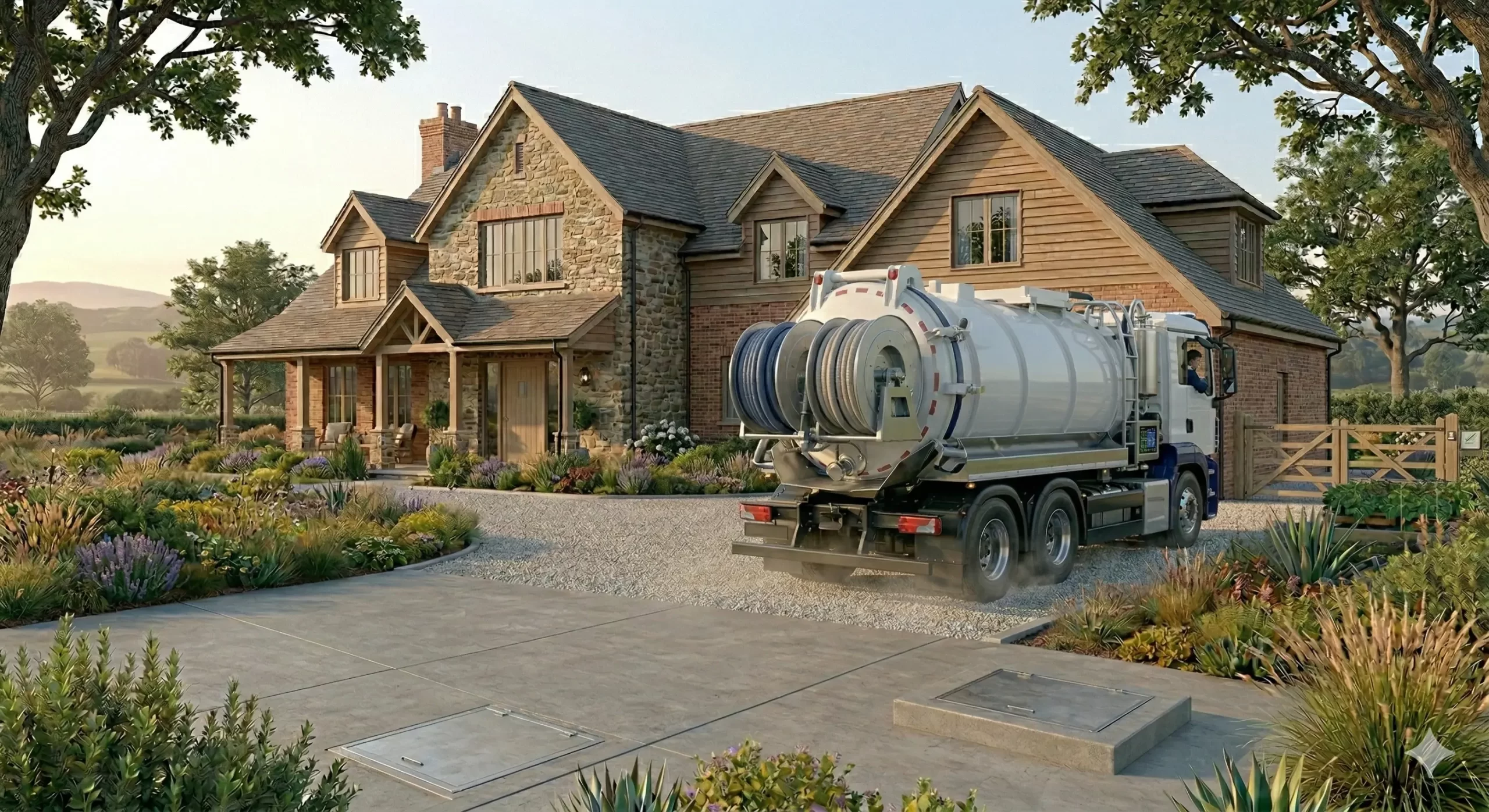
For thirty years, I’ve been sticking my head in other people’s problems—literally. And the biggest problem I see, time and time again, is a complete and utter ignorance of what’s happening inside that big concrete box buried in the yard. People think it’s magic. Flush the toilet, and it disappears. Well, it doesn’t disappear. It turns into three things: effluent (the watery stuff), scum (the greasy stuff), and the topic of today’s lecture: sludge. Sludge is the heavy, solid waste that settles at the bottom of your tank. It’s the organic matter, the stuff you flushed, that the bacteria in your tank have broken down into a dense, semi-solid blanket of pure trouble.
You ignore that sludge layer at your own peril. It’s not just a maintenance item; it’s a ticking clock. Every flush adds to it. It builds and builds until it displaces the water in the tank, reducing the settling time for new waste. Eventually, that solid waste gets pushed out into your drain field. That’s when you call me, panicking, with sewage backing up into your bathtub. And that’s when I get to charge you a whole lot more than if you’d just listened in the first place.
My No-Nonsense Maintenance Tips (From a Guy Who’s Seen It All)
Let’s get one thing straight: those ‘miracle’ septic additives you see at the hardware store are mostly snake oil. A fancy box of enzymes isn’t going to make thirty years of accumulated sludge vanish. Your tank has all the bacteria it needs, thank you very much. The only thing that removes sludge is a vacuum hose attached to a pumper truck, operated by someone who knows what they’re doing. For a free consultation, simply reach out to our office serving Hollywood, FL.
- Know Your Schedule: The U.S. EPA gives you a handy chart, but the real rule is based on your life. A family of five in a 1,000-gallon tank needs a pump-out every 2-3 years, period. Two retirees in the same house? Maybe you can stretch it to 4-5 years. In Pennsylvania, with our often-rocky soil and freeze-thaw cycles, you don’t want to push your luck. The Pennsylvania Department of Environmental Protection (DEP) has its own guidelines, and your local township might be even stricter.
- Watch What You Flush: This ain’t a garbage can. No ‘flushable’ wipes (they’re a lie), no feminine hygiene products, no grease, no coffee grounds, no paint thinner. Every bit of that junk either clogs the pipes or kills the good bacteria that break down the waste, causing your sludge layer to grow faster and become more toxic.
- Keep Records: I show up to a house and ask the owner when their tank was last pumped. They stare at me with blank eyes. ‘Uh… maybe five years ago? Or was it ten?’ Keep a damn folder. Write down the date, the company you used, and how many gallons they pumped. A good record tells a story. When you go to sell your house, that folder is worth its weight in gold to a home inspector.
A Real-Life Case Study: The Miller’s Nightmare in Bucks County, PA
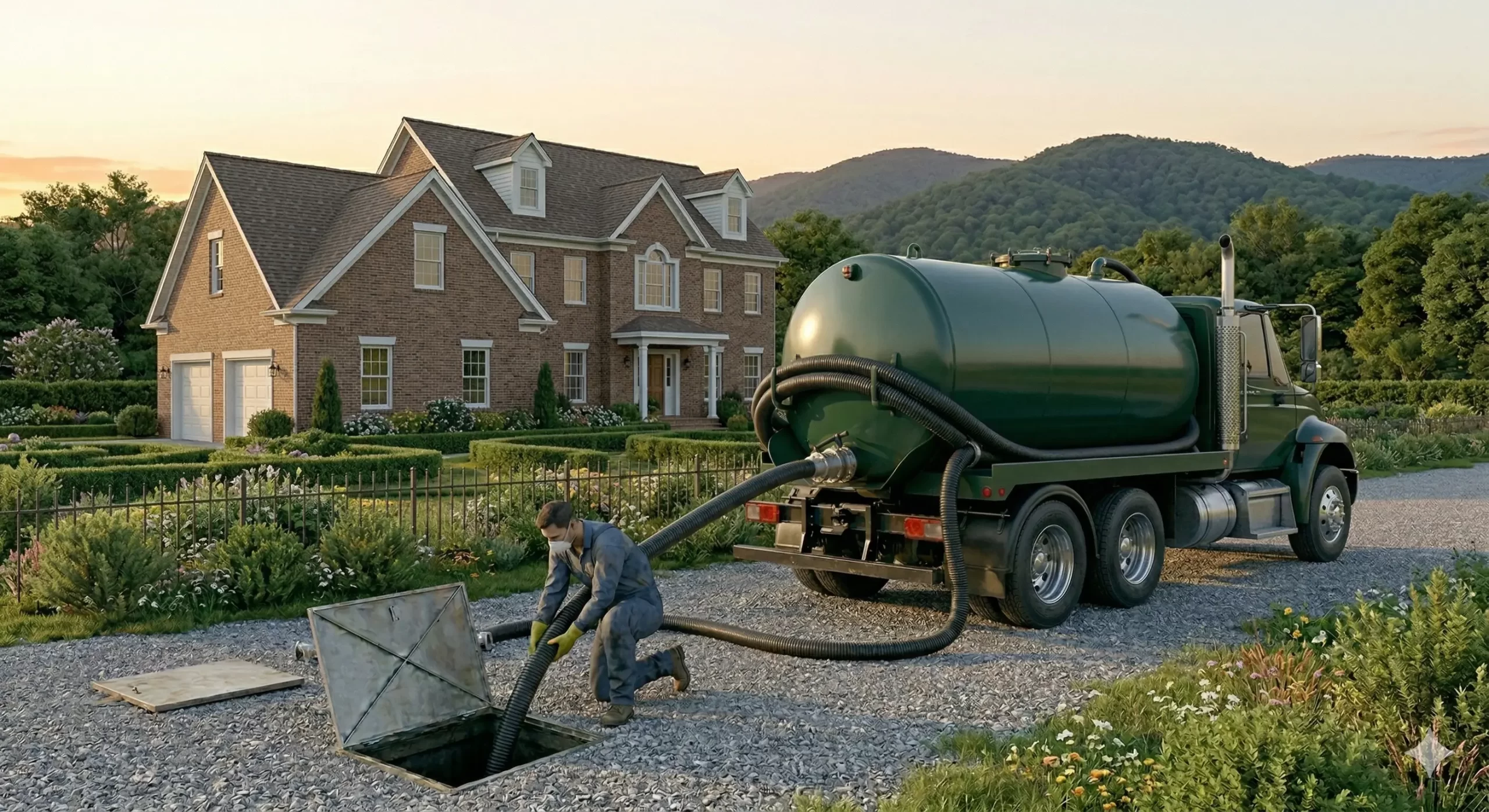
I won’t forget the Millers. Nice young couple, bought a beautiful old farmhouse. The previous owner swore up and down the septic had been ‘serviced regularly.’ That was a lie. They called me on a Saturday in July, hotter than a two-dollar pistol. Their two kids couldn’t take a bath because gray, foul-smelling water was coming back up the drain. The yard smelled like a swamp.
I opened the tank lid, and it was a solid mass. The sludge layer had risen so high it was touching the scum layer. There was no liquid left. For years, every flush had been pushing solid waste directly into their drain field. We pumped what we could—it was like trying to suck concrete. Then came the bad news. I had to tell them their drain field was completely impacted. The soil was so clogged with biomat—a lovely term for black, tar-like sludge—that it couldn’t absorb a single drop of water.
The solution? A complete drain field replacement. In Bucks County, that’s not simple. You’ve got permits, perc tests (to see if the soil can even support a new system), and inspections. The local health department official, a fella I know named Gary, had to come out and officially condemn their old system. They were issued a Notice of Violation, giving them 90 days to comply. The final bill, after excavation, new piping, gravel, topsoil, and reseeding their beautiful lawn, was north of $25,000. All because someone didn’t want to spend $400 every few years on a pump-out. Navigating local soil conditions can be tricky. Consult our Lady Lake, FL septic pumping guide.
Cost Breakdown: Don’t Be a Cheapskate
People get sticker shock over septic work, but you’re running a private utility in your backyard. It’s not free. Here’s what you’re really looking at. Remember, these are estimates. Your mileage may vary, especially if you live somewhere with difficult access or strict municipal codes. You can find more detailed pricing and local regulations on our dedicated Groveland, FL location page.
| Service Item | Typical Cost (Pennsylvania) | Grumpy Veteran’s Notes |
|---|---|---|
| Routine Pumping (1000-1500 gal) | $350 – $600 | The cheapest insurance you can buy. Price goes up if we have to dig for your lids. Know where they are! |
| Emergency / After-Hours Pumping | $600 – $1,000+ | You pay for my interrupted dinner. And it’s never a clean job when the system is backed up. |
| Drain Line Jetting / Clog Removal | $500 – $1,200 | A temporary fix if sludge has started to clog the outlet pipe. Doesn’t fix the core problem. |
| Full Drain Field Replacement | $15,000 – $40,000+ | The financial death penalty for septic neglect. Includes permits, soil science, heavy machinery, and restoring your destroyed lawn. |
Troubleshooting: When the Sludge Bites Back
Your system will give you warnings before it catastrophically fails. You just have to know how to listen. Don’t be the person who ignores the smoke alarm until the house is on fire. Here’s the progression from ‘everything’s fine’ to ‘I have a sewage pond in my yard.’
Progression of Sludge-Related Failure
- Level 1: The Honeymoon Phase (Years 1-3)
The tank is new or recently pumped. Sludge layer is minimal. Effluent is clear. Bacteria are happy. Your system is working exactly as designed. You don’t even think about it. This is the time to mark your calendar for the next pump-out. - Level 2: The ‘Getting Full’ Phase (Years 3-5)
The sludge layer is now taking up 25-30% of the tank volume. Settling time is reduced. You might notice the occasional ‘gurgle’ from a toilet or slow drain, which you probably ignore. The system is stressed, but still functioning on the edge. This is the absolute latest you should be calling me. - Level 3: The Danger Zone (Years 5-8)
The sludge level is above the 33% mark, which is the failure point by most codes. Solid particles are now regularly washing out into your drain field. You’ll notice persistent slow drains. There might be a faint septic odor outdoors near the tank or drain field, especially after heavy rain. The grass over the drain field might be unusually green and lush. That’s not fertilizer, friend. That’s effluent surfacing. - Level 4: Total System Failure (Years 8+)
Catastrophe. The sludge has clogged the outlet baffle or the drain field pipes. Sewage is backing up into your home through the lowest drains (showers, floor drains). You have standing, foul-smelling water on your lawn. You have failed your legal duty as a homeowner. The health department is now your worst enemy, and I am your very expensive last resort.
EPA Rules, Municipal Codes, and Health Department Nightmares
Think your septic system is your private business? Think again. Your septic system is a small-scale wastewater treatment facility, and it’s regulated. The EPA sets the baseline standards under the Clean Water Act because a failing septic system doesn’t just ruin your lawn—it pollutes groundwater, wells, streams, and lakes. It’s a public health hazard.
Do you know what happens when a health inspector gets a call from your neighbor complaining about a smell coming from your property? The inspector, armed with the full authority of the municipal plumbing code and state law (like Pennsylvania’s Title 25 Environmental Protection code), will show up at your door. They can and will perform a dye test, flushing a harmless, bright green dye down your toilet. If that dye shows up on your lawn or in a nearby ditch, you’ve just been handed a failing grade. This triggers a formal Notice of Violation. You won’t be asked to fix it; you will be ordered to. Failure to comply leads to daily fines, court orders, and even a lien on your property. You can’t sell your house, you can’t refinance, and you’re bleeding money every day.
These regulations aren’t suggestions. They’re law. A septic permit for a new installation or a major repair is a complex legal document. It requires site evaluations, soil testing (the dreaded ‘perc test’), and system designs approved by a licensed engineer. The days of a guy with a backhoe digging a trench and filling it with gravel are long gone, and for good reason. I’ve seen too many of those old, illegal systems fail, contaminating the drinking water well of the house next door. The legal liability for that is staggering.
What Folks Are Saying…
⭐⭐⭐⭐⭐
“Called them out for an emergency backup. The guy who showed up was a bit of a grump, but man, did he know his stuff. He explained the sludge problem in a way I could finally understand and didn’t try to sell me a bunch of junk I didn’t need. Honest and direct. System’s been running perfectly ever since.” For a free consultation, simply reach out to our office serving Lake Placid, FL.
– Mark T., Chester County, PA
⭐⭐⭐⭐⭐
“I was selling my home and the buyer’s inspection flagged a high sludge level. I thought I was in for a huge repair bill. They came, did a thorough pump and clean, and provided all the paperwork the township needed to certify the system. Saved my home sale. Worth every single penny.”
– Susan G., Doylestown, PA
Frequently Asked (and Frankly, Annoying) Questions
How do I know how deep my sludge layer is?
You don’t, not without the right tools. A professional will use a ‘sludge judge’—a clear tube that’s lowered to the bottom of the tank to pull up a core sample showing the distinct layers. Some old-timers wrap a white towel around a long stick and lower it in; the sludge leaves a clear stain. But honestly, just stick to a regular pumping schedule based on your household size and tank capacity. Don’t overthink it.
Can a high sludge level cause my well water to be contaminated?
Yes, absolutely. This is the big one. If the sludge clogs your system and untreated effluent surfaces on your lawn, that bacteria- and virus-laden water can migrate and seep down into the aquifer, contaminating your well and your neighbors’ wells. Most local health codes require a minimum distance (usually 100 feet in Pennsylvania) between a well and any part of the septic system for this very reason. A failed septic isn’t just a plumbing problem; it’s a biohazard.
My house is on a sewer system now, but I have an old, unused septic tank. Can I just leave it?
No. You can’t. Leaving an empty, abandoned tank in the ground is a massive safety hazard and is illegal in most jurisdictions. Over time, the lid can degrade and collapse, creating a dangerous hole. The law requires abandoned tanks to be properly decommissioned. This means it must be pumped out completely one last time, and then either crushed and filled with earth or filled completely with a flowable material like concrete or sand.
So there you have it. The sludge layer isn’t some abstract concept. It’s a physical, growing problem under your lawn that is governed by physics, biology, and the law. Ignore it, and it will cost you. Respect it, manage it, and it will do its job quietly for decades. The choice is yours. For fast response times, get in touch with our septic professionals servicing Atlanta, TX.
Technically Reviewed By:
BlixBase Master Plumber Team
20+ Years Septic Industry Experience | Certified System Inspectors