

Introduction: Deconstructing the Percolation Test Failure
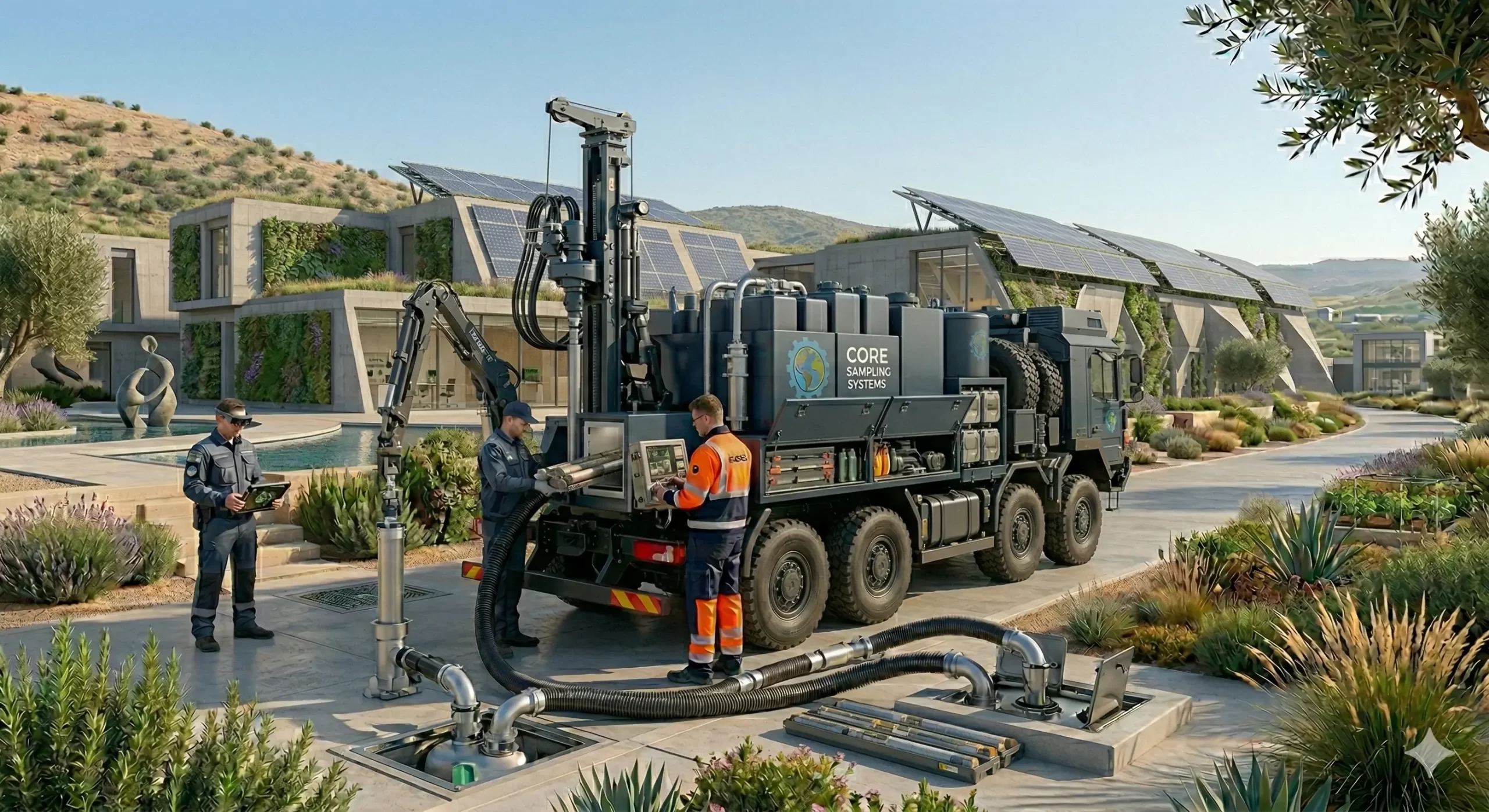
A failed percolation (perc) test is a formal notification that your property’s soil lacks the requisite hydraulic conductivity to support a conventional, gravity-fed septic drain field. It is not an opinion; it is a data-driven conclusion based on the observed rate at which water is absorbed by the soil substrate. To put it in mechanical terms, your property’s ‘engine block’—the soil—is cracked. You cannot fix a cracked engine block with a simple oil change. Similarly, you cannot resolve inadequate soil permeability with cheap, unscientific gimmicks. The septic system is the digestive and excretory tract of your home; a failed perc test indicates the ‘intestines’ (the soil) cannot properly absorb and process effluent, necessitating an advanced, life-support-like system to prevent catastrophic failure and contamination.
This document serves as a technically rigorous guide to navigating this challenge. We will systematically dismantle prevalent industry myths, expose fraudulent contractor practices, and delineate the engineered solutions that are legally and functionally required when confronted with restrictive soil conditions, such as those found in the dense clay belts of Georgia or the high-water-table regions of New England.
Real-Life Case Study: Lumpkin County, Georgia
Site Conditions: A 2.5-acre parcel in a rural jurisdiction north of Atlanta. Soil analysis revealed a dominant profile of Cecil sandy clay loam with a percolation rate measured at less than 0.6 inches per hour (1.52 cm/hr). The regulatory minimum for a conventional system is 1.0 inch per hour (2.54 cm/hr). Additionally, a seasonally high water table was identified at 28 inches below grade, posing a significant risk of groundwater contamination.
The Contractor’s Fallacious Proposal: The initial quote from a non-certified installer proposed an oversized conventional trench system. The flawed logic was that a larger footprint would compensate for the low percolation rate. This is fundamentally incorrect. A larger drain field in impermeable soil merely becomes a larger, subterranean holding pond for untreated effluent, guaranteeing system failure and a public health nuisance. This approach is illegal under Georgia DPH Rule 511-3-1. Whether it’s a minor repair or a major overhaul, our Wauchula, FL plumbing and septic crew has you covered.
The Engineered Solution: Our firm was engaged to design a compliant system. A formal site evaluation confirmed the initial findings. A mound system was considered but rejected due to a 17% slope on the only viable installation area. The prescribed solution was an NSF/ANSI 40 & 245 certified Aerobic Treatment Unit (ATU) coupled with a timed-dosed drip irrigation dispersal field.
- Treatment Level: The ATU utilizes forced aeration to cultivate aerobic microorganisms, which reduce Biochemical Oxygen Demand (BOD5) and Total Suspended Solids (TSS) by over 95%, from an influent concentration of ~250 mg/L to an effluent concentration of <15 mg/L. It also significantly reduces total nitrogen, a key factor in protecting the local watershed.
- Dispersal Method: The high-quality treated effluent is then pumped to a drip irrigation field. This field consists of a network of pressure-compensating tubing with emitters spaced every 24 inches, installed only 6-10 inches below the surface. This allows the effluent to be slowly dispersed into the most biologically active soil horizon, where it is absorbed by plant roots and further treated via evapotranspiration.
Outcome: The system design was approved by the Lumpkin County Environmental Health Department. The installation was completed under engineering supervision, passed all inspections, and has been operating within design parameters for three years. The property, once deemed undevelopable, is now a functional and compliant residence.
Cost Analysis: The Financial Reality of Alternative Onsite Wastewater Treatment Systems (OWTS)
The financial delta between a conventional septic system and an engineered alternative system is substantial. Contractors who obscure these figures are engaging in deceptive practices. The costs are higher due to advanced components (pumps, aerators, control panels), required design work by a licensed engineer or soil scientist, and more complex installation procedures. Below is a realistic cost matrix. For a free consultation, simply reach out to our office serving Marshall, TX.
| System Type | Installation Cost (USD) | Annual Maintenance Cost (USD) | Primary Application |
|---|---|---|---|
| Conventional Gravity System | $5,000 – $12,000 | $0 (Pumping every 3-5 years) | Permeable soils, adequate separation from water table. |
| Engineered Mound System | $18,000 – $35,000 | $150 – $300 (Pump maintenance) | High water table, shallow bedrock, slow perc soils. |
| Aerobic Treatment Unit (ATU) with Spray/Drip | $20,000 – $45,000+ | $300 – $600 (Mandatory service contract) | Very poor soils, small lots, environmentally sensitive areas. |
| Evapotranspiration (ET) Bed | $15,000 – $25,000 | $0 – $100 | Arid/Semi-Arid climates only. Highly restrictive use. |
System Maintenance & Operational Protocols
Alternative systems are not passive infrastructure; they are active treatment plants that demand routine, professional maintenance. Homeowner neglect is the leading cause of premature failure. We understand the specific environmental rules for your region. Learn more from our experts in Lady Lake, FL.
- Aerobic Treatment Units (ATUs): Most jurisdictions mandate a biennial service contract with a certified technician. This service is not optional. The technician will verify the aerator/blower is functional, check alarm systems, measure sludge and scum levels, and pull an effluent sample to test for clarity and residual chlorine (if applicable). Failure to maintain the service contract can void the system’s operational permit.
- Drip Dispersal Fields: These systems require periodic flushing of the drip lines (typically annually or biennially) to remove accumulated solids and biological slime (biofilm) that can clog the emitters. The disc filters at the headworks must be cleaned on a quarterly or semi-annual basis.
- Universal Prohibitions: The operational integrity of any onsite system, conventional or alternative, is compromised by the introduction of improper materials. This includes, but is not limited to: cooking grease/oils, wet wipes (even those labeled ‘flushable’), feminine hygiene products, excessive quantities of bleach or antibacterial cleaners, and water softener backwash brine.
Progression of Failure Timeline for an Improper System
This timeline illustrates the inevitable failure of an undersized or improperly specified system installed in soil with poor percolation characteristics.
- Year 1: The Deceptive Calm. The system appears to function. Effluent is being accepted by the trenches, but it is ponding below the surface as the soil’s hydraulic acceptance rate has already been exceeded. A dense, black anaerobic biomat begins to form at the soil-gravel interface, further reducing permeability.
- Year 2-3: Early Warning Indicators. Drains inside the home become sluggish. Toilets may gurgle when flushed. The septic tank requires pumping more frequently than the standard 3-5 year interval, as effluent is unable to exit to the saturated drain field.
- Year 4-5: Systemic Failure Imminent. A distinct hydrogen sulfide (rotten egg) odor becomes noticeable in the yard, particularly after heavy rainfall. The ground above the drain field becomes persistently damp and spongy. The grass in this area may appear unusually green and lush due to the high concentration of nitrates.
- Year 5+: Catastrophic Failure & Public Health Hazard. Greywater and blackwater surfaces in the yard, pooling and creating a direct vector for pathogens like E. coli and Giardia. Sewage may back up into the home’s lowest plumbing fixtures. The local health department will issue a formal Notice of Violation, which may include substantial daily fines and a legal order to vacate the premises until a compliant system is installed. This stage transitions from a property issue to a serious legal and public health crisis.
Troubleshooting Common Myths and Misinformation
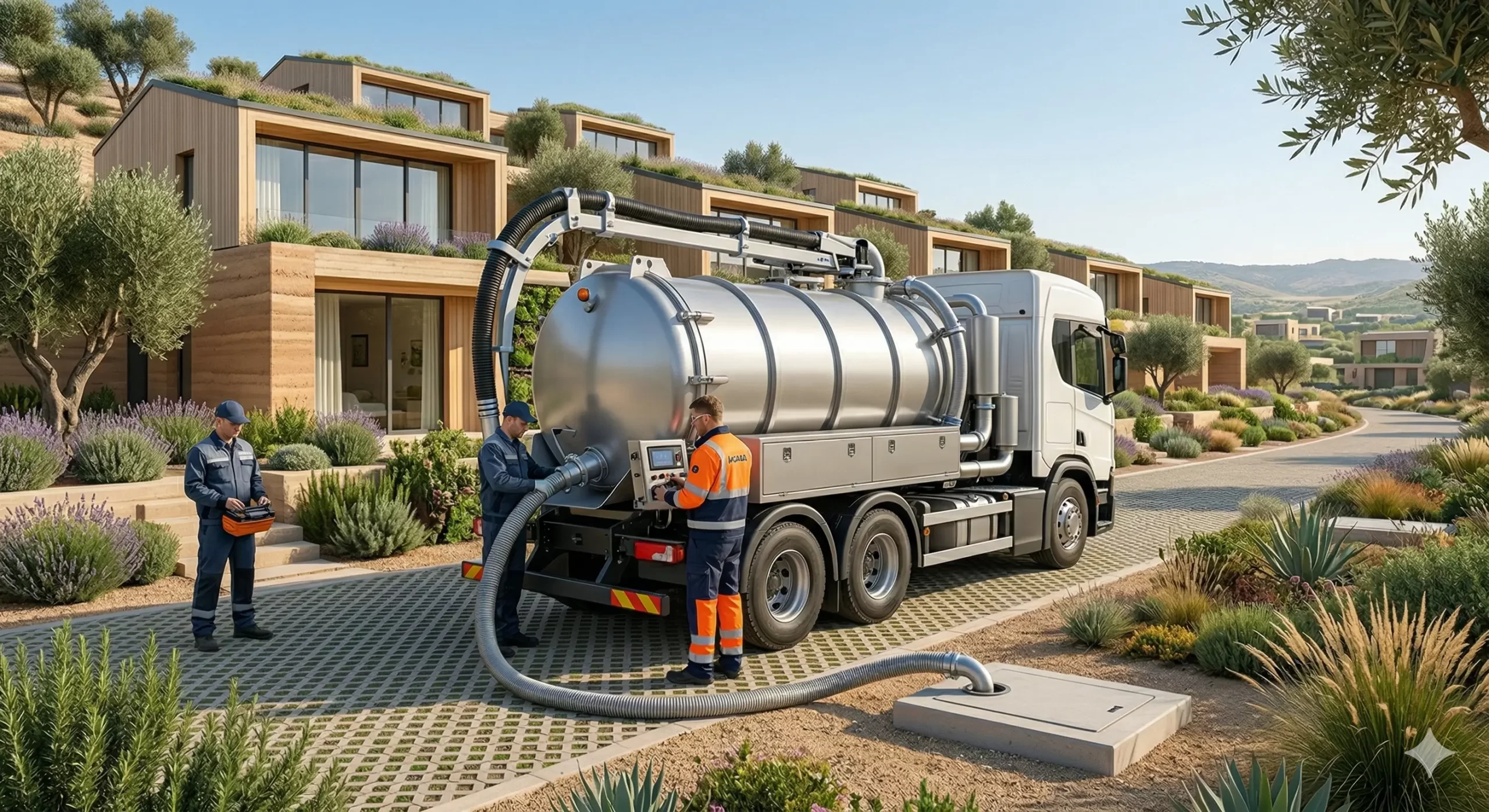
The internet is rife with dangerously incorrect advice regarding septic systems. Adhering to these myths will not only fail to resolve the underlying issue but can exacerbate the problem and lead to greater expense.
Another common but flawed suggestion is to simply ‘add more stone’ or ‘build a bigger drain field’. As detailed in the case study, this logic is fundamentally unsound. The limiting factor is the Ksat (saturated hydraulic conductivity) of the native soil. A larger trench in unsuitable soil is merely a larger vessel for containment prior to inevitable failure. The solution is not a larger dispersal area, but a higher level of treatment before dispersal, which is the entire principle behind alternative systems. For a free consultation, simply reach out to our office serving Daytona Beach Shores, FL.
Client Testimonials
⭐⭐⭐⭐⭐
“We were told our dream property was unbuildable after two failed perc tests on its heavy clay soil. We were about to walk away from our deposit. A local engineer reviewed our soil reports and designed an ATU with a drip system that the county health department approved immediately. The process was technical and precise, not a cheap guess. They saved our project and our investment.” Protect your property value by working with certified septic inspectors in Lake Placid, FL.
– David & Sarah M., Dawsonville, GA
⭐⭐⭐⭐⭐
“As a real estate agent, a failed perc test can kill a deal instantly. I had a listing with a high water table that no standard installer would touch. We brought in a septic engineering consultant who designed a mound system that not only met all state regulations but also preserved the property’s main yard space. Their expertise turned a dead-end sale into a successful closing.”
– Jennifer C., Realtor, Lee, NH
Frequently Asked Questions (FAQ)
Can a failed perc test be appealed or re-done?
An appeal or re-test is possible but is governed by specific technical criteria, not wishful thinking. A valid basis for a re-test includes: 1) Demonstrable procedural error by the initial tester. 2) Significant seasonal variation; a test conducted during an abnormally wet season may yield a different result in a dry season, which a soil scientist can document. 3) Testing an alternative location on the property that may have a different soil profile. Simply digging a new hole next to the first one and hoping for a different outcome is not a valid engineering or regulatory strategy.
What is the core difference between an ATU and a standard septic system?
The fundamental difference is the method of microbial digestion. A standard septic system is an anaerobic (oxygen-free) environment. This process is slow, incomplete, and produces a low-quality effluent high in pathogens, BOD5, and TSS, which requires soil for final treatment. An Aerobic Treatment Unit (ATU) actively pumps air (oxygen) into the wastewater, fostering highly efficient aerobic bacteria. This process rapidly breaks down organic solids and pathogens, producing a clear, odorless, high-quality effluent (secondary or tertiary treatment level) that is clean enough to be dispersed in less-than-ideal soil conditions via drip irrigation or surface spray (where permitted).
Are ‘engineered’ or ‘alternative’ systems legal everywhere?
Yes. Alternative systems are not a legal loophole; they are the prescribed legal solution for sites that cannot support conventional systems under state and local health codes. Their use is not only permitted but is often mandated for specific site conditions. However, they require a higher level of regulatory scrutiny. This always involves submitting detailed design plans, calculations, and specifications prepared and stamped by a licensed Professional Engineer (P.E.) or registered soil scientist for approval by the local health authority prior to any permit being issued.
Why are alternative systems so much more expensive?
The cost is a direct function of complexity and components. A conventional system is a passive, gravity-fed tank and trench. An alternative system is an active treatment facility. The cost drivers include: 1) Engineering Fees for site evaluation, soil analysis, and system design. 2) Advanced Components such as pumps, float switches, control panels, aerators/blowers, and specialized drip tubing. 3) Increased Labor for a more complex installation, including electrical and plumbing work. 4) Proprietary Technology Costs for the ATU or other treatment media. 5) Mandatory long-term maintenance contracts required by law. The price reflects a shift from simple disposal to active wastewater treatment.
Technically Reviewed By:
BlixBase Master Plumber Team
20+ Years Septic Industry Experience | Certified System Inspectors