
How much is this high-tech septic solution going to cost me?
Alright, let’s get right to the question everyone’s afraid to ask: the price tag. An Evapotranspiration (ET) system isn’t your grandpa’s septic setup, and the cost reflects the engineering involved. Think of it less like digging a hole and more like building a sealed, underground wastewater terrarium. You’re not just getting rid of water; you’re creating a specific ecosystem to do it for you. For a typical 3-4 bedroom home in an area like the Texas Hill Country or parts of Arizona, you should budget between $15,000 and $30,000. Yes, that’s a wide range, but it all depends on site specifics. For homeowners nearby, we highly recommend calling our Holly Hill, FL wastewater professionals.
Here’s a breakdown of where that money goes. Remember, these are ballpark figures and can fluctuate based on your location and the price of materials.
| Component / Service | Typical Specification | Estimated Cost Range |
|---|---|---|
| Permitting & Site Evaluation | County Health Dept. & Engineer Fees | $1,000 – $2,500 |
| Excavation | ~150-200 cubic yards | $2,000 – $4,000 |
| Waterproof Liner | 30-mil PVC or 40-mil LLDPE | $2,500 – $5,000 |
| Washed Sand Media | 12 inches deep (ASTM C33 sand) | $3,000 – $6,000 |
| Gravel & Piping | Schedule 40 PVC, distribution boxes | $800 – $1,500 |
| Septic Tank (1250 Gallon) | Precast Concrete, 2-Compartment | $2,000 – $3,500 |
| Labor & Installation | Skilled Crew, 3-5 Days | $4,000 – $8,000 |

So, what exactly *is* an ET septic bed?
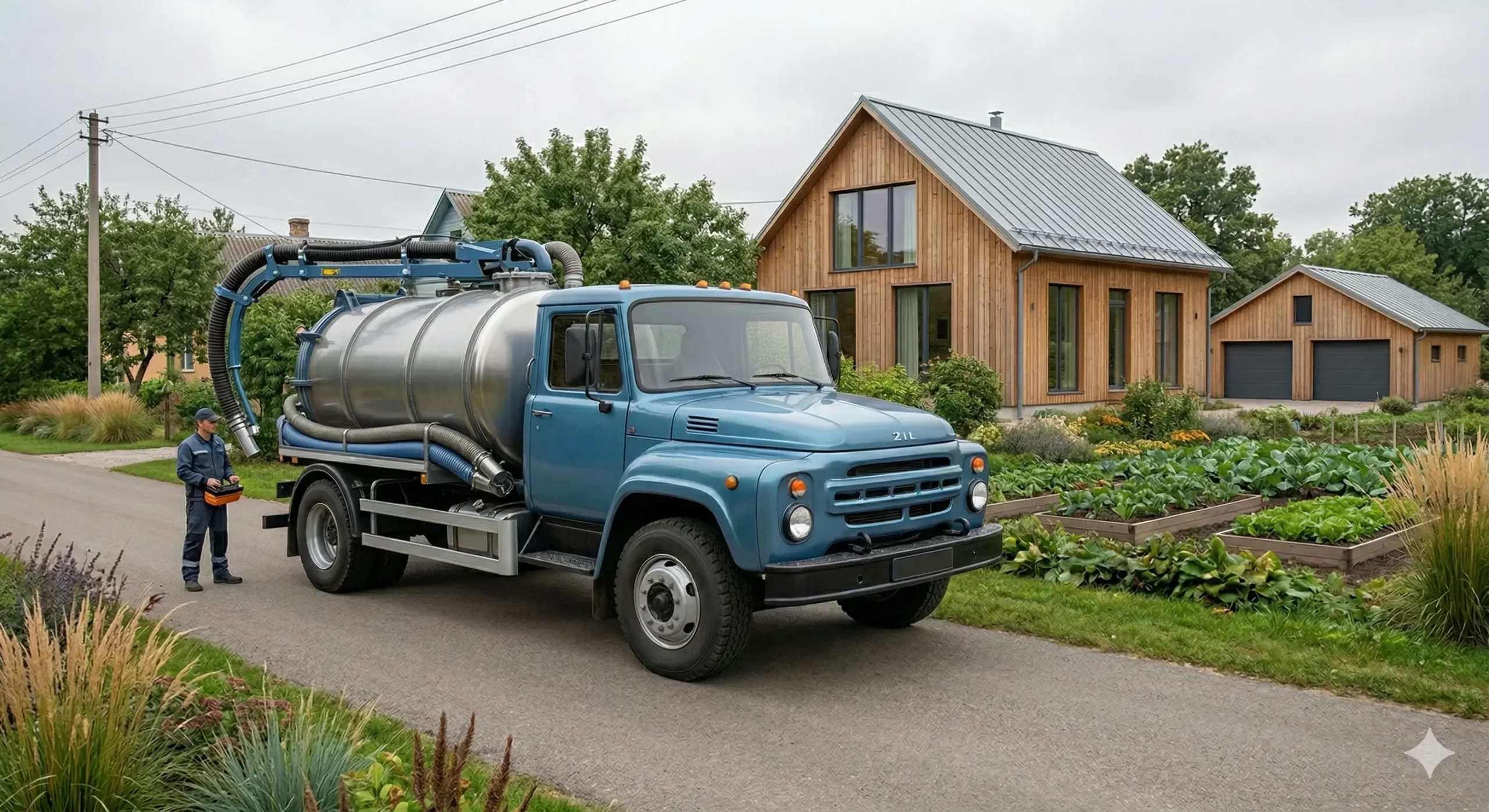
Let’s get our hands dirty, figuratively speaking. A conventional septic system is pretty simple: waste goes from the house to a septic tank where solids settle out, and the leftover liquid (effluent) flows into a big underground gravel pit called a drain field or leach field. The whole point is to let that water percolate, or soak, down into the soil where Mother Nature cleans it up. For homeowners nearby, we highly recommend calling our Sealy, TX wastewater professionals.
But what if your soil is a stubborn mule? What if you’re trying to build on solid rock, or heavy, dense clay that water can’t penetrate? That’s where the magic of an Evapotranspiration bed comes in. Instead of trying to force water *down*, we build a system that encourages it to go *up*.
An ET bed is essentially a massive, shallow, watertight basin built in the ground. It’s lined with an impermeable layer, like a 30-mil PVC or a 40-mil LLDPE (Linear Low-Density Polyethylene) liner – basically a super-tough swimming pool liner. This basin is then carefully filled with specific layers of washed gravel and, most importantly, a thick layer (usually 12 to 24 inches) of a very specific type of sand (ASTM C33 is the gold standard). The effluent from your septic tank is piped into the gravel layer at the bottom. From there, capillary action – the same force that lets a paper towel soak up a spill – draws the water upward through the sand to the surface. Once near the surface, two things happen: Keeping your system healthy is easier when you partner with top-rated Mount Pleasant, TX septic technicians.
- Evaporation: The sun and wind do their work, turning the wastewater into water vapor and returning it to the atmosphere.
- Transpiration: We plant special, shallow-rooted, salt-tolerant grasses on top of the bed. These plants act like living straws, drinking up the nutrient-rich water and ‘breathing’ it out through their leaves.
The combination of these two processes, Evapo-Transpiration, is how the system disposes of 100% of your home’s wastewater without a single drop entering the surrounding soil or groundwater. It’s a closed-loop system, perfect for environmentally sensitive areas or impossible soil conditions.
How do I know if my ET bed is in trouble?
Even the best systems can have bad days. The key with an ET bed is catching problems early, because a failure isn’t just a wet spot; it’s a contained biohazard. Here are the big warning signs and what they mean:
- Persistent Spongy Ground or Standing Water: If your ET bed feels like a waterbed or you see pooling water, you’ve got a major problem. This means the system is taking on more water than it can evaporate. This is called ‘hydraulic overload.’ It could be from a running toilet in the house adding 200 gallons a day, a recent week of non-stop rain, or the bed being too small for your family’s water usage.
- Foul, Swampy Odors: A healthy ET bed should smell earthy, like a garden after rain. If you smell raw sewage, it means the system has gone ‘anaerobic.’ The good bacteria are dead, and the bad, smelly ones have taken over. This can happen if solids from your septic tank have flowed into the bed, clogging the sand pores. It’s a sign your tank is overdue for pumping.
- Lush, Green Patches… in the Wrong Place: The grass on the bed should be uniformly healthy. If you see an unusually green, vibrant patch of grass *next* to the bed, it’s a tell-tale sign of a liner leak. Effluent is escaping the sealed basin and over-fertilizing that one spot. This requires immediate, professional attention to excavate and patch the liner.
- Bare Patches or Dying Vegetation: If the grass on top of the bed is dying off, it could be a sign of high salt concentration. As water evaporates, salts and minerals from your water and waste are left behind. Over many years, this can build up to toxic levels for the plants. This is a late-stage problem and often difficult to remedy without replacing some of the sand media.
Progression of Failure: A Timeline
An ET bed rarely fails overnight. It’s a slow decline. Here’s what it looks like over the years if maintenance is neglected:
- Year 1-3 (The Good Times): System is brand new. It handles water effortlessly. The grass on top is healthy. You forget it’s even there. No odors, no issues.
- Year 4-6 (Early Warnings): After an unusually rainy month, the bed stays a little ‘spongy’ for a week. You might catch a faint septic smell on a very humid, still day. You notice the grass is greener and grows faster than the rest of your lawn.
- Year 7-9 (The Problem is Obvious): There’s a permanent damp area on the bed’s surface. The septic odor is noticeable a few times a week, especially downwind. Your drains in the house might start running a little slow, a sign the system is struggling to accept more water.
- Year 10+ (Catastrophic Failure): There is standing, blackish water on the bed. The sewage smell is constant and powerful. Nothing drains in the house; toilets gurgle and wastewater backs up into your showers. The liner may be compromised, and the sand media is completely clogged with solids. You are now looking at a full system replacement, which could cost more than the original installation.
What does a real-world ET installation look like?
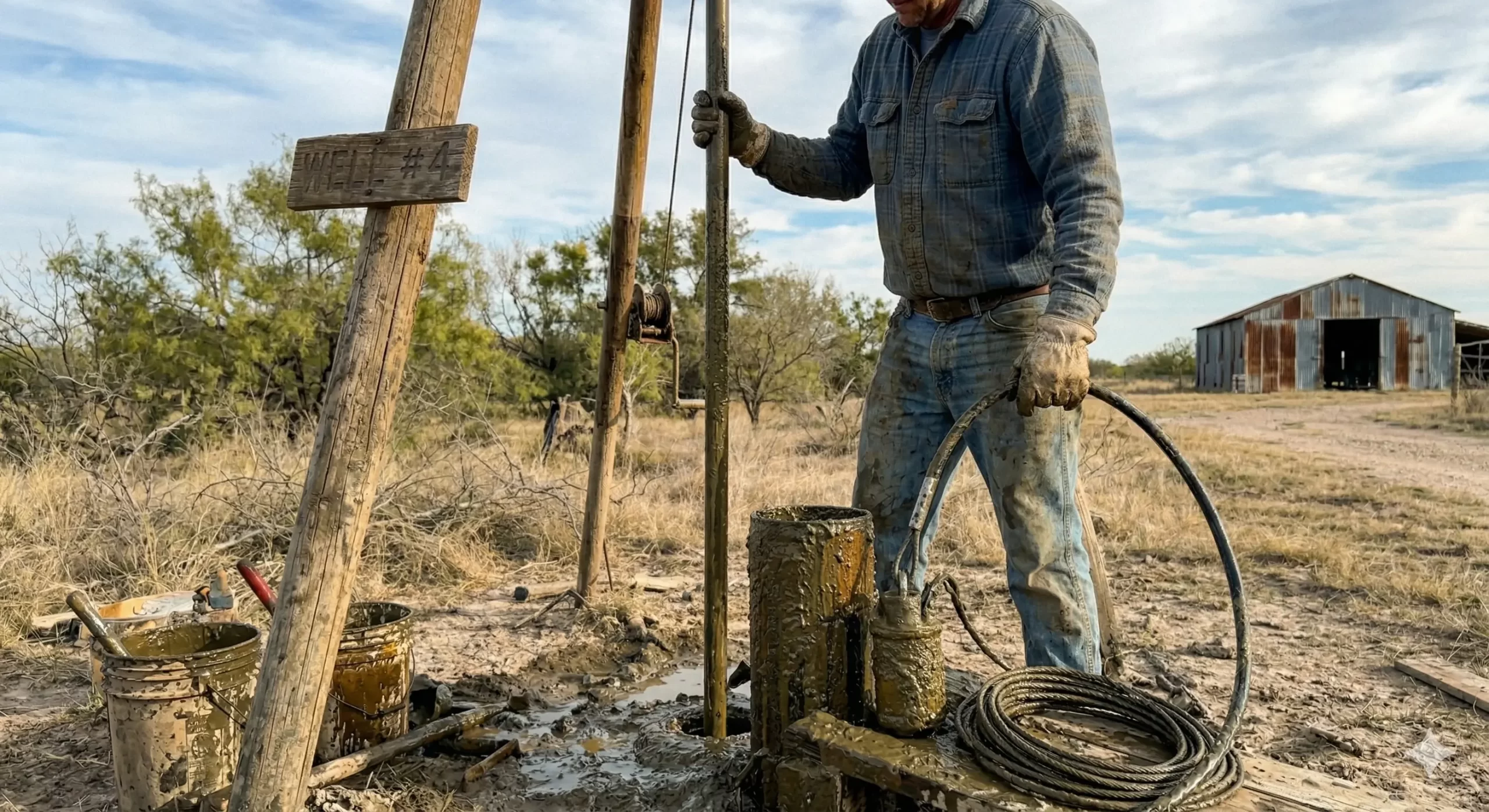
Let me tell you about the Miller family out near Marble Falls, Texas. They bought a beautiful piece of property with a classic Texas Hill Country problem: about 8 inches of topsoil sitting on a solid shelf of limestone. You couldn’t dig a post hole, let alone a conventional drain field. A perc test was laughable; the water just sat in the hole like a birdbath.
They were told they couldn’t build. But we had a solution. We designed an ET system tailored to their specific site. The local regulations required calculating the bed size based on the home’s potential water flow (300 gallons per day for their 4-bedroom plan) and the area’s net evaporation rate (which accounts for rainfall). The calculation looked something like this:
(300 gallons/day) / (0.25 inches/day average net evaporation) * (1.6 conversion factor) = ~1,920 square feet.
We excavated a shallow, 2,000-square-foot basin. We carefully laid down and welded the seams of a 40-mil LLDPE liner, running it up the sides to form a ‘bathtub’. Next, we installed the perforated PVC piping network and covered it with 6 inches of ASTM D448 No. 8 pea gravel. The most critical step was next: we trucked in and carefully placed 18 inches of clean, washed ASTM C33 concrete sand. This sand is crucial because its particle size is perfect for the capillary wicking action that pulls water to the surface without getting clogged easily. Finally, we topped it with 6 inches of sandy loam topsoil and seeded it with a native, salt-tolerant buffalo grass mix. Protect your property value by working with certified septic inspectors in Cleburne, TX.
The result? The Millers built their dream home. For seven years now, their ET bed has silently and effectively managed all their wastewater, protecting the sensitive Edwards Aquifer below. It just looks like a slightly elevated, healthy patch of lawn in their backyard.
Hear It From Our Customers
“We were at our wit’s end. Our property in Arizona has impossible caliche soil and no one thought we could get a permit. These guys came in, explained the entire ET bed process, and installed a system that passed inspection with flying colors. It’s been three years without a single issue. True professionals who know their craft.”
– Michael B., Pinal County, AZ ⭐⭐⭐⭐⭐
“I was worried about the maintenance of such a complex septic system. The team gave me a simple, clear checklist of what to do and what not to do. They explained the importance of water conservation and using the right plants on top. The peace of mind is priceless. They didn’t just install a system; they gave us an education.”
– Jennifer T., Kerrville, TX ⭐⭐⭐⭐⭐
How can I keep my ET bed happy and healthy?
An ET bed isn’t a ‘set it and forget it’ system. It’s a living thing, and it needs a little TLC. The good news is that the maintenance is straightforward and doesn’t require any special skills. For fast response times, get in touch with our septic professionals servicing Atlanta, TX.
- Pump Your Tank Religiously: Because the sand media is so sensitive to clogging, you can’t let solids build up in your septic tank. For a conventional system, I might say pump every 3-5 years. For an ET system, I recommend a stricter schedule of every 2-3 years, without fail.
- Become a Water Miser: Every drop you flush has to be evaporated. Fix leaky faucets and running toilets immediately. Install high-efficiency toilets, showerheads, and washing machines. Spread out laundry loads over the week instead of doing 8 loads on a Saturday. Don’t ask your ET bed to drink from a firehose.
- Mind the Landscaping: The only things that should grow on your ET bed are pre-approved, shallow-rooted, salt-tolerant grasses. Never, ever plant a tree, a shrub, or a vegetable garden on or near the bed. The roots can puncture the liner, and you don’t want to eat vegetables grown in sewage effluent.
- Keep Off the Grass: Don’t drive cars, tractors, or even a heavy riding lawnmower over the bed. This can compact the sand, ruining its wicking ability, and could potentially damage the liner or pipes below.
- Inspect the Perimeter: Once a year, walk the edge of your ET bed. Look for any erosion, animal burrows, or areas where the edge of the liner (if visible) looks cracked or damaged from sunlight.
What are some frequently asked questions about ET septic systems?
Can I install an ET septic bed in a rainy climate like Seattle or Florida?
Absolutely not. ET systems are designed specifically for arid and semi-arid climates where annual evaporation significantly exceeds annual rainfall. In a high-rainfall area, the system would quickly fill with rainwater and fail, as it wouldn’t have enough dry, sunny days to evaporate both the rainwater and your home’s wastewater. They are engineering solutions for dry climates with bad soil, not wet climates.
How deep is a typical evapotranspiration bed?
ET beds are intentionally shallow to maximize the effect of sun and wind. A typical total excavation depth is only about 24 to 36 inches. This includes about 6 inches for a gravel base, 12 to 24 inches of the critical sand medium, and a final 6-inch layer of topsoil for the vegetation. The shallow design is a key reason they work on properties with high water tables or bedrock close to the surface.
Does an ET bed require electricity to work?
In its purest form, no. A standard ET bed that is located downhill from the house can operate entirely on gravity. The natural forces of capillary action and evaporation do all the work. However, if the bed has to be located uphill from the septic tank, a pump tank and an effluent pump will be required to lift the wastewater to the bed’s distribution pipes. This would then make that part of the system reliant on electricity.
What happens to the salt and solids in the wastewater?
This is the Achilles’ heel of an ET system. While the water evaporates, everything else—salts, minerals, and any suspended solids that make it past the septic tank—gets left behind in the sand. Over a very long time (20-30 years), these can build up to a point where they clog the sand pores and inhibit plant growth. This is the ultimate lifespan of the bed. When this happens, the sand media must be excavated and replaced. This is why diligent septic tank pumping and water conservation are so critical to maximizing the life of your investment.
Technically Reviewed By:
BlixBase Master Plumber Team
20+ Years Septic Industry Experience | Certified System Inspectors