

️ What Are the Diagnostic Procedures for a Septic System Compromised by a Surface Structure?
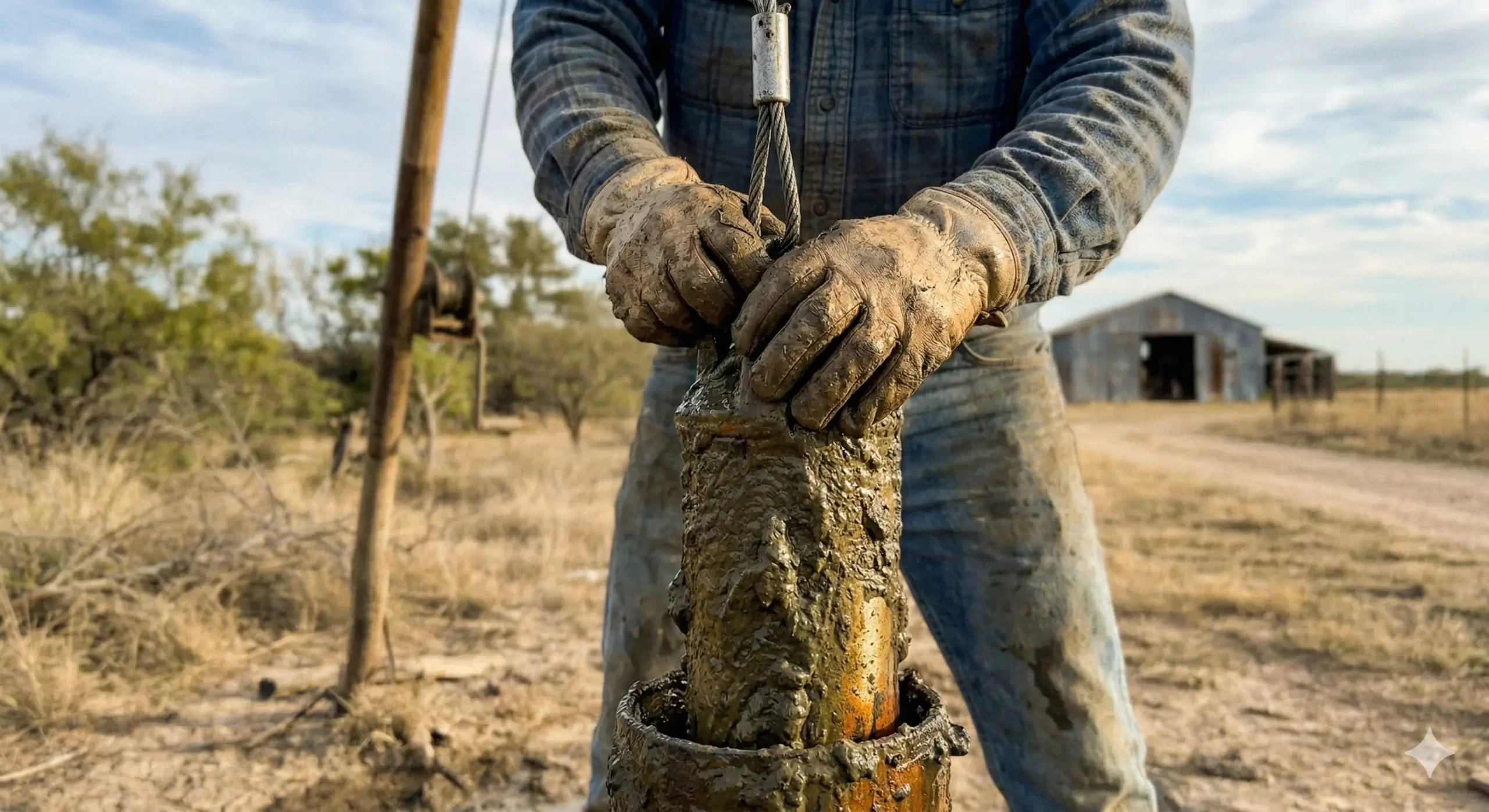
The diagnostic protocol for an Onsite Sewage Treatment and Disposal System (OSTDS) potentially compromised by a surface load, such as a shed, is systematic and data-driven. It moves from non-invasive observation to empirical testing to quantify the extent of the damage. The overarching objective is to determine if the system’s hydraulic and biological functions have been irreversibly impaired. To get a customized pumping schedule, feel free to speak with our local representatives in Tampa, FL.
Initial Visual and Olfactory Assessment
The primary, non-invasive step involves a meticulous site survey. We are looking for specific indicators of hydraulic failure and anaerobic ecosystem collapse: We also provide specialized local support—see our Midfield, AL service page for details.
- Effluent Surfacing (Ponding): The most severe indicator. This is the presence of wastewater on the ground surface, typically characterized by dark, odorous liquid. The location of the ponding relative to the shed’s footprint is a critical data point.
- Hydrophytic Vegetation: An anomalous proliferation of water-loving plants (e.g., cattails, reeds) in a specific zone indicates chronic soil saturation. Conversely, stressed or dead vegetation directly under or adjacent to the structure’s footprint can signify oxygen deprivation and soil compaction.
- Olfactory Analysis: The presence of hydrogen sulfide (H2S), which presents as a distinct “rotten egg” odor, signifies that the anaerobic digestion process within the tank is failing or that untreated effluent is escaping the system.
Soil Compaction Analysis
The fundamental destructive force of a shed is soil compaction. This reduces soil porosity, thereby inhibiting both effluent percolation and gaseous exchange. To quantify this, we employ a dynamic cone penetrometer (DCP).
- Procedure: Readings are taken in a grid pattern across the suspected drain field area, with a concentration of tests directly adjacent to the shed’s foundation or skid locations. Control readings are taken from an unaffected area of the property with similar soil composition.
- Data Interpretation: We are measuring the soil’s resistance in pounds per square inch (PSI) or blows per increment of penetration. A variance greater than 15-20% between the control area and the area under the structure’s influence suggests compaction severe enough to impede percolation and potentially crush subterranean distribution pipes. In the clay-rich soils of Minnesota, compaction is particularly destructive, turning porous soil into an impermeable layer.
Hydraulic Load Testing
This is a controlled test to measure the drain field’s capacity to accept effluent. It directly assesses the damage caused by compaction and biomat formation.
- Procedure: After pumping the septic tank, a measured volume of clean water (typically equivalent to one day’s average household usage, e.g., 200-300 gallons) is introduced directly into the tank’s outlet baffle or distribution box.
- Observation: The water level in the observation ports of the drain field lines is monitored over a 24-hour period. If the water level fails to recede at a rate compliant with local health codes (e.g., per the Minnesota Pollution Control Agency regulations), the field is considered to be in a state of hydraulic failure.
Progression of Failure: A Timeline of Compaction-Induced System Collapse
The failure of a septic system due to an overlying structure is not an instantaneous event but a predictable progression. The timeline below illustrates the cascading effects, which are accelerated in regions with significant frost heave, such as the Upper Midwest. Regular maintenance is crucial. Connect with our Hammond, LA septic experts to schedule a check-up.
Year 0-1: The Incipient Stage
The shed is installed. The static load, even from a lightweight structure on skids, begins the process of soil particle rearrangement. Soil porosity is reduced by 5-10%. Evapotranspiration from the grass cover beneath the shed ceases, increasing the net hydraulic load on the soil. There are no user-observable symptoms.Year 1-3: The Onset Stage
Soil compaction reaches a critical threshold of 15-25% reduction in void space. The biomat—a gelatinous layer of anaerobic microorganisms that forms at the trench bottom—begins to thicken unnaturally due to reduced oxygen availability and slowed effluent dispersal. The homeowner may notice intermittent slow drains, particularly after heavy laundry or dishwasher use. The ground around the shed may feel ‘spongy’ after rainfall.Year 3-5: The Failure Stage
Compaction is now severe, and the biomat has become quasi-impermeable (clogged). Effluent can no longer percolate downwards and is forced laterally or upwards. Septic odors become noticeable, especially during humid, still weather conditions. The distribution box may be perpetually flooded. This is the point where irreversible damage to the drain field’s infiltrative surface has occurred. Remediation now requires more than just removing the structure.Year 5+: The Catastrophic Stage
The system is in complete hydraulic failure. Effluent surfaces on the lawn, creating a biohazard. Sewage backs up into the lowest plumbing fixtures in the house (showers, toilets). The septic tank itself cannot drain, leading to solid waste being forced into the drain field lines, causing complete blockage. At this stage, the Hennepin County Public Health Department would likely issue a notice of violation, mandating a complete system replacement at the owner’s expense. The original drain field is a total loss.
What Are the Financial Ramifications of This Error?
Placing a structure over any component of an OSTDS is not a shortcut; it is a direct path to catastrophic financial liability. The perceived savings of convenient placement are dwarfed by the eventual costs of remediation and replacement. The following table provides a conservative estimate of costs, which can vary based on local labor rates, soil conditions, and the extent of the damage.
| Service / Item | Cost of Non-Compliance (Shed Over Septic) | Cost of Proper Installation (Shed Away from Septic) |
|---|---|---|
| Shed Foundation (Gravel Pad) | $500 – $1,000 | $500 – $1,000 |
| Shed Removal (for repairs) | $800 – $2,000 | $0 |
| Emergency Septic Pumping | $400 – $750 | $0 |
| System Diagnostic (Camera, Soil Tests) | $600 – $1,500 | $0 |
| Drain Field Replacement (Excavation & Install) | $8,000 – $20,000+ | $0 |
| Soil Remediation & Landscaping | $2,000 – $5,000 | $0 |
| Local Health Dept. Fines | $500 – $2,500 | $0 |
| TOTAL ESTIMATED COST | $12,800 – $32,750+ | $500 – $1,000 |
How Can Proper System Stewardship Prevent These Failures?
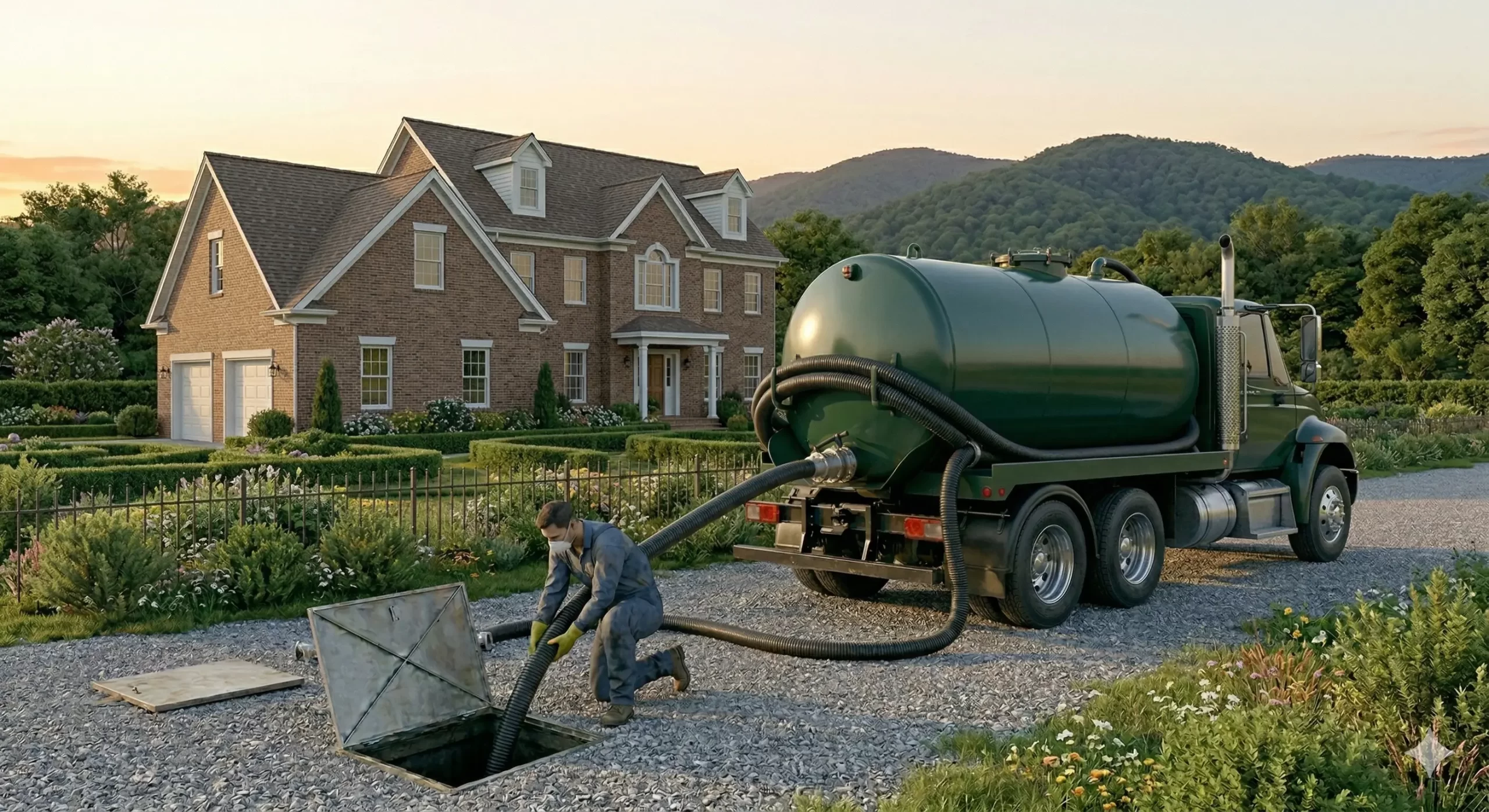
Preventative engineering and diligent maintenance are the only acceptable methodologies for ensuring the longevity of an OSTDS. The system is a living biological engine; it must be treated with the respect accorded to any critical infrastructure.
System Component Mapping
You cannot protect what you cannot locate. The first principle is to possess an accurate, to-scale “as-built” diagram of your septic system. This document, typically filed with the local permitting authority, is the definitive map. If unavailable, a professional locator must be hired. They use soil probes and electronic transmitters to precisely identify the boundaries of the tank, the distribution box, and each lateral line of the drain field. These locations should be permanently marked with unobtrusive landscape markers.
Adherence to Setback Regulations
Local and state health codes provide non-negotiable setback distances. For example, a common requirement is a minimum of 10 feet from the septic tank and 20 feet from the edge of the drain field for any structure, including sheds. These are not suggestions; they are legally mandated minimums designed to protect the system and public health. Placing a shed inside this perimeter is a code violation.
Load Management and Surface Cover
The entire area of the OSTDS, including the reserve area, must be protected from any form of vehicular traffic or structural loading. This includes cars, trucks, construction equipment, and yes, sheds. The only acceptable surface cover is a shallow-rooted grass, which aids in moisture removal through evapotranspiration without threatening the subterranean pipes. No trees, no shrubs, no raised garden beds, and absolutely no structures.
A Real-Life Case Study: The Hennepin County Compaction Debacle
In 2019, our firm was contracted to diagnose a recurring sewage backup issue at a residential property in a western suburb of Minneapolis, MN. The homeowner reported slow drains for over a year, which had recently escalated to a full backup in their basement bathroom during the spring thaw.
Initial Findings: A visual inspection revealed a well-maintained 12’x16′ wooden shed, built on concrete deck blocks, situated at the rear of the property. The homeowner’s “as-built” diagram confirmed our suspicion: the shed was placed directly over the two most distal lateral lines of their conventional drain field. The ground was visibly saturated along the downhill edge of the shed.
Quantitative Analysis:
- Soil Penetrometer Test: We recorded soil resistance readings averaging 250-300 PSI in the area beneath and immediately surrounding the shed. Control readings taken 50 feet away in an undisturbed section of the yard averaged 120 PSI. This demonstrated a greater than 100% increase in compaction, effectively rendering the clay-loam soil impermeable.
- Borescope Inspection: A fiber-optic camera inserted into the distribution box and pushed down the affected lines revealed significant crushing. The 4-inch perforated PVC pipes were deformed from a circular to an elliptical shape due to the combined effects of the static load from the shed and the seasonal frost heave, a significant factor in Minnesota’s climate.
Conclusion and Remediation: The diagnosis was a complete, localized failure of the drain field due to mechanical crushing and soil compaction. The shed had to be professionally disassembled and removed. The two compromised lateral lines and the surrounding 24 inches of soil had to be excavated and replaced with new pipe and C33 specification sand. The total cost to the homeowner, including shed removal, septic system repair, and landscape restoration, exceeded $14,000. This was a direct consequence of placing a structure over a component that requires unobstructed, uncompacted soil to function.
Field Reports from Satisfied Clients
⭐⭐⭐⭐⭐ Michael T., Carver County, MN
“We had persistent soggy spots in our yard and had two other companies fail to diagnose the problem. The engineer who came out used advanced soil testing and a camera to prove our old ‘temporary’ shed had compacted the soil over our drain field, causing a slow failure. The technical explanation was clear, precise, and a masterclass in septic science. They engineered the fix and saved us from a total system replacement. This is the only firm I’ll ever trust with my system.” We understand the specific environmental rules for your region. Learn more from our experts in Royse City, TX.
⭐⭐⭐⭐⭐ Sarah B., Anoka County, MN
“After a backup, we feared the worst. The technician performed a full diagnostic, including a hydraulic load test, and provided us with a detailed report outlining why the previous owner’s landscaping—including a heavy decorative boulder placed over a tank lid—was causing the issue. The professionalism and depth of knowledge were unparalleled. They didn’t just fix the problem; they educated us on proper system stewardship for the future. True experts.” Facing a drain field failure? Our team in Kyle, TX is ready to diagnose the problem.
❓ Frequently Asked Questions (FAQ)
What is the minimum legal setback for a shed from a septic tank or drain field?
This is dictated by state and local health codes, which are non-negotiable. While specifics vary, a common standard is a minimum of 5-10 feet from a septic tank and 10-20 feet from the edge of any part of the drain field (leach field). However, the engineering best practice is to allow even greater distances to ensure zero impact from construction, future maintenance access, and potential water runoff from the structure’s roof.
Can I put a temporary or ‘portable’ shed on my drain field?
No. The terms ‘temporary’ or ‘portable’ are irrelevant from a soil science perspective. Any object that applies a sustained surface load will initiate soil compaction. Furthermore, any structure that covers the ground surface inhibits essential oxygen transfer to the soil and blocks evapotranspiration, both of which are critical for the aerobic processing of effluent in the upper soil horizons. There is no such thing as a ‘septic-safe’ shed.
Does putting a shed on skids instead of a concrete slab prevent compaction?
While skids distribute the load over a larger area than simple blocks, they do not eliminate the load. The pounds per square inch (PSI) exerted by the structure’s total weight is still transferred to the soil. Over time, this sustained pressure will compact the soil, leading to the same failure modes as a slab-on-grade foundation. It may slightly delay the onset of failure, but the ultimate outcome is identical: a compromised drain field.
How can I find the exact location of my septic system components?
The most reliable method is to obtain the ‘as-built’ diagram from your local health or building permit department. If this is not available, you must hire a professional septic service or licensed locator. They use specialized tools like a soil probe (a thin metal rod) to gently feel for the hard surfaces of the tank and gravel in the trenches, and electronic transmitters flushed down a toilet to trace the path of the pipes. Attempting to locate components by random digging is inefficient and dangerous.
Technically Reviewed By:
BlixBase Master Plumber Team
20+ Years Septic Industry Experience | Certified System Inspectors