
What is the Projected Cost Breakdown for Septic Pumping in Montana for 2026?
An On-site Wastewater Treatment System (OWTS), colloquially known as a septic system, is a significant capital asset. Its maintenance is not an expense but an investment in preserving property value and avoiding catastrophic financial liability. The primary preventative maintenance procedure is the periodic extraction of accumulated solids (sludge ) and floating scum (Fats, Oils, and Grease – FOG). The following table provides a detailed cost projection for this service in Montana for the fiscal year 2026, factoring in logistical and geographical variables. ️ Facing a drain field failure? Our team in Ruston, LA is ready to diagnose the problem.
| Service Parameter | Projected 2026 Cost Range (USD) | Influential Factors & Technical Notes |
|---|---|---|
| Standard Pumping (1000-gallon tank) | $425 – $600 | Assumes riser is exposed and accessible within 50 feet of truck access. Base rate for populated areas (e.g., Missoula, Billings). |
| Standard Pumping (1250-1500 gallon tank) | $550 – $750 | Larger tank volume necessitates increased pumping time and disposal volume fees at the licensed treatment facility. |
| Emergency / After-Hours Pumping | $700 – $1,200+ | Represents a 1.5x to 2.5x multiplier on the standard rate. Triggered by system backup (blackwater surfacing). |
| Riser Locating & Digging Fee | $100 – $300 per riser | Labor-intensive cost if risers are buried. Montana’s rocky soil or deep frost line installations can significantly increase this fee. |
| Travel Surcharge (Remote Location) | $50 – $250+ | Calculated per mile beyond a standard service radius (e.g., >30 miles from city center). Common for rural properties in Eastern Montana or remote mountain cabins. |
| System Inspection & Report | $250 – $450 | Often required for real estate transactions. Includes checking baffle integrity, drain field saturation, and tank structural condition. |

What is the Financial Progression of Septic System Failure?
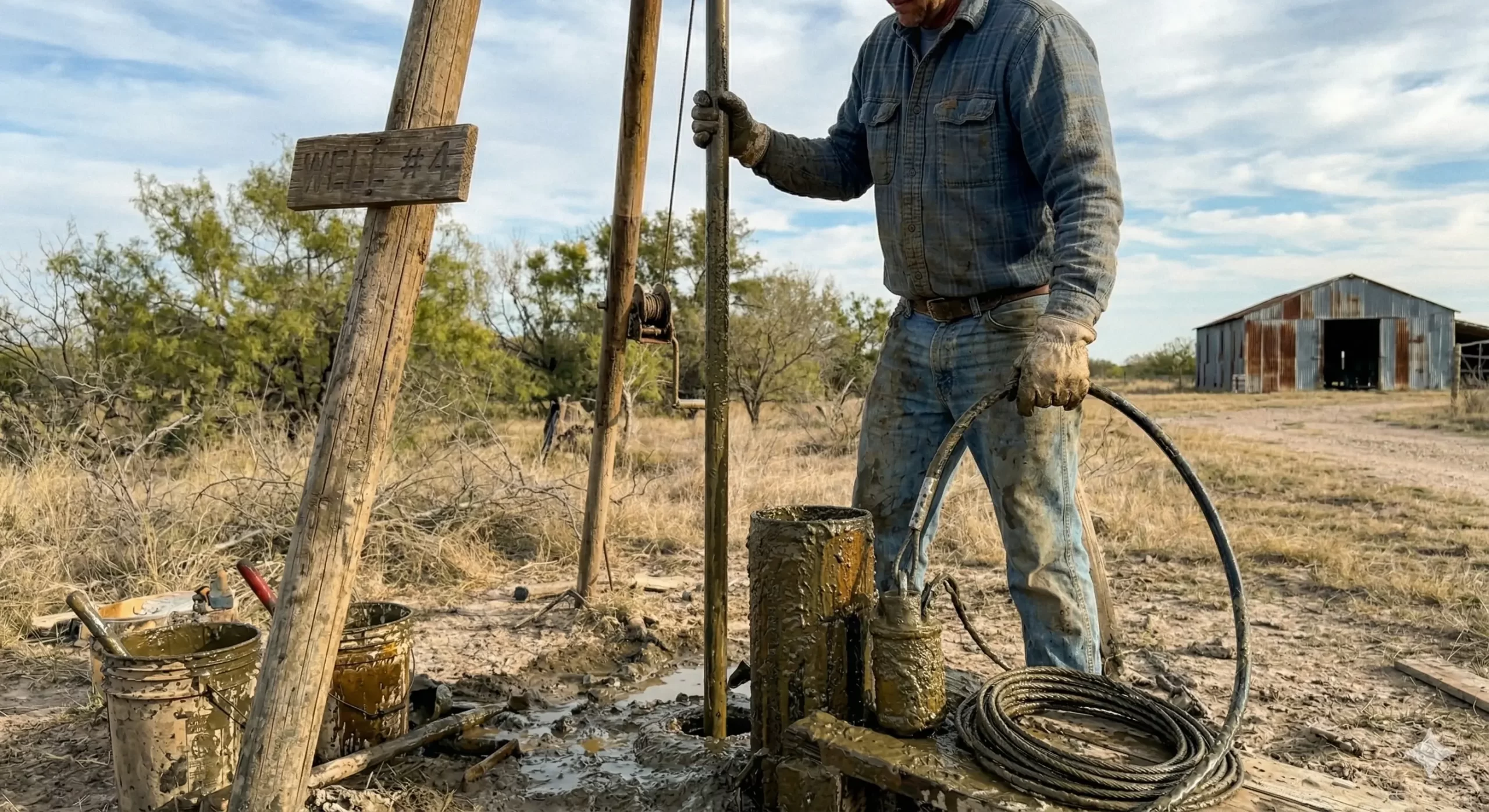
Neglecting routine maintenance initiates a predictable and exponentially costly sequence of component failure. This timeline illustrates the escalating financial and environmental liability over a typical 5-year period of deferred maintenance for a 4-bedroom household with a 1,250-gallon tank. ️
- Year 1-2 (The Grace Period):
Status: Nominal solids accumulation. Anaerobic digestion is functioning within design parameters. Scum layer is <3 inches; sludge layer is <12 inches.
Financial Impact: $0. The system operates as intended. The cost of preventative pumping ($550) is deferred. - Year 3 (The Tipping Point):
Status: Sludge and scum layers now occupy >33% of tank volume, reducing the effective hydraulic retention time (HRT). Untreated effluent with high Total Suspended Solids (TSS) and Biochemical Oxygen Demand (BOD) begins to pass into the drain field.
Financial Impact: The window for a standard-cost pump is closing. The system shows no external symptoms, masking the internal degradation. - Year 4 (The Clogging Phase):
Status: Solid particulates are now systematically clogging the perforations in the drain field pipes. A biomat (a black, slimy layer of anaerobic microorganisms) begins to form, sealing the soil interface and drastically reducing its ability to accept effluent. You may notice slow drains, gurgling toilets, or faint septic odors after heavy water usage.
Financial Impact: An emergency pump ($800) is now likely required. The drain field is compromised; jetting or hydro-flushing ($1,200 – $2,500) may be attempted, with a <50% long-term success rate. - Year 5+ (Catastrophic Failure):
Status: The drain field is hydraulically overloaded and biologically saturated. Effluent can no longer percolate into the soil. Raw sewage surfaces in the yard or backs up into the home through floor drains and toilets.
Financial Impact: This is the maximum liability scenario. Costs include: Emergency Pumping ($1,000), Interior Sanitation & Repair for sewage backup ($5,000 – $15,000), and complete Drain Field Replacement. In Montana’s challenging soil, this can range from $15,000 to $40,000+ depending on system type (conventional, mound, or advanced treatment unit) and site accessibility. Total potential liability: $21,000 – $56,000.
How Can Homeowners Mitigate These Costs Through Proper Maintenance?

Proactive system management provides the highest possible Return on Investment (ROI) by maximizing the lifespan of the most expensive component: the drain field. The engineering principles are straightforward and non-negotiable for system longevity.
1. Adherence to Pumping Schedules:
The standard interval is 3-5 years. However, this must be adjusted based on household size and water usage. The rule is to pump when the bottom of the scum layer is within 6 inches of the outlet baffle or the top of the sludge layer is within 12 inches of the outlet baffle. This prevents solids from escaping the tank.
2. Water Use Optimization:
Hydraulic overloading is a primary failure mechanism. Repairing all plumbing leaks, installing high-efficiency fixtures (toilets, showerheads), and spreading out high-volume activities (laundry) over several days reduces the load on the drain field, allowing it necessary time to dry and reaerate.
3. Careful Effluent Composition Management:
The septic tank is a biological digester, not a trash can. The introduction of non-biodegradable materials or harmful chemicals disrupts the anaerobic bacteria colony responsible for breaking down organic solids. Prohibited items include:
- Fats, Oils, and Grease (FOG)
- ‘Flushable’ wipes (they are not biodegradable in an anaerobic environment)
- Harsh chemical cleaners, bleach, and paint thinners
- Pharmaceuticals and antibiotics
- Coffee grounds and egg shells in excessive quantities
4. Drain Field Protection:
The area over your leach field must be protected. Do not drive or park vehicles on it, as this compacts the soil and can crush pipes. Do not plant trees or shrubs nearby, as roots will aggressively seek the nutrient-rich water and infiltrate the system. Only grass should be planted over the field. Ensure surface water drainage is diverted away from the area. For homeowners nearby, we highly recommend calling our Hokes Bluff, AL wastewater professionals.
What Does a Real-World Failure Scenario Look Like in Montana?
Case Study: The Johnson Residence, Bigfork, MT
Background: A 4-bedroom home with a 1,500-gallon concrete tank and conventional drain field, installed in 1998. The property was purchased in 2018; the previous owner’s maintenance records were unavailable. The new owners, a family of five, did not pump the tank. For fast response times, get in touch with our septic professionals servicing Crestview, FL.
The Incident (Winter 2024): During a prolonged cold snap followed by a rapid spring thaw (a common Montana weather pattern), the family experienced a severe sewage backup in their basement bathroom. Simultaneously, foul-smelling, dark water began to surface in their backyard, creating an environmental hazard near the Flathead Lake watershed.
Engineering Diagnosis: A certified inspection determined the tank was completely full of solids. For years, solid waste had been flowing into the drain field, leading to total biomat formation and soil clogging. The rapid snowmelt saturated the already failing soil, leaving the effluent with nowhere to go but back into the house and onto the ground surface.
Financial Impact Analysis:
- Emergency Pump-Out (Weekend Rate): $1,150
- Basement Sewage Remediation & Sanitization: $12,500 (Included removal of contaminated flooring and drywall)
- Flathead County Health Department Permit for Major Repair: $600
- System Decommission & Old Tank Disposal: $2,200
- Installation of New 1500-Gallon Tank & Advanced Enviro-Septic Drain Field (Required due to soil conditions and proximity to lake): $28,000
- Final Landscaping & Regrading: $3,000
Total Cost of Failure: $47,450.
Cost-Benefit Analysis: Over the 6 years of ownership, two preventative pumping services (in 2019 and 2022) would have cost approximately $1,300 ($650 x 2). The family’s decision to defer a $1,300 maintenance expense resulted in a direct financial liability of $47,450, a negative ROI of -3550%. This analysis does not include the considerable stress, health risks, and loss of property use during the remediation process.
Hear from Satisfied Montana Property Owners
⭐⭐⭐⭐⭐
Robert McGill – Livingston, MT
“As an engineer myself, I demand precision and data. The technician provided a full diagnostic, showing me the exact sludge and scum levels in my tank and explaining the hydraulic retention time implications. They used proper procedure to pump the tank completely and inspected the baffles. This wasn’t just a ‘pump and run’ job; it was a professional system assessment. The cost was exactly as quoted. This is the only way to manage a critical home asset.” If you smell sewage or hear gurgling, contact our Galveston, TX septic repair specialists immediately.
⭐⭐⭐⭐⭐
Susan Albright – Kalispell, MT
“Our property has difficult, rocky soil and access is tight. We were worried about finding a company that could handle it. The team navigated the site perfectly. They located and dug up our riser lids without damaging any landscaping. The educational component was invaluable; they taught me exactly what not to put down the drain to protect my system. The peace of mind knowing my system is functioning correctly is worth every penny of the preventative maintenance cost.” Proactive care saves money. See what our local experts in Atlanta, TX can do for your system.
What are the Common Symptoms of a Failing Septic System?
Early detection of systemic distress can mitigate the extent and cost of repairs. Homeowners should be vigilant for the following empirical indicators: ️
- Auditory Signals: Frequent gurgling sounds from drains and toilets are often the first sign. This indicates that air is being displaced by backed-up water in the pipes, a classic symptom of a slow-draining or failing leach field.
- Hydraulic Performance Degradation: Drains throughout the house (sinks, showers) running slower than usual. Toilets may not flush properly or require multiple flushes. This points to a downstream bottleneck, either in the main sewer line or, more seriously, in the drain field.
- Olfactory Evidence: Sewage or ‘rotten egg’ odors (hydrogen sulfide) inside the home near drains or outside over the tank and drain field area. This is a sign that the system is not containing waste and gases properly.
- Visual Surface Indicators: Unusually green or lush grass growing over the drain field, even during dry periods. This is caused by the nutrient-rich effluent surfacing. In advanced failure, you will see damp, spongy ground or standing black water in this area.
- Well Water Contamination: If you have a private well, regular testing is critical. The presence of nitrates, E. coli, or other coliform bacteria in your well water is a severe health hazard and a definitive sign that your septic system is failing and contaminating the groundwater. This is an environmental emergency.
Frequently Asked Engineering Questions
How do Montana’s cold winters affect septic system performance and cost?
Montana’s climate poses significant challenges. The frost line can be 4-6 feet deep, requiring deeper installation of tanks and pipes, which increases initial construction costs. In winter, the ground’s reduced temperature slows down the anaerobic bacterial action within the tank, decreasing treatment efficiency. A frozen drain field is a common cause of winter backups. Proper insulation during installation, ensuring adequate grade for drainage, and avoiding compaction (e.g., from snowmobiles) over the field are critical preventative measures. Pumping should ideally be done before deep frost sets in.
Are septic additives or enzymes a cost-effective alternative to pumping?
From a biochemical engineering standpoint, there is no scientific evidence to support the efficacy of septic additives as a replacement for pumping. A healthy septic tank already contains a robust colony of the necessary anaerobic bacteria. Additives do not eliminate inorganic sludge—the primary material that must be physically removed. At best, they are a waste of money; at worst, some additives can emulsify grease and solids, causing them to be flushed into the drain field and accelerate its failure. The only approved ‘additive’ is the periodic removal of solids via a vacuum truck. ️
What is the financial difference between a conventional vs. a mound system in Montana?
A conventional, gravity-fed system is the most cost-effective, typically costing $12,000 – $20,000 for a new installation. However, it is only viable with suitable soil percolation rates and depth to bedrock or water table. A mound system is an engineered solution required for sites with poor soil, high water tables, or shallow bedrock—conditions common in many Montana valleys and foothills. A mound system is significantly more expensive due to the need for imported specified sand fill, a large pumping chamber with pumps and controls, and extensive construction. Expect a new mound system installation to cost between $25,000 and $50,000+, making the protection of your existing drain field, whatever its type, a paramount financial priority.
How does tank size (gallons) correlate to pumping frequency and cost?
Tank size is determined by the number of bedrooms in a home, per state and local code. A larger tank provides a longer hydraulic retention time (HRT), allowing for more effective separation of solids and liquids. For a given household size, a larger tank can marginally extend the time between pumping intervals. For example, a family of four with a 1,000-gallon tank may need pumping every 3 years, while the same family with a 1,500-gallon tank might extend that to 4-5 years. The cost to pump is incrementally higher for larger tanks due to volume (see cost table), but the longer interval can result in a similar or slightly lower annualized maintenance cost. The key is to never exceed the maximum sludge/scum capacity, regardless of tank size.
Technically Reviewed By:
BlixBase Master Plumber Team
20+ Years Septic Industry Experience | Certified System Inspectors