
Alright, let’s have a heart-to-heart. You, me, and your septic system. Every time you run that washing machine, especially if you’ve got a family of five and a teenager who thinks clothes are single-use, you’re sending a tidal wave of water into a system that’s already working overtime. Think of your septic drainfield like a hardworking sponge. It can only soak up so much before it’s a soggy, smelly, and very expensive mess. A modern high-efficiency washer might use 15-25 gallons per load. An older top-loader? You could be looking at 40 gallons, easy. Do a few loads a day, and you’re dumping over a hundred gallons of water into a system that was likely designed for half that hydraulic load.
This is where we talk about giving that sponge a break. A Laundry-to-Landscape (L2L) greywater system is one of the simplest, most effective ways to prolong the life of your septic system, save you from a catastrophic failure, and keep the county health inspector away from your door. It’s a relief valve, plain and simple. We’re going to take that relatively clean water from your washer and give it a new job: watering your trees and shrubs. But—and this is a big but—you can’t just run a hose out the window and call it a day. The law has a lot to say about this, and frankly, so do I. Doing this wrong can contaminate groundwater, kill your prize-winning roses, and land you in a heap of legal trouble. So, let’s roll up our sleeves and do this the right way.

Heed This Cautionary Tale
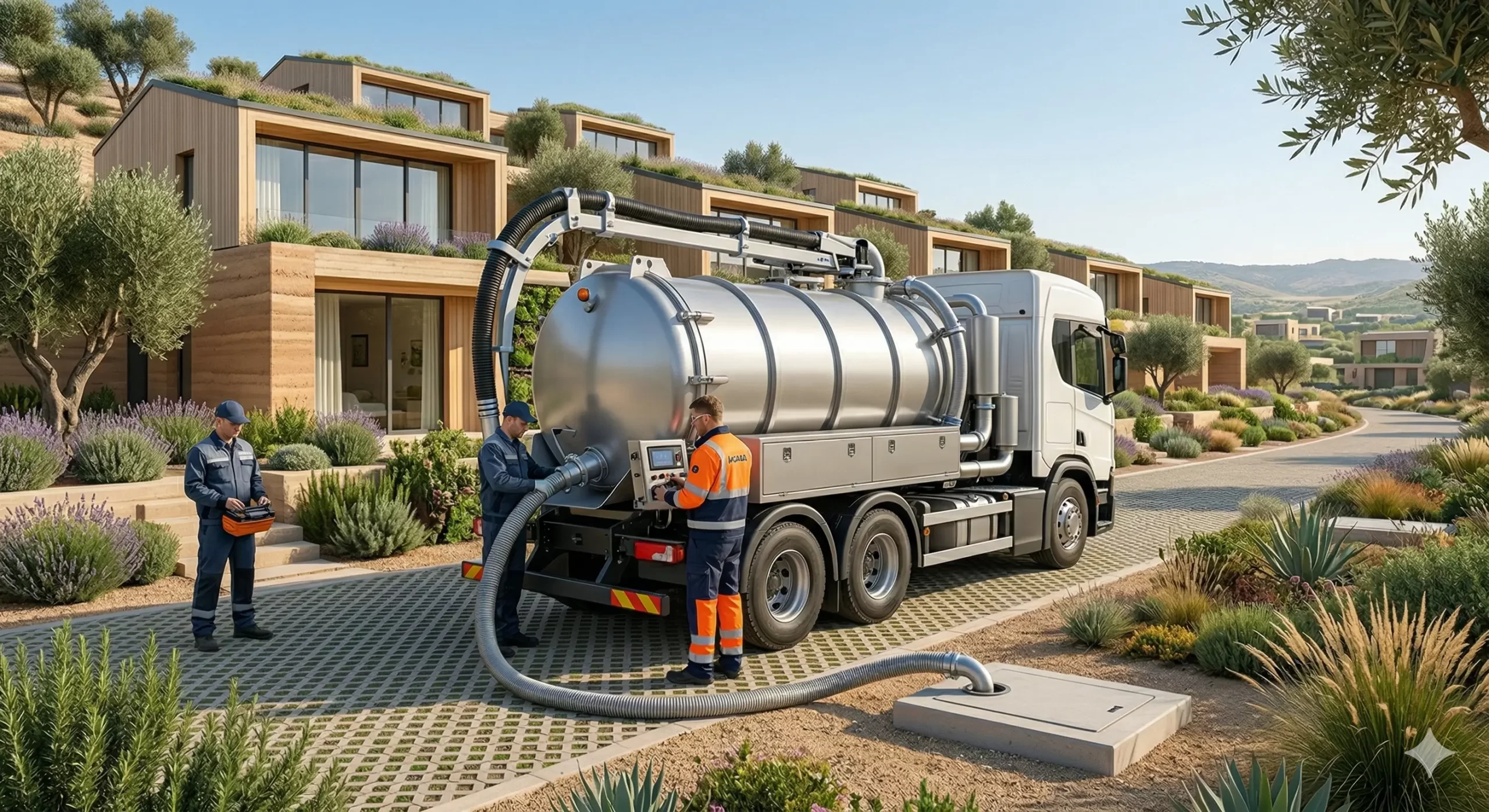
Let me tell you about the Miller family out in a rural county with heavy clay soil, the kind that holds water like a bathtub. The Millers had three active kids in sports, which meant the washing machine was running nonstop. Their house was about 20 years old, and so was the septic system. They started noticing the classic signs: slow drains, a little gurgling in the pipes, and that faint, swampy smell near the drainfield after a heavy rain. They ignored it. Figured it was just the soil being wet. To get a customized pumping schedule, feel free to speak with our local representatives in Tarrant, AL.
One holiday weekend, with a house full of relatives, the system gave up. A complete backup. Toilets wouldn’t flush, sewage seeped into the shower, and the yard became a biohazard. The emergency pump-out cost them a fortune, and the diagnosis was grim: a totally saturated and failed drainfield. The clay soil, combined with the relentless hydraulic overload from the laundry, had created a layer of biomat so thick that no water could percolate through. It was essentially a sealed underground pond of filth.
The county health department got involved. They were issued a notice of violation and given 90 days to perform a full system replacement. The quote? A jaw-dropping $22,000, thanks to the difficult soil conditions requiring a more complex mounded system. They were financially devastated. The irony is that for less than a thousand dollars and a weekend of work, a simple Laundry-to-Landscape system could have diverted thousands of gallons of water each month, giving their drainfield the breathing room it needed to survive. The Millers’ story is a tough one, but it’s a perfect example of how a small, smart investment can prevent a massive, bank-breaking disaster. If you smell sewage or hear gurgling, contact our Mckinney, TX septic repair specialists immediately.
Calculate Your Costs Accurately
Talking about money is never fun, but spending $20,000 on a new septic system is a whole lot less fun than planning a smart, preventative project. The good news is that a simple L2L system is one of the most affordable home improvements you can make. The cost varies depending on whether you’re a roll-up-your-sleeves DIY type or you’d rather have a pro handle it. Let’s break it down in a clear-as-day table.
| Item / Service | Typical DIY Cost | Typical Professional Cost | Notes |
|---|---|---|---|
| 3-Way Diverter Valve (1.5″ or 2″) | $50 – $100 | Included in labor | This is the heart of the system. Don’t cheap out here. |
| Pipe & Fittings (PVC/ABS, P-trap) | $40 – $80 | Included in labor | Includes pipe to get from the valve to the outside of the house. |
| Exterior Tubing (1″ HDPE) | $50 – $150 (depending on length) | Included in labor | This carries the water to your plants. |
| Mulch Basins / Valve Boxes | $30 – $60 | Included in labor | Protects outlets and ensures even distribution. |
| Permit Fees (if required) | $0 – $250 | $0 – $250 (handled by plumber) | HIGHLY variable by municipality. Check first! |
| Professional Labor | N/A (Your sweat equity) | $400 – $1,200 | Depends on complexity, crawlspace access, etc. |
| TOTAL ESTIMATE | $170 – $640 | $600 – $1,800 | A fraction of a septic replacement cost. |
Understand the Law Before You Dig
Now, put on your safety glasses, because here comes the municipal inspector part of my personality. You can have the best intentions in the world, but if you violate local plumbing and health codes, you’re setting yourself up for fines, orders to remove your work, and a big red flag on your property record. The EPA provides general guidelines encouraging water reuse, but they are not the law. The real bosses are your state, county, and city code enforcement offices.
Key Regulatory Checkpoints You MUST Clear:
- Permitting: Does your jurisdiction require a permit for a simple, non-pressurized L2L system? Many don’t for systems under 250 gallons per day (which yours will be), but you absolutely must verify this. Don’t guess.
- System Type: The regulations almost always favor simple, gravity-fed systems. The moment you add a pump or a storage tank, you enter a whole new world of complex codes, inspections, and costs. Stick to a basic L2L setup.
- The 3-Way Diverter Valve: This is non-negotiable. Codes based on the UPC or IPC will mandate a clearly labeled valve that allows you to easily direct the water back to the septic/sewer system. This is crucial for when you’re washing soiled diapers, using harsh chemicals like bleach, or during periods of heavy rain when the ground is already saturated.
- Setbacks: This is a big one for health inspectors. Your greywater must be discharged a specific distance away from things. Common setbacks are:
- 100 feet from any well or creek.
- 10-20 feet from any property line.
- 5 feet from building foundations.
- No Pooling or Runoff: The law is explicit: greywater must be absorbed into the ground. It cannot be allowed to pool on the surface (hello, mosquitoes and bacteria) or run off onto your neighbor’s property or into the street. This is why using mulch basins to contain and distribute the water is so important.
- Subsurface Discharge: Most codes require the water to be discharged under a cover of at least 2 inches of mulch, bark, or soil. This prevents human and pet contact and minimizes odors.
- Prohibited Water Sources: Laundry water only! Water from kitchen sinks (blackwater due to food particles and grease) or dishwashers is a huge no-no. And any load used for washing diapers containing human waste must, by law, be sent to the septic system.
Failure to comply can result in ‘Stop Work’ orders, fines that can reach hundreds or even thousands of dollars, and a mandatory order to remove the illegal system at your own expense. It’s just not worth cutting corners.
Maintain Your System Like a Pro
You’ve done the hard work, you’ve followed the code, and now your landscape is getting a free drink every laundry day. Don’t mess it up by neglecting the system. Thankfully, maintenance is incredibly easy. Set a recurring reminder on your phone and you’ll be golden. Facing a drain field failure? Our team in Grand Prairie, TX is ready to diagnose the problem.
Your Monthly L2L Checklist:
- Clean the Washer’s Lint Filter: This is your first line of defense. A clogged lint filter not only strains your washer’s pump but also sends a nasty clog of synthetic fibers down your greywater line. Clean it after every few loads.
- Inspect the Diverter Valve: Once a month, just switch the valve back and forth a few times to make sure it moves freely. This prevents it from seizing up from lack of use.
- Check the Outlets: Walk the yard and look at your mulch basins. Is there any sign of sogginess, erosion, or blockage? Clear away any debris or overgrown plants that might be obstructing the flow.
- Rotate the Discharge: If your system has multiple outlets, it’s a good idea to alternate which ones you’re using (if your design allows) to give different areas of your yard a chance to dry out.
Diagnose Problems Before They Escalate
Even the best systems can have hiccups. The key is to spot them early. Here’s a quick troubleshooting guide for the most common issues you might encounter. Property owners in the region trust our Palm Coast, FL septic system services for long-term reliability.
-
Problem: A foul, septic-like odor near the discharge points.
Cause & Solution: You’re likely using the system too often when the ground is already saturated, or you’re not using the right kind of soap, leading to anaerobic decomposition. First, switch back to the septic for a week to let the area dry out. Second, confirm you are using a biodegradable, low-sodium liquid detergent. The smell should disappear. -
Problem: Water is backing up into the washing machine.
Cause & Solution: This is serious and usually means a clog. Immediately switch your diverter valve back to the septic system. The clog is likely lint and hair in the 1″ tubing. You may need to use a plumber’s snake or a high-pressure hose to clear the line from the outlet end back towards the house. This is why a clean lint filter is so critical. -
Problem: One area of the yard is a swamp while others are bone dry.
Cause & Solution: Your distribution is uneven. The swampy area is either the lowest point, or it’s getting too much water. Adjust your tubing to create more outlets in the dry areas. Remember, the goal is slow, wide distribution, not creating a pond.
Recognize the Stages of Septic Failure
To understand why an L2L system is so crucial, you need to see the slow-motion train wreck that is septic failure. It doesn’t happen overnight. It’s a gradual process of suffocation. Here’s what it looks like over time.
- Year 1-5 (The Honeymoon Phase): Your new or well-maintained system works perfectly. The soil in the drainfield is porous, and water (effluent) is easily absorbed. You never think about it. All is well.
- Year 5-10 (The Slowdown): Hydraulic overload from laundry, showers, and toilets starts to take its toll. A thin layer of ‘biomat’—a black, tar-like substance made of anaerobic bacteria—begins to form on the walls of the drainfield trenches. You might notice the grass is unusually green over the drainfield. Drains might run a little slower after a big storm. This is the first warning sign.
- Year 10-15 (The Danger Zone): The biomat is getting thicker. The soil’s ability to absorb water is significantly reduced. You hear gurgling sounds from your drains. You get occasional foul odors in the yard, especially after doing several loads of laundry. You may need to have your tank pumped more frequently. Your system is actively crying for help.
- Year 15+ (Catastrophic Failure): The biomat has completely sealed the drainfield. It’s no longer a sponge; it’s a bucket. The effluent has nowhere to go. It either surfaces in your yard, creating a hazardous black swamp, or it backs up into your house through the lowest drain (usually a shower or floor drain). This is a full-blown biohazard, a code violation, and the point where you have no choice but to pay for a full replacement.
A Laundry-to-Landscape system effectively stops this progression between the yellow and orange stages by drastically cutting down on the hydraulic load, allowing the biomat to break down and the drainfield to rest and recover.
Listen to Your Neighbors
Frank G., Rural Resident ⭐⭐⭐⭐⭐
“I was quoted $18,000 for a new drainfield after ours started failing. My plumber suggested we try a greywater bypass for the laundry first as a last-ditch effort. It’s been two years, and our septic system has completely recovered. No more slow drains, no more smells. This system saved us a fortune and was the best money I’ve ever spent on this house. It just makes sense.”
Brenda S., Homeowner ⭐⭐⭐⭐⭐
“As someone who cares about water conservation and the health of my garden, installing a laundry-to-landscape system was a no-brainer. Not only am I protecting my septic system, but my fruit trees have never been healthier. During the last dry spell, my yard was the only green one on the block. The installation was straightforward, and the peace of mind is priceless.”
Get Your Questions Answered Now
Is laundry greywater safe for all plants?
Mostly, yes, but with a few caveats. It’s best used on established, larger plants like fruit trees, ornamental shrubs, and large perennials. Avoid using it on acid-loving plants (like blueberries and azaleas) unless you’re using a pH-neutral detergent. It’s also not recommended for root vegetables or leafy greens that you’ll be eating raw, just to be on the safe side regarding potential pathogens.
Do I have to do this if I have a brand new septic system?
You don’t *have* to, but it’s the single best thing you can do to ensure that new system lasts 30 or 40 years instead of just 15. Think of it as preventative medicine for your most expensive home utility. By starting with good habits and reducing the load from day one, you are maximizing your investment and preventing the slow degradation that leads to failure down the road.
Can I use a greywater system in a cold climate with freezing winters?
Absolutely. That’s the beauty of the mandatory 3-way diverter valve. During the winter months when the ground is frozen solid and plants are dormant, you simply turn the valve to direct all the laundry water back to the septic system, just as it was originally. When the ground thaws in the spring, you switch it back to landscape mode. It’s an all-season solution.
Will this system lower my water bill?
If you are on city water but have a septic system, then yes, it will indirectly lower your overall water costs because you’ll be using less fresh water for landscape irrigation. You’re essentially using the water twice. If you are on a well, it won’t lower a ‘bill,’ but it will reduce the wear and tear on your well pump and conserve precious groundwater, which is a significant benefit in many parts of the country.
Look, the bottom line is this: your septic system is a silent, hardworking partner in your home. And right now, you might be working it to death. A Laundry-to-Landscape greywater system isn’t just a ‘green’ novelty; it’s a practical, affordable, and powerful tool to prevent the single most expensive and disgusting failure a homeowner can face. Do your homework, call your local inspector, and give your septic system the break it so desperately needs. Navigating local soil conditions can be tricky. Consult our Georgetown, TX septic pumping guide.
Technically Reviewed By:
BlixBase Master Plumber Team
20+ Years Septic Industry Experience | Certified System Inspectors