

The Technical Imperative for Tertiary Disinfection
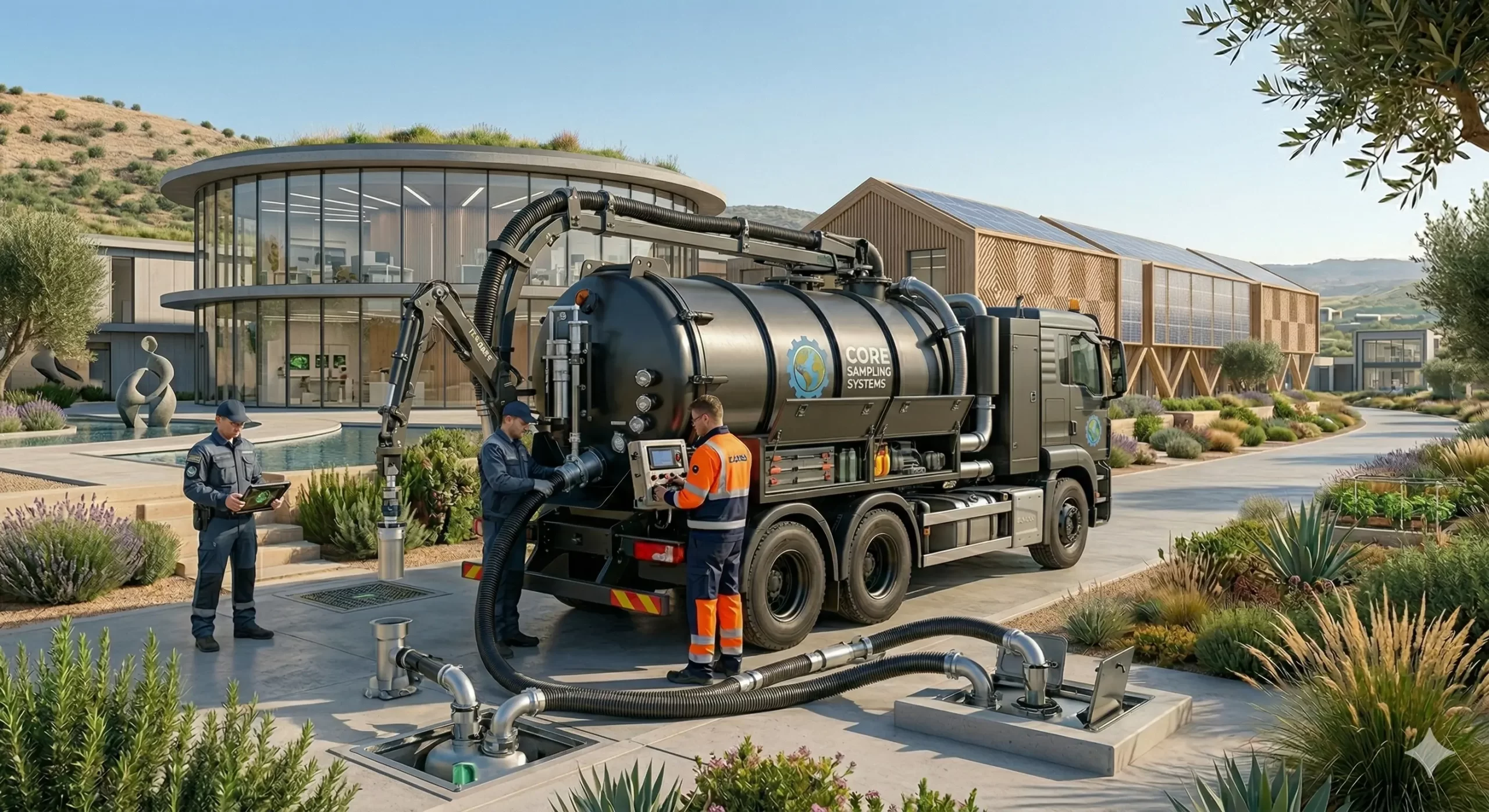
The effluent discharged from an Aerobic Treatment Unit (ATU) represents a significant advancement over conventional anaerobic septic systems. Through forced aeration, the biochemical oxygen demand (BOD) and total suspended solids (TSS) are substantially reduced, yielding a visually clear effluent. However, this clarity is dangerously deceptive. The effluent remains a potent vector for pathogenic microorganisms, including but not limited to Escherichia coli, Cryptosporidium, Giardia lamblia, and various enteric viruses. The discharge of this microbiologically active effluent directly into a leach field, and subsequently into the groundwater table, constitutes an unacceptable public health and ecological risk. Therefore, tertiary disinfection is not an optional upgrade; it is a mandatory engineering control. Ultraviolet (UV-C) germicidal irradiation stands as the superior method for this application, offering instantaneous, chemical-free inactivation of pathogens by disrupting their DNA and RNA, rendering them incapable of replication and infection.
Essential Maintenance Protocols for UV Disinfection Systems
The operational efficacy of a UV disinfection system is not a set-and-forget proposition. It is a function of rigorous, scheduled maintenance. Negligence in this domain directly translates to system failure and the release of pathogenic contaminants. Adherence to the following protocols is non-negotiable for ensuring public health and environmental compliance. Keeping your system healthy is easier when you partner with top-rated Dade City, FL septic technicians.
- Quarterly Inspection (Every 3 Months): Visually inspect the UV system’s indicator lights. Most units are equipped with a green light for normal operation and a red light/audible alarm for lamp failure. Confirm functionality. Document the operational hours if an hour meter is present.
- Semi-Annual Cleaning (Every 6 Months): The quartz sleeve, which isolates the UV lamp from the effluent flow, is susceptible to fouling from mineral deposits and biofilm. This fouling layer absorbs UV-C radiation, drastically reducing the dose delivered to the pathogens. The sleeve must be removed and meticulously cleaned with a mild acid solution (e.g., citric acid or a manufacturer-approved descaling agent). Any physical scoring or permanent clouding necessitates immediate replacement.
- Annual Lamp Replacement (Every 9,000 to 12,000 hours): UV-C lamps have a finite operational lifespan. While the lamp may still illuminate beyond its rated life, its germicidal output at the critical 253.7 nm wavelength will have degraded by 30-40% or more, rendering it ineffective for disinfection. Lamps must be replaced based on accumulated operational hours, not on visible light output. Failure to do so provides a false sense of security while discharging viable pathogens.
- Flow Rate Verification: The UV dose is a product of intensity and exposure time (Dose = I x T). The system is sized for a maximum flow rate. Any changes to the septic system pump or plumbing that increase the effluent flow rate beyond the manufacturer’s specification will reduce exposure time and compromise disinfection efficacy. Periodically verify pump discharge rates.
Cost-Benefit Analysis: A Financial Breakdown
While the primary driver for UV disinfection is risk mitigation, a financial analysis is a necessary component of system selection and ownership. The costs must be weighed against the catastrophic financial and legal liabilities of a contamination event, which can include remediation costs, litigation, and permanent property value degradation. Property owners in the region trust our Sweetwater, FL septic system services for long-term reliability.
| Cost Component | Description | Estimated Cost (USD) |
|---|---|---|
| Capital Expenditure (CAPEX) | NSF/ANSI 55 Class A Certified UV Sterilizer Unit | $800 – $1,800 |
| Installation Labor | Licensed plumber/septic installer (4-6 hours) | $400 – $900 |
| Annual OPEX: Lamp | OEM Replacement UV-C Lamp (1 per year) | $100 – $250 |
| Periodic OPEX: Sleeve | Quartz Sleeve Replacement (every 2-3 years) | $80 – $150 |
| Annual OPEX: Energy | 40-60W lamp running 24/7 (~438 kWh/year) | $50 – $85 |
Progression of Failure: A Contamination Timeline
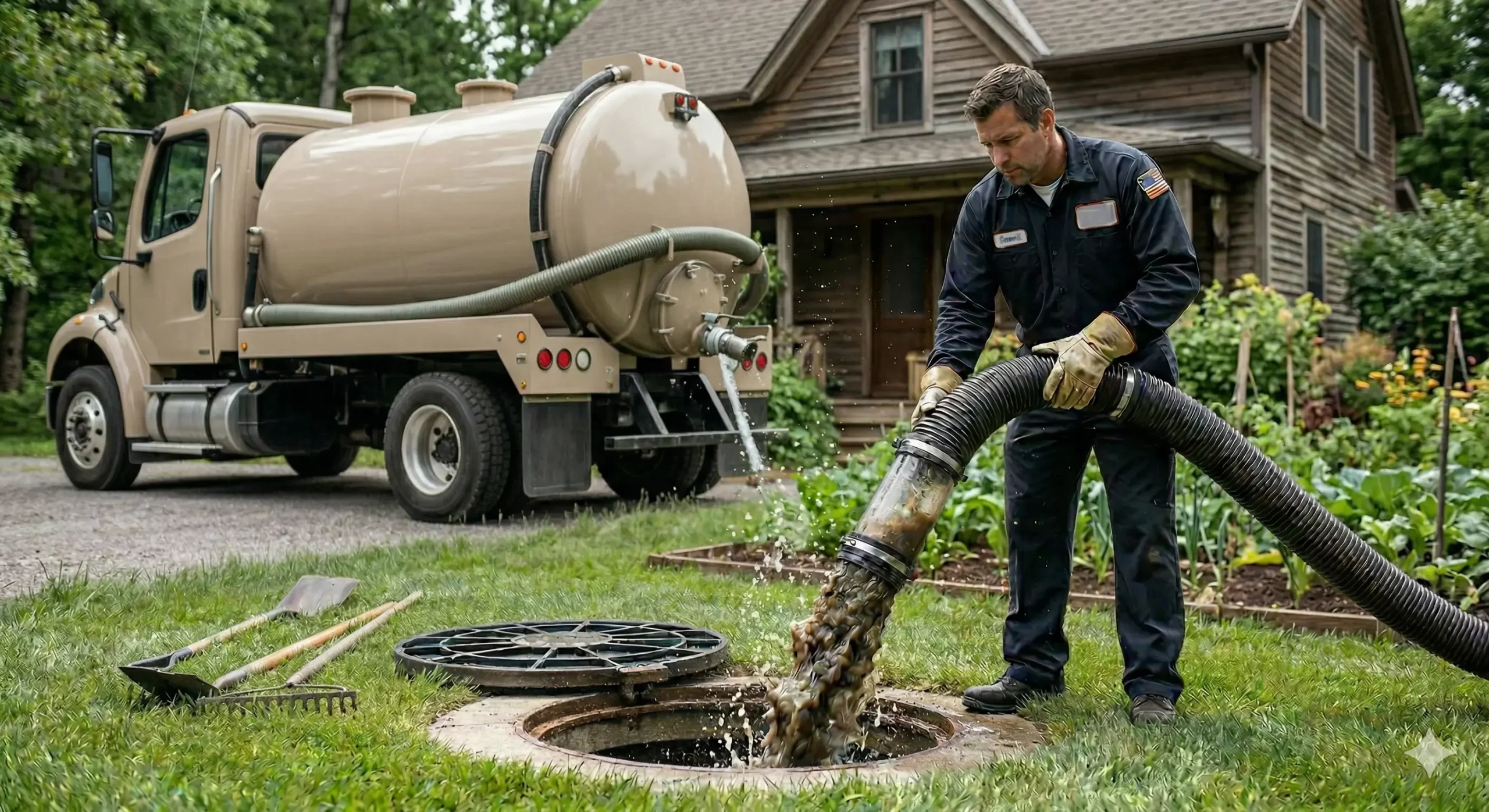
The degradation of a UV disinfection system is a gradual process with exponentially increasing risk. This timeline illustrates the cascading failures resulting from neglected maintenance.
- Year 1 (Post-Installation): System operates at peak efficacy. UV dose is >40 mJ/cm². Effluent discharged is essentially sterile, with >99.99% (4-log) reduction of coliforms. Aquifer and well water are fully protected.
- Year 2 (Neglected Maintenance): The UV lamp has surpassed its rated 9,000-hour life. Its germicidal output has decayed by 30%. Minor biofilm begins to form on the uncleaned quartz sleeve, reducing UVT by another 10-15%. The effective UV dose drops to a marginal ~20-25 mJ/cm². Most bacteria are inactivated, but more resistant viruses and protozoan cysts (like Cryptosporidium) may pass through viable.
- Year 3 (System Compromised): The lamp’s output is now less than 50% of its original rating. The quartz sleeve is heavily fouled, with a mineral scale that is opaque to UV-C light. The effective UV dose delivered to the effluent is <10 mJ/cm². This provides sublethal dosing, which fails to inactivate pathogens and may even contribute to the development of UV-resistant strains. Significant levels of fecal coliforms are actively discharged into the environment.
- Year 5 (Total Failure & Catastrophe): The lamp has likely burned out and the alarm (if not disabled) has been ignored. The UV unit is now merely a section of pipe. 100% of the pathogenic load from the ATU is discharged directly into the soil. A contamination plume begins to form, migrating with the groundwater flow. Nearby drinking water wells are now at extreme risk of drawing in infectious doses of E. coli, Hepatitis A, and other waterborne pathogens. This is a public health emergency in progress.
⚙️ Troubleshooting Common UV System Failures
System malfunctions require immediate and methodical diagnosis to prevent environmental discharge events. Consult the manufacturer’s manual for your specific model, but the following table outlines common failure modes and corrective actions. Facing a drain field failure? Our team in Yoakum, TX is ready to diagnose the problem.
| Symptom | Probable Cause & Engineering Solution |
|---|---|
| Alarm Sounding / Red Indicator Light | 1. Lamp Failure: The lamp has reached end-of-life or burned out. De-energize the system, and replace the lamp. 2. Ballast/Power Supply Failure: The electronic ballast is not providing power to the lamp. Verify input voltage and test ballast output. 3. Sensor Fault (Advanced Systems): The UV intensity sensor is detecting low output. This could be a true low-intensity event (fouled sleeve) or a failed sensor. |
| Positive Coliform Test Post-UV | 1. Fouled Quartz Sleeve: The most common cause. Sleeve is blocking UV transmission. Perform a full cleaning procedure. 2. Expired Lamp: Lamp is beyond its 9,000-hour rating. Replace immediately. 3. Excessive Flow Rate: Effluent is passing through the chamber too quickly for adequate exposure. Check pump specifications and for any system bypasses. 4. Poor Pre-Treatment: High TSS or low UVT from the ATU is shielding pathogens. The ATU itself may require service. |
| Water Leaking from Unit | 1. Seal Failure: The O-rings or gaskets sealing the quartz sleeve have degraded or were improperly seated. De-energize, depressurize, and replace all seals. Do not re-use old seals. |
Case Study: Aquifer Contamination in the Texas Hill Country
In a rural subdivision near Comal County, Texas, overlying the highly vulnerable Edwards Aquifer, a series of private wells began returning positive tests for fecal coliforms in 2021. The geology, characterized by karstic limestone with rapid recharge pathways, offers minimal natural filtration. An investigation by hydrogeologists traced the contamination plume to a single 4-bedroom residence. The home’s advanced aerobic treatment system was functioning, producing clear effluent. However, the integrated UV disinfection unit had failed. The homeowner, unaware of the silent failure, admitted to never having serviced the unit in the five years since the home was built. The original UV lamp had long since expired, and the quartz sleeve was found to be coated in an opaque layer of calcium carbonate.
Do you realize the gravity of such a singular point of failure? The residence was continuously discharging millions of viable coliform bacteria per 100mL directly into the subsurface. This effluent entered the groundwater, contaminating not only the owner’s well but also two adjacent properties’ wells located over 400 feet downgradient. Remediation required shock chlorination of all three wells and the installation of point-of-use filtration systems for the affected neighbors, at immense cost and legal liability to the negligent homeowner. This case serves as a stark, empirical demonstration that an ATU without a functional, maintained disinfection component is an active threat to regional water security.
Verified System Performance Reviews
⭐⭐⭐⭐⭐ – R. Peterson, P.E.
“As a civil engineer, non-negotiable component reliability is paramount for my personal residence. After installing a new aerobic system, I specified an NSF 55 Class A certified UV unit. The key was ensuring the unit was sized for my ATU’s peak flow rate and a conservative UVT of 70%. Quarterly sleeve maintenance is on my calendar. The peace of mind, knowing my well and my neighbors’ wells are protected by a validated germicidal dose, is invaluable. This is not an area for cost-cutting.” For fast response times, get in touch with our septic professionals servicing Kennedale, TX.
⭐⭐⭐⭐⭐ – Dr. Susan Alvarez
“My property has sandy loam soil with a high water table, making groundwater protection a top priority. My septic installer recommended UV disinfection for our new aerobic system, and I’m glad I listened. The system’s indicator panel provides clear operational status. During the first annual lamp change, I was impressed by the robust construction of the reaction chamber and the quartz sleeve. The minimal operational cost is a small price for safeguarding our primary drinking water source from microbiological threats.” To get a customized pumping schedule, feel free to speak with our local representatives in Eagle Lake, FL.
❓ Frequently Asked Technical Questions
What is the minimum required UV dose for aerobic septic effluent?
For wastewater disinfection, regulatory standards often cite a minimum UV dose of 30 millijoules per square centimeter (30 mJ/cm²). This dose is sufficient to achieve a 3-log to 4-log (99.9% to 99.99%) reduction of most bacteria and viruses. Systems certified to NSF/ANSI 55 Class A are validated to deliver a dose of at least 40 mJ/cm², providing a higher safety margin and effective inactivation of more resistant protozoa like Giardia and Cryptosporidium.
Can a UV purifier function effectively with turbid or cloudy effluent?
No. The efficacy of UV disinfection is critically dependent on water clarity. Suspended particles (measured as turbidity or TSS) can shield microorganisms from the UV-C radiation, allowing them to pass through the system unharmed. This is why UV is a tertiary treatment step following the clarification processes of an ATU. If an ATU is malfunctioning and discharging turbid effluent, the UV system’s performance will be severely compromised. The ATU must be repaired first.
Does UV radiation alter the chemical composition of the water?
UV-C disinfection is a physical process, not a chemical one. It does not add any substances to the water (like chlorine) and does not create disinfection byproducts (DBPs) such as trihalomethanes. The 253.7 nm wavelength is specifically absorbed by the nucleic acids (DNA/RNA) of microorganisms. It does not break down or alter the chemical composition of other compounds in the water, meaning it is ineffective against chemical contaminants like nitrates, pesticides, or heavy metals.
Technically Reviewed By:
BlixBase Master Plumber Team
20+ Years Septic Industry Experience | Certified System Inspectors