
Listen to me. If you are smelling a strange, sweet, almost perfume-like odor in your yard or near your drains, you have a problem. This is not a minor issue. This is an urgent chemical warning. Your septic system is not functioning correctly, and you are on a direct path to a major system failure. We need to act now. Forget the classic rotten-egg smell for a moment; this sweet smell indicates a different, more insidious kind of breakdown is happening underground.

What is happening inside my septic tank?
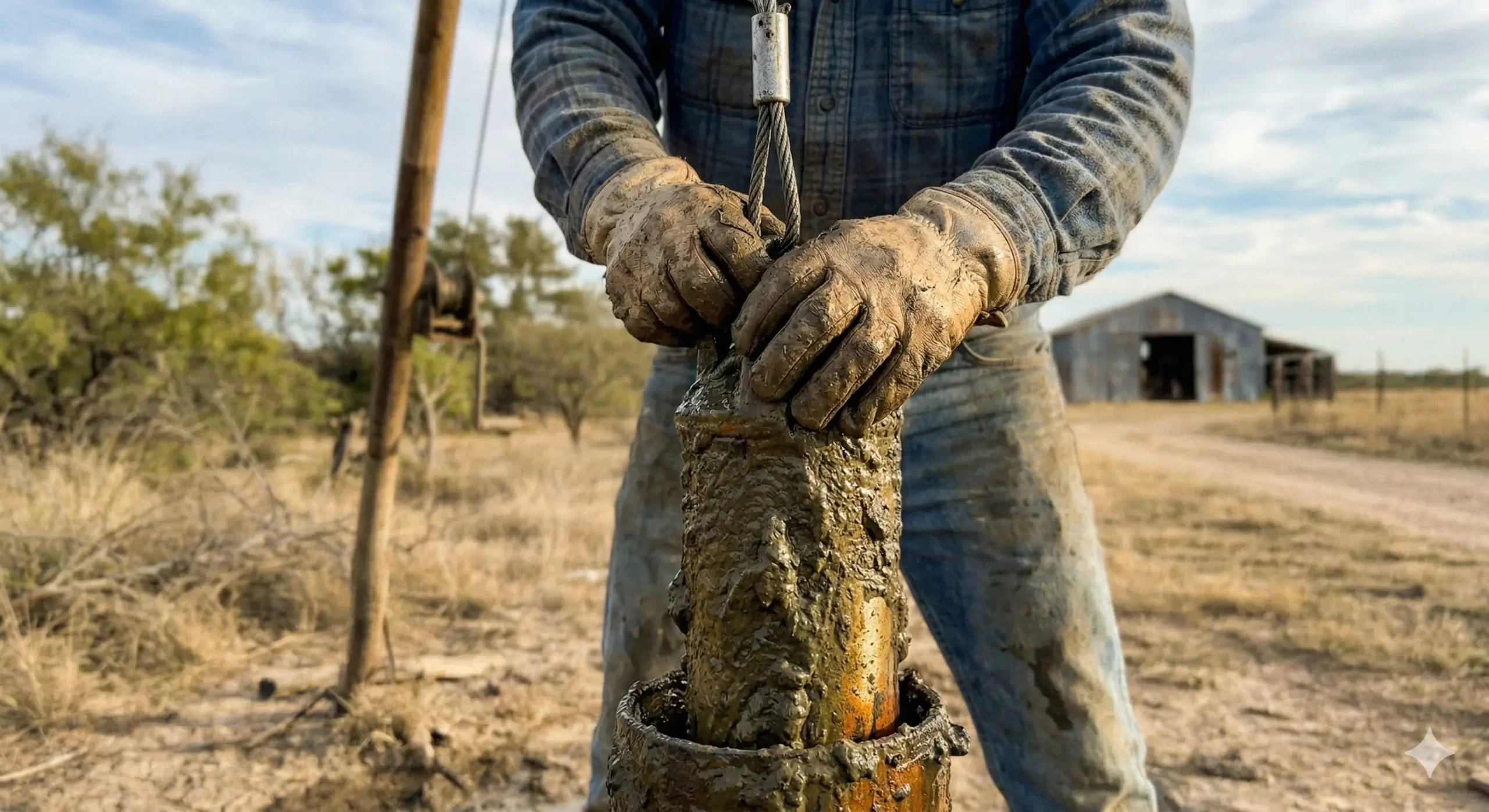
Your septic tank is a living ecosystem. It’s a dark, oxygen-free (anaerobic) environment where billions of bacteria do the hard work. Their job is to perform anaerobic digestion. They consume the organic solids from your household waste, breaking them down into three things: liquid effluent, sludge (solids that sink), and scum (fats and greases that float). A key byproduct of healthy digestion is biogas, primarily methane and hydrogen sulfide (H2S). That H2S is what gives healthy septic systems their characteristic ‘rotten egg’ smell. When things are working, that smell is contained.
The problem begins when this bacterial colony is destroyed. The main culprits? Household chemicals. Bleach, antibacterial soaps, drain cleaners, solvents, and even some laundry detergents are poison to this delicate ecosystem. When you introduce these agents, you kill the bacteria responsible for breaking down waste. The digestion process either stops or becomes corrupted. Instead of proper decomposition, you get a kind of chemical fermentation. This altered process produces different volatile organic compounds (VOCs), including esters and ketones, which can have a deceptively ‘sweet’ or ‘chemical’ odor. This sweet smell is literally the scent of a dying septic system.
How does this lead to total system failure?
When the bacteria in the tank are dead or dying, they can no longer effectively reduce the ‘strength’ of the wastewater. We measure this strength using a metric called Biological Oxygen Demand, or BOD. High BOD means the water is packed with raw, undecomposed organic material. A healthy septic tank should reduce the BOD of raw sewage by 60-70% before it ever leaves the tank.
When your tank is failing, it’s discharging high-BOD effluent directly into your drainfield. Your drainfield, or leach field, is not just a series of pipes; it’s a soil absorption system. The soil itself is the final, critical stage of treatment. A thin, healthy layer of bacteria called a ‘biomat’ forms around the drainfield trenches, processing the last of the contaminants. But when it’s hit with a relentless flood of high-BOD effluent, this biomat changes. It grows thick, black, and slimy. This is soil clogging. The physics are simple: the pores in the soil get plugged with this thick, anaerobic gunk. The liquid effluent has nowhere to go. It can no longer percolate down through the soil as designed. The drainfield effectively suffocates, drowns in its own untreated waste, and fails completely. Looking for a reliable local contractor? Explore our septic solutions for The Colony, TX.
What is the progression from a sweet smell to a full backup?
This failure doesn’t happen overnight. It’s a slow-motion disaster. Here is the typical timeline we see in the field. Your timeline may be faster or slower depending on soil type, water usage, and chemical abuse. We also provide specialized local support—see our Fort Walton Beach, FL service page for details.
- YEAR 1-2 (Normal Operation): The system functions as designed. Anaerobic bacteria are healthy. Effluent leaving the tank has a low BOD. Soil in the drainfield is properly percolating liquid. No unusual smells.
- YEAR 3 (The Warning Sign): The sweet, chemical smell appears. This is the start. The bacterial population in the tank has been compromised. High-BOD effluent is now entering the drainfield. The biomat is beginning to thicken. You will not notice any other symptoms yet.
- YEAR 4 (System Under Stress): Drains in the house may start running slow. You might hear gurgling sounds from your pipes. The lawn over the drainfield may be unusually green and spongy. The sweet smell might be more persistent or joined by foul odors outside as the clogged field pushes effluent toward the surface.
- YEAR 5+ (Catastrophic Failure): Toilets won’t flush. Sewage backs up into your showers, tubs, and floor drains. You have standing, foul-smelling water on your lawn over the drainfield. The system is no longer treating waste; it is a public health hazard. This requires immediate, emergency action and often a complete and costly system replacement.
What should I do right now?

You need a plan. Time is critical. Every flush is pushing more damaging effluent into your failing drainfield.
- STOP Chemical Use: Immediately cease using all bleach, drain cleaners, antibacterial soaps, and harsh chemical cleaners. Switch to septic-safe, plant-based cleaners if you must.
- Reduce Water Load: Every gallon you use puts more pressure on the failing system. Stop all non-essential water use. No long showers, no full loads of laundry, no running the dishwasher until this is assessed.
- Check for Leaks: A running toilet can send hundreds of gallons of unnecessary water into your drainfield every day, accelerating its failure. Check every toilet in your home for silent leaks.
- Do NOT Open the Tank: Septic tanks contain toxic gases like hydrogen sulfide and methane. Opening the lid is dangerous and can be fatal. This is a job for trained professionals with the right equipment.
- Call a Certified Professional: You need an expert on-site. We can open the tank safely, assess the state of the bacterial colony (by observing the scum and sludge layers), and test the soil in the drainfield to determine how much damage has been done.
How can I prevent this from happening again?
Proper maintenance is not optional. It is the only way to protect your investment and your family’s health. Property owners in the region trust our Cape Coral, FL septic system services for long-term reliability.
- Regular Pumping: Your septic tank is not a bottomless pit. It must be pumped every 3-5 years, depending on household size and tank capacity. This removes the accumulated sludge and scum that cannot be broken down.
- Be Brutal About What Goes Down the Drain: Your toilet is not a trash can. The only things that should be flushed are human waste and septic-safe toilet paper. No wipes (even ‘flushable’ ones), no paper towels, no feminine hygiene products, no dental floss.
- Mind the Kitchen Sink: Never pour grease, fats, or coffee grounds down the drain. They wreak havoc on the scum layer and can cause severe clogs.
- Protect Your Drainfield: This is the most expensive part of your system. Never drive over it, build on it, or plant anything other than grass on top of it. Tree roots are notorious for destroying drainfield pipes.
What is the financial damage of a failure?
Ignoring the warning signs will cost you. The difference between an early intervention and a late-stage emergency is staggering. The costs below are estimates and vary by region, but the proportions are accurate. Acting on the ‘sweet smell’ warning puts you in the first few rows. Waiting for a backup puts you at the bottom.
| Service | Description | Estimated Cost Range (USD) |
|---|---|---|
| Septic Inspection & Diagnosis | Professional assessment of the tank, baffles, and drainfield condition. | $300 – $600 |
| Emergency Septic Pumping | Removing all liquid and solid waste from the tank to relieve immediate pressure. | $400 – $900 |
| Drainfield Hydro-Jetting | Attempting to break up biomat clogs in the pipes. Success is not guaranteed. | $1,500 – $5,000 |
| Full Drainfield Replacement | Excavation and installation of a new soil absorption system. The ultimate consequence of failure. | $8,000 – $25,000+ |
Is a sweet smell from a septic system ever a good thing?
No. Absolutely not. A healthy septic system should be largely odorless outside of the tank itself. Any persistent smell, whether foul or sweet, indicates a problem. A sweet or chemical smell is a direct indicator that the biological treatment process inside your tank has failed due to chemical poisoning of the essential bacteria.
What chemicals are the absolute worst for a septic system?
The worst offenders are liquid drain cleaners, excessive use of chlorine bleach (more than 1 cup per week), antibacterial soaps and cleaners (containing triclosan), water-based paints, solvents, and pesticides. These are designed to kill living organisms, and they do exactly that to the bacteria your system relies on to function.
Can my system recover on its own if I just stop using chemicals?
It is highly unlikely. Once the damage is severe enough to produce a noticeable smell, the drainfield is already being compromised by high-BOD effluent. While stopping chemical use is the correct first step, the system typically needs to be pumped out to remove the toxic environment and allow a new, healthy bacterial colony to establish itself. A professional assessment is needed to determine if the drainfield is still viable.
How is a clogged drainfield fixed?
If caught early, sometimes a process called hydro-jetting can break up the biomat clogging the pipes and soil. This involves using high-pressure water to scour the lines. However, if the soil itself is heavily clogged and has lost its ability to percolate, the only solution is a full replacement of the drainfield, which is a major excavation and construction project.
Technically Reviewed By:
BlixBase Master Plumber Team
20+ Years Septic Industry Experience | Certified System Inspectors