
Howdy, neighbor! It’s the call no homeowner ever wants to make. You’ve got… ‘soggy lawn syndrome.’ Or maybe your toilets are gurgling like a grumpy grandpa after Thanksgiving dinner. You know something’s wrong underground, and you’re facing the big, expensive fork in the road: do you replace your entire septic system, or is it finally time to bite the bullet and hook up to the city sewer line that just got installed down the street? To get a customized pumping schedule, feel free to speak with our local representatives in Sachse, TX.
Listen, I’ve been crawling in and out of trenches for over 20 years, and this is one of the biggest financial decisions a homeowner can make. It’s not just about the initial price tag; it’s about property value, future headaches, and what’s right for your specific piece of dirt. Let’s dig in—pun intended—and break this down so you can make a choice you won’t regret.
Understand Every Single Dollar
Alright, let’s talk turkey. The biggest factor for most folks is the cost. It’s not as simple as one being cheaper than the other. It’s a tangled web of fees, materials, and labor that can vary wildly. I’m going to lay it all out for you, based on real-world numbers I see every day, especially here in Pennsylvania where our rocky, clay-heavy soil can throw a wrench in the works.
| Expense Item | Typical Cost Range (Septic Replacement) | Typical Cost Range (Sewer Hookup) |
|---|---|---|
| Permits & Design | $1,000 – $3,000 (Includes perc test, system design) | $500 – $1,500 (Municipal permits) |
| Major Component Cost | $1,500 (1000-gal concrete tank) to $15,000+ (Mound or aerobic system components) | $3,000 – $15,000+ (Municipal tap/connection fee) |
| Excavation & Installation | $5,000 – $20,000 (Highly soil dependent) | $4,000 – $12,000 (Based on distance to main; $75-$250/foot) |
| Specialized Costs | Drain field materials ($10-$20/linear ft for conventional) | $800 – $2,000 (Septic tank decommissioning) |
| Ongoing Costs | $300-$500 every 3-5 years (pumping) | $50 – $120+ per month (sewer bill) |
| TOTAL UPFRONT COST | $8,000 – $40,000+ | $9,000 – $30,000+ |
Look at those numbers. A simple, conventional septic system on a flat lot with great soil might only set you back $8,000. But if you have a high water table or dense clay soil that fails its percolation (‘perc’) test, the health department will require an engineered system like a sand mound or an aerobic treatment unit (ATU). Those can easily hit $30,000 or $40,000. The type of soil you have and your local regulations are the single biggest factor in the cost of a new septic system.
On the sewer side, the killer is the ‘tap fee’ or ‘connection fee’ the municipality charges. It’s their way of making you pay for the infrastructure. I’ve seen it as low as $3,000 and as high as $18,000. After that, you pay by the foot to run the lateral line from your house to the main. If the main is on the other side of the street, that means digging up the road, which adds thousands more. But once you’re connected, your major expenses are over, aside from that monthly bill that will follow you forever. Dealing with a sudden sewage issue? Rely on our emergency septic team in Forest Hill, TX.

Follow a Neighbor’s Journey
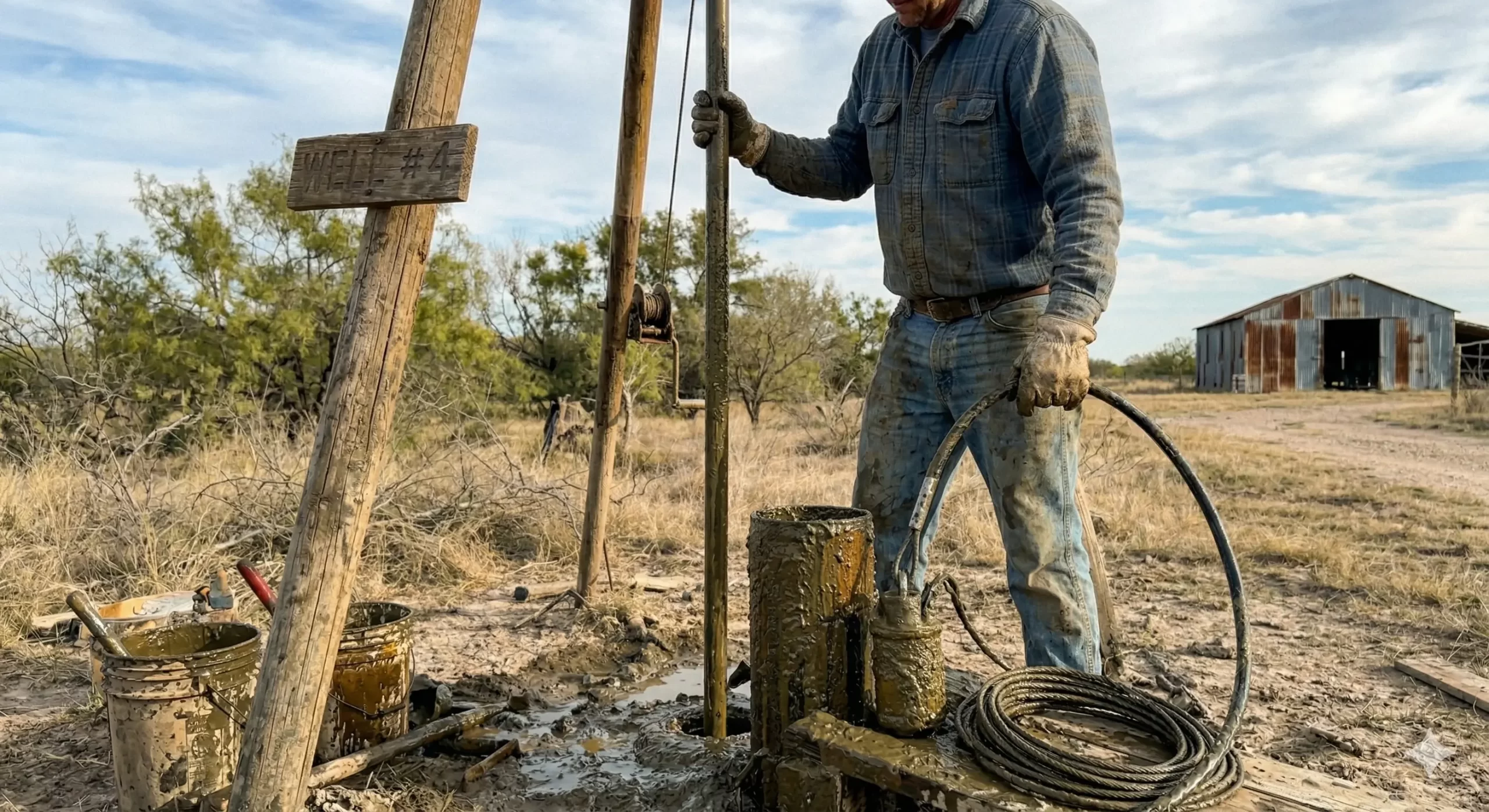
Let me tell you about the Henderson family over in Bucks County, PA. They had a classic 1970s ranch house with the original septic system. For years, they babied it, but at year 45, the drain field was completely saturated. The biomat—a lovely black goo that clogs the soil—had taken over. They had standing water in the yard after every laundry day.
They got two quotes:
- New Septic System: Their lot was small and the soil was dense clay. A conventional system was impossible. They needed a sand mound system built up in their backyard. The quote came back at a jaw-dropping $32,000. This included the design, permits, a new 1250-gallon concrete tank, a pump chamber, and building a literal mound of sand and gravel in their yard.
- City Sewer Hookup: Luckily for them, the township had run a sewer main down their street five years prior. Their hookup involved a 120-foot trench from their house to the street. The township’s tap fee was $9,500. The excavation and plumbing work was another $11,000. They also had to pay $1,200 to have their old septic tank pumped, crushed, and filled with stone. The grand total was $21,700.
It was a tough choice. The sewer hookup was about $10,000 cheaper upfront. But they also had to budget for a new monthly sewer bill of around $85. Over 10 years, that’s another $10,200. In the end, they chose the sewer. Why? Peace of mind. No more worrying about what goes down the drain. No more pumping. And when they decide to sell, ‘Public Sewer’ is a much more attractive feature on a real estate listing than ’45-year-old lot with a giant sand mound’.
Diagnose Your Septic System’s Sickness
Before you start getting quotes, you need to be sure your system is truly at the end of its life. Sometimes, a problem can be fixed with a new distribution box or by jetting the lines. But if the drain field is shot, it’s game over. Here’s how a system typically dies: For a free consultation, simply reach out to our office serving Apopka, FL.
Progression of Septic Failure
- Stage 1 (Years 1-15): The Good Ol’ Days. The system works flawlessly. You get it pumped every 3-5 years like you’re supposed to. You don’t flush anything silly. Life is good.
- Stage 2 (Years 15-25): The First Grumbles. You might notice a toilet doesn’t flush with the same ‘oomph’ as it used to. Drains run a little slower after a heavy rain. You might get a faint, swampy odor outside near the tank after doing a bunch of laundry. These are whispers that the biomat in your drain field is getting thick.
- Stage 3 (Years 25-35): Chronic Illness. You now need to pump the tank every year just to keep things flowing. You have lush, green grass over the drain field even in a drought—that’s sewage effluent feeding it. You get occasional gurgles and backups in the lowest bathroom in the house. The system is on life support.
- Stage 4 (Year 35+): Total System Failure. It’s over. You have sewage backing up into your showers. There’s smelly, black water pooling on the surface of your yard. The health department can and will condemn your system, forcing you to replace it. You are now in an emergency situation.
Protect Your Investment, Septic or Sewer
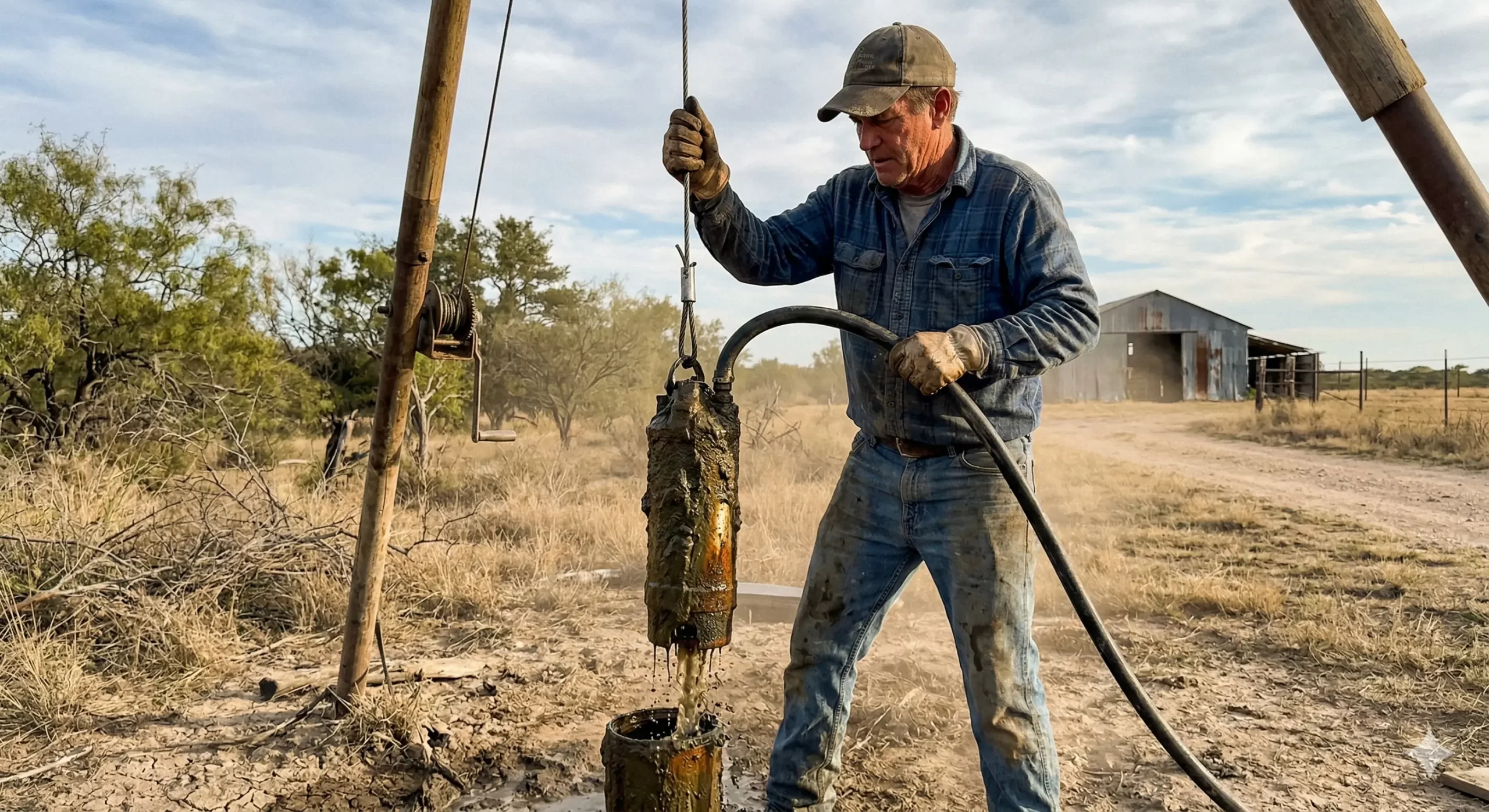
Whichever path you choose, you’re spending a boatload of money. Here’s how to protect that investment.
If you get a new septic system: Treat it like the delicate ecosystem it is. You are now the proud operator of a miniature wastewater treatment plant. Your new bible is the ‘3 P’s’: only Pee, Poo, and (toilet) Paper go down the drain. No grease, no ‘flushable’ wipes (they are NOT flushable), no harsh chemical drain cleaners, no paint. Get it pumped on a strict schedule based on your tank size and family size—don’t wait for problems. And never, ever build a deck, plant a tree, or drive a truck over your drain field. Those pipes are fragile! Navigating local soil conditions can be tricky. Consult our Irondale, AL septic pumping guide.
If you hook up to the sewer: You have more freedom, but you’re not invincible. That lateral line from your house to the street is still YOURS. It can still get clogged with grease and wipes. If tree roots break that line, it’s your bill to fix it. I strongly recommend having a ‘backwater valve’ installed. If the city’s main line ever gets overwhelmed in a massive storm, this one-way valve can prevent the entire neighborhood’s raw sewage from backing up into your basement. It’s a few hundred dollars for thousands in peace of mind. For a free consultation, simply reach out to our office serving Azle, TX.
What Your Neighbors Are Saying
“Our old septic failed right before we were planning to sell our house. It was a nightmare. We had to choose between a new mound system or hooking up to the sewer. After seeing the numbers, the sewer connection was the clear winner for property value. The crew was professional, handled all the permits with the township, and left my yard looking better than they found it. Worth every penny for the peace of mind.”
– ⭐⭐⭐⭐⭐ Sarah K., West Chester, PA
“I was dead set on keeping my septic. I didn’t want a monthly sewer bill for the rest of my life. The team came out and did a thorough evaluation and confirmed my soil was perfect for a new conventional system. They explained the whole process, from the perc test to the final grading. The final cost was exactly what they quoted. It’s been two years and the system runs like a dream. Happy to be ‘off-grid’!”
– ⭐⭐⭐⭐⭐ Mike R., Downingtown, PA
Get Your Questions Answered, Fast ❓
Will connecting to the city sewer increase my property value?
Almost always, yes. For most buyers, ‘public sewer’ is a significant plus. It removes the uncertainty and potential future cost of a septic system replacement. While you may not recoup 100% of the connection cost, it makes your home more marketable and appealing to a wider range of buyers, which can indirectly lead to a higher selling price and a faster sale.
Can the city force me to connect to the sewer?
Yes, in many cases they can. If a public sewer line is installed and available to your property (usually meaning it’s within a certain distance, like 150-200 feet), many municipalities have ordinances that require mandatory connection, especially once your current septic system fails. They can enforce this through fines or by placing a lien on your property. It’s crucial to know your local township’s regulations.
What’s the difference between a conventional and a mound septic system?
A conventional system uses a series of underground perforated pipes in gravel trenches to let treated effluent from the tank slowly seep into the native soil. It’s simple and relatively cheap. A mound system is an engineered solution for when the native soil is unsuitable (like dense clay) or the water table is too high. It’s a literal raised mound of specific sand and gravel built on top of the ground, with the drain field components inside it. This provides the necessary filtration before the water reaches the native soil. Mound systems are significantly more complex and expensive to build.
How long does a new septic system really last?
The lifespan depends heavily on the type of system, soil conditions, and how you treat it. The tank itself (concrete or plastic) can last 40-50 years or more. The critical component is the drain field. A properly installed and maintained conventional drain field in good soil can last 25 to 40 years. If you abuse the system by not pumping the tank or flushing harmful items, you can kill a drain field in under 10 years. Engineered systems like mounds have similar lifespans but may have more mechanical parts, like pumps, that may need replacing every 10-15 years.
Technically Reviewed By:
BlixBase Master Plumber Team
20+ Years Septic Industry Experience | Certified System Inspectors