
The discharge of raw or partially treated sanitary sewage onto the terrestrial surface is not merely a nuisance; it is a critical public health crisis and a severe environmental violation governed by federal, state, and local statutes. This document provides a comprehensive technical analysis of the cascading failures—both systemic and legal—that result from such an event. We will dissect the biogeochemical processes, diagnostic methodologies, and the severe financial repercussions mandated by regulatory bodies like the Environmental Protection Agency (EPA) under the Clean Water Act (CWA). ️
Real-Life Case Study: Hydraulic Overload in Gwinnett County, Georgia Clay
Case File: #774-B | Homeowner: Anonymous | Violation: O.C.G.A. § 12-5-20
A residential property in Lawrenceville, GA, situated on Cecil silt loam (a common variant of the Georgia red clay), presented with a classic surface discharge failure. The system, a 1,250-gallon concrete tank servicing a 4-bedroom home, was installed in 1998. The drain field consisted of 450 linear feet of 4-inch perforated pipe in gravel trenches.
Initial Observation: The homeowner reported persistent soggy patches and a distinct hydrogen sulfide odor in the backyard, approximately 75 feet from the primary residence. Effluent was observed ponding on the surface, particularly after precipitation events.
Diagnostic Findings:
- Soil Analysis: A soil percolation test (perc test) was retrospectively calculated based on soil survey data, yielding a percolation rate of less than 60 minutes per inch (MPI), borderline for conventional systems in this region. Core samples revealed severe compaction and a thick, gelatinous biomat (glycocalyx) at the trench soil interface, reducing the infiltrative surface’s hydraulic conductivity to near zero.
- Hydraulic Loading: The household’s water usage records indicated an average daily flow of 480 gallons per day (GPD), exceeding the drain field’s design capacity of 450 GPD (calculated at 1.0 GPD/sq. ft.). The introduction of a new high-efficiency washing machine, paradoxically, contributed to surge flows that the compacted soil could not accommodate.
- System Inspection: A push camera inspection of the drain lines revealed no structural collapses but confirmed significant standing water (surcharging) back into the distribution box. The septic tank itself was found to be hydraulically overloaded, with the liquid level above the outlet pipe invert.
Regulatory Consequence: A neighbor reported the discharge to the Gwinnett County Health Department. An inspector issued a notice of violation, citing illegal discharge of sewage. The homeowner was given 30 days to submit a remediation plan prepared by a licensed engineer and begin corrective action. Failure to comply resulted in an initial fine of $500, followed by escalating penalties of $100 per day. The total cost of remediation, including a new, advanced treatment unit (an aerobic treatment unit or ATU) and a drip irrigation dispersal field, exceeded $22,000, not including the fines. This case underscores the critical interplay between soil type, system design, and hydraulic loading.

Advanced On-Site System Failure Diagnostics

Identifying the precise failure mechanism of an On-Site Sewage Management System (OSMS) is a multi-faceted engineering problem. Surface discharge is a symptom, not a diagnosis. A qualified professional employs a systematic approach to differentiate between hydraulic, biological, and structural failures. Whether it’s a minor repair or a major overhaul, our Lamesa, TX plumbing and septic crew has you covered.
Step 1: Effluent Quality & Hydraulic Load Analysis
The investigation begins at the source. We first analyze the influent characteristics. Is the household using excessive amounts of anti-bacterial soaps, bleach, or other chemicals that disrupt the anaerobic digestion process within the tank? A healthy septic tank should achieve a 60-70% reduction in Biochemical Oxygen Demand (BOD5) and an 80-90% reduction in Total Suspended Solids (TSS). Poor treatment in the tank sends a high-strength effluent to the drain field, accelerating biomat formation. Regular maintenance is crucial. Connect with our Fort Worth, TX septic experts to schedule a check-up.
Step 2: Soil Interface & Biomat Evaluation
The critical zone is the infiltrative surface where effluent meets native soil. A thick, black, anaerobic biomat is normal to a certain degree (typically 1-3 mm). However, when it exceeds 5-10 mm and becomes impermeable, the system fails. We evaluate this by: For homeowners nearby, we highly recommend calling our Piedmont, AL wastewater professionals.
- Core Sampling: Extracting a soil core from the drain field trench to visually inspect the biomat thickness and soil saturation.
- Hydraulic Conductivity Testing: Utilizing a field permeameter to measure the actual rate at which water can pass through the soil interface, providing quantitative data on the extent of the clog.
Step 3: Structural Integrity Verification
We must rule out physical blockages or collapses. This is achieved through a systematic camera inspection of the entire system, from the building sewer exit to the distal ends of the leach lines. We look for root intrusion, pipe crushing (common with vehicular traffic over the field), and distribution box failure, which can cause effluent to overload a single trench line.
Unusual Professional Diagnostic Tools ️
A master technician’s toolkit goes far beyond a shovel and a snake. For complex diagnostics, we may employ:
- Sludge Judge Sampler: A clear, graduated tube used to take a core sample of the septic tank’s contents, precisely measuring the sludge, scum, and clear effluent layers to determine if pumping is overdue.
- Soil Permeameter: A device used in-situ to measure the hydraulic conductivity (K-sat) of the soil in the absorption field, providing real-world data on how fast the soil can accept effluent.
- Digital Manometer: Essential for diagnosing pressure-dosed systems (like mound or drip irrigation fields). It measures the precise head pressure at various points in the network to identify blockages or pump failures.
- Spectrophotometer (Field Unit): A portable device used to test effluent samples for levels of nitrates, phosphates, and ammonia on-site, providing immediate insight into the tank’s treatment efficiency.
- Ground Penetrating Radar (GPR): A non-invasive geophysical method used to map the exact location and depth of buried drain lines, tanks, and distribution boxes without excavation, and to identify areas of soil saturation.
Progression of Drain Field Failure: A Danger Level Timeline
System failure is not an overnight event. It is a slow, progressive degradation. Understanding this timeline is key to preventative action.
| Timeframe & Danger Level | Observable Symptoms | Underlying Technical Cause |
|---|---|---|
| Year 1-3: Normal Operation | Lush green grass over drain field. No odors. Drains function normally. | Healthy, thin biomat formation. Aerobic conditions exist in the soil. Hydraulic load is well below design capacity. |
| Year 3-5: Incipient Failure | Drains may gurgle or run slow intermittently. Occasional faint ‘septic’ odor after heavy rain. | Biomat is thickening. The soil’s infiltrative capacity is reduced. The system struggles to handle surge flows. Anaerobic zones are expanding. |
| Year 5-7: Advanced Failure | Persistently slow drains. Wet or spongy spots appear over the drain field. Septic odors are more frequent. Toilets may require multiple flushes. | Biomat has become restrictive. The drain field is constantly surcharged (full of water). Effluent is pushing up towards the surface. |
| Year 7+: Catastrophic Failure | Sewage backup into the home. Black, foul-smelling liquid (effluent) ponds on the ground surface. Health department violations are imminent. | Total hydraulic failure. Soil interface is impermeable. Untreated effluent is discharging directly into the environment, contaminating groundwater and surface water. |
Cost Breakdown: Fines, Penalties, and Remediation
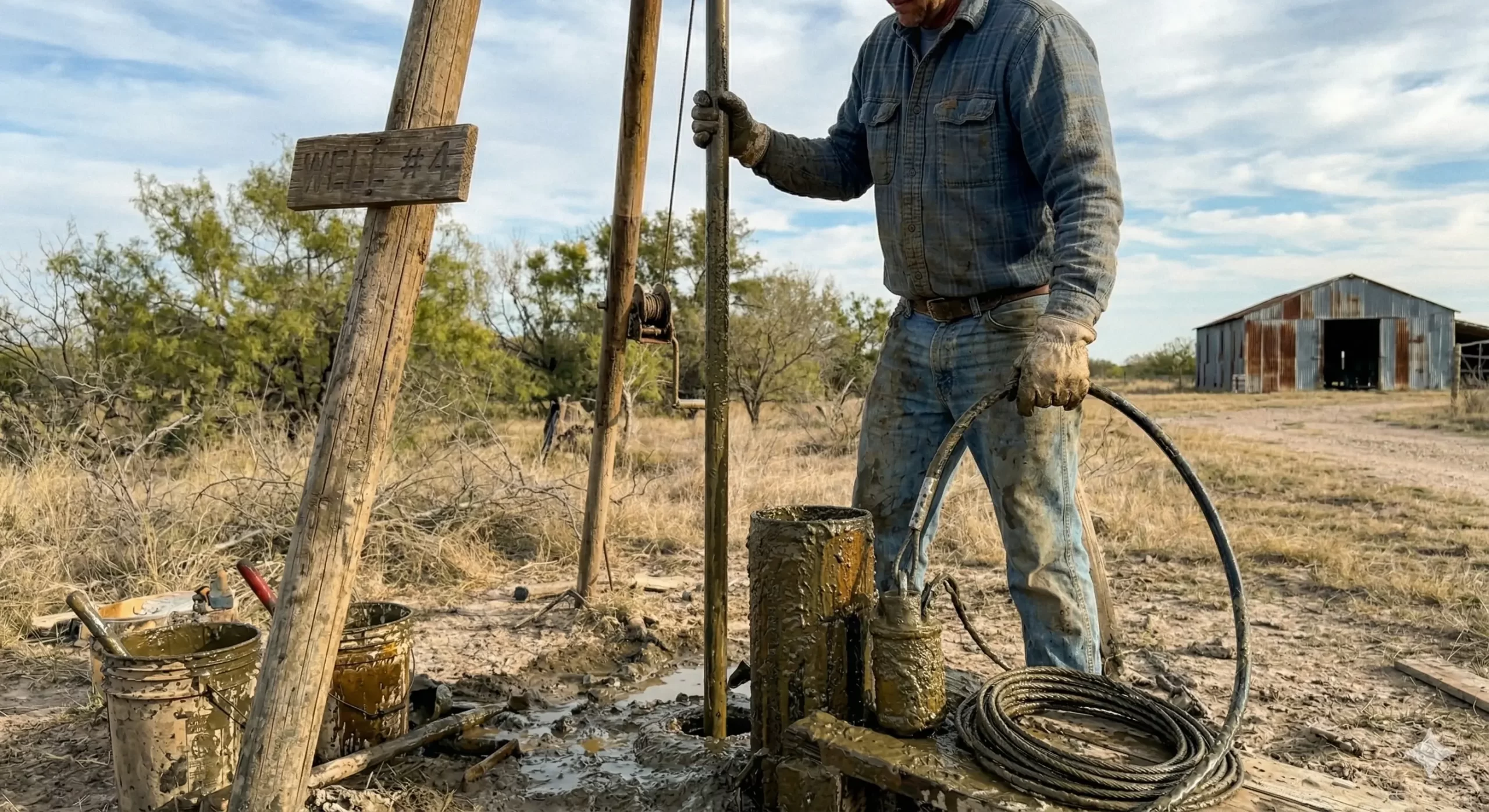
The financial consequences of a surface discharge are severe and multi-layered. Homeowners face not only repair costs but also significant legal and civil penalties.
| Cost Category | Typical Cost Range (USD) | Notes |
|---|---|---|
| Initial County/State Fines | $500 – $2,500 (initial) | Plus daily penalties of $100 – $1,000 until compliance is achieved. |
| EPA Clean Water Act Civil Penalties | $10,000 – $59,947 per day | Reserved for egregious cases, especially if discharge reaches Waters of the U.S. (creeks, rivers). |
| Emergency Septic Pumping | $450 – $900 | A temporary measure to relieve pressure and prevent backups into the house. |
| Engineering & Permitting Fees | $1,500 – $4,000 | Required for designing a new or replacement system that meets current code. |
| System Remediation/Replacement | $8,000 – $40,000+ | Cost varies dramatically based on technology (e.g., conventional trench vs. ATU with drip irrigation). |
| Total Potential Liability | $15,000 – $100,000+ | Excludes potential lawsuits from neighbors or decline in property value. |
Client Testimonials on System Diagnostics
⭐⭐⭐⭐⭐ – Robert Chen, Alpharetta, GA
“We had two other companies tell us we needed a full $25,000 system replacement. The technician who came out spent three hours performing actual diagnostics. He used a camera to show me the compacted biomat in the lines and took soil samples. He determined the failure was hydraulic overload, not a total collapse. He engineered a solution using a portion of the existing field combined with a smaller, pressure-dosed supplemental field, saving us nearly $10,000. This is the difference between a parts-changer and a true systems engineer.”
⭐⭐⭐⭐⭐ – Maria Sanchez, Cumming, GA
“Our system was backing up, and we were facing fines from the county. The expert was direct, technical, and incredibly thorough. He didn’t just give me a quote; he provided a full diagnostic report with soil percolation data and a chemical analysis of our tank’s effluent. He explained the concept of BOD5 and TSS and why our garbage disposal was contributing to the problem. His professionalism and data-driven approach gave us the confidence to proceed with the necessary repairs. The system has performed flawlessly since.” Looking for a reliable local contractor? Explore our septic solutions for Trussville, AL.
Preventative Maintenance & System Integrity Protocols
The most cost-effective solution is prevention. Adherence to a strict maintenance protocol is not optional; it is a requirement for the long-term viability of any on-site system. If you smell sewage or hear gurgling, contact our Alice, TX septic repair specialists immediately.
- Regular Pumping: The septic tank is a solids separator, not a solids digester. It must be pumped every 3-5 years, or whenever total solids accumulation exceeds 1/3 of the tank’s liquid depth. Use the ‘1/3 rule’ as an absolute maximum.
- Effluent Filter Maintenance: If your system has an effluent filter at the tank outlet (and it should), it must be cleaned annually. This single component prevents the majority of suspended solids from reaching and clogging the drain field.
- Hydraulic Load Management: Repair all leaking fixtures immediately. A running toilet can introduce 200+ gallons of clean water into the system daily, causing hydraulic overload. Distribute laundry loads throughout the week.
- Careful Influent Control: Do not treat your septic system like a municipal sewer. Prohibit the disposal of grease, coffee grounds, feminine hygiene products, ‘flushable’ wipes, and harsh chemicals. These materials either do not break down or destroy the essential bacterial colony.
Frequently Asked Technical Questions
What is the functional difference between blackwater and greywater discharge?
Blackwater is wastewater from toilets, which contains fecal matter and urine; it is characterized by high levels of pathogens and nitrogen (specifically ammonia). Its BOD5 is typically > 250 mg/L. Greywater originates from showers, laundry, and sinks, and is characterized by lower pathogen counts but can have high levels of soaps, detergents (surfactants), and phosphates. While some jurisdictions permit separate treatment and dispersal of greywater for irrigation, the illegal discharge of either constitutes a violation. Blackwater discharge is considered a far more significant public health risk due to its high concentration of fecal coliform bacteria.
Can septic additives or shock treatments reverse drain field failure?
From an engineering standpoint, the overwhelming majority of commercially available septic additives provide no quantifiable benefit and can be detrimental. Biological additives (bacteria/enzymes) are redundant, as a healthy system cultivates its own necessary microbiome from the influent waste stream. Chemical additives, particularly those containing acids or hydrogen peroxide, can temporarily ‘burn’ through a small portion of the biomat but do so at the cost of sterilizing the soil, killing essential treatment bacteria, and potentially mobilizing heavy metals in the soil profile. They are not a substitute for mechanical remediation or proper system design and maintenance. There is no ‘magic bullet’ for a physically clogged soil interface. ️
How does soil type fundamentally impact septic system design and longevity?
Soil is the ultimate treatment medium. Its texture (the ratio of sand, silt, and clay) dictates its hydraulic conductivity and treatment capacity. Coarse, sandy soils (like those in coastal Florida) transmit water quickly but offer less treatment time, risking groundwater contamination. Fine-textured clay soils (like those in the Georgia Piedmont) transmit water very slowly, requiring much larger drain fields to handle the same hydraulic load. When the application rate (GPD/sq. ft.) exceeds the soil’s long-term acceptance rate (LTAR), the system is guaranteed to fail by hydraulic overload. This is why a thorough site evaluation and soil analysis by a certified professional is the most critical step in designing a sustainable on-site wastewater system.
Technically Reviewed By:
BlixBase Master Plumber Team
20+ Years Septic Industry Experience | Certified System Inspectors