
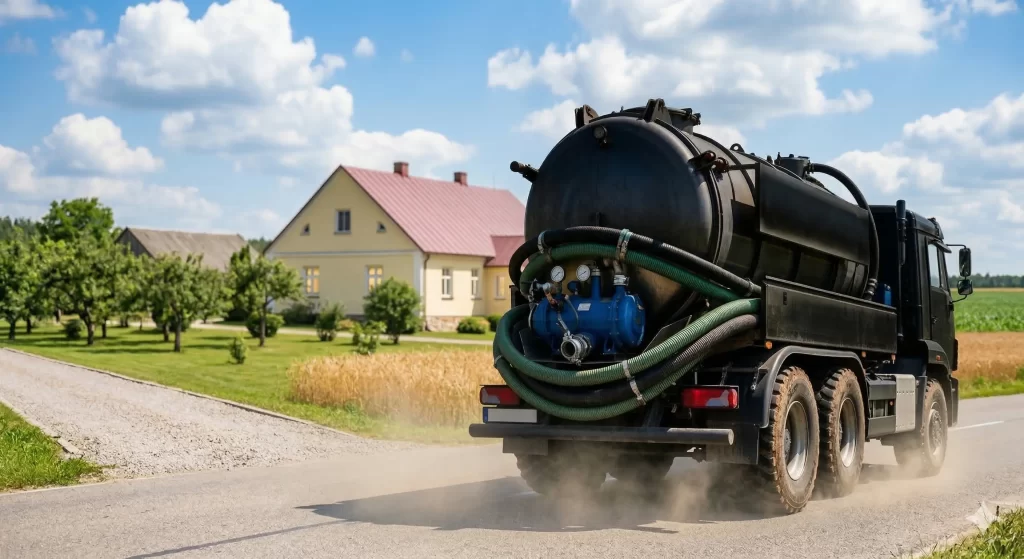
For most homeowners, the septic system is out of sight and out of mind. It’s buried deep underground, quietly managing the household's wastewater. Because it operates invisibly, many property owners fall into a dangerous financial trap: they assume that as long as the toilets are flushing, they are saving money by avoiding maintenance.
This is the most expensive mistake you can make in rural real estate. The search for "affordable septic pumping" often begins only after a foul odor fills the yard or sewage backs up into the bathtub. By that time, the opportunity to save money has evaporated.
In this comprehensive guide, we will break down the true economics of wastewater management. We will explore why a routine $350 service is the ultimate financial shield, how to identify deceptive "cheap" pumping quotes, and the daily habits that can extend the life of your drain field by decades.
The ROI of Routine Maintenance: The Math Doesn't Lie
To understand how to save money on a septic system, you must first understand how it fails. A septic tank is designed to separate solids (sludge) from liquids (effluent). Over time, the sludge layer at the bottom of the tank grows. If the tank is not pumped, this dense sludge is forced out into the drain field (leach field).
Once raw, solid sludge enters the perforated pipes of your drain field, it creates a waterproof biological mat (biomat) that seals the soil pores. The soil can no longer absorb water. The drain field is effectively dead, and no amount of chemicals or pumping can revive it. It must be excavated and completely replaced.
*Estimates based on national averages for a 1,000-gallon tank and conventional trench drain field.
As the data shows, paying for a $350 pump-out every three years is not an expense; it is an insurance policy. You are spending a fraction of the cost to protect an infrastructure asset that rivals the cost of a new roof or a full kitchen remodel.

Decoding "Cheapest Septic Pumping": Beware the Lowball Quote
When searching for "cheapest septic pumping near me," homeowners are often tempted by exceptionally low quotes (e.g., $150 or $199). In the highly regulated septic industry, a price that seems too good to be true almost always hides dangerous shortcuts.
🚨 The Dangers of Discount Pumping
Unscrupulous operators use a tactic called "Pump and Dump" or "Partial Pumping." Instead of removing the dense, hardened sludge at the bottom of the tank (which takes time and effort to break up), they simply suck out the liquid effluent at the top. You pay $150, but the dangerous solids remain in your tank, threatening your drain field.
Furthermore, illegal operators may dump the raw sewage in unauthorized locations to avoid municipal disposal fees, which can result in massive EPA fines tied back to your property.
What an "Affordable" but Legitimate Quote Includes:
Need a Reliable & Affordable Quote?
Don't fall for scams. Connect with verified local pros for honest pricing.
Daily Habits That Save Thousands of Dollars
Your septic system's lifespan is entirely dependent on what goes down your drains. By modifying daily habits, you can significantly reduce the hydraulic and biological load on your system, extending the time needed between pump-outs.
1. Master Hydraulic Load Management
A septic tank needs time to separate solids from liquids. If you overload the system with water, the turbulence prevents settling, and solids are pushed into the drain field.
- Stagger Laundry Days: Doing five loads of laundry on a Saturday floods the tank with up to 200 gallons of water. Spread laundry out to one load per day.
- Upgrade Fixtures: Install high-efficiency showerheads (1.5 GPM) and low-flow toilets. Reducing your household's daily water usage by 20% dramatically extends the life of your leach field.
- Fix Leaks Immediately: A running toilet can dump 200 gallons of water a day into your septic system, essentially drowning it.
2. The Toilet is Not a Trash Can
The only things that should ever be flushed are human waste and septic-safe toilet paper. Nothing else.
✅ The Myth of "Flushable" Wipes
The word "flushable" is a marketing term, not a scientific one. While wipes may make it down the pipes, they do not biodegrade in the tank. They tangle around baffles, clog effluent filters, and require emergency pumping. Throw them in the trash, not the toilet.
3. Rethink the Garbage Disposal
Homes with garbage disposals require septic pumping up to 50% more frequently. Disposals grind food into a fine paste that is extremely difficult for bacteria to break down. This paste settles at the bottom, rapidly increasing the sludge layer. Composting food scraps is a free way to save hundreds of dollars on pumping.
The Chemical Additive Trap
Walk into any hardware store, and you will see shelves lined with colorful boxes of "Septic Safe Bacteria" and chemical additives promising to eliminate the need for pumping. At $10 to $20 a month, these seem like a great affordable alternative.
The Scientific Reality: The human digestive system provides more than enough natural bacteria to keep a septic tank functioning perfectly. State environmental departments across the US—from Alabama to Alaska—explicitly state that biological additives are unnecessary. Worse, chemical solvents can actually kill the natural bacteria, emulsify the sludge, and push it directly into the drain field, causing premature failure. Save your $120 a year and put it toward a professional pump-out.
10-Year Cost Projection: Smart vs. Reckless Ownership
| Action / Year | The Smart Owner (Proactive) | The Reckless Owner (Reactive) |
|---|---|---|
| Year 1-2 | $0 (Practices water conservation) | $150/yr (Buys useless chemical additives) |
| Year 3 | $350 (Scheduled Routine Pumping) | $0 (Ignores the tank) |
| Year 6 | $350 (Scheduled Routine Pumping) | $0 (Sludge is now entering drain field) |
| Year 8 | $0 (System running smoothly) | $600 (Emergency weekend call for backups) |
| Year 10 | $350 (Scheduled Routine Pumping) | $18,000 (Drain field totally failed, full replacement required) |
| Total 10-Year Cost | $1,050 | $18,900+ |
By protecting the biomat in the soil and managing what goes down the drain, the proactive owner effectively saves nearly $18,000 over a decade. True affordability isn't about finding the cheapest pumper; it's about disciplined, preventative care.
Expert FAQ: Saving Money on Septic Systems
Is it possible to pump my own septic tank to save money?
Will putting yeast or raw meat in the tank help break down solids?
How does landscaping affect my septic replacement costs?
Stop Guessing. Start Saving.
Connect with certified, fully licensed local professionals in your state who offer transparent, honest pricing without the "hidden fees".