
Expert guide to fixing a Bradford White 6-blink error. This code indicates a water leak or sensor fault. Learn to diagnose and resolve this urgent issue.
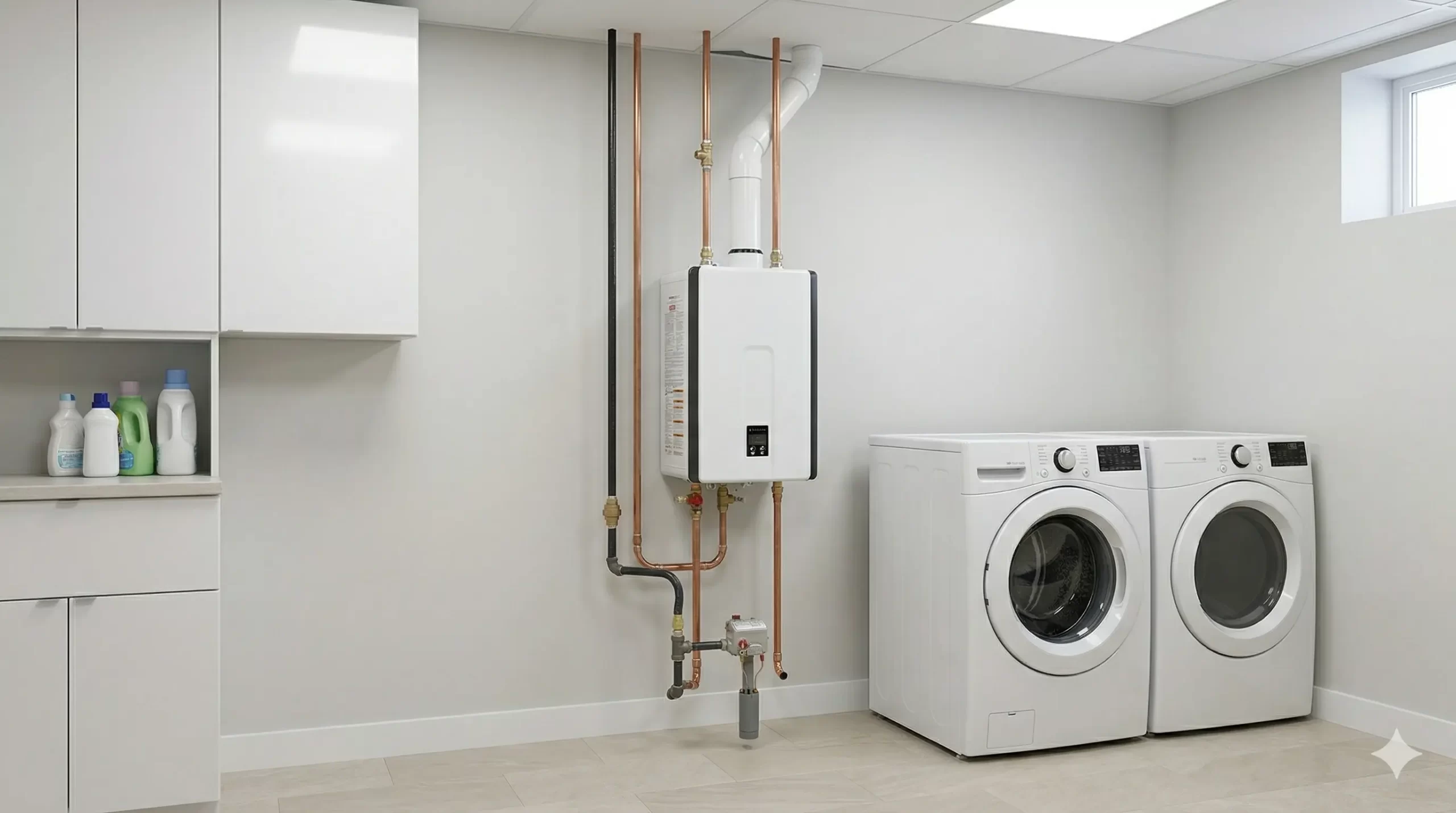
A 6-blink fault code signifies a critical alert involving moisture detection near electronic components. Before any inspection, you must completely disconnect electrical power to the unit to mitigate shock hazards. Water acts as a conductor and can short-circuit the gas control valve’s sensitive electronics. Attempting to bypass or manipulate the sensor while the system is energized can lead to irreparable damage to the control module or an unsafe operating condition. This is not merely a plumbing issue; it is an electromechanical fault that requires deliberate safety protocols.
️ Repair Profile
Required Diagnostics Tools
Multimeter, Phillips Head Screwdriver, Nut Driver Set, Non-Contact Voltage Tester, Dry Cloths, Flashlight
Financial Breakdown: Parts vs. Licensed Labor
The cost allocation is heavily weighted towards labor because the diagnostic process is paramount. The physical part, often just a sensor or wiring harness, is inexpensive compared to the professional time required for accurate fault isolation.
Deep Technical Diagnosis: The Physics of the Failure
A 6-blink status light on a Bradford White ICON C3 gas control valve is a specific fault code triggered by the unit’s integrated leak detection system or a peripheral accessory module. The primary trigger originates from a two-pronged metallic sensor, typically situated near the base of the tank, often within the drip pan’s perimeter. This sensor operates on a principle of electrical continuity; the control module sends a minute millivolt signal through it. When water bridges the gap between the two prongs, it completes the circuit, altering the resistance reading received by the main control board’s microcontroller. The firmware interprets this specific electrical signature as a leak and initiates a safety lockout, ceasing all heating operations and flashing the 6-blink code to prevent potential property damage and unsafe conditions.
However, the fault is not always indicative of a catastrophic tank failure. Condensation, especially in humid basements or unconditioned spaces, can form on the sensor contacts, creating a ‘nuisance fault’ by providing a sufficient conductive path. Beyond simple moisture, the integrity of the wiring harness connecting the sensor to the J2 or J4 accessory port on the gas valve is critical. A frayed wire, a loose pin connection, or corrosion on the terminals can create an anomalous reading that mimics a leak. In some advanced configurations, this code may also signify a communication fault with an accessory module, such as a Wi-Fi connectivity kit. The control module polls these accessories for a status heartbeat, and a failure to respond can, in some firmware versions, default to a 6-blink alert.
- Tank or Fitting Leak: A genuine leak from a compromised tank weld, a corroded dielectric union, a leaking T&P valve, or a loose drain valve is the most serious cause. This introduces liquid water directly onto the sensor.
- Ambient Condensation: High humidity or significant temperature swings can cause atmospheric moisture to condense on the cooler metal of the sensor probes, triggering a false positive.
- Faulty Wiring Harness: Damage to the low-voltage wires between the sensor and the main control valve, including breaks, pinches, or loose Molex connectors, can interrupt the signal and cause the fault.
- Corroded Sensor Contacts: Mineral buildup or galvanic corrosion on the sensor probes themselves can create a resistive bridge that the control module misinterprets as water.
- Defective Accessory Module: A failure in an attached electronic module (e.g., Wi-Fi adapter) can disrupt the data bus communication, leading the main controller to flag a general accessory fault, which is mapped to the 6-blink code.
- Control Module Malfunction: In rare instances, the fault may lie within the gas control valve’s internal logic, where the sensing circuit has failed, causing it to erroneously report a leak. A manometer test of gas pressure would be irrelevant here, as this is an electronic, not a combustion, fault.
US Building Codes & Plumbing Regulations
The 6-blink diagnostic code directly relates to compliance with plumbing codes that mandate protection against water damage, such as the Uniform Plumbing Code (UPC) Section 507.5. This section requires that a water heater installed in an area where leakage could cause damage must be placed in a galvanized steel or other approved pan, which must be drained. The electronic leak sensor in these Bradford White models acts as an advanced, active form of compliance, providing an immediate alert and shutdown that exceeds the passive protection of a simple pan, thereby preventing overflow and subsequent structural damage.
Furthermore, the automatic shutdown sequence initiated by the 6-blink code aligns with the safety principles of NFPA 54, the National Fuel Gas Code. While NFPA 54 does not explicitly mandate leak sensors, it requires that gas appliances be equipped with inherent safety controls that can terminate the flow of gas during an abnormal condition. The detection of a water leak is classified as such a condition, as it can compromise the appliance’s structural integrity and create electrical hazards. The control module’s response—ceasing heating operations and locking out—is a direct fulfillment of the code’s intent to ensure the appliance fails in a safe, non-combustible state.
Professional Master Plumber Repair Sequence
- Confirm Safety Shutdown: Verify the 6-blink code on the gas control valve status light. This indicates the unit has entered a safety lockout. Do not attempt to reset the unit at this stage.
- Isolate Power: For models with a separate power cord for a power vent or accessory, unplug it from the wall outlet. Use a non-contact voltage tester to confirm there is no power being supplied to any part of the water heater’s control system.
- Shut Off Gas Supply: Locate the gas shutoff valve on the sediment trap assembly leading to the water heater. Turn the handle a quarter turn so it is perpendicular to the gas pipe, shutting off the gas flow.
- Perform Visual Inspection: Using a bright flashlight, meticulously inspect the floor around the water heater and inside the drip pan. Look for any signs of standing water, drips, or mineral trails indicating a slow leak from fittings, valves, or the tank itself.
- Dry and Inspect the Sensor: Locate the leak detection sensor at the base of the unit. It is a small component with two metallic probes. Carefully wipe the probes and the area around them with a dry cloth to remove any moisture from condensation or a minor leak. Inspect the probes for corrosion or damage.
- Inspect Wiring Harness: Trace the wires from the sensor back to the gas control valve. Ensure the connector (typically a small plastic plug) is securely seated in its port on the control module. Check the entire length of the wire for any signs of pinching, fraying, or rodent damage.
- Perform a Diagnostic Reset: Once the sensor and surrounding area are confirmed to be completely dry and the wiring is secure, you can perform a reset. For most ICON systems, this involves turning the temperature dial to the ‘OFF’ position, waiting 10 seconds, then turning it back to your desired temperature setting.
- Monitor for Recurrence: Observe the status light. If it returns to a slow, steady blink (indicating normal operation), the issue was likely transient moisture. Monitor the unit closely for the next 24 hours to ensure the 6-blink code does not return.
- Identify Leak Source (If Applicable): If water was present in Step 4 or the code returns quickly, you must identify the source. Check the T&P valve, drain valve, and hot/cold plumbing connections. If no fittings are leaking, the tank itself may have failed, which requires immediate replacement.
Expert Verdict: Is It Worth Repairing?
When faced with a 6-blink error code on a Bradford White water heater, the repair-versus-replace analysis overwhelmingly favors repair. The return on investment (ROI) for this specific diagnosis is exceptionally high. The potential components at fault—the leak sensor or its wiring—are low-cost parts, often under $50. The bulk of the repair cost is labor for accurate diagnosis. A successful repair, costing a few hundred dollars, not only restores hot water but crucially prevents potentially thousands of dollars in water damage that a developing leak could cause. Investing in this repair is an investment in protecting your property.
Replacing the entire unit for a 6-blink code, without confirming a terminal tank failure, is financially unsound. A full replacement can cost between $1,800 and $3,500+. The only scenario where replacement is the logical choice is if the diagnostic process confirms the source of the water is a non-repairable leak from the tank body itself. Therefore, the 6-blink code should be viewed as a valuable early warning system; addressing it promptly via repair is the most cost-effective and responsible course of action.
Frequently Asked Questions (FAQ)
Q: Can I just bypass the leak sensor to get my hot water back on?
A: Absolutely not. Bypassing the leak detection sensor is a dangerous modification that defeats a critical safety feature of your Bradford White water heater. The sensor is designed to prevent catastrophic water damage and potential electrical hazards. Disabling it could lead to a major flood and voids your manufacturer’s warranty.
Q: My floor is completely dry, but the 6-blink code won’t clear. What’s next?
A: If the area is dry and a power cycle doesn’t resolve the 6-blink code, the issue is likely electrical. The fault could be a damaged wiring harness between the sensor and the control module, corrosion on the sensor terminals that is creating a false signal, or a malfunction within the gas control valve’s internal circuitry. This requires a technician with a multimeter to test for continuity and resistance.
Q: Is it normal for condensation to trigger the 6-blink error code?
A: While not ideal, it is possible, especially in humid environments like basements during summer or in improperly ventilated utility closets. If condensation is the recurring cause, a professional may recommend improving ventilation around the unit or ensuring the combustion air intake is not drawing in excessively moist air, which can cool surfaces and promote condensation.
Q: If the error was caused by a leak, is the water heater still safe to use after the repair?
A: Yes, provided the leak was from a repairable component, such as a threaded fitting, drain valve, or T&P valve, and not the tank itself. Once the leaking component is professionally repaired or replaced and the area is thoroughly dried, the water heater can be safely returned to service. The 6-blink system is designed to shut the unit down before the leak causes damage to the operational controls.