
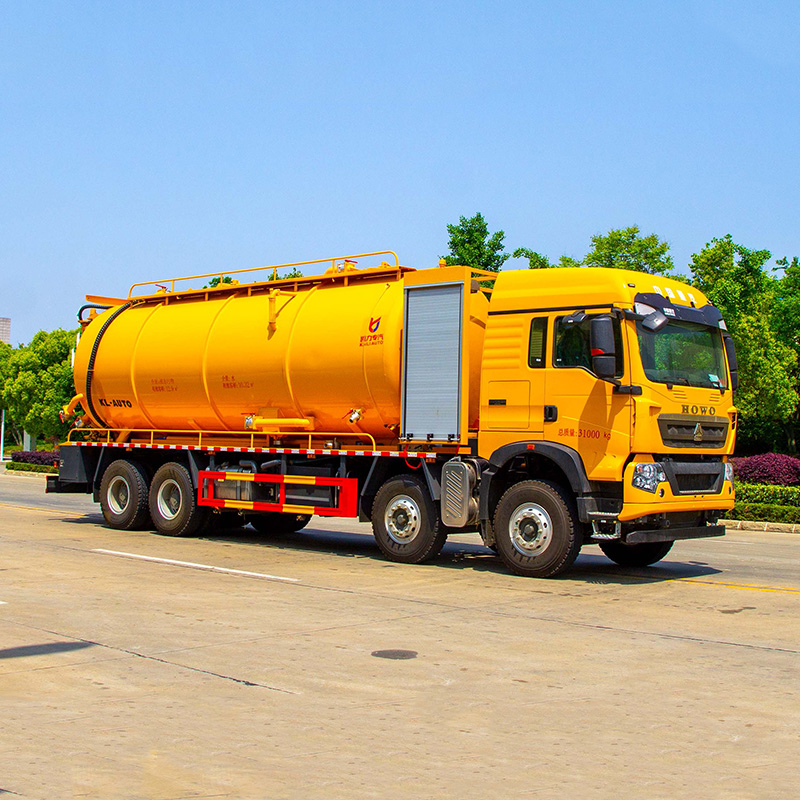
Can Driving or Parking Over Your Septic Tank Cause It to Collapse?
It’s the weekend, and you are hosting a massive backyard barbecue. Friends and family are arriving in droves, and street parking has completely vanished. Without thinking twice, you wave your guests in, directing them to park their heavy SUVs and pickup trucks directly on the wide, open expanse of your beautiful front lawn.
To the naked eye, the ground looks solid, safe, and perfectly capable of supporting the weight. But beneath that thin layer of green grass and topsoil lies a massive, hollow cavern holding thousands of gallons of toxic wastewater, alongside a fragile, intricately placed network of perforated PVC pipes. You aren't just parking on dirt—you are parking on your home's private sewage treatment plant.
So, the million-dollar question: Can driving or parking over your septic system actually cause it to collapse?
The unequivocal, scientifically backed answer is YES. Treating the ground above your septic system like a driveway is one of the fastest, most surefire ways to completely destroy your plumbing infrastructure, creating a catastrophic bio-hazard and a repair bill that can easily shatter the $20,000 mark. In this definitive, expert-led guide, we are going to dive into the terrifying physics of soil compaction, how different tank materials respond to vehicular weight, and the immediate steps you must take if you accidentally drove over your drain field.
- 1. The Physics of Destruction: How Weight Transfers Underground
- 2. Tank Materials vs. Vehicular Weight (Concrete, Plastic, Fiberglass)
- 3. The Drain Field: The Real Victim of Soil Compaction
- 4. Safe Clearances: What Vehicles Can Drive Where?
- 5. Regional Soil Risks (Texas, Florida, Louisiana)
- 6. Warning Signs You've Crushed Your System
- 7. Repair Costs: The Financial Reality of a Collapse
1. The Physics of Destruction: How Weight Transfers Underground
To understand why a septic tank collapses, you have to understand basic physics—specifically, Point Load Pressure and Soil Compaction.
A standard mid-size SUV weighs approximately 4,500 to 5,000 pounds. When that vehicle is parked on your lawn, that immense weight is not distributed evenly across the yard. It is focused entirely onto four tiny contact patches where the tires touch the dirt. This creates extreme Pounds Per Square Inch (PSI) of pressure driving straight down into the earth.
Septic tanks and drain field pipes are hollow. They are engineered to withstand horizontal, lateral pressure (the natural weight of the dirt pushing against the sides of the tank) and uniform top-down pressure from a static layer of topsoil. They are not designed to handle dynamic, moving point-load pressure driving down from a vehicle tire. When a truck rolls over the ground, the pressure cone pushes through the soil, instantly finding the path of least resistance: the hollow void of your septic tank or the empty space inside a PVC pipe.
2. Tank Materials vs. Vehicular Weight
How your specific tank responds to a parked car depends entirely on what the tank is made of, how deep it is buried, and the condition of the soil above it.
- Precast Concrete Tanks: While concrete is incredibly strong, it is brittle. A heavy vehicle driving over the center of a concrete tank can cause micro-fractures in the structural "lid" of the tank. Over time, these cracks widen. The most fatal risk here is the access port lid collapsing. If a heavy truck cracks a concrete access lid, the dirt falls into the tank, creating a massive, invisible sinkhole in your yard that a child or pet could fall into.
- HDPE Plastic & Polyethylene Tanks: Plastic tanks are lightweight and immune to chemical corrosion, but they are pliable. If you park a truck over a plastic tank, especially in wet soil, the immense pressure causes the plastic walls to deform and buckle inward. This warping reduces the tank's holding capacity and snaps the internal PVC baffles right off the walls, destroying the system's ability to separate waste.
- Fiberglass Tanks: Similar to plastic, fiberglass is watertight but highly susceptible to crushing. A heavy vehicle can easily shatter the fiberglass casing, causing raw, untreated human waste to immediately leak into the surrounding groundwater.
In some highly specific commercial or urban residential scenarios, tanks are installed directly under driveways. However, these are specially engineered H-20 Traffic-Rated Septic Tanks. They are built with massively reinforced concrete, heavy-duty rebar matrices, and cast-iron manhole covers specifically designed for highway loads. A standard backyard residential tank is NOT traffic-rated.
3. The Drain Field: The Real Victim of Soil Compaction
While collapsing a 1,000-gallon concrete tank requires a significant amount of weight, destroying your drain field (leach field) requires almost zero effort. In fact, the drain field is vastly more susceptible to vehicular damage than the tank itself.
The drain field consists of perforated PVC pipes resting in gravel trenches, usually buried a mere 12 to 36 inches below the grass. The system works because the soil is porous and full of oxygen, allowing aerobic bacteria in the "biomat" to digest the wastewater.
When you drive a car over the drain field, two catastrophic things happen instantly:
- Pipe Crushing: The weight of the tire pushes down through the shallow dirt and snaps the brittle PVC pipes. Once a pipe is crushed or disjointed, the effluent hits a dead end. The water has nowhere to go but backward into your house, or upward to the surface of the lawn.
- Soil Compaction (Suffocation): Even if the pipes survive, the weight of the vehicle crushes the soil, removing all the microscopic air pockets. Without oxygen, the beneficial bacteria in the soil die. The soil turns into a hard, impermeable brick of clay, permanently sealing the drain field and ruining its ability to absorb water.
5. Regional Soil Risks: Why Location Amplifies Damage
The damage caused by driving over a septic system is heavily influenced by the geology of your specific state. Different soils transfer vehicle weight differently.
Texas (Expansive Clay):
If you rely on septic services in Texas, you are likely dealing with dense clay soils. When clay is wet, it becomes incredibly malleable. Driving a truck over wet Texas clay instantly creates deep, permanent ruts and compacts the soil so severely that it becomes completely waterproof. A single heavy vehicle on a wet day can permanently suffocate a Texas drain field.
Florida (Sand and High Aquifers):
For homeowners utilizing septic pumping in Florida, the terrain is defined by loose sand. Sand has very little structural integrity. When a vehicle drives over a Florida septic system, the sand rapidly shifts and displaces. This shifting can easily cause the massive septic tank to tilt off its level axis, snapping the inlet and outlet pipes cleanly off the sides of the tank.
Louisiana (Saturated Wetlands):
In areas requiring specialized septic care in Louisiana, the ground is frequently fully saturated due to heavy rains and high water tables. Driving heavy machinery over saturated ground creates a hydraulic shockwave underneath the soil, which can literally pop buried PVC pipes out of their joints or cause lightweight plastic tanks to buckle inward.
Driving Parking Over Septic Tank Collapse Risk Septic Expert AI
6. Warning Signs You've Crushed Your System
If a delivery driver, a contractor, or a party guest accidentally parked on your drain field, you need to monitor the system closely. The damage happens underground, but the symptoms will rapidly appear inside the house and in the yard.
- Deep Tire Ruts That Smell Like Sewage: If a vehicle left deep tracks in the grass, and those tracks fill with dark, foul-smelling water, the pipes beneath have been crushed and effluent is escaping to the surface.
- Sudden Sinkholes: A localized, sudden dip in the yard directly over the tank means the concrete lid has fractured and dirt is falling into the tank. This is an extreme safety hazard. Keep children and pets away immediately.
- Gurgling Toilets and Slow Drains: If the pipe leading from the tank to the crushed drain field is blocked, the water backs up, causing a vapor lock in your indoor plumbing. Your toilets will struggle to flush and will gurgle loudly.
- Raw Sewage Backup: The ultimate disaster. If the system is crushed, wastewater has nowhere to go but backward, flooding your lowest bathtubs and showers with raw human waste.
If you suspect damage, step one is always to have the tank pumped so a professional can inspect the damage from the inside. To understand your baseline costs for this emergency diagnostic step, review the 1000 gallon septic tank pumping cost, and bookmark our comprehensive guide to 2026 septic pumping costs to see how regional fees apply.
Conclusion: Mark Your Territory
The ground above your septic system is a strictly "No Parking, No Driving" zone. The temporary convenience of parking a truck on the lawn is never worth the devastating financial fallout of a collapsed tank or a crushed drain field.
As a homeowner, it is your responsibility to know exactly where your tank and drain field are located. If you are having contractors over for a roof replacement, a landscaping overhaul, or a backyard party, physically mark the perimeter of the septic system with orange safety cones or caution flags. Protect the airspace above the dirt, and the plumbing below the dirt will protect your home for decades.
Did Someone Drive Over Your System?
If a vehicle compromised your drain field or tank, don't wait for sewage to back up into your home. Connect with top-rated, independent local septic professionals to pump the tank and assess the structural damage today.