
The Nitty-Gritty Numbers: Your Estimated 2026 Septic Costs in Indiana
Alright, let’s get right to it. You’re trying to budget for your home, whether you’re selling, buying, or just staying put. Talking about septic costs feels a bit like discussing the price of a root canal – nobody wants to, but you have to know. Remember, your septic system is like the engine of your car. You wouldn’t skip an oil change for 50,000 miles and expect it to run smoothly, right? Your septic tank is no different. Neglect it, and you’re looking at a breakdown that’s messy, expensive, and a complete deal-killer in a real estate transaction.
Here in Indiana, prices can vary based on whether you’re in a rural county or near a metro area like Indianapolis or Fort Wayne, and how far the truck has to drive. Here’s a realistic breakdown of what you can expect to see on an invoice come 2026.
| Service | Estimated 2026 Indiana Cost Range | Factors & Real Estate Impact |
|---|---|---|
| Standard Pumping (1000-1500 gal) | $350 – $600 | This is your routine ‘oil change’. Sellers should have proof of recent pumping (within 3 years) for buyers. Lack of records is a red flag. |
| Emergency / After-Hours Pumping | $500 – $900+ | Happens during home showings or the final walk-through. A nightmare scenario that can immediately spook a buyer. |
| Full Septic Inspection (for Real Estate) | $400 – $750 | Non-negotiable for buyers. This is a deep dive, often including camera scopes. It will uncover any neglect and become a major negotiation point. |
| Digging to Access Lids | $75 – $250 per lid | If lids are buried, this adds cost. A seller who doesn’t know where their lids are looks negligent. Installing risers is a smart upgrade. |
| Effluent Filter Cleaning | $50 – $100 (if done with pumping) | A clogged filter can cause a backup. An inspector will check this. A clean filter shows you’ve been doing the bare minimum of care. |

Protecting Your Biggest Asset: Proactive Maintenance Tips

You wouldn’t let your car’s engine get gunked up, so don’t do it to your home’s ‘engine’ either. Protecting your property value starts with what you do (and don’t do) every single day. This isn’t just about avoiding a backup; it’s about getting a clean bill of health when that home inspector comes knocking.
- Only Flush the 3 P’s: You know the drill – Pee, Poo, and (toilet) Paper. That’s it. “Flushable” wipes are the number one enemy. They don’t break down and create clogs that can cause a system to fail inspection. Feminine hygiene products, dental floss, q-tips, and paper towels are also on the ‘no-fly’ list.
- Be Kind to Your Drains: Pouring grease, coffee grounds, or harsh chemicals down the drain is like pouring sugar in a gas tank. The grease solidifies and clogs the pipes and drain field. The chemicals can kill the beneficial bacteria that your system needs to break down waste. Use drain snakes and hot water instead of chemical drain cleaners.
- Schedule Regular Pumpings: For a typical family of four in Indiana, you should be getting your tank pumped every 3 to 5 years. Keep every single receipt and service record in a folder. When it’s time to sell, handing a buyer a thick folder of maintenance records is like handing them a guarantee of good faith. It builds immense trust and short-circuits negotiation hassles.
- Water Conservation Matters: Every drop of water you use from your washing machine, shower, and faucets ends up in your septic system. Overloading it with excessive water use doesn’t give it time to treat the waste properly and pushes solids into the drain field, which is the beginning of the end. Fix leaks and install efficient fixtures.
Real-Life Case Study: A Fishers, Indiana Home Sale Horror Story
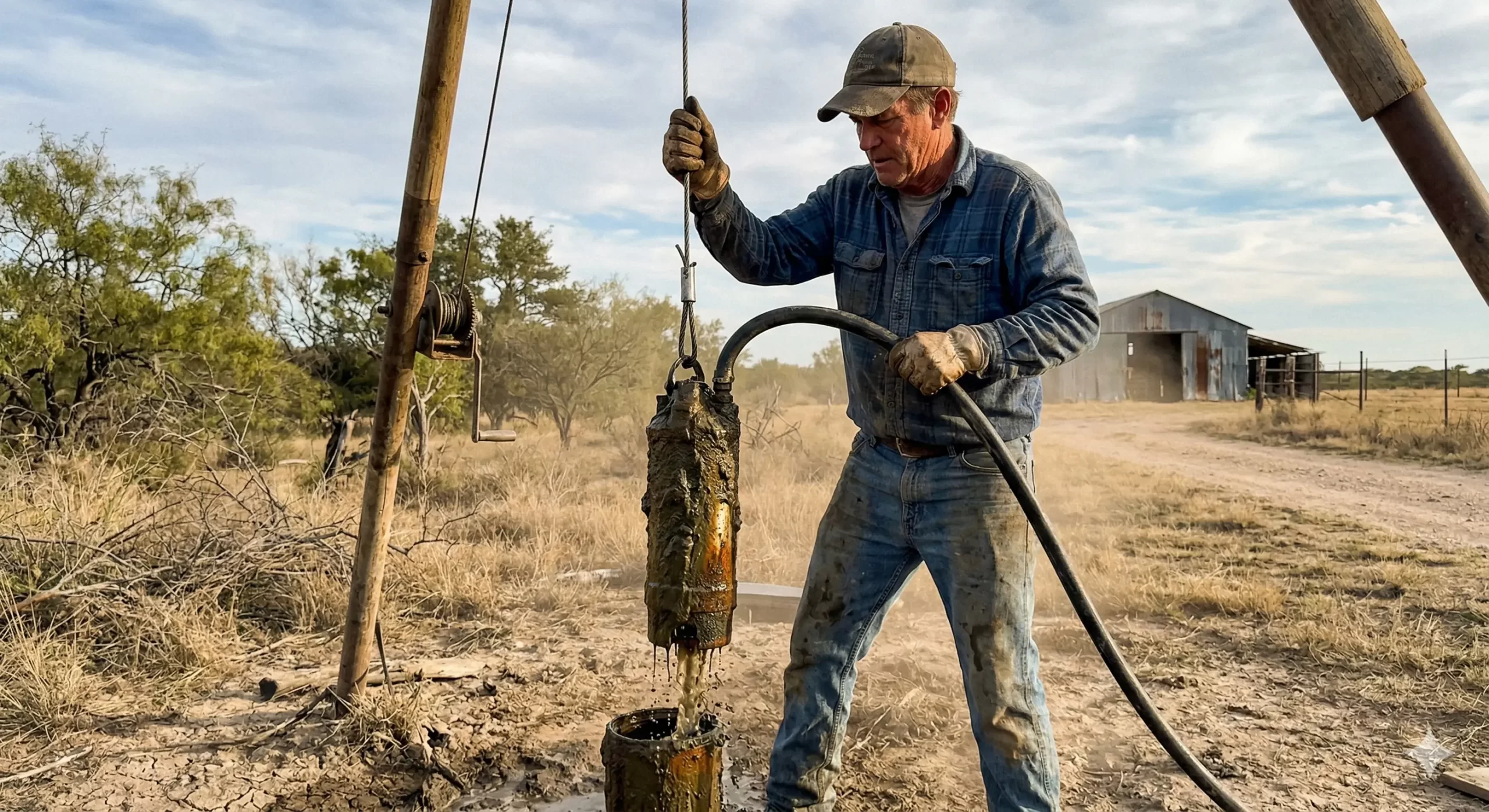
Let me tell you about the Miller family. They were selling their beautiful 4-bedroom home in Fishers, just outside of Indy. They’d lived there for 12 years, raised their kids, and kept the house looking immaculate. They accepted a great offer within a week and thought they were home-free. Then came the septic inspection.
The inspector popped the lid and found a tank that hadn’t been pumped in at least a decade. The baffles, which control the flow of waste, were half-rotted away. The real kicker? A camera inspection revealed that years of solids being pushed out of the overfilled tank had completely clogged the first few lines of their drain field. The inspector noted soggy ground near the field and declared the system was in a state of progressive failure.
The buyer’s agent came back with two options: either the Millers replace the entire drain field before closing (a $17,000 job with a 4-week waitlist) or knock $25,000 off the sale price to cover the cost and the risk. The Millers were panicked. Their sale was about to collapse, and their profit was evaporating. After a week of stressful negotiations, they settled on crediting the buyer $20,000 at closing. A decade of neglect, which would have cost them maybe $1,200 in routine pumping fees over the years, ended up costing them twenty grand right off the top of their biggest investment. Don’t be the Millers. Facing a drain field failure? Our team in Edcouch, TX is ready to diagnose the problem.
The Progression of Septic Failure: A Timeline for Homeowners
Septic systems don’t just fail overnight. It’s a slow, silent process that can catch homeowners by surprise, especially when a sale is on the line. Here’s what the timeline of neglect looks like: We also provide specialized local support—see our Irving, TX service page for details.
- Years 1-3: The Honeymoon Phase. Everything works perfectly. Drains are fast, there are no odors, and the grass over the drain field is healthy. The system is happily digesting waste as intended. This is the ideal time for your first pump.
- Years 4-5: The First Warning Signs. The sludge and scum layers in the tank are building up. You might notice occasional slow drains, particularly after heavy water use (like laundry day). You might hear some gurgling from the toilets. A routine pump now would prevent all future problems.
- Years 6-7: The Point of No Return. The tank is now overfilled. Solids are being pushed past the baffles and into the drain field pipes. You’ll notice persistent foul odors outside near the tank or field. The grass over the drain field might be unusually green and spongy. The damage is now becoming permanent and expensive.
- Year 8+: Catastrophic Failure. The drain field is completely clogged with solid waste. Sewage may surface on your lawn, creating a biohazard. Toilets and drains will back up into your house. At this stage, pumping the tank is a temporary fix for a permanent problem. The system has failed. You are now facing a full system replacement, which is a massive financial hit and a deal-breaker for 99% of home buyers.
Troubleshooting 101: What to Do When Your System Acts Up
Getting a call from a potential buyer’s agent saying there’s a problem with the septic can send a jolt of fear through any homeowner. Here are a few common scares and what they might mean.
The Problem: Slow drains throughout the house.
What it could be: If it’s every drain, it’s not a simple clog. This is a classic sign that your septic tank is full and can’t accept any more water. The system is at capacity. The first step is to call for a pump and an inspection immediately. Don’t wait.
The Problem: A funky, sewer-like smell outside.
What it could be: This could be as simple as a loose lid on the tank or a plumbing vent stack on your roof that’s blocked. But more often than not, especially here in Indiana with our freeze-thaw cycles that shift the ground, it indicates that your drain field is saturated and failing. Effluent is surfacing. This is a major red flag for an inspector. You can find more detailed pricing and local regulations on our dedicated Hialeah, FL location page.
The Problem: Gurgling noises from your toilets.
What it could be: Think of this as your system’s cry for help. It’s struggling to breathe. The gurgling is caused by air being trapped and displaced in the plumbing because the tank is too full for proper venting. It’s an early warning sign that you need to schedule service before it becomes a full-blown backup. Our Pampa, TX service technicians are fully licensed to handle these exact types of installations.
What Our Hoosier Customers Are Saying
⭐⭐⭐⭐⭐
“We were in the middle of selling our home in Zionsville when the buyer’s inspection flagged our septic system. We were in a panic. I called these guys and they were out the next day. They pumped the tank, replaced a cracked baffle, and provided all the paperwork we needed for the buyer. They explained everything clearly and their price was fair. Absolutely saved our home sale!” We also provide specialized local support—see our Sunny Isles Beach, FL service page for details.
– David R., Zionsville, IN
⭐⭐⭐⭐⭐
“As a real estate agent in Monroe County, I need septic experts I can trust. This company is my first and only call. They understand the urgency of real estate deadlines and have helped my clients navigate complex inspection reports and repairs countless times. Honest, reliable, and they know Indiana’s soil and regulations inside and out. Highly recommended.”
– Sarah P., Bloomington, IN
Your Real Estate Septic Questions Answered
Does a failed septic inspection automatically kill a home sale in Indiana?
Not automatically, but it’s a serious hurdle. A failed inspection immediately triggers a new round of negotiations. Typically, one of three things happens: 1) The seller pays to have the system repaired or replaced before closing. 2) The seller provides a credit to the buyer at closing so the buyer can handle the repairs. 3) The buyer walks away if the problem is too big or the parties can’t agree on a financial solution. A functional septic system is considered a fundamental component of a habitable home, so it’s a non-negotiable item for most buyers and lenders.
Who pays for the septic pumping during a home sale: the buyer or the seller?
This is a point of negotiation, but standard practice in Indiana is for the seller to be responsible for ensuring the system is in good working order. Most septic inspections require the tank to be pumped at the time of the inspection so the technician can see the inside of the tank, including the baffles and walls. Therefore, the seller usually pays for the pumping as part of the inspection process. It’s seen as a seller’s maintenance responsibility, proving the system is functional for the new owner.
How long does a septic system typically last in Indiana?
A well-maintained conventional septic system can last 25 to 30 years, or even longer. The septic tank itself (if concrete) can last for 40+ years. The component that usually fails is the drain field. Its lifespan is heavily affected by soil conditions (like our heavy Indiana clay), usage, and maintenance. A system that is never pumped and constantly overloaded with water might only last 15 years. A properly cared-for system will be a major asset, while an aging system will be flagged by inspectors as a costly future liability for the buyer.
Is a septic dye test required for a home sale in Indiana?
There is no statewide law in Indiana that mandates a septic dye test for a property transfer. However, requirements can vary by county, and more importantly, they are often required by the buyer’s lender (especially for FHA or VA loans). Even if not required, a savvy buyer’s agent will almost always recommend the buyer pay for a full septic inspection, which often includes a dye test or a more thorough hydraulic load test to check for drain field failure. Sellers should expect that a serious buyer will insist on a comprehensive inspection.
Technically Reviewed By:
BlixBase Master Plumber Team
20+ Years Septic Industry Experience | Certified System Inspectors