

This Isn’t a Problem. It’s a Crisis.
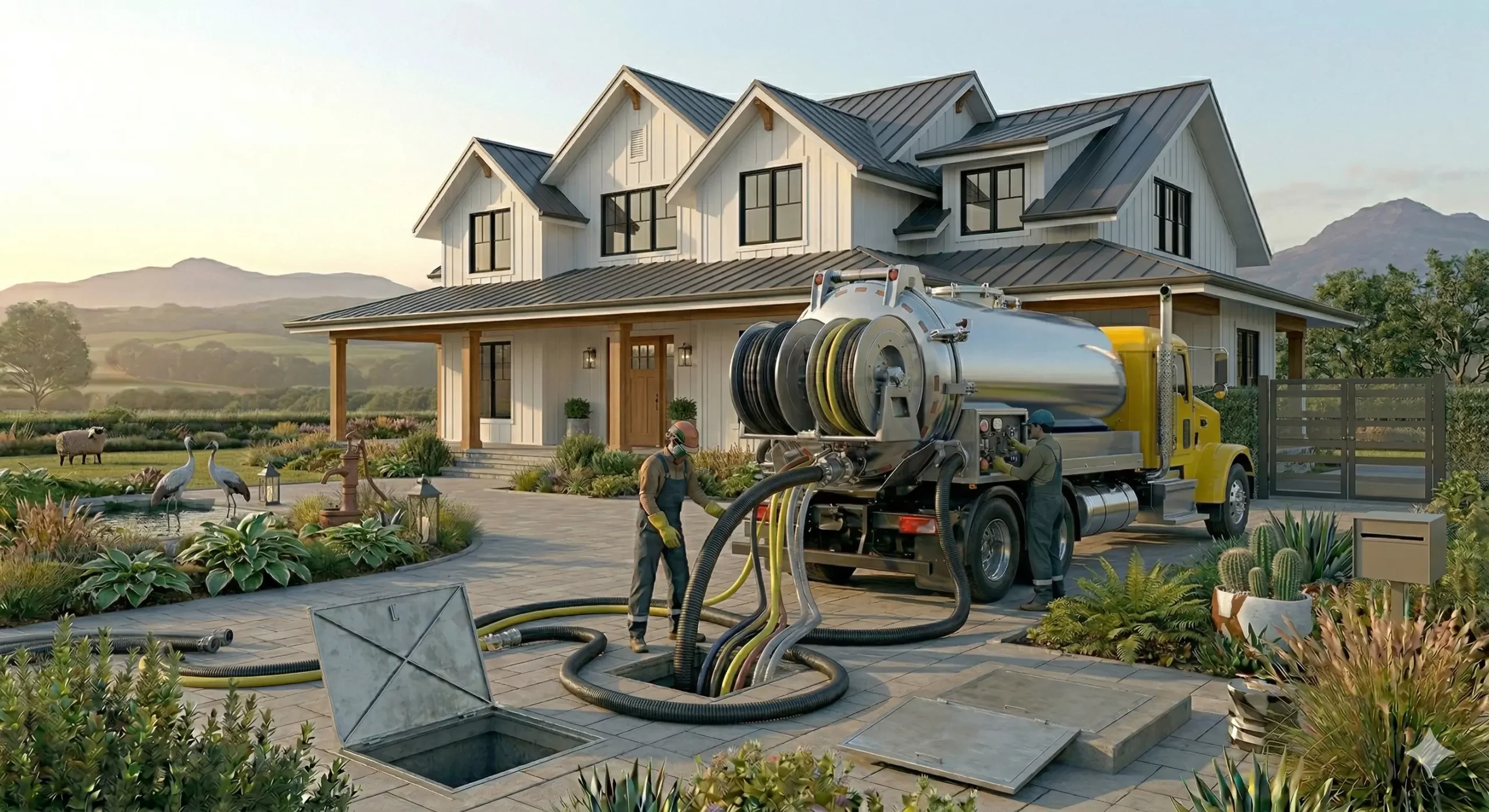
Stop. Take a breath. You have a serious issue on your hands. Your property is on rocky soil, ledge, or solid bedrock. You’ve been told a standard septic system is impossible. You’re right to be worried. A conventional system will fail. It’s not a matter of if, but when. And the failure will be catastrophic, endangering your family’s health and your home’s value.
Standard septic systems rely on one thing: porous, forgiving soil. They need deep, permeable soil to absorb, filter, and treat the wastewater (effluent) that leaves your septic tank. Rocky ground provides none of this. It’s a non-starter. Trying to force a conventional system here is like trying to drain a swimming pool onto a concrete slab. The water has nowhere to go. This guide is your emergency action plan. We will cover the science, the solutions, and the costs. Pay close attention. Your property depends on it.
Cost Breakdown: Facing Financial Reality
Let’s get straight to the point. The solutions for rocky soil are not cheap. You are not buying a simple tank and gravel pit. You are commissioning a private wastewater treatment facility for your property. The investment is significant, but the cost of failure is infinitely higher. Below is a realistic breakdown of what to expect. These are estimates; your specific site conditions will dictate the final price.
| System Type | Estimated Installation Cost | Annual Maintenance Cost | Key Consideration |
|---|---|---|---|
| Conventional System | $8,000 – $15,000 | $250 – $500 (Pumping) | Not viable for rocky soil. Will not be approved. |
| Engineered Mound System | $20,000 – $45,000+ | $300 – $600 (Pumping, pump maintenance) | Requires a very large, open area. Visually intrusive. |
| Aerobic Treatment Unit (ATU) + Drip Dispersal | $25,000 – $50,000+ | $500 – $800 (Service contract, electricity) | Highest treatment level. Most flexible for difficult sites. |
| Chamber System (Shallow Profile) | $15,000 – $30,000 | $250 – $500 (Pumping) | Only works if you have *some* usable soil depth. Not for pure bedrock. |
The Science of Failure: Soil Physics and Bacterial Warfare
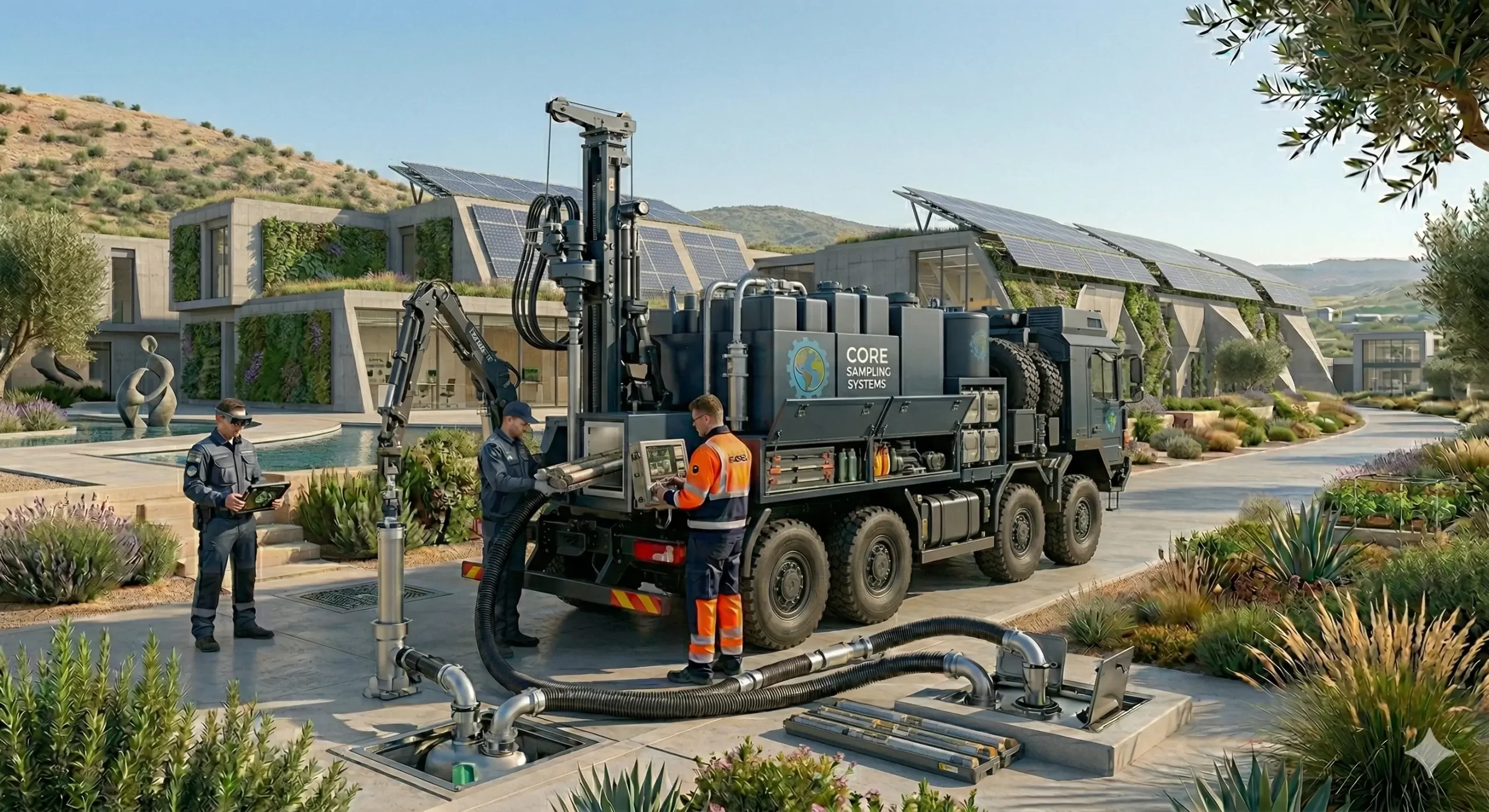
To fix the problem, you must understand it. A septic system is a two-part biological process. Part one happens in the tank. Part two happens in the soil. On a rocky lot, part two is impossible without engineering.
Part 1: The Anaerobic Tank
All waste from your home flows into a septic tank. Here, an environment without oxygen allows anaerobic bacteria to thrive. These bacteria perform a critical first step: they digest organic solids. This process, called anaerobic digestion, breaks down about 50% of the solids. The waste separates into three layers:
- Scum: Greases, fats, and oils float to the top.
- Sludge: Heavy organic solids sink to the bottom.
- Effluent: The clarified, but still highly contaminated, liquid waste in the middle.
This effluent flows out of the tank towards the drainfield. While it’s clearer than what went in, it’s a toxic soup. It is teeming with pathogens and has a high Biological Oxygen Demand (BOD). BOD is a measure of how much oxygen bacteria will consume to fully break down the remaining organic matter. High BOD is very bad for the environment.
Part 2: The Catastrophe in Rocky Soil
So what happens when the delicate biological factory in your septic tank sends its wastewater into a brick wall of granite? The effluent has nowhere to go. It follows the path of least resistance, which is often straight up to the surface of your yard or sideways into your well. This is called hydraulic failure. The soil’s ability to absorb water, its percolation rate, is near zero. In bedrock, there are no soil pores for effluent to cling to. There is no medium for the final, crucial aerobic treatment step to occur. Without soil contact and oxygen, the pathogens are not killed, and the nutrients are not removed. The system has failed, and it is now actively poisoning your property. Upgrading your system? Let our Deer Park, TX installation experts walk you through the options.
The Solution: Engineered Systems for Hostile Environments
Since your native soil is unusable, we must build a new treatment environment. Your options are limited, but they are effective. The goal is to dramatically clean the effluent *before* it ever touches the ground. Whether it’s a minor repair or a major overhaul, our Cocoa Beach, FL plumbing and septic crew has you covered.
Option 1: The Mound System
A mound system is exactly what it sounds like. It is a large, elevated drainfield constructed on top of your existing ground. A specific, washed sand is brought in to create an artificial treatment zone. Effluent is pumped in measured doses into the top of the mound. It then slowly percolates down through the sand. The sand acts as a biological filter. Oxygen-loving (aerobic) bacteria live in the sand’s pore spaces and aggressively break down the remaining waste, pathogens, and nitrates. By the time the treated water reaches the native soil, it is significantly cleaner. The downside is the immense size, cost, and visual impact of a large hill in your yard. Regular maintenance is crucial. Connect with our North Miami Beach, FL septic experts to schedule a check-up.
Option 2: The Aerobic Treatment Unit (ATU) – The Premier Solution
An ATU is a miniature wastewater treatment plant. It’s the most advanced and often best solution for difficult lots. An ATU introduces a second treatment stage after the initial septic tank. Inside the ATU, an aerator or agitator actively pumps oxygen into the effluent. This creates a hyper-oxygenated environment perfect for aerobic bacteria.
These aerobic bacteria are hundreds of times more efficient and faster at breaking down waste than their anaerobic cousins. They devour organic matter, reducing BOD and Total Suspended Solids (TSS) by over 95%. The resulting effluent is incredibly clean—almost clear. This highly treated effluent can then be safely dispersed into much smaller, shallower drainfields that would be impossible with traditional septic effluent. To get a customized pumping schedule, feel free to speak with our local representatives in Abbeville, LA.
Often, an ATU is paired with a subsurface drip dispersal system. This network of thin tubing is installed just a few inches below the surface, dispersing the clean water slowly and evenly over a wide area. It’s ideal for lots with little soil, steep slopes, or sensitive vegetation.
Real-Life Case Study: The Peterson Family in the Poconos, PA
The Petersons bought a 3-acre lot with a stunning view near Jim Thorpe, Pennsylvania. The lot was steep and covered in fractured shale. Their initial soil testing (perc test) failed immediately. Water simply would not absorb into the ground. Their builder told them the project was likely impossible. The local health department rejected their initial permit for a conventional system.
They were facing a choice: abandon their dream lot or find an engineered solution. A mound system was proposed, but it would have required clearing a massive, flat area, destroying the natural landscape they loved and costing over $40,000. It felt like a defeat.
We were called for a second opinion. After a site evaluation, we designed a system using a Norweco Singulair ATU. The unit itself has a small footprint. We were able to tuck it into an unused corner of the property. Because the ATU produces such high-quality effluent, we could pair it with a subsurface drip irrigation system. We ran over 800 feet of drip line, contouring it along the natural slope of the hill, weaving between trees. The entire dispersal field was installed with minimal disturbance to the site, preserving the very reason they bought the property. The total cost was comparable to the mound, but the solution was vastly superior for their specific needs and desires. Today, their system is functioning perfectly, completely out of sight and protecting their local groundwater.
Maintenance: This Is Not Optional
Your advanced system is a high-performance machine. It requires professional, scheduled maintenance. Neglecting it will lead to a rapid, expensive failure. There is no room for error.
- Service Contracts are Mandatory: Most jurisdictions require a biannual or annual service contract for any ATU. A technician will inspect the aerator, pumps, floats, and control panel. They will test the effluent quality. Do not skip this.
- Pumping is Still Required: The primary septic tank still accumulates sludge. It must be pumped every 2-3 years, depending on household size. The ATU itself may also have a sludge chamber that needs attention.
- Protect the Dispersal Area: Never drive over your mound or drip field. Do not plant trees with aggressive root systems nearby. Keep gutters and surface water diverted away from the area.
- Mind What You Flush: This is even more critical with an ATU. Harsh chemicals, excessive bleach, non-biodegradable wipes, and grease will kill the delicate aerobic bacteria colony and crash your system.
Progression of Failure: A Timeline You Cannot Ignore
An improperly designed or maintained system on rocky soil will fail. The signs will escalate over time. If you see any of these, you have an emergency.
- Year 1-2 (The Honeymoon): Everything appears normal. Drains run fast. No odors. The system is silently beginning to saturate the limited soil available.
- Year 3-5 (Early Warnings): You notice occasional slow drains, especially after heavy laundry days or storms. A faint septic or swampy smell might appear outside near the drainfield, particularly in wet weather. This is the first sign of hydraulic overload.
- Year 6-8 (Systemic Problems): Gurgling toilets and drains are now common. The ground over the dispersal area is consistently soft, spongy, or unusually green. The system is in a state of partial failure. Effluent is pooling near the surface.
- Year 9+ (Total Failure): Sewage backs up into your home through floor drains or showers. Foul-smelling, black water is surfacing on your lawn. This is a biohazard. Your system is now a direct threat to public health and the environment. Expect a notice of violation from the health department.
What Our Clients Say
⭐⭐⭐⭐⭐ – Saved Our Build
“Our lot in Stowe, VT was pure ledge. Two engineers told us we couldn’t build. It was a nightmare. The team came in, explained the science behind an ATU and drip system, and handled the entire permitting process. They were direct, professional, and treated our situation like the emergency it was. Worth every single penny.”
– Michael R., Stowe, VT
⭐⭐⭐⭐⭐ – The Only Team to Call
“We had an old, failing system on a rocky slope in the Blue Ridge Mountains. Sewage was surfacing in our yard. It was terrifying. They diagnosed the problem in minutes, designed a modern ATU system that could fit on our difficult property, and installed it ahead of schedule. The peace of mind is priceless. Don’t waste time with anyone else.” Don’t wait for a backup to flood your yard. Check out our local services in Sanibel, FL.
– Brenda K., Asheville, NC
Frequently Asked Questions (Emergency Briefing)
Can I really not use a conventional septic system on a rocky lot?
Correct. In 99% of cases, it is physically impossible and illegal. Conventional systems require a minimum depth of permeable soil for treatment, which bedrock and rocky soil lack. A health department will not issue a permit for a system that cannot safely treat wastewater.
What is the most important factor when choosing a system for bedrock?
The level of effluent treatment before dispersal. Since the natural soil cannot be relied upon, the system itself must do all the heavy lifting. This is why Aerobic Treatment Units (ATUs) are superior. They produce nearly clean water, which places far less demand on the limited dispersal area you have available.
Is a mound system better than an ATU?
Not necessarily. They are two different tools for the same problem. A mound system creates an artificial drainfield but uses standard septic-tank-level effluent. An ATU creates highly treated effluent that can use more versatile dispersal methods like drip irrigation. For very small lots, sloped lots, or sites where aesthetics matter, an ATU is often the better and more flexible solution.
How long do these advanced systems last?
With proper, professional maintenance, the tanks and dispersal fields can last 20-30 years or more. However, mechanical components like aerators and pumps have a shorter lifespan, typically 5-10 years, and should be considered replaceable wear items. The key is consistent, professional servicing.
Technically Reviewed By:
BlixBase Master Plumber Team
20+ Years Septic Industry Experience | Certified System Inspectors