
Introduction: A Categorical Imperative Against Co-mingling
The question of whether brewery process wastewater can be discharged into a standard, residential-design septic system is not one of nuance or subjectivity. From a biochemical and soil physics perspective, the answer is an unequivocal and categorical negative. Attempting to do so initiates a predictable sequence of cascading failures, beginning with the microbial ecosystem within the tank and culminating in the irreversible hydraulic failure of the soil treatment area, commonly known as the drain field or leach field. This analysis will deconstruct the fundamental incompatibilities, focusing on the extreme characteristics of brewery wastewater (BWW) and its destructive interaction with the sensitive biological and physical mechanisms of an on-site wastewater treatment system (OWTS).

The Biochemical Profile of Brewery Effluent: A Hostile Influent
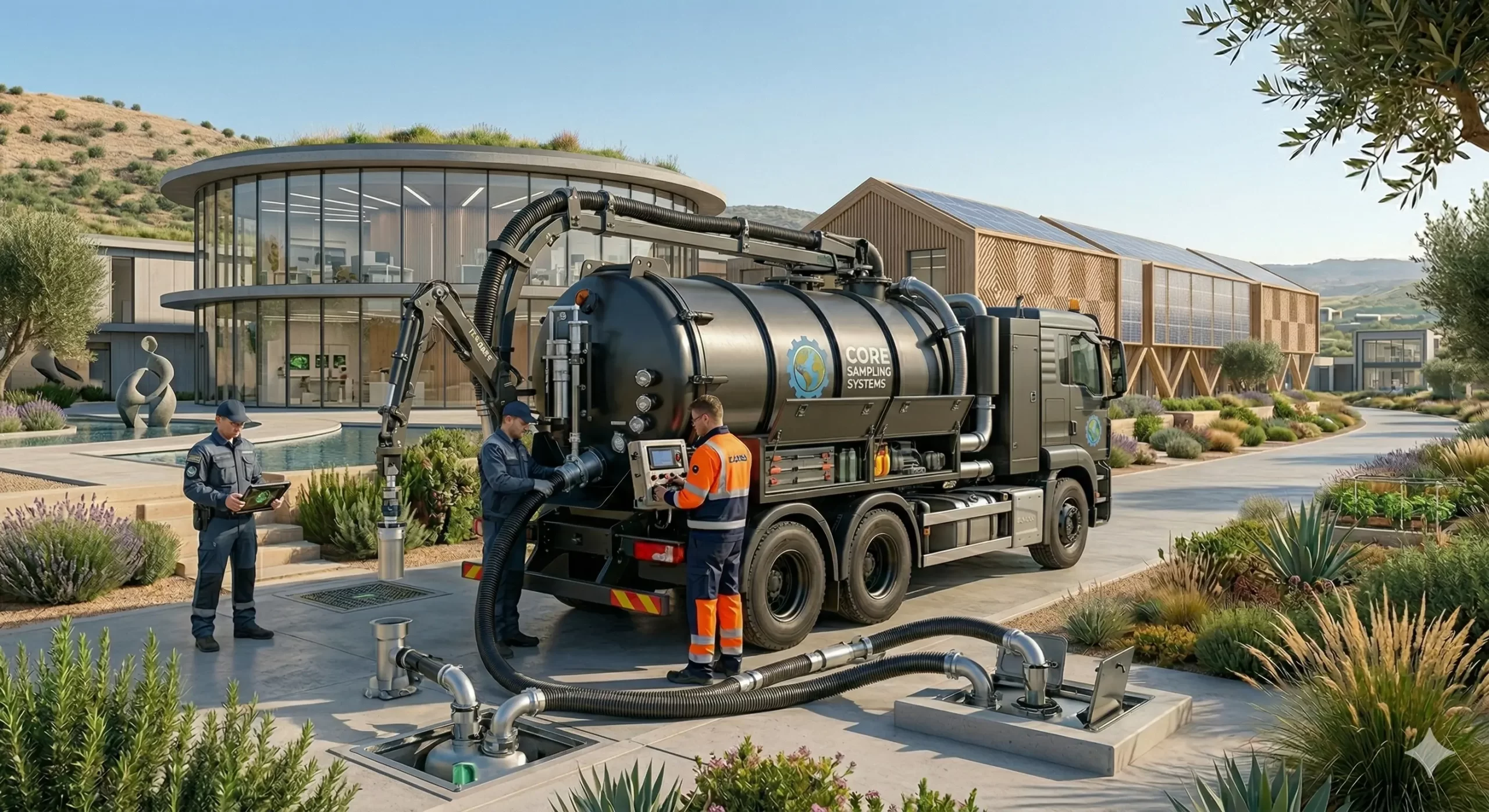
A standard OWTS is designed to treat domestic sewage, a relatively consistent influent with predictable loading rates. Brewery wastewater represents a radical departure from this baseline, characterized by extreme values in several critical parameters that are determinative of system viability.
| Parameter | Typical Domestic Sewage | Typical Brewery Wastewater (BWW) | Consequence for Standard Septic System |
|---|---|---|---|
| Biological Oxygen Demand (BOD₅) | 150 – 300 mg/L | 1,200 – 6,000 mg/L | Overwhelms anaerobic digestion, creates septic effluent, rapidly clogs drain field. |
| Total Suspended Solids (TSS) | 100 – 350 mg/L | 500 – 4,000 mg/L | Accelerated sludge/scum accumulation, physical clogging of drain field pipes and soil. |
| pH | 6.5 – 7.5 | 3.5 – 12.0 (highly variable) | Kills essential methanogenic bacteria, halting all effective treatment within the tank. |
| Temperature | 10 – 20 °C (50 – 68 °F) | Can exceed 40 °C (104 °F) | Thermal shock to mesophilic bacteria, altering digestion efficiency. |
Biological Oxygen Demand (BOD₅)
BOD₅ is a measure of the amount of dissolved oxygen required by aerobic biological organisms to break down organic material present in a given water sample at a certain temperature over a 5-day period. Domestic sewage has a BOD₅ that a standard septic system can reduce by 30-50% via anaerobic digestion. BWW, laden with sugars, soluble starches, ethanol, and proteins, exhibits a BOD₅ that is 10 to 20 times higher. This massive organic load completely overwhelms the anaerobic microbial population in the septic tank. The bacteria cannot metabolize the substrate fast enough, leading to the production of volatile fatty acids (VFAs), a drop in pH, and the discharge of extremely high-strength, septic effluent to the drain field.
pH Volatility
The microbial consortium responsible for anaerobic digestion, particularly the methanogens, operates within a narrow pH range, optimally between 6.8 and 7.4. Brewery operations generate waste streams with wild pH fluctuations. Wort and beer are acidic (pH 4.0-5.5), while cleaning-in-place (CIP) cycles utilize highly alkaline cleaners like caustic soda (sodium hydroxide, pH 11-13) and acidic sanitizers like peracetic acid (PAA). The discharge of these slugs of high or low pH fluid effectively sterilizes the septic tank, causing a complete cessation of biological treatment. If you reside in the area, you can learn more about our septic services in The Colony, TX.
Real-Life Case Study: Catastrophic Failure of a Rural Oregon Brewery OWTS

In 2019, a small-scale brewery established in Yamhill County, Oregon, connected its process wastewater drain, without pre-treatment, to a newly installed 1,500-gallon standard septic system and pressure-dosed drain field. The site’s soil profile was predominantly Willakenzie series silty clay loam, with a measured percolation rate of 45 minutes per inch, necessitating a larger-than-average drain field. Despite this, the system’s failure was both rapid and total. Regular maintenance is crucial. Connect with our League City, TX septic experts to schedule a check-up.
- Months 1-3: No apparent issues. The system’s initial hydraulic capacity masked the underlying biological stress.
- Months 4-7: The property owner reported faint, sour, beer-like odors near the tank and cleanouts. This was indicative of incomplete VFA metabolism within the septic tank.
- Month 9: The high-level alarm for the pump chamber began activating intermittently, suggesting slow dispersal from the drain field. Pumping the tank revealed an unusually thick, dark scum layer and a thin, acidic sludge layer.
- Month 14: Following a heavy winter rainfall period, a common condition in Oregon’s Willamette Valley which increases soil saturation and reduces its acceptance capacity, the system failed completely. Black, foul-smelling effluent began to surface at the lowest topographical points of the drain field.
A subsequent forensic investigation involved excavating a portion of the drain field trench. The gravel was coated in a thick, gelatinous black biomat, several millimeters thick, which had effectively waterproofed the soil interface. Soil samples analyzed with a permeameter showed a hydraulic conductivity reduction of over 99% compared to native soil. The system, designed for a 20-30 year lifespan under domestic load, was irreversibly destroyed in under 18 months. The only remediation was a complete excavation and replacement of the entire drain field and the installation of a proper commercial pre-treatment plant at a cost exceeding $85,000.
Troubleshooting a System Contaminated by Brewery Wastewater
Diagnosing a system that has received BWW is typically a confirmation of failure rather than a prelude to repair. Standard remediation techniques are ineffective against the systemic damage caused. The primary objective is to quantify the extent of the failure and plan for total system replacement. Need immediate assistance? Find trusted septic tank pumping in Alice, TX right away.
Diagnostic Indicators:
- Effluent Analysis: Sampling the effluent from the tank outlet will show BOD₅ levels often exceeding 1,000 mg/L (a functional system’s effluent should be closer to 150-200 mg/L) and a pH outside the neutral 6.5-7.5 range.
- Sludge/Scum Measurement: The scum layer will be excessively thick and greasy, while the sludge layer may be thinner than expected but biologically inert due to acidic conditions.
- Drain Field Inspection: Exposed aggregate will be coated in a black, slimy layer of sulfide-precipitating bacteria and clogged with yeast solids. The soil itself will be anaerobic, evidenced by a black color and hydrogen sulfide odors.
Maintenance and Proper System Design: The Only Viable Path
There are no maintenance procedures that can enable a standard septic system to handle raw BWW. The only solution is to engineer and install a dedicated commercial wastewater pre-treatment system. Maintenance then shifts to this new, appropriate technology.
Components of a Functional Brewery OWTS:
- Screening & Solids Separation: An initial step to remove gross solids like spent grains and hops using a static or rotary drum screen.
- Equalization (EQ) Tank: A large tank designed to buffer the ‘batch’ nature of brewery discharges. It mixes high- and low-pH streams and provides a consistent flow rate to downstream processes.
- pH Neutralization: An automated system that measures the pH in the EQ tank and doses it with acid (e.g., sulfuric acid) or base (e.g., sodium hydroxide) to maintain a neutral pH required for biological treatment.
- Advanced Biological Treatment: This is the core of the system. An Aerobic Treatment Unit (ATU), often a Sequencing Batch Reactor (SBR) or Moving Bed Biofilm Reactor (MBBR), utilizes forced aeration to cultivate a robust aerobic microbial population. This is the only way to effectively reduce the massive BOD load of BWW to levels safe for soil dispersal (typically <30 mg/L).
- Final Dispersal: Only after this multi-stage treatment process is the effluent quality high enough to be safely discharged to a properly designed drain field, which can now be sized according to standard soil loading rates.
Progression of Failure: A Predictive Timeline
The timeline for the destruction of a standard septic system by brewery wastewater is alarmingly short. The progression below assumes a typical system and a small-to-medium microbrewery’s discharge.
| Timeframe | Status | Underlying Condition |
|---|---|---|
| Months 1-6 | Appears Normal | Anaerobic biome is under severe stress. VFA concentration is rising, alkalinity is consumed. Effluent BOD is already exceeding 500 mg/L. |
| Months 6-12 | Early Warnings | Tank pH crashes intermittently. Methanogenesis halts. Biomat in drain field begins rapid, uncontrolled growth, reducing soil percolation. Faint odors appear. |
| Year 1-2 | Systemic Stress | Tank provides zero effective treatment. Drains slow noticeably. Effluent with BOD >1000 mg/L is hydraulically forced into the soil. Biomat becomes thick and impermeable. |
| Year 2+ | Catastrophic Failure | Drain field has zero hydraulic acceptance capacity. Effluent ponds on the surface or backs up into the facility. The entire system is biologically dead and physically clogged. |
Cost Breakdown: The Financial Consequences of Misapplication
Choosing to ignore the scientific realities of wastewater treatment carries severe financial penalties. The cost of ‘doing it wrong’ is not a savings, but a deferment of a much larger, inevitable expense.
A comparative analysis demonstrates the fiscal logic:
- Incorrect Approach Cost:
- Standard Septic System Installation: $15,000 – $25,000
- Emergency Pump-Outs (multiple): $1,500+
- Complete Excavation & Replacement of Failed System: $40,000 – $70,000+
- Environmental Fines & Remediation: $10,000 – $50,000+
- Total Potential Cost: $66,500 – $146,500+
- Correct Engineered Approach Cost:
- Wastewater Engineering & Permitting Fees: $8,000 – $15,000
- Commercial Pre-Treatment System (EQ, pH, ATU): $50,000 – $90,000
- Properly Sized Dispersal Field: $20,000 – $30,000
- Total Upfront Cost: $78,000 – $135,000
While the initial investment is higher, the engineered approach provides a functional, compliant, and permanent solution, whereas the incorrect approach guarantees a total loss of the initial investment followed by a much larger replacement cost.
Client Engineering Assessments
⭐⭐⭐⭐⭐
Client: Head Brewer, Cascade Foothills Brewing
“Our initial plan for a standard septic system was correctly identified as a critical flaw by their engineering team. They provided a detailed analysis, including BOD/COD loading calculations, and designed a robust SBR pre-treatment system. Their technical expertise saved us from a catastrophic and expensive failure before we even broke ground. The system has performed flawlessly, meeting all DEQ discharge parameters. This is not a job for a standard septic installer; it requires specialized process water engineers.” Dealing with a sudden sewage issue? Rely on our emergency septic team in Panama City, FL.
⭐⭐⭐⭐⭐
Client: Owner, Pioneer Valley Hops & Grains
“We inherited a failing system from a previous occupant who had been running a small kombucha operation. The team conducted a thorough forensic analysis, using soil permeameters and effluent testing to prove the drain field was irreversibly clogged by high-strength organic waste. They engineered a complete replacement system with the necessary equalization and aerobic treatment components to handle our new brewery’s much larger load. Their adherence to scientific principles and clear communication was exceptional.”
Conclusion: An Unambiguous Engineering Mandate
The principles of microbiology and soil physics do not accommodate shortcuts. A standard septic system is an anaerobic bioreactor designed for low-strength domestic waste; a brewery is a factory that produces high-strength industrial process water. The two are fundamentally incompatible. Any attempt to discharge brewery wastewater into a standard septic system will lead to its rapid and complete destruction. The only responsible, sustainable, and economically sound approach is to engage qualified wastewater engineers to design and install a multi-stage pre-treatment system capable of reducing the effluent’s chemical and biological load to levels that the native soil can safely and sustainably accept. Facing a drain field failure? Our team in Center, TX is ready to diagnose the problem.
Frequently Asked Technical Questions
What is the single most destructive component of brewery wastewater to a septic system?
The primary destructive agent is the extremely high Biological Oxygen Demand (BOD₅). This massive concentration of organic material (sugars, alcohols, proteins) starves the septic tank of its limited processing capacity, leading to the production of corrosive volatile fatty acids and the passing of untreated, high-strength effluent to the drain field, which it rapidly clogs.
Can’t I just pump my septic tank more frequently to compensate?
No. Frequent pumping is a fallacy in this context. Pumping removes accumulated sludge and scum solids, but it does nothing to treat the high-strength liquid effluent that flows out of the tank daily. It is this soluble, high-BOD liquid that destroys the drain field’s soil interface, and no amount of pumping can prevent this. The core problem is biological and chemical, not merely physical accumulation.
Are there any chemical or bacterial additives that can ‘supercharge’ a septic tank for brewery waste?
Categorically no. Commercially available septic additives are biochemically insignificant against the scale of brewery wastewater loading. The problem is one of fundamental process engineering; you cannot fix a 10- to 20-fold organic overload and extreme pH swings with a bottle of enzymes or bacteria. It requires a purpose-built, engineered pre-treatment system, primarily centered around aeration and pH control.
What is the correct, engineered process for brewery wastewater treatment?
The standard, accepted engineering solution involves a multi-stage treatment train. It begins with physical screening for solids, followed by an equalization tank to buffer flow and pH. Next is an automated pH neutralization system. The core of the process is an advanced aerobic biological reactor (like an SBR or MBBR) to reduce BOD/COD. Finally, the highly treated effluent is sent to a clarification stage before being dispersed to a properly sized soil absorption field.
Technically Reviewed By:
BlixBase Master Plumber Team
20+ Years Septic Industry Experience | Certified System Inspectors