

Quantitative Cost Analysis for Effluent Filter Retrofitting
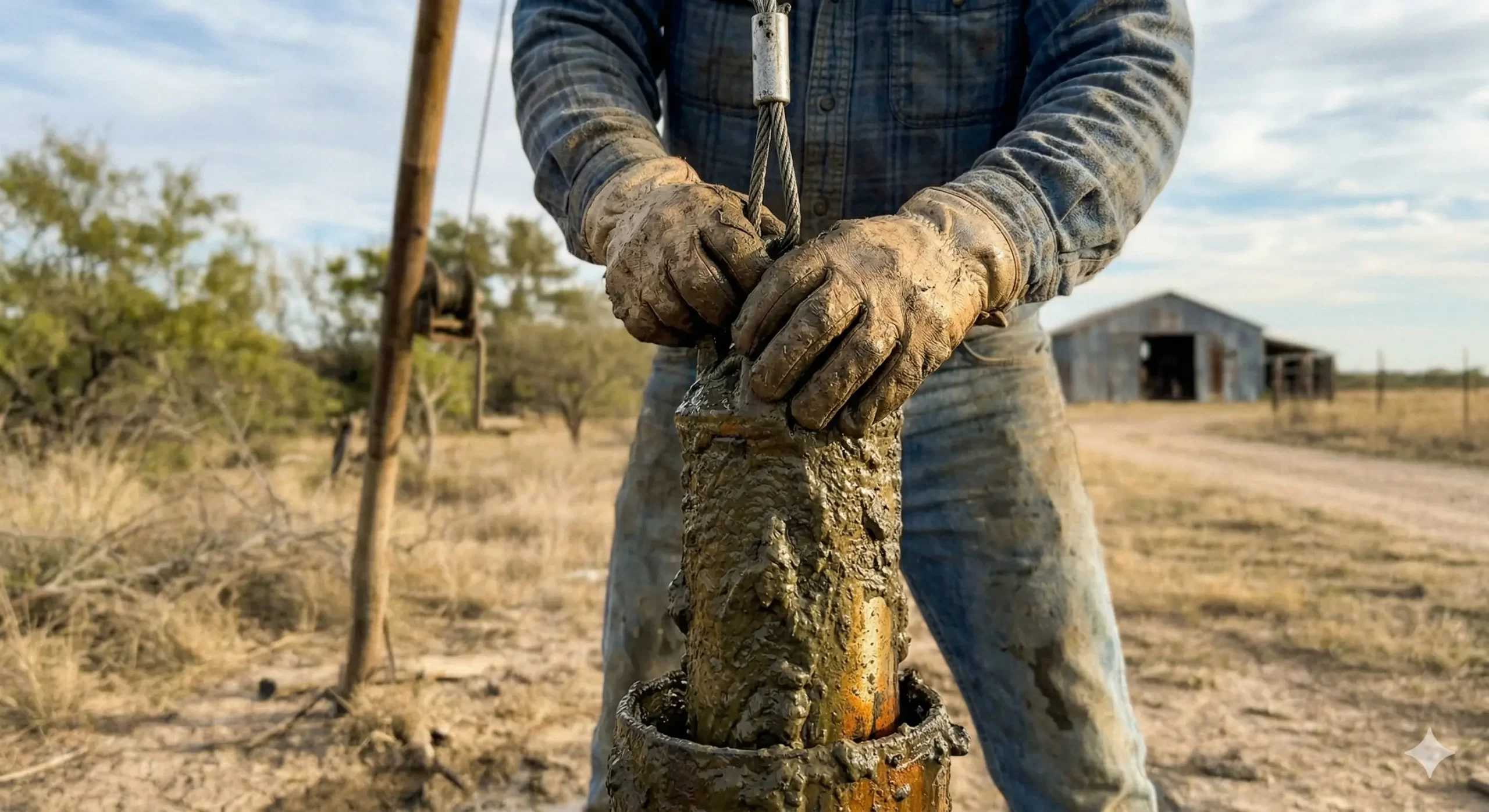
The financial expenditure for retrofitting an effluent filter into a pre-existing septic tank is not a monolithic figure. It is a multivariate equation influenced by tank material composition, access depth, soil type, and regional labor rates. To suggest a singular “average cost” is intellectually dishonest and a hallmark of unqualified contractors. Below is a granular breakdown of the primary cost vectors, based on standard engineering and labor assessments. For a free consultation, simply reach out to our office serving Scottsboro, AL.
| Component / Service | Typical Cost Range (USD) | Engineering Notes & Variables |
|---|---|---|
| Effluent Filter Unit | $75 – $250 | Cost varies by filtration capacity (GPD), material (PVC vs. Polypropylene), and brand (Zabel, Polylok, Tuf-Tite). High-flow or commercial-grade filters exceed this range. |
| Outlet Baffle (Tee) Replacement | $50 – $150 | Mandatory if the existing concrete baffle is degraded or absent. A modern PVC sanitary tee is required to house the filter cartridge. |
| Riser & Lid Installation | $200 – $600 | Cost is a function of depth. A tank buried 36 inches requires significantly more riser sections than one buried 12 inches. Price includes adapter ring, riser sections, and a sealed lid. |
| Excavation & Backfill | $150 – $500+ | Highly variable. Manual excavation in soft soil is at the low end. Mini-excavator use for deep tanks in rocky or clay-heavy soil is at the high end. Includes proper soil compaction post-installation. |
| Professional Labor | $300 – $800 | Represents 2-4 hours of skilled technician time. Includes tank opening, baffle inspection/replacement, filter installation, riser assembly, and system check. |
| Total Estimated Cost | $775 – $2,300 | The final price is contingent upon the aggregate of these variables. A simple, shallow installation will be sub-$1000. A deep, complex retrofit with a failed baffle will approach or exceed $2,000. |
Maintenance Protocols & System Longevity
The installation of an effluent filter is not a terminal action; it is the initiation of a mandatory maintenance protocol. The filter is a sacrificial component designed to intercept Total Suspended Solids (TSS) and Biological Oxygen Demand (BOD) loading before it reaches the drainfield. Negligence transforms this protective device into a catastrophic failure point. Looking for a reliable local contractor? Explore our septic solutions for Kaplan, LA.
The cleaning interval is a function of hydraulic loading and influent characteristics. A standard 1500-gallon tank serving a four-person household (approx. 75 gallons/person/day = 300 GPD) requires filter inspection and cleaning every 12-24 months. This interval must be reduced for households with garbage disposals, high-discharge appliances, or excessive use of antimicrobial cleaning agents which impair solid digestion within the tank. Cleaning involves removing the filter cartridge, washing it with a pressure hose over the inlet side of the septic tank (to return captured solids to the tank for digestion), and reinserting it. This process should not take more than 15 minutes.
Do you believe that a system designed decades ago, under different environmental regulations and household usage patterns, can function indefinitely without modern upgrades? The absence of an effluent filter in a system over 20 years old is not a sign of robustness; it is a statistical guarantee of impending drainfield failure. The hydraulic conductivity of the biomat layer in the drainfield trench is inversely proportional to the cumulative mass of TSS that has exited the tank. The filter arrests this process.
Troubleshooting & Failure Progression Diagnostics
Identifying the symptoms of a clogged effluent filter—or, more critically, the symptoms of a system lacking a filter altogether—is key to pre-emptive intervention. The signs are often misinterpreted by homeowners and misdiagnosed by incompetent service providers. Regular maintenance is crucial. Connect with our Callaway, FL septic experts to schedule a check-up.
- Symptom: Slow Drains & Gurgling Fixtures. This indicates a hydraulic backup. The primary cause is either a fully clogged effluent filter impeding flow or, in an unfiltered system, a saturated drainfield that can no longer accept effluent.
- Symptom: Septic Alarm Activation (for systems with a pump). The high-level alarm indicates that effluent is not leaving the pump chamber at the required rate. This is almost universally due to a clogged filter starving the pump of outflow.
- Symptom: Pooling Water or Unusually Green Grass Over Drainfield. This is a terminal sign. The system has failed. Effluent is surfacing, indicating complete hydraulic failure of the soil absorption system, a direct consequence of years of unfiltered solids clogging the soil pores.
Progression of Drainfield Failure (Unfiltered System)
The timeline for the destruction of a soil absorption field by unfiltered effluent is predictable and follows a clear progression of escalating severity.
- Year 1-5: The system functions nominally. A thin biomat layer (1-3 mm) forms in the drainfield trenches, which is normal and assists in pathogen removal. TSS and grease particles begin to accumulate but do not yet impede percolation significantly.
- Year 5-10: The biomat layer thickens to 5-10 mm. Anaerobic conditions intensify, promoting the growth of black, slimy bacterial colonies. The soil’s hydraulic acceptance rate begins to decrease measurably. Intermittent slow drains may be noticed after high-volume water use.
- Year 10-15: The biomat is now a thick, impermeable layer (>15 mm). Solid particles have physically clogged the soil pores at the trench interface. The system is in a state of chronic overload. Drains are consistently slow, and gurgling is frequent. The septic tank requires more frequent pumping to provide temporary relief.
- Year 15+: Catastrophic failure. The drainfield can no longer accept any volume of water. Effluent backs up into the house or surfaces in the yard, creating a biohazard. The only remedy is a complete drainfield replacement, an operation costing $15,000 to $40,000+.
Real-Life Case Study: A Georgia Clay Soil Scenario
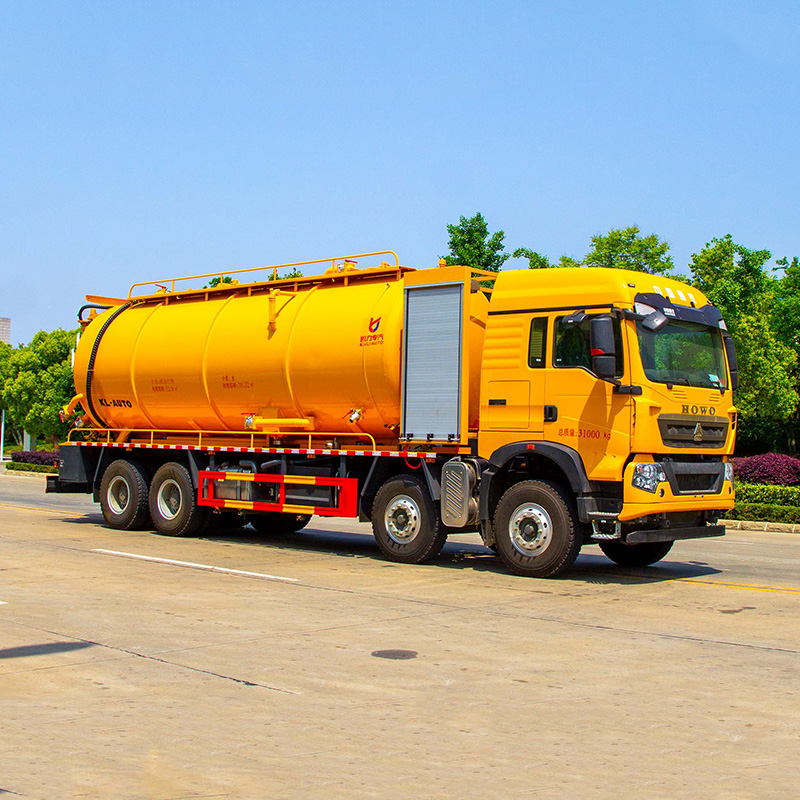
Location: Cherokee County, Georgia, USA.
System: A 1250-gallon concrete septic tank installed in 1988.
Soil Conditions: Cecil series soil, characterized by a high percentage of kaolinite clay, exhibiting low percolation rates (typically >60 minutes per inch).
Presenting Problem: The homeowner reported persistent drain backups and soggy ground near the drainfield. An inspection revealed that the original concrete outlet baffle had completely degraded and fallen into the tank. For over a decade, unfiltered effluent, rich in TSS, had been flowing directly into the clay-based drainfield. A soil core sample from the drainfield showed a dense, 20mm-thick black biomat had rendered the soil’s infiltrative surface virtually impermeable. You can find more detailed pricing and local regulations on our dedicated Bogalusa, LA location page.
Engineered Solution & Cost Analysis:
- Tank Pump-Out: The tank was pumped to allow for safe entry and work. ($350)
- Debris Removal: The remnants of the old concrete baffle were removed. (Included in labor)
- Outlet Modification: A new 4-inch PVC sanitary tee was installed at the outlet pipe. ($90 for parts)
- Filter & Riser Installation: A Zabel A1800 effluent filter was installed within the new tee. Because the tank lid was 30 inches below grade, a 24-inch diameter Polylok riser system with an adapter ring was installed to bring access to the surface. ($450 for riser components, $120 for filter)
- Excavation & Labor: A mini-excavator was required due to the hard, compacted clay. Total professional labor for the retrofit was 3.5 hours. ($400 for excavation, $700 for labor)
Total Project Cost: $2,110. While a significant investment, this intervention extended the life of the existing drainfield by an estimated 5-7 years, postponing an immediate replacement cost of over $25,000. This case demonstrates that the cost of a filter retrofit is an inexpensive insurance policy against the certainty of total system failure.
Field Reports from Satisfied Clients
⭐⭐⭐⭐⭐ – Robert M., P.E.
“The technical precision of the installation was impressive. The technician explained the importance of maintaining the correct invert elevation between the baffle and the outlet pipe to prevent scouring. They didn’t try to upsell me on unnecessary work. The final cost was exactly as quoted in their detailed engineering estimate. This is how business should be conducted.” Facing a drain field failure? Our team in Bradenton Beach, FL is ready to diagnose the problem.
⭐⭐⭐⭐⭐ – Dr. Susan Chen
“After receiving a quote for a full drainfield replacement for over $20,000, I sought a second opinion. Their team diagnosed a simple lack of an effluent filter on my 1995 system. For a fraction of the cost, they retrofitted a filter and riser. My system’s performance has been restored. Their honest, scientific approach saved me from financial ruin.”
Frequently Asked Questions (FAQ)
What is the quantifiable Total Suspended Solids (TSS) reduction efficiency of a standard effluent filter?
A properly sized and maintained effluent filter with 1/16-inch filtration slots demonstrates a TSS removal efficiency of 40% to 60%. This is a critical reduction. For a typical residential system producing effluent with a TSS concentration of 60 mg/L, a filter can reduce this to approximately 24-36 mg/L. This directly correlates to a significant reduction in the rate of biomat accumulation and pore-clogging in the soil absorption field, thereby extending its operational lifespan.
Can a filter be installed in a tank with a damaged or absent concrete baffle?
No, a filter cannot function without a proper outlet baffle. The baffle, typically a PVC sanitary tee in modern installations, serves two purposes: it prevents the scum layer from exiting the tank and it provides the housing for the filter cartridge. If an older concrete baffle is damaged, it MUST be replaced with a new 4-inch or 6-inch Schedule 40 PVC tee that extends approximately 6 inches below the static water level. The filter cartridge is then inserted directly into this new tee. This baffle replacement is a non-negotiable part of a proper filter retrofit in older tanks.
What are the specific risks of hydrogen sulfide (H2S) exposure during filter maintenance?
Hydrogen sulfide (H2S) is a colorless gas produced by anaerobic bacteria in the septic tank. It is heavier than air and will accumulate in the tank and riser. At low concentrations (0.01-1.5 ppm), it has a characteristic rotten egg smell. At concentrations above 100 ppm, it causes olfactory fatigue, meaning the sense of smell is lost, giving a false sense of security. The OSHA Permissible Exposure Limit (PEL) is 20 ppm. Concentrations in a poorly ventilated septic tank can easily exceed 300 ppm, which can cause respiratory paralysis and death within minutes. This is a primary reason why septic tank entry and maintenance should only be performed by trained professionals with calibrated gas monitoring equipment.
Technically Reviewed By:
BlixBase Master Plumber Team
20+ Years Septic Industry Experience | Certified System Inspectors