

This Isn’t A Suggestion. It’s A Mandate.
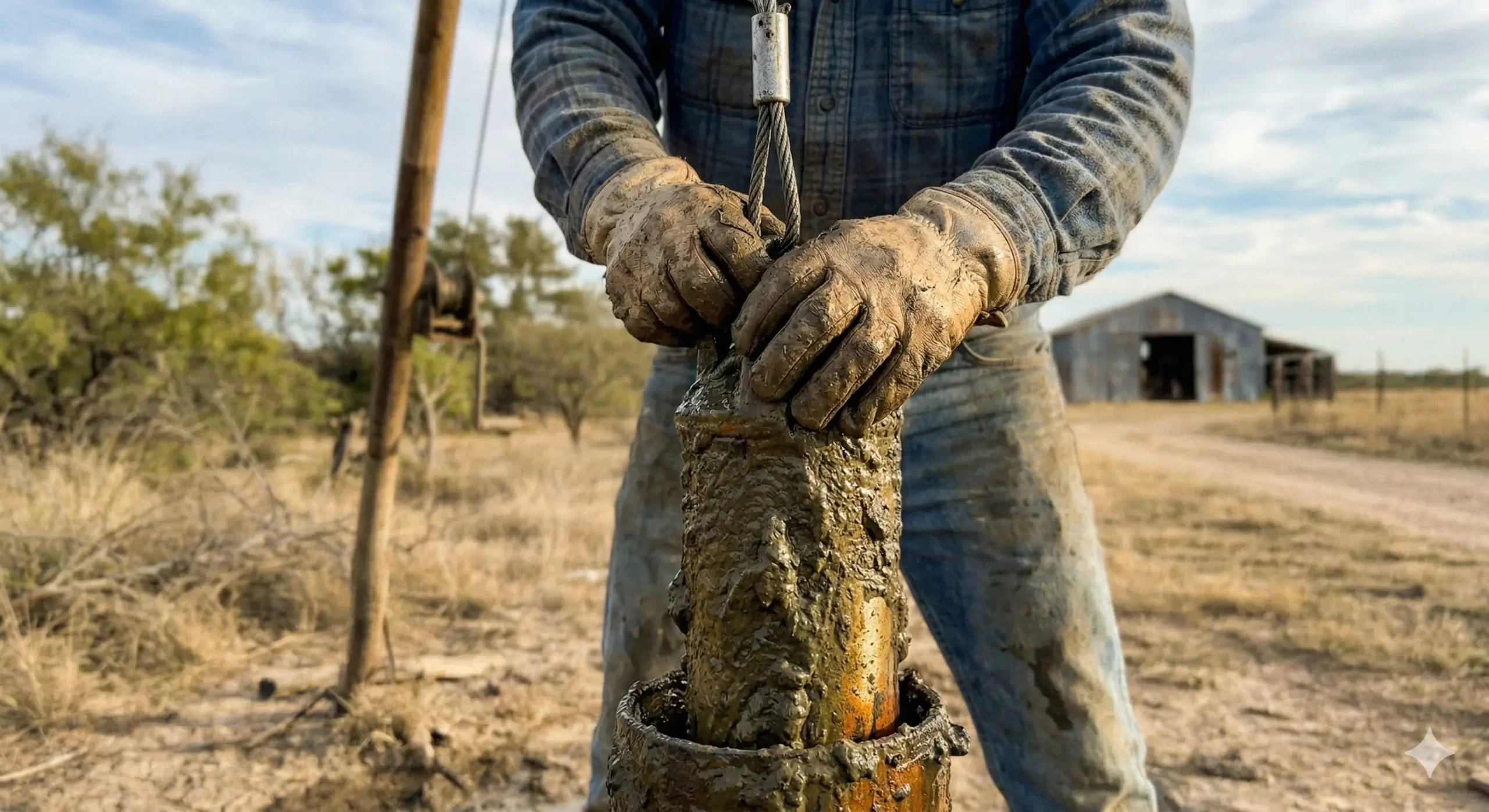
Listen closely. A malfunctioning septic system chlorinator is not a simple plumbing issue. It is an active biohazard. It is a direct violation of county health codes, state environmental regulations, and potentially the federal Clean Water Act. You are currently discharging undertreated wastewater into the ground. This wastewater can contaminate your well, your neighbor’s well, and the local aquifer. The situation is not stable. It will get worse. The costs will escalate. The legal exposure will increase. We need to assess the damage and correct the violation immediately.
Septic Chlorinator Replacement: A Non-Negotiable Cost Breakdown
Do not look for the cheapest option. Look for the compliant option. The cost of doing this wrong is ten times the cost of doing it right. Fines from the Health Department start in the hundreds and can quickly escalate into the thousands per day of non-compliance. Below is a breakdown of the real costs. This is not an estimate; it’s the financial reality of correcting a hazardous waste situation on your property.
| Component / Service | Average Cost Range (USD) | Regulatory Notes & Justification |
|---|---|---|
| New Chlorinator Unit (Tablet or Liquid) | $350 – $900 | Unit must be NSF/ANSI 46 certified. Using a non-certified unit is an automatic inspection failure. Cost varies by brand (Norweco, Bio-Microbics, etc.) and type. |
| Licensed Septic Technician Labor | $300 – $600 | Minimum 2-4 hours. Requires certified personnel. Unlicensed work voids system warranty and can lead to permit revocation. |
| County Health Department Permit & Inspection Fee | $150 – $400 | Non-negotiable. The repair must be permitted and inspected to close out the violation notice. Failure to permit is a separate offense. |
| Potential Electrical Work | $200 – $700+ | Required if existing wiring is not up to current NEC code (e.g., no GFCI protection). Liquid chlorinators often need a dedicated circuit. |
| Emergency System Pump-Out | $400 – $750 | Often required by the health inspector before work can begin, especially if the system is backed up or failing. This removes immediate surface threats. |
| Total Projected Compliance Cost | $1,200 – $3,350+ | |
Case Study: The Cost of Delay – Violation Notice 2023-11B, Manatee County, FL

Let’s talk about the Henderson family. They noticed a foul smell near their aerobic system’s sprinkler heads. They ignored it. Their chlorinator had failed, and they were spraying untreated, bacteria-laden effluent across their lawn where their children played. A neighbor reported the odor to the Manatee County Health Department.
- Day 1: Initial Complaint. An inspector was dispatched. Water samples were taken from the sprinkler head discharge.
- Day 3: Lab Results Confirmed. Fecal coliform levels were 200 times the legal limit. A formal Notice of Violation was issued, hand-delivered and posted on their front door. They were given 15 days to bring the system into compliance.
- Day 16: Non-Compliance. The Hendersons had not hired a licensed septic contractor. A daily fine of $250 was initiated, retroactive to the deadline.
- Day 25: Cease and Desist. With fines now at $2,500, the county issued a cease and desist order for the entire septic system. They were required to have emergency pump-outs every 3-4 days at a cost of $500 each time, just to be able to flush their toilets.
- Day 30: Resolution. Facing over $3,750 in fines and $1,000 in pump-out fees, they finally hired a certified technician. The total cost for the chlorinator replacement, permits, and electrical updates was $2,100.
Total Financial Damage: $7,350. The initial repair, had they acted on Day 1, would have been $2,100. Their delay cost them an additional $5,250 and put their family’s health at risk. This is not a scare tactic. This is standard operating procedure for health departments statewide.
Field Assessment Protocol: What To Check NOW
Before you call, perform this rapid assessment. This is what an inspector would do. Do not attempt to repair anything yourself. You are only gathering intelligence.
- Visual Check 1: The Tablets. Open the chlorinator access cap. Is it full of chlorine tablets? Are they dry and white? Or is it empty or filled with a sludgy, semi-dissolved mess? An empty tube is an obvious failure. A sludgy mess indicates water intrusion or use of the wrong type of tablets (pool tablets are illegal and will damage your system).
- Visual Check 2: The Power Supply. Is there power to the system? Many chlorinators are interlinked with the aerobic system’s pump. Check the dedicated breaker in your electrical panel. Do not touch any wiring. Simply check if the breaker is tripped.
- Auditory Check: The Pump. When the system pump kicks on to discharge effluent, do you hear it? A silent pump means nothing is moving through the chlorinator to be treated. This could be a failed pump, a float switch issue, or a control panel failure.
- Olfactory Check: The Discharge Point. Approach the sprinkler heads or discharge point. The smell of properly treated effluent is musty or earthy. The smell of raw sewage is unmistakable and indicates a total failure of the disinfection process.
Progression of Failure: A Timeline of Liability
A failed chlorinator is a cascading failure. Here is the typical progression and the escalating danger level over time. Regular maintenance is crucial. Connect with our Fredericksburg, TX septic experts to schedule a check-up.
- Year 0-1: Initial Failure. The unit stops dispensing chlorine. No immediate signs are visible. The system is now discharging untreated water. Your legal liability begins.
- Year 1-2: Bio-Mat Formation. Without chlorine to control bacterial growth, a slimy bio-mat begins to form in the discharge lines and sprinkler heads. You may notice reduced flow or patchy green spots in the yard.
- Year 2-3: System Backup & Odor. The bio-mat has now clogged the system. Effluent backs up into the pump tank, and potentially into your home. Strong sewage odors become apparent. This is when neighbors file complaints.
- Year 3+: Drainfield Failure & Condemnation. The untreated effluent has now destroyed the drainfield’s ability to absorb water. The yard is saturated with sewage. The Health Department issues a condemnation notice. You are facing a full system replacement costing $15,000 – $40,000, plus all accumulated fines.
Compliance Verification Reports from Homeowners
⭐⭐⭐⭐⭐ – M. Rodriguez, Hillsborough County, FL
“Received a violation notice from the county and was panicking. They were on-site within 3 hours. They didn’t just replace the chlorinator; they handled the permit, coordinated with the inspector, and got the violation closed in two days. They understood the regulations inside and out. Worth every single penny to have that nightmare resolved correctly and legally.” You can find more detailed pricing and local regulations on our dedicated Plantation, FL location page.
⭐⭐⭐⭐⭐ – David Chen, Seminole County, FL
“My system failed the inspection for a home sale. It was the chlorinator. The technician explained the specific Seminole County code requirement I was failing, sourced the correct NSF-rated unit, and provided all documentation for the health department and the buyer. Their professionalism saved the sale of my house. You can’t put a price on that.” Navigating local soil conditions can be tricky. Consult our Millbrook, AL septic pumping guide.
Mandatory Maintenance Protocols
This is not optional. This is how you stay in compliance and avoid future violations. Add these to your calendar. We understand the specific environmental rules for your region. Learn more from our experts in Lake Mary, FL.
- Monthly: Tablet Check. Once a month, open the access port and check the level of tablets. Never let it run empty. One empty month is one month of discharging untreated waste.
- Monthly: Test Strips. Use chlorine test strips at the discharge point to verify function. The residual chlorine level should be between 0.5 and 2.0 ppm (parts per million). Your local health code will specify the exact required residual.
- Annually: Professional Inspection. Your ATU and disinfection system requires an annual service contract in most jurisdictions, like here in Florida. The technician will clean components, check electrical connections, and verify proper operation. This service record is your proof of compliance if a problem ever arises.
- As Needed: Use ONLY Approved Tablets. Never, under any circumstances, use swimming pool tablets. They are the wrong chemical composition (Trichlor-s-trizinetrione vs. Calcium Hypochlorite), dissolve too slowly, and produce an acidic gas that will corrode and destroy your system components. Using them is a direct violation and will void your system’s warranty.
Frequently Asked Questions from Non-Compliant Homeowners
Can I just dump bleach in the tank instead?
Absolutely not. This is illegal and dangerous. It is considered tampering with a pollution control device. Liquid chlorinators are specifically designed to dose a precise amount of bleach based on system flow. ‘Slug dosing’ by pouring bleach into the tank will kill the beneficial bacteria that treat the waste, potentially sterilizing your entire system and causing a total failure. It is a guaranteed way to receive the maximum possible fines from the health department.
My neighbor’s system doesn’t have a chlorinator. Why do I need one?
System requirements are based on the type of system, the date of installation, local soil conditions, and proximity to water bodies. Your neighbor likely has an older, conventional anaerobic system that does not have a surface discharge component. Your system is likely a modern Aerobic Treatment Unit (ATU) which treats waste to a higher degree but requires a final disinfection step before discharge via sprinklers or a dedicated drip field. The regulations for your system type are more stringent because the potential for public contact with the effluent is higher.
Will a failed chlorinator show up on a home inspection when I sell?
Yes, 100% of the time. A septic inspection is a standard and required part of nearly every real estate transaction involving a septic system. The inspector will specifically test the chlorine residual at the discharge point. A reading of zero is an automatic failure. No lender will finance a property with a failing septic system, and no buyer will close until you have legally permitted and repaired the violation. It is impossible to hide.
What are the legal consequences if my untreated effluent makes someone sick?
The legal consequences are severe. Beyond the regulatory fines from the EPA and Health Department, you will face civil liability. If a neighbor, or even a guest on your own property, can trace an illness like E. coli or Giardia back to your failing septic system, you can be sued for medical bills, pain and suffering, and negligence. Your homeowner’s insurance may deny the claim due to negligence from failing to maintain the system, leaving you personally responsible for the entire judgment.
The time for deliberation is over. The situation requires immediate action from a licensed professional to protect public health and shield you from escalating fines and legal action. Make the call. Don’t ignore the warning signs. Reach out to our septic maintenance crew in Brady, TX today.
Technically Reviewed By:
BlixBase Master Plumber Team
20+ Years Septic Industry Experience | Certified System Inspectors