

️ What Preventative Maintenance Protocols Are Mandatory for High-Grease Commercial Systems?
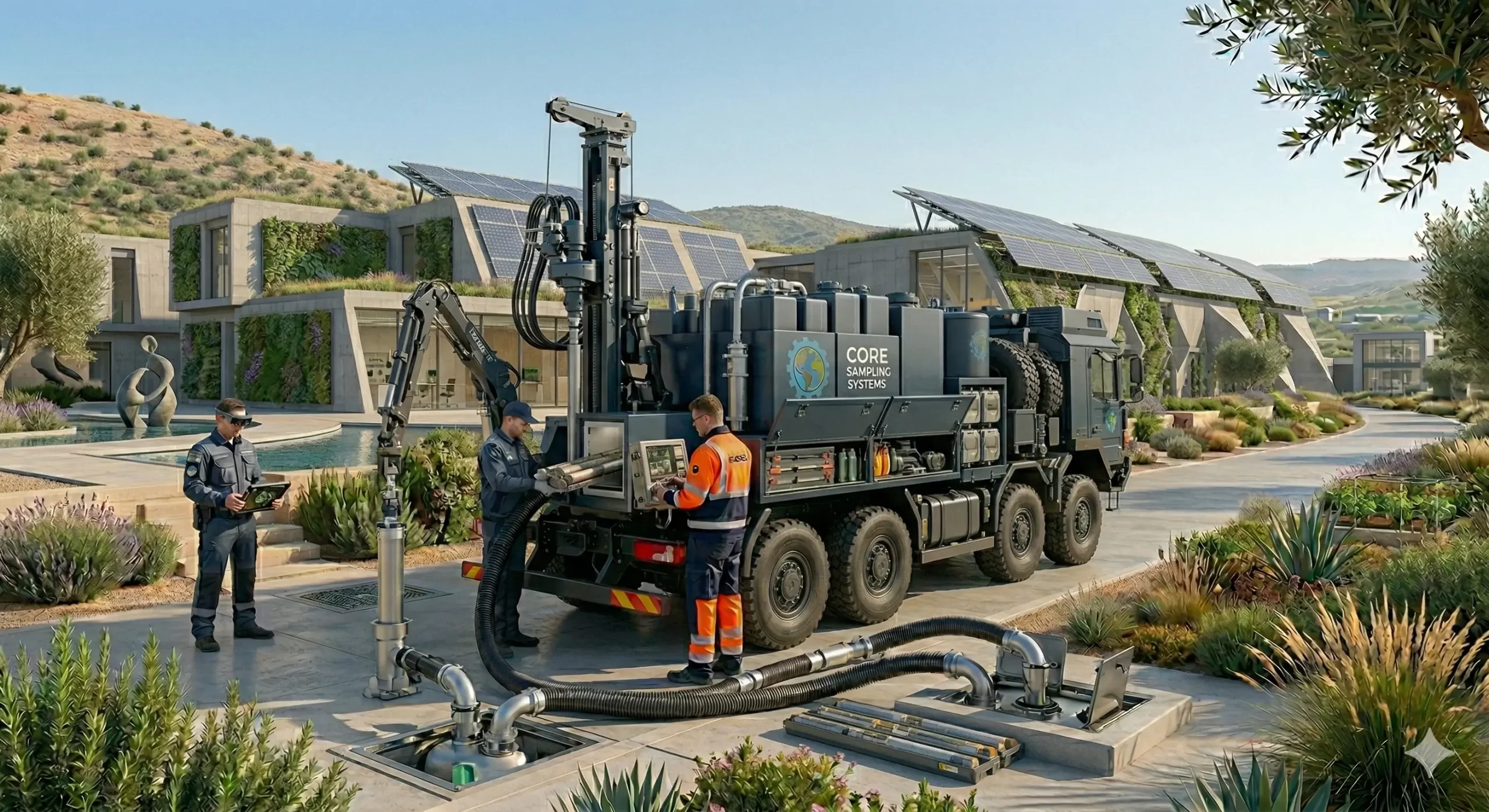
Preventative maintenance is not an operational suggestion; it is a non-negotiable engineering control required to prevent catastrophic system failure. For commercial operations, particularly food service establishments (FSEs), the discharge of Fats, Oils, and Grease (FOG) represents the primary failure vector for an on-site wastewater treatment system (OWTS). The following protocols are fundamental.
1. Grease Interceptor Sizing and Pumping Frequency: The grease interceptor (or grease trap) is the primary defense. Its size must be calculated based on the maximum potential flow rate, not average flow. The Uniform Plumbing Code (UPC) provides standard formulas based on drainage fixture units (DFUs). For a restaurant, this typically involves calculating the volume of all sinks, dishwashers, and floor drains. A minimum pumping frequency is dictated by the “25% Rule,” which mandates the interceptor be pumped clean once the combined FOG and solids volume displaces 25% of the total liquid volume. For a high-volume FSE, this can necessitate a pumping interval as short as 30-60 days. We understand the specific environmental rules for your region. Learn more from our experts in Deridder, LA.
2. Biological Additive Dosing: Prophylactic dosing with specific, high-potency bacterial and enzymatic formulations is critical. These are not emulsifiers, which merely pass the problem downstream. True biological agents contain strains of bacteria (e.g., Bacillus subtilis, Pseudomonas fluorescens) that secrete specific enzymes like lipase. Lipase catalyzes the hydrolysis of triglycerides (the primary component of FOG) into glycerol and free fatty acids. This is the first and most critical step in rendering grease bioavailable for consumption by the septic tank’s anaerobic bacteria. Dosing should be automated via a peristaltic pump and timed for low-flow periods (e.g., 2:00 AM) to maximize contact time.
3. Effluent Filter Maintenance: Every commercial septic tank must be equipped with an effluent filter at the outlet baffle. This device prevents the passage of suspended solids greater than 1/16th of an inch into the drain field. FOG that has congealed or saponified can rapidly blind this filter. The filter must be removed and cleaned with high-pressure water during every tank pumping service. Failure to do so will result in a system backup, often mistaken for a drain field failure.
What Does a Real-World FOG-Induced Failure Look Like? A Case Study
Location: A 150-seat BBQ restaurant outside of Houston, Texas, situated on expansive clay soil (Vertisols), colloquially known as “black gumbo.”
System: A 5,000-gallon dual-chamber concrete septic tank flowing to a 6,000 sq. ft. conventional gravel and pipe drain field. To get a customized pumping schedule, feel free to speak with our local representatives in Bessemer, AL.
Initial Symptoms (Year 3): The facility manager reported slow-draining floor drains after peak weekend service. A local plumber cleared an internal line, attributing it to a minor clog. This was the first indicator of elevated hydraulic loading and reduced downstream absorption capacity.
Escalation (Year 4): Plumbing backups became weekly occurrences. The septic tank pumping frequency was increased from biannually to quarterly, with the pumper noting an exceptionally thick, hard grease cap in the primary chamber. A foul odor was noted near the drain field area, particularly after heavy rains. This indicated that anaerobic effluent was beginning to surface, a severe public health risk. Keeping your system healthy is easier when you partner with top-rated Pompano Beach, FL septic technicians.
Catastrophic Failure (Year 5): After a holiday weekend, the entire plumbing system backed up into the kitchen. The ground above the drain field was saturated with black, greasy effluent. The Texas Commission on Environmental Quality (TCEQ) was notified, and the facility was ordered to cease operations pending remediation. Upgrading your system? Let our Quincy, FL installation experts walk you through the options.
Forensic Analysis: A forensic investigation was conducted. Soil cores extracted from the drain field trenches revealed a 2-to-4-inch thick layer of black, waxy material completely encapsulating the gravel aggregate. This was the biomat, but it was heavily constituted with saponified grease. Laboratory analysis confirmed the material was primarily calcium and magnesium stearate—insoluble metallic soaps formed from the reaction of fatty acids with minerals in the wastewater and soil. The hydraulic conductivity of the native clay soil, already low at approximately 0.1-0.5 inches/hour, had been reduced to effectively zero. The drain field was no longer an absorption system; it had become an impermeable containment vessel. The root cause was determined to be an undersized grease interceptor and a complete lack of a biological dosing program, allowing massive quantities of triglycerides to pass into the OWTS.
Customer Testimonials
“Our commercial kitchen’s septic system was a complete disaster, with backups and surfacing effluent. The team provided a detailed forensic analysis, explaining the biochemical processes of saponification and biomat formation. Their high-pressure jetting and soil fracturing remediation saved us from a $90,000 full replacement. The level of engineering expertise was unparalleled.”
– Michael T., Restaurant Group COO ⭐⭐⭐⭐⭐
“We were facing regulatory fines due to drain field failure at our food processing facility. Their team conducted percolation tests and diagnosed a severe FOG issue that other companies missed. The phased remediation plan, including shock treatments and a new dosing system, restored functionality within weeks. This is not just a plumbing service; it’s an engineering consultancy for wastewater.”
– Sarah Jenkins, Plant Manager ⭐⭐⭐⭐⭐
What Are the Financial Implications of Remediation vs. Replacement?
The cost of addressing a grease-ruined commercial drain field is significant and is a direct function of the severity and chosen intervention method. A full replacement is the most costly and disruptive option. Remediation, when feasible, offers a more economical pathway.
| Intervention Method | Technical Description | Estimated Cost Range (Commercial) | Success Probability |
|---|---|---|---|
| High-Pressure Jetting | Utilizes water pressures of 3,000-4,000 PSI with specialized spinning nozzles to scour the interior of drain field lines, breaking up blockages. | $2,500 – $7,000 | Low to Moderate (Does not address soil compaction) |
| Chemical/Biological Shock | Introduction of massive doses of lipase/protease enzymes and specific bacterial cultures to digest the biomat and saponified grease. | $4,000 – $10,000 | Moderate (Dependent on soil saturation and biomat composition) |
| Soil Fracturing (e.g., Terralift) | A pneumatic probe injects high-pressure air into the soil at depths of 3-6 feet, creating new fissures and pathways for effluent percolation. Polystyrene beads are injected to keep fissures open. | $8,000 – $20,000 | High (If soil structure is the primary issue) |
| Full Drain Field Replacement | Complete excavation of the failed field, removal of contaminated soil/aggregate, and installation of a new system designed to current code. | $40,000 – $150,000+ | Guaranteed (If designed and installed correctly) |
What is the Biochemical Process of Grease-Induced System Failure?

The failure of a drain field due to FOG is not a simple clog; it is a complex cascade of biochemical and physical reactions that systematically destroys the soil’s ability to accept and treat effluent. The process begins in the septic tank but culminates in the soil absorption system.
Inside the anaerobic environment of the septic tank, bacteria begin the breakdown process. Lipase enzymes hydrolyze triglycerides into their constituent components: glycerol and long-chain fatty acids (LCFAs). In a balanced system, anaerobic bacteria would further metabolize these LCFAs. However, in a high-FOG environment, the system is overwhelmed. Massive quantities of LCFAs are discharged with the effluent into the drain field.
This is where the catastrophic reaction of saponification occurs. The effluent, containing high concentrations of LCFAs, mixes with naturally occurring metallic cations in the wastewater and soil, primarily calcium (Ca²⁺) and magnesium (Mg²⁺). The carboxylic acid group of the fatty acid reacts with these divalent cations to form insoluble metallic soaps. For example: Navigating local soil conditions can be tricky. Consult our El Campo, TX septic pumping guide.
2 RCOOH (Fatty Acid) + Ca²⁺ → (RCOO)₂Ca (Calcium Soap) + 2 H⁺
This newly formed soap is hydrophobic, waxy, and highly resistant to further biological degradation. It precipitates out of the solution, coating the gravel aggregate and the soil interface, effectively waterproofing the trench.
Simultaneously, the high organic load from the grease exponentially increases the Biological Oxygen Demand (BOD) of the effluent. A typical residential system operates with a BOD of 150-250 mg/L. Effluent from an FSE can exceed 1,500 mg/L. When this high-BOD effluent enters the drain field, the facultative and aerobic bacteria that form the healthy biomat and perform final treatment are overwhelmed. They consume all available dissolved oxygen, creating an expanding anaerobic zone. This condition, known as anoxia, kills the beneficial aerobic bacteria and promotes the growth of anaerobic slime-forming organisms, which further clog soil pores and produce hydrogen sulfide gas (H₂S), resulting in the characteristic ‘rotten egg’ smell of a failing system.
Progression of Drain Field Failure Timeline
- Year 1-2 (Initial Stage): System operates at design capacity. A thin, healthy, gelatinous biomat (less than 1 cm) forms on the trench walls, providing effective pathogen removal. The soil’s Long-Term Acceptance Rate (LTAR) is stable. No external symptoms.
- Year 2-3 (Incipient Failure): Grease loading exceeds the septic tank’s biological capacity. Saponification begins at the soil interface. The biomat thickens and its composition shifts towards anaerobic. The LTAR begins to decrease. Occasional slow draining may be observed during peak flow events.
- Year 3-4 (Intermediate Failure): The saponified layer is now well-established, physically blocking soil pores. The biomat is thick, black, and anaerobic. The effective absorption area of the drain field is reduced by over 50%. Odors are noticeable, and wet spots (surfacing effluent) may appear after heavy rain.
- Year 5+ (Catastrophic Failure): The hydraulic conductivity of the soil interface approaches zero. The drain field can no longer accept effluent, causing a complete backup into the building. The entire field is saturated with untreated, high-pathogen-risk wastewater, representing a severe biohazard and requiring immediate regulatory intervention.
❓ Frequently Asked Technical Questions
Can high-pressure jetting alone fix a grease-clogged drain field?
No, it is highly unlikely. High-pressure jetting is effective at clearing blockages within the perforated distribution pipes themselves. However, it does not address the primary failure mechanism: the impermeable layer of saponified grease and compacted biomat at the soil-gravel interface. While jetting is a necessary first step to restore flow to the entire field, it must be followed by chemical/biological treatments or soil fracturing to restore the soil’s hydraulic conductivity.
What is the difference between enzyme and bacteria additives?
This is a critical distinction. Enzymes (like lipase, protease, amylase) are biological catalysts; they are proteins that accelerate specific chemical reactions but are not living organisms. They break down large complex molecules (fats, proteins, starches) into smaller, simpler molecules. Bacteria are living microorganisms that produce these enzymes. They then consume the smaller molecules for energy and reproduction. A high-quality additive contains both: a quick-acting enzymatic blend for immediate breakdown and a robust consortium of specific bacterial strains to continuously digest the organic load and colonize the system.
How does soil type impact the severity of a FOG-related failure?
Soil type is a paramount factor. Coarse, sandy soils (Type 1) have high hydraulic conductivity and large pore spaces, making them more resilient to clogging. They can tolerate a higher degree of biomat formation before failure. Conversely, fine-textured soils like clays and silts (Type 3 or 4) have very low natural hydraulic conductivity and small pore spaces. In these soils, even a thin layer of saponified grease can cause a complete hydraulic failure. This is why systems in clay-heavy regions, such as parts of Texas or Georgia, are exceptionally vulnerable to FOG damage and require more stringent preventative measures.
Technically Reviewed By:
BlixBase Master Plumber Team
20+ Years Septic Industry Experience | Certified System Inspectors