
Systematic Failure Progression: A Temporal Analysis of Septic System Degradation
The degradation of an Onsite Sewage Treatment and Disposal System (OSTDS) is not a singular event but a protracted process of cascading failures. Understanding this timeline is paramount for prospective property owners in Florida to accurately assess latent environmental and financial liabilities. The following timeline delineates the typical progression from a functional system to a catastrophic environmental failure, particularly within Florida’s sensitive hydrogeological context.
| Timeframe & Danger Level | Biochemical and Physical State | Observable Manifestations & Environmental Impact |
|---|---|---|
| Year 0-3: Optimal Function | Anaerobic digestion is efficient. Scum and sludge layers are within design parameters (typically <25% of tank liquid depth). The drainfield biomat is thin and permeable, facilitating proper effluent percolation. | No surface indicators. Effluent is treated to regulatory standards before reaching groundwater. Minimal nutrient loading into the local aquifer. |
| Year 3-5: Incipient Stress | Sludge accumulation accelerates, potentially exceeding 30% of tank volume. Effluent filter (if present) shows initial signs of biological clogging (biofouling). Biomat in the drainfield begins to thicken, reducing soil absorption capacity (hydraulic conductivity). | Occasional slow drains. Gurgling sounds may be present in plumbing fixtures. The system is now operating at reduced efficiency, increasing the risk of suspended solids carryover into the drainfield. |
| Year 5-8: Progressive Failure | Tank requires pumping. Untreated solid waste bypasses the primary treatment phase. The drainfield biomat undergoes significant proliferation, becoming a dense, anaerobic slime layer that severely impedes percolation. Hydraulic overloading becomes frequent, especially during Florida’s rainy season. | Persistent slow drains. Sewage odors near the tank or drainfield. Patches of unusually lush, green grass over the drainfield indicate nutrient-rich, partially treated effluent is nearing the surface. Sub-surface contamination of the vadose zone begins. |
| Year 8+: Catastrophic Failure & Biohazard Condition | The drainfield’s infiltrative surface is effectively impermeable. The septic tank is in a constant state of hydraulic surcharge. Effluent is no longer treated and contains high concentrations of fecal coliform, E. coli, nitrates, phosphates, and potentially viruses. | Effluent surfaces on the ground (ponding), creating a direct public health hazard. Sewage backs up into the residence. A contaminant plume migrates directly into the surficial aquifer, posing an imminent threat to nearby private wells and contributing to the eutrophication of local water bodies (springs, lakes, rivers). This constitutes a violation of Florida Administrative Code Chapter 64E-6. |

Technical Troubleshooting of Onsite Sewage Treatment and Disposal Systems (OSTDS)

The diagnosis of a failing OSTDS requires a methodical approach that extends far beyond a superficial visual assessment. A qualified inspector must analyze the system as an integrated biogeochemical process. Key diagnostic indicators and troubleshooting protocols include: Looking for a reliable local contractor? Explore our septic solutions for Miami Springs, FL.
- Hydraulic Load Analysis: The primary failure mode in Florida’s high-water-table environment is hydraulic overload. This occurs when the volume of effluent entering the drainfield exceeds the soil’s capacity for absorption (its percolation rate). An inspector will conduct a stress test, introducing a calculated volume of water into the system (typically equivalent to one day’s design flow) and monitoring for effluent surfacing, backflow into the tank, or slow dissipation rates. This simulates peak usage and seasonal water table fluctuations.
- Biomat Assessment: The ‘biomat’ is a layer of anaerobic microorganisms and their waste products that forms at the gravel-soil interface in the drainfield. While a thin biomat is essential for pathogen filtration, an overly thick, impermeable biomat (often from excessive organic loading or lack of maintenance) is a primary cause of drainfield failure. Diagnosis involves core sampling of the drainfield soil or using a specialized camera to inspect the distribution box and initial portions of the drain lines for evidence of excessive biological growth and grease accumulation.
- Tank Integrity and Effluent Quality: The septic tank is a primary clarifier and anaerobic digester. A structural integrity test involves checking for cracks, baffle integrity, and signs of groundwater infiltration. Effluent samples may be analyzed for Total Suspended Solids (TSS) and Biochemical Oxygen Demand (BOD). Elevated levels indicate poor primary treatment and forewarn of accelerated drainfield clogging. The pH of the tank’s liquid should be between 6.8 and 7.6 for optimal microbial activity.
- Groundwater Mounding Analysis: In a failing system, effluent that cannot percolate downward forms a ‘mound’ of contaminated water beneath the drainfield. This mound can reduce the required vertical separation between the drainfield and the seasonal high water table, effectively eliminating the final stage of soil-based filtration. This allows nitrates, phosphates, and pathogens to directly enter the Floridan Aquifer, the primary source of drinking water for 90% of the state’s population. Piezometers may be installed to measure the extent of this mounding.
Cost-Benefit Analysis of Septic Inspection Levels
The cost of an OSTDS inspection is directly correlated with the intrusiveness and analytical depth of the evaluation. For a home buyer, selecting the appropriate level of inspection is a critical risk management decision. The costs outlined below are representative estimates for Florida and reflect the required labor, specialized equipment, and analytical reporting.
| Inspection Level | Typical Cost (USD) | Scope of Work & Deliverables | Risk Mitigation Level |
|---|---|---|---|
| Level 1: Visual/Functional | $250 – $450 | Location of components, visual check for surfacing effluent, running water fixtures to check for immediate backup, basic sludge level check (if lid is accessible). Report is typically a simple checklist. | Low. Fails to identify latent drainfield issues, hydraulic overload capacity, or imminent biomat failure. |
| Level 2: Comprehensive Diagnostic | $500 – $900 | Includes Level 1 plus: tank pumping for internal wall/baffle inspection, hydraulic load test, drainfield camera inspection, probing for drainfield saturation. Detailed report with photographic evidence. | High. This is the recommended standard for real estate transactions. It provides a robust assessment of current functionality and near-term failure potential. |
| Level 3: Forensic/Engineering | $1,200 – $3,000+ | Includes Level 2 plus: soil core sampling and percolation testing, groundwater mounding analysis via piezometers, effluent laboratory analysis (BOD, TSS, Fecal Coliform), and a stamped engineering report. | Very High. Typically reserved for commercial properties, environmentally sensitive areas (e.g., adjacent to springs or wetlands), or properties with a history of system failure. |
Verified Client Assessments
Dr. Alistair Finch, Hydrogeologist ⭐⭐⭐⭐⭐
“The Level 3 inspection performed was of an academic caliber. The technician’s use of a digital manometer to confirm drainfield venting and their meticulous soil core analysis provided empirical data that was instrumental in our due diligence. They correctly identified incipient biomat concretion that a standard inspection would have missed, preventing a six-figure remediation liability. Unquestionably the most rigorous OSTDS assessment I have witnessed in my professional career.” Don’t wait for a backup to flood your yard. Check out our local services in West Palm Beach, FL.
Catherine Briar, Real Estate Attorney ⭐⭐⭐⭐⭐
“In the context of a complex waterfront property transaction in Pinellas County, their team provided a legally defensible and technically exhaustive report. Their identification of unpermitted modifications and calculation of the system’s non-compliance with current setbacks and seasonal high water table requirements were critical. This level of detail protects my clients from significant post-closing liabilities and regulatory entanglements with the DOH.”
Prophylactic Maintenance Protocols for OSTDS Longevity
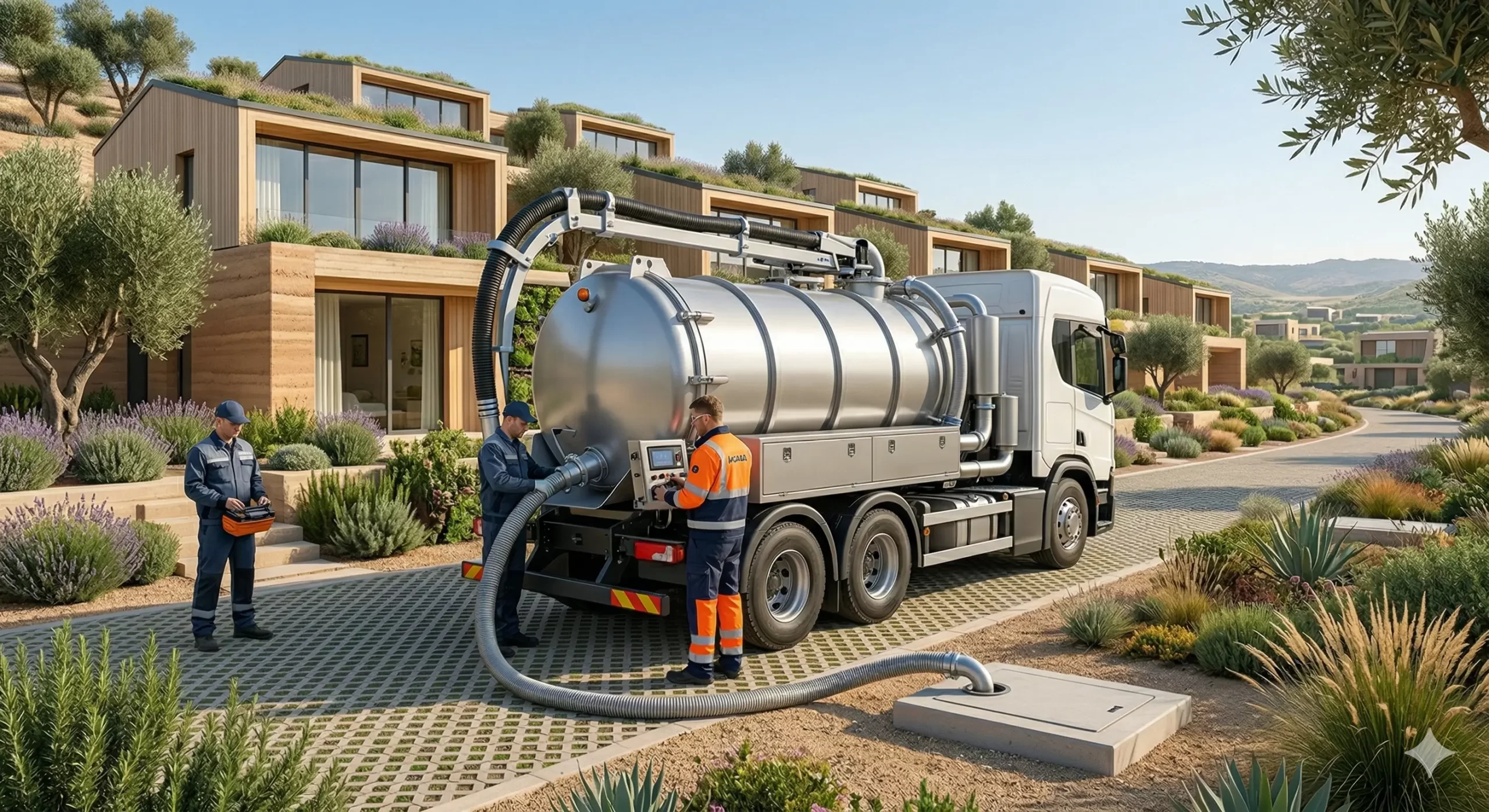
Reactive maintenance, such as responding to a system backup, is an indicator of pre-existing, advanced system damage. Proactive, scheduled maintenance is the only scientifically valid method for maximizing system lifespan and preventing catastrophic environmental discharge. The following protocols are essential: Need immediate assistance? Find trusted septic tank pumping in Canyon, TX right away.
- Scheduled Solids Removal: The septic tank must be pumped by a licensed septage hauler every 3 to 5 years, depending on household size and water usage. The objective is not to empty the tank, but to remove the accumulated sludge and scum layers before their volume compromises the tank’s retention time and allows solids to pass into the drainfield.
- Effluent Filter Decontamination: Modern systems are equipped with an effluent filter in the outlet baffle. This device must be cleaned annually to prevent biofouling from obstructing effluent flow. Failure to do so can cause a backup as severe as a full drainfield failure.
- Hydraulic Loading Management: The system is designed for a specific daily flow rate (gallons per day). Exceeding this rate, even for short periods, can flush solids from the tank and hydraulically overload the drainfield. Water conservation fixtures and spreading laundry loads throughout the week are critical engineering controls.
- Chemical Input Prohibition: The septic tank is a biological reactor. The introduction of excessive amounts of household cleaners, paints, solvents, or so-called ‘septic additives’ can disrupt the anaerobic digestion process, kill the necessary bacteria, and lead to rapid solids accumulation and system failure. Additives containing yeast or bacteria are unnecessary in a properly functioning system and can sometimes fluidize the sludge layer, exacerbating drainfield clogging.
- Drainfield Protection Zone: The area above and around the drainfield must be treated as a dedicated utility zone. It should be protected from soil compaction (e.g., vehicular traffic, construction), excessive irrigation, and the planting of deep-rooted trees or shrubs that can infiltrate and damage the drain lines.
Case Study: Catastrophic System Failure, Marion County, Florida
Property Profile: A 3-bedroom, 2-bathroom residence constructed in 1988 on a 1.2-acre lot with sandy loam soil, situated approximately 800 meters from a designated Outstanding Florida Spring. The property utilizes a conventional anaerobic septic system and a private well for potable water.
Inspection Findings: A prospective buyer commissioned a Level 2 inspection. The initial visual survey revealed a perpetually damp, nutrient-enriched area at the terminus of the drainfield. A hydraulic load test resulted in effluent surfacing within 20 minutes. The tank inspection (post-pumping) revealed a collapsed concrete baffle, allowing undivided solids to flow directly into the drainfield. A dye test confirmed a direct hydraulic connection between the surfacing effluent and a nearby drainage swale that discharged towards the spring’s watershed. Water samples taken from the private well showed nitrate levels at 8 ppm (parts per million), below the EPA Maximum Contaminant Level (MCL) of 10 ppm, but elevated above typical background levels, suggesting early-stage plume contamination. Fecal coliform bacteria were also detected in the well sample, indicating a direct public health crisis.
Root Cause Analysis: The failure was attributed to a multi-decade lack of maintenance. The original baffle failure, likely due to biogenic sulfide corrosion, went unaddressed. This led to chronic organic overloading of the drainfield, resulting in the formation of an impermeable biomat and complete failure of the soil absorption system. Protect your property value by working with certified septic inspectors in St Cloud, FL.
Consequences: The property was deemed uninhabitable by the Florida DOH until a full system remediation could be completed. The required solution was not a simple repair but a complete system replacement with a modern, nitrogen-reducing aerobic treatment unit (ATU) due to the proximity to the sensitive spring. The total cost to the seller, including engineering designs, permitting, installation, well disinfection, and landscape restoration, exceeded $32,000. This case underscores the extreme financial and ecological consequences of neglecting septic system due diligence in Florida’s vulnerable karst topography. Don’t wait for a backup to flood your yard. Check out our local services in Orange City, FL.
Frequently Asked Technical Questions
What are the specific legal ramifications of an unpermitted septic system repair discovered during a home sale in Florida?
Under Florida Statutes, Title XXIX, Chapter 381, and F.A.C. 64E-6, any modification or repair to an OSTDS requires a permit from the county DOH. An unpermitted repair is a code violation. If discovered, the DOH can issue a notice of violation, levy fines, and require the unpermitted work to be excavated and reconstructed under a new permit, at the current owner’s expense. For a buyer, this represents a significant latent defect and can create title insurance complications. The seller may be liable for failure to disclose a known, unpermitted material defect.
How does Florida’s high water table and sandy soil composition affect drainfield design and failure risk?
Florida’s hydrogeology presents a dual challenge. The state’s predominantly sandy soils have high hydraulic conductivity (they drain quickly), which can be beneficial for effluent dispersal but offers very low retention time for pathogen and nutrient filtration. This increases the risk of rapid groundwater contamination. The high seasonal water table reduces the mandatory vertical separation distance (typically 24 inches) between the bottom of the drainfield trench and saturated soil. This reduces the unsaturated soil volume available for aerobic treatment of effluent. In many cases, a conventional drainfield is not feasible, necessitating the engineering of a more expensive mounded system to achieve the required separation and prevent direct contamination of the surficial aquifer.
What is the difference between anaerobic and aerobic treatment units (ATUs), and when are ATUs required in Florida?
A standard septic system provides anaerobic (without oxygen) treatment, which is effective at removing pathogens and BOD but is inefficient at removing nitrogen. An Aerobic Treatment Unit (ATU) is a more advanced system that injects oxygen into the wastewater, promoting the growth of aerobic bacteria. This process achieves a much higher level of treatment, significantly reducing nitrogen, BOD, and TSS in the final effluent. ATUs are often required by the DOH in Florida for lots smaller than one acre, properties in environmentally sensitive areas like certain spring protection zones or coastal areas, or where poor soil conditions or high water tables preclude the use of a conventional system. They are more expensive to install and require electricity and more frequent maintenance contracts.
Technically Reviewed By:
BlixBase Master Plumber Team
20+ Years Septic Industry Experience | Certified System Inspectors