

Another Phone Call, Another Dream Drowning in Mud
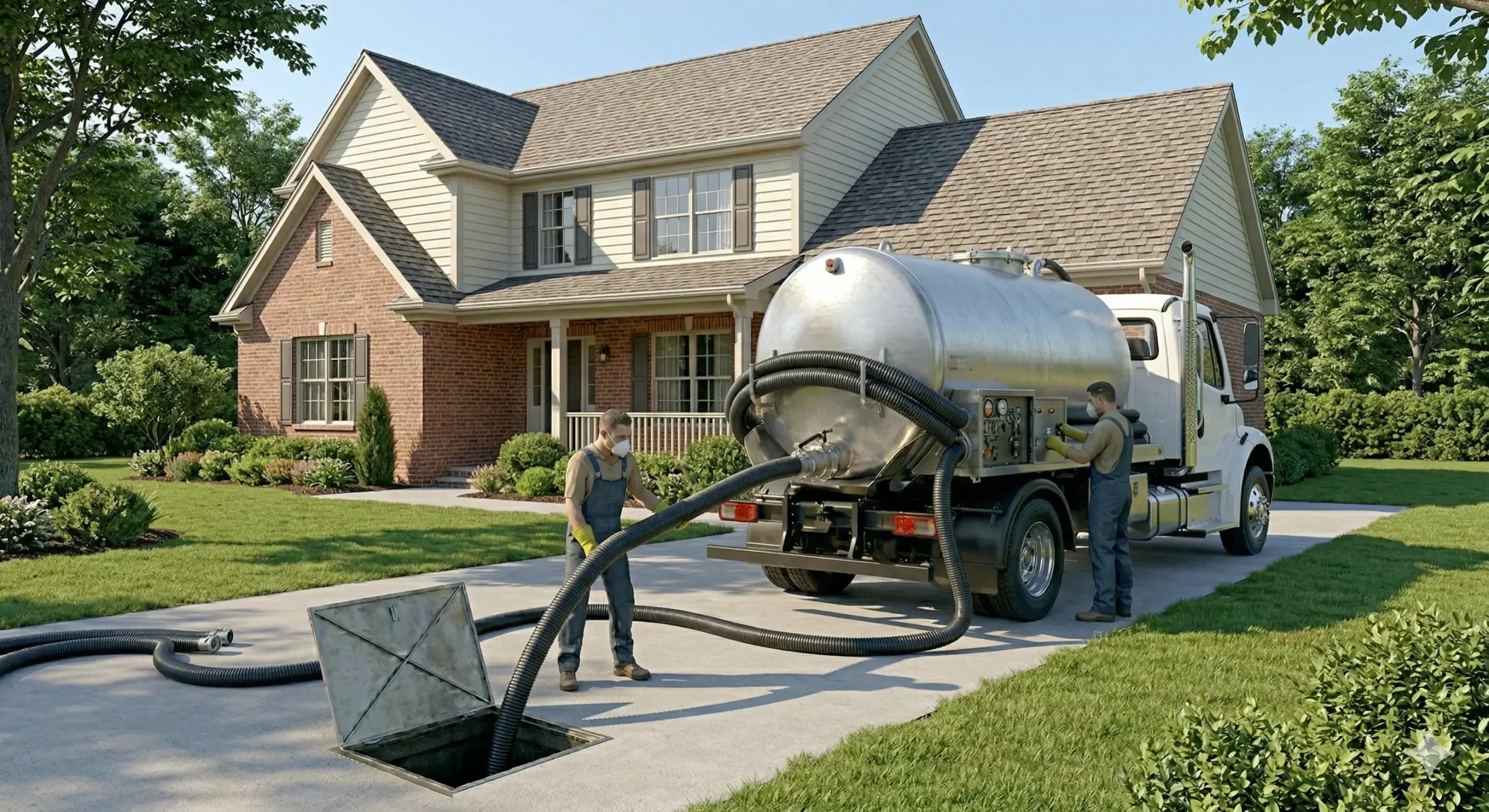
Let me guess. You found the perfect piece of land. A little slice of heaven out in the country. You closed on it in February when the ground was frozen solid as a rock. Now it’s April, the birds are chirping, the mud is everywhere, and the nice man from the health department just shook his head, handed you a failed percolation test report, and drove away. Now you’re staring at a piece of paper that says your land is ‘unsuitable for a conventional septic system.’ Congratulations, you bought a very expensive picnic spot. ️
For 30 years, I’ve seen this same sad movie play out every single spring. People think a septic system is just a tank you bury and forget. Wrong. Your septic system is the digestive system of your house. It’s a living, breathing biological machine. And just like you can’t digest a steak dinner while you’re underwater, your septic system can’t treat wastewater when it’s swimming in a high seasonal groundwater table. The soil is the stomach, and when that stomach is full of water, everything you flush just backs up. It’s that simple, and that disastrous.
A Real-Life Nightmare in Middlesex County, MA: The Johnson’s Story
Don’t believe me? Let me tell you about the Johnsons. A nice young couple, bought a beautiful 2-acre wooded lot in Carlisle back in November. They got a ‘deal’ on it. Red flag number one. The seller had a perc test from the previous fall that passed. Red flag number two. They came to me all excited, ready to build their dream farmhouse. I took one look at the plans and the address and told them to hold their horses. I know that area—it’s low, it’s got clay lenses, and it’s surrounded by wetlands.
I told them, ‘We’re not filing anything with the Board of Health until we dig a deep observation hole in April.’ They weren’t happy. They had builders lined up. But they listened. Come mid-April, after a week of rain, we brought in the backhoe with the Health Agent watching. We dug down. At three feet, water started pouring into the hole like we’d struck oil. Not gushing, but weeping from the soil itself. That’s called ‘mottling’—it’s the tell-tale sign of a seasonal high water table. The soil is stained with rust colors where it’s been saturated with water for months at a time. The official witnessed high water mark was at 32 inches. Under Massachusetts Title 5, you need a minimum of four to five feet of clean, unsaturated soil between the bottom of your leach field and the high water table. They had less than three.
Their ‘passing’ perc test from the fall was worthless. The paper it was printed on had more value. The Johnsons were devastated. Their conventional septic system plan was out the window. Their dream home budget? Obliterated. They went from a potential $15,000 system to a $45,000 engineered mound system with a special treatment unit and quarterly maintenance contracts. They had to clear more trees, bring in tons of special sand, and build a giant, ugly hump in their future backyard. They almost lost the property because the new system costs threw their debt-to-income ratio off for their construction loan. They survived, but barely. Don’t be the Johnsons. Need immediate assistance? Find trusted septic tank pumping in Forney, TX right away.
The Cold, Hard, Muddy Costs: What a Failed Perc Test Really Means for Your Wallet
Everyone wants to know the bottom line. Fine. Let’s talk money. But don’t come crying to me when the numbers make you sick. Back in my day, you could put in a simple pipe-and-stone system for a few grand. Now, with all the regulations and the garbage plastic components they sell, everything costs a fortune. And when you’ve got a high water table? Open your wallet and pray. Don’t ignore the warning signs. Reach out to our septic maintenance crew in Headland, AL today.
| Service / System Type | Typical Cost Range (Best Case) | Cost with High Water Table (Worst Case) | Grumpy Vet’s Notes |
|---|---|---|---|
| Percolation Test & Soil Evaluation | $1,500 – $2,500 | $1,500 – $3,000 (No change, but the result is what costs you) | This is just the entry fee. It tells you HOW you’re going to lose money. |
| Conventional System Design & Install | $12,000 – $20,000 | NOT AN OPTION | If your perc fails due to water table, you can’t have this. Period. |
| Engineered System Design (Mound/Presby/etc.) | N/A | $4,000 – $8,000 | Just for the paperwork! The pretty drawings the engineer makes so the town will let you build. |
| Mound System Installation | N/A | $35,000 – $60,000+ | Requires tons of special sand, pumps, alarms, and a giant ugly hill in your yard. |
| Advanced Treatment Unit (ATU) Installation | N/A | $30,000 – $50,000 | A mini sewage plant in your yard. Needs electricity, service contracts ($300-$600/year), and parts that fail. |
Troubleshooting 101: Is Your Yard a Ticking Time Bomb?
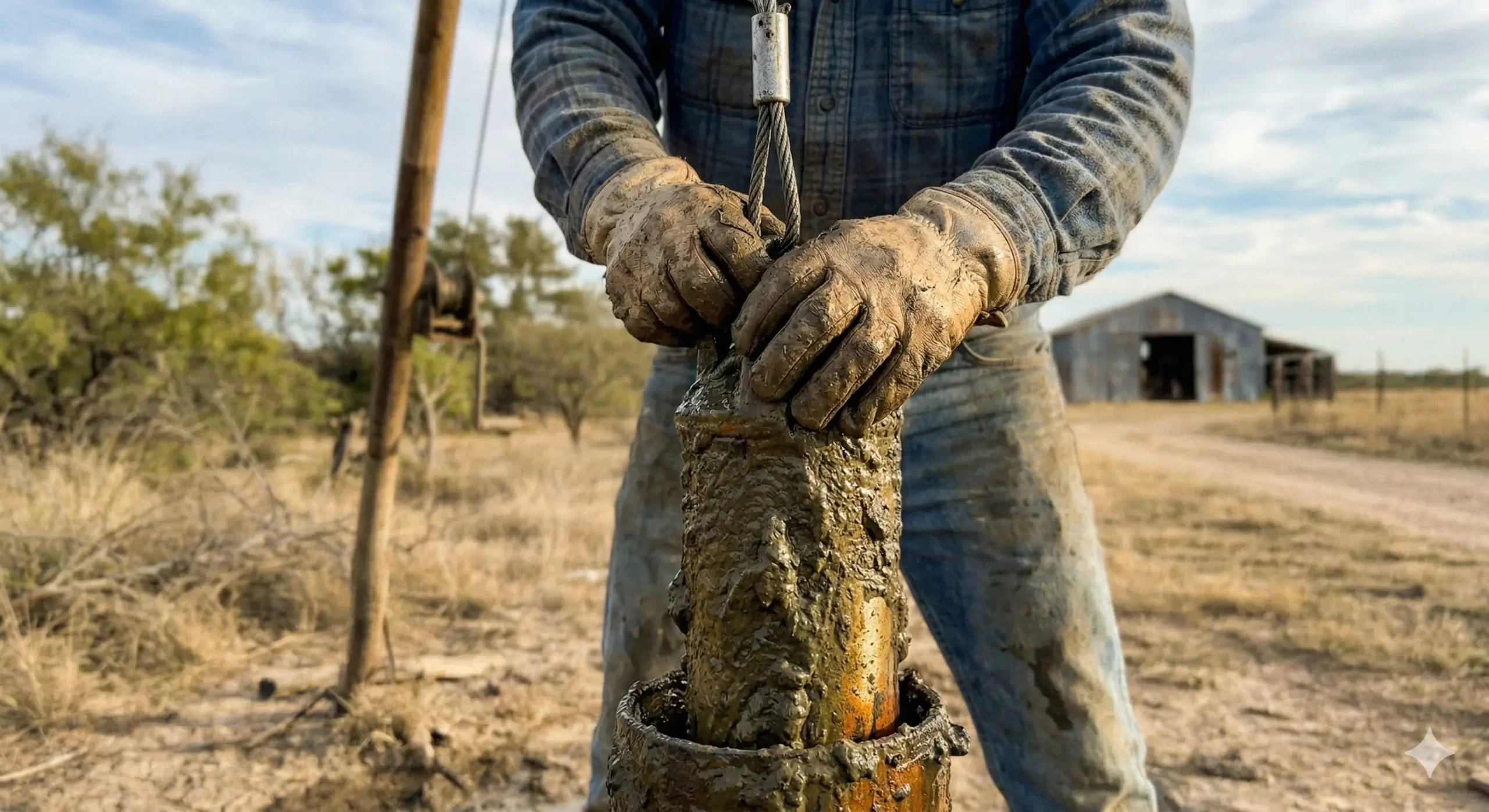
Before you even spend a dime on a soil evaluator, use your eyes and your brain. Your property is giving you clues. You just have to be smart enough to read them. Here’s what I look for when I first step on a property:
- Spongy Ground: Walk around. Does it feel like you’re on a waterbed? If you leave deep footprints in April and May, that’s a bad sign. That’s saturated soil.
- Standing Water: After a normal rain, does water pool in low spots and stay there for days? That means the ground can’t absorb it. Where do you think your toilet flush is going to go? Nowhere.
- Indicator Plants: Look at what’s growing. Are you seeing a lot of cattails, reeds, skunk cabbage, or willow trees? Those plants love having ‘wet feet.’ They are nature’s flashing neon sign that says ‘HIGH WATER TABLE HERE!’
- Your Neighbors’ Yards: Take a peek over the fence. Do your neighbors have big, unnatural-looking grassy mounds in their yards? Those are mound systems. It’s a dead giveaway that the whole area has bad soil.
- Basement Sump Pump: If there’s an existing house, go to the basement. Is the sump pump running a marathon in the spring? If that pump is constantly kicking on, it means the groundwater is literally trying to invade the house. Your leach field will be its first victim.
Progression of Failure: The Slow, Smelly Death of a Septic System timeline
A septic system in a high water table area doesn’t just fail overnight. It’s a slow, agonizing death. It gets choked out. Here’s the typical timeline I see when someone gets lucky and passes a perc test on a borderline lot.
- Year 1-2: The Honeymoon Phase. Everything seems fine. The system is new, the soil around the leach field hasn’t compacted yet. You’re blissfully unaware of the watery grave below. The system might struggle a bit during the wettest week of spring, with slightly slower drains, but it recovers.
- Year 3-5: The First Warning Signs. You start noticing that the grass over the leach field is weirdly green and swampy in the spring. You might get some gurgling in your pipes after doing a lot of laundry. The occasional, faint septic odor wafts through the yard on a damp day. The biomat—the layer of sludge that forms in the leach field—is getting thick and suffocating in the saturated soil.
- Year 6-8: Code Yellow. Drains are noticeably slow every spring. You have to wait between showers and laundry loads. The septic odors are more frequent. You might even see some mushy spots or dark water surfacing near the drainfield after a heavy rain. Your tank needs pumping more frequently because the liquid can’t escape into the already-full soil.
- Year 9+: Total System Failure. This is it. Toilets won’t flush. Sewage is backing up into your basement or your bathtub. The yard is a stinking, contaminated swamp. You get a lovely letter from the health department informing you that you are in violation of state and federal clean water acts. You are now legally required to replace your system, which means going through the entire nightmare of new perc tests (which will fail), new engineering plans, and paying $40,000 for a mound system you can’t afford. Your property value is in the toilet, literally.
The Law is Not Your Friend: EPA, Title 5, and the Board of Health
People think this is about preference. It’s not. It’s about public health and the law. I’m not the bad guy; I’m just the one who has to enforce the rules that stop you from poisoning your family and your neighbors. Your septic system is a private wastewater treatment facility. The EPA has standards, the state has standards, and your local town has standards. Fail to meet them, and you’re in a world of hurt.
Here in Massachusetts, our bible is called Title 5. It’s the state environmental code. It’s dense, it’s complicated, and it doesn’t care about your budget. It dictates everything: the distance from your well to the septic tank (minimum 50 feet), the distance from the leach field to property lines (minimum 10 feet), and most importantly, the vertical separation from the bottom of your leach field to the seasonal high water table. That’s the killer. If the soil evaluator or health agent witnesses groundwater within that vertical separation distance during their spring inspection, your test fails. There are no appeals. There is no arguing. It’s a hard, fast, scientific measurement.
What happens when you have a failing system? The Board of Health can, and will, take action. It starts with a notice of non-compliance. Then an order to upgrade the system within a certain timeframe (usually two years). If you refuse or can’t afford it, they can start levying daily fines. They can condemn the property, making it illegal to live there. Ultimately, the town can place a lien on your property for the cost of the repairs, and if you still don’t pay, they can foreclose. They take this stuff seriously, because a failing septic system leaches nitrogen, phosphorus, bacteria, and viruses directly into the groundwater. That groundwater flows into streams, ponds, and eventually, your neighbor’s drinking water well. It’s a public health crisis waiting to happen, and your soggy backyard is ground zero. If you reside in the area, you can learn more about our septic services in Melbourne Beach, FL.
Maintenance in the Swamp: How to Keep Your Head (and Your System) Above Water
So you already live on a property with a high water table and a septic system that’s just hanging on. What can you do? You can’t change the soil, but you can change your habits. This is about life support for your system. We understand the specific environmental rules for your region. Learn more from our experts in Spring Hill, FL.
- Become a Water Miser. Every drop you send down the drain is another drop your saturated leach field has to try and absorb. Install low-flow toilets and showerheads. Don’t run the dishwasher or washing machine unless it’s completely full. Spread out your laundry loads—don’t do five loads on a Saturday in April. It’s like trying to chug a gallon of water; give the system time to ‘swallow’.
- Pump Your Tank Religiously. For a normal system, I say every 3-5 years. For you? Every 2 years, maybe even every year if you have a big family. Pumping the tank creates a temporary holding capacity, giving the leach field a brief vacation from being constantly flooded. It’s a short-term fix, but it can buy you time.
- Protect the Leach Field Zone. Don’t ever drive over it, build a patio on it, or plant a tree near it. The soil needs to breathe. Compacting it is a death sentence. And for God’s sake, direct all your gutters and sump pump discharge as far away from the leach field as possible. Why would you add more water to the one area that’s already drowning?
- Watch Your Diet. Your septic system’s diet, that is. No harsh chemicals, no grease, no ‘flushable’ wipes (they’re not flushable, they’re a lie from a marketing department). Use septic-safe toilet paper. Too much of the wrong stuff kills the good bacteria in your tank that break down the solids.
What Folks Are Saying…
⭐⭐⭐⭐⭐ – Sarah B. from Acton, MA
“This guy is as grumpy as they come, but he’s the only one who told us the truth. Two other companies said our land was ‘challenging but buildable.’ He took one look, dug a hole, and told us to run. He saved us from making a $100,000 mistake. He won’t sugarcoat it, and that’s exactly what you need in this business.”
⭐⭐⭐⭐⭐ – Mike D. from Harvard, MA
“My system was failing and the quotes I got were all over the place. He came out, explained the whole Title 5 process, and laid out our (very expensive) options clearly. He handled the engineers, the Board of Health, everything. The whole process was a nightmare, but he was the one honest guide through the whole mess. Worth every penny.”
Your Questions, My Grumpy Answers
Can I just wait until summer to do my perc test when the ground is drier?
Are you kidding me? No! The entire point of the test is to find the SEASONAL HIGH water table. Testing in August is fraud. Any reputable soil evaluator or health agent will refuse to do it, or they will only do it with the understanding that they MUST estimate the spring high water level based on soil mottling. And trust me, their estimate will be conservative and probably won’t help you. You’re not fooling anyone. The only test that matters is the one done in the wet season.
Is there any way to lower the water table on my property?
Sure, if you have a million dollars and a team of Dutch engineers. For a normal person, no. You can’t fight geology. Some people try to install ‘curtain drains’ to intercept groundwater. It’s a fantastically expensive gamble that rarely works for septic systems. The water table isn’t a puddle; it’s the saturation level of the entire ground for miles around. A little french drain isn’t going to change that. Your only option is to build your system UP, above the water, with a mound system.
What’s the difference between a perc test and a deep hole soil evaluation?
People use the terms interchangeably, but they’re two different things. A perc (percolation) test measures how fast water drains through a small hole. It tells you the soil’s absorption rate. A deep hole observation is where we bring in a backhoe and dig an 8-10 foot trench. This is the most important test. It lets a soil evaluator physically examine the soil layers (horizons), look for that mottling I talked about, and directly witness the actual high water table. You need BOTH to pass. Your soil can drain like a champion, but if the deep hole test shows the water table is too high, you fail. Game over. ️
My Final Word: Stop Fighting Mother Nature
Listen, I’m not trying to be a jerk. I’m trying to save you from financial ruin and a public health disaster. The ground is what it is. The water is where it is. You can’t wish it away, and you can’t cheat the system for long. Before you fall in love with a piece of property, before you sign a single piece of paper, get a real, professional soil evaluation done in the spring. Spend the money upfront. Because the cost of that knowledge is a drop in the bucket compared to the cost of ignorance. Do it right, or find another piece of land. It’s that simple. Navigating local soil conditions can be tricky. Consult our Saginaw, TX septic pumping guide.
Technically Reviewed By:
BlixBase Master Plumber Team
20+ Years Septic Industry Experience | Certified System Inspectors