
Proactive Maintenance Protocols: A Non-Negotiable Regimen
The operational longevity of an On-Site Sewage Treatment System (OSTS) is not a matter of chance; it is a direct function of adherence to a strict, quantifiable maintenance schedule. The popular notion of ‘set it and forget it’ is a fallacy propagated by negligence, leading to predictable and expensive system failure. The primary objective is to manage the accumulation of inorganic solids (sludge) and fats, oils, and grease (scum) within the primary treatment vessel, the septic tank.
Pumping frequency is not arbitrary. It is calculated based on tank volume, daily wastewater flow (a function of household occupancy), and the percentage of solids in the wastewater stream. The Louisiana Department of Health (LDH) provides guidelines, but a site-specific calculation is superior. As a baseline, a 1,000-gallon tank servicing a three-bedroom home (estimated 4 occupants, generating approx. 300 gallons/day) necessitates solids removal every 3.0 to 3.5 years. Exceeding this interval allows the sludge layer to reduce the effective hydraulic retention time, increasing the velocity of effluent and facilitating the transport of suspended solids into the drain field—the direct precursor to biomat formation and soil pore occlusion.
Furthermore, many modern systems installed in Louisiana are equipped with an effluent filter in the outlet baffle. This device is designed to capture larger suspended solids before they exit the tank. This filter requires cleaning annually, or more frequently depending on household habits. Failure to service this component results in a blockage, which can cause a backup into the residence or force effluent out of the tank lid, creating a sanitary nuisance. This is a simple mechanical task that is frequently overlooked by homeowners and unqualified inspectors.

Real-Life Case Study: Catastrophic Failure in St. Tammany Parish

Subject Property: A 4-bedroom residence on a 1.2-acre lot near Covington, LA. Soil composition is predominantly a silty clay loam with a seasonally high water table, characteristic of the region.
The Scenario: A prospective homebuyer, swayed by the seller’s recent receipt for a ‘septic tank pumping’, waived a professional septic inspection to expedite closing. The pumping receipt, dated two months prior, created a false sense of security. The seller claimed the system, a conventional gravel trench drain field, was ‘working perfectly’. We also provide specialized local support—see our Lake City, FL service page for details.
Initial Observations (Post-Purchase): Within the first 60 days of occupancy, following a period of heavy rainfall typical for a Louisiana spring, the new homeowners observed intermittent slow drainage from the downstairs bathtub and toilets. A faint, intermittent sewer gas odor was noticeable near the rear of the property.
Escalation and Diagnosis: After a subsequent 3-inch rainfall event, the system experienced total hydraulic failure. Greywater effluent began to surface at the lowest point of the drain field, creating a saturated, foul-smelling area of approximately 200 square feet. A licensed inspector was finally called. A soil probe revealed complete saturation and a thick, black, gelatinous biomat layer extending 12-18 inches into the soil surrounding the drain field trenches. The soil percolation rate was measured at near zero. The cause was clear: chronic overloading of solids from years of neglected pumping had permanently clogged the receiving soil. The recent ‘pumping’ was merely a cosmetic act to empty the tank before the sale, doing nothing to address the already-destroyed drain field. Proactive care saves money. See what our local experts in San Marcos, TX can do for your system.
The Financial Consequence: The cost to the new homeowner was not a simple repair. It required a complete system abandonment and replacement. Due to the high water table and poor soil, LDH regulations mandated an entirely new aerobic treatment unit (ATU) with surface spray discharge. The total, non-negotiable cost was $28,500, including engineering plans, parish permits, decommissioning of the old tank, excavation, installation of the new system, and restoration of the landscape. This financial catastrophe was a direct result of accepting a simple pumping receipt in lieu of a comprehensive system inspection.
Cost Breakdown: The Financial Calculus of Diligence vs. Negligence
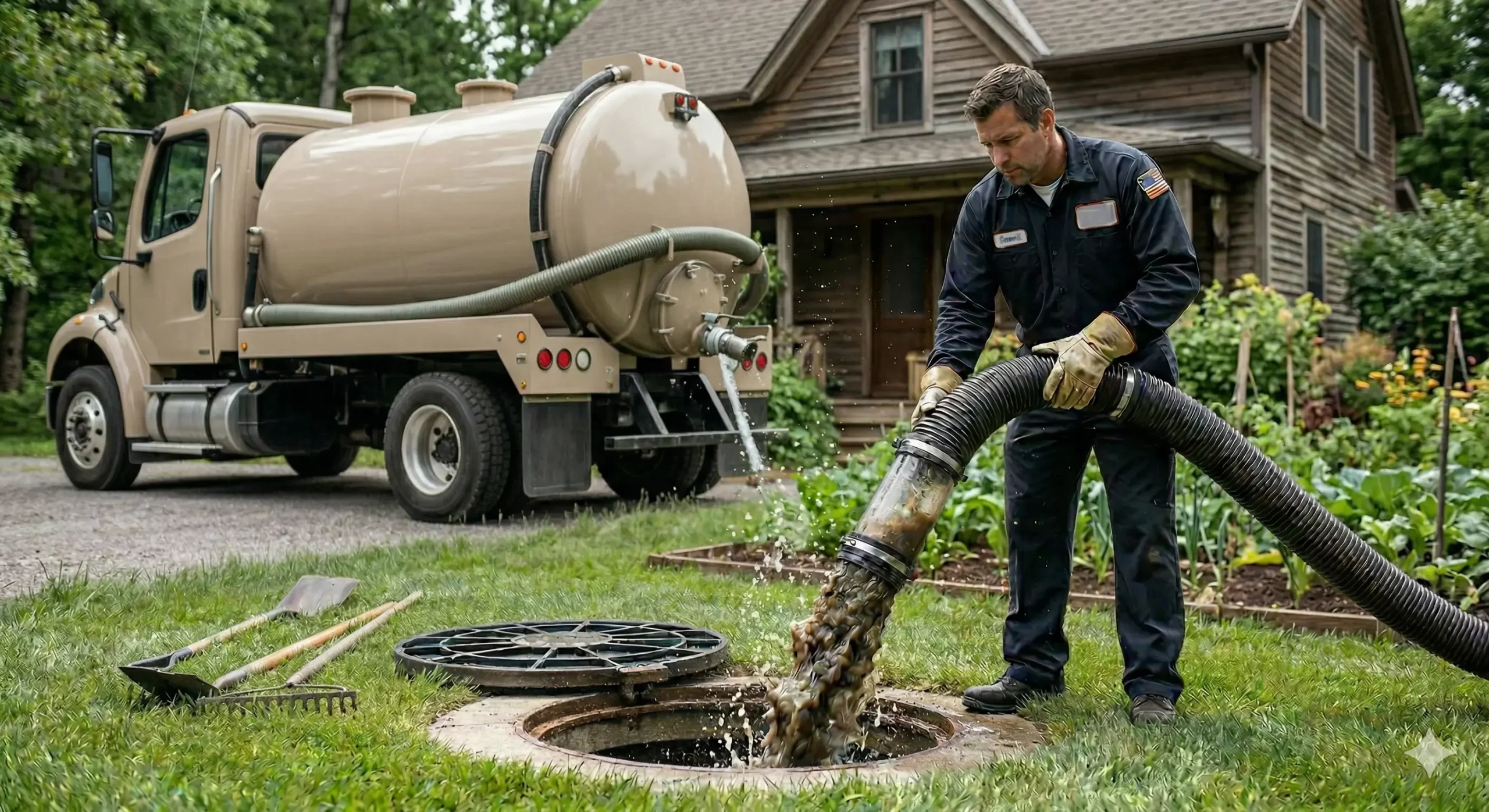
The economic decision facing a Louisiana homebuyer regarding a septic inspection is stark. The cost of a thorough inspection is a negligible insurance premium against a liability that can easily exceed 10-15% of the property’s value. The table below quantifies this disparity. Navigating local soil conditions can be tricky. Consult our White Settlement, TX septic pumping guide.
| Service / Component | Cost of Proactive Inspection (Diligence) | Cost of System Replacement (Negligence) |
|---|---|---|
| Comprehensive Level 2 Inspection (Tank & Drain Field) | $450 – $700 | N/A |
| Parish Permitting & Soil Testing | $0 (Included in Inspection) | $1,000 – $2,500 |
| System Engineering & Design (if required) | $0 | $1,500 – $3,000 |
| Excavation & Old System Decommission | $0 | $3,000 – $5,000 |
| New Tank, Drain Field, or ATU Installation | $0 | $12,000 – $25,000+ |
| Electrical & Plumbing Connections | $0 | $800 – $1,500 |
| Final Grading & Landscape Restoration | $0 | $1,000 – $4,000 |
| TOTAL FINANCIAL EXPOSURE | $450 – $700 | $19,300 – $41,000+ |
Troubleshooting Common Industry Deceptions and Misdiagnoses
The unregulated nature of real estate septic inspections in Louisiana creates an environment ripe for misinformation. Homebuyers must be armed with technical knowledge to counter these deceptions.
- The ‘Recently Pumped’ Fallacy: As detailed in the case study, a pumping receipt is not a certificate of health. It is a record of solid waste removal. An unscrupulous seller can pump a failing system to mask symptoms like high liquid levels for a short period. A proper inspection must occur on a system under normal load, not one that has been artificially emptied. Demand to see maintenance records spanning years, not a single convenient receipt from last month.
- The ‘Visual Inspection’ Scam: Any contractor who proposes to inspect a system merely by flushing toilets and looking at the ground surface is committing malpractice. This method cannot detect a clogged drain field, a cracked tank, a deteriorated baffle, or a saturated water table. A legitimate inspection involves, at minimum, excavating the tank lids, measuring sludge and scum layers, evaluating the tank’s structural integrity, and conducting a hydraulic load or dye test on the absorption field.
- Misinterpreting Slow Drains: Homeowners often attribute slow drains to an internal plumbing clog. While this is a possibility, in a home with an OSTS, it is frequently the first indicator of drain field saturation. As the soil’s capacity to accept effluent diminishes, the entire system’s hydraulic gradient is flattened, causing wastewater to drain sluggishly from the home. Ignoring this and using caustic chemical drain cleaners only serves to damage the tank’s bacterial ecosystem and accelerate failure.
Progression of Septic System Failure: A Timeline
System failure is a process, not an event. This timeline illustrates the degradation of a conventional septic system under a regimen of complete neglect in typical Louisiana clay soil conditions. Don’t wait for a backup to flood your yard. Check out our local services in Bay City, TX.
- Years 1-3 [GREEN]: Normal Operation. The system effectively separates solids and discharges relatively clear effluent. The anaerobic bacteria are processing organic solids. The drain field soil accepts the effluent, and the biomat layer is thin and permeable.
- Years 3-5 [YELLOW]: Incipient Failure. Sludge and scum layers have accumulated, reducing the tank’s effective volume by over 30%. Hydraulic retention time is shortened. Increased levels of Total Suspended Solids (TSS) are carried into the drain field. The biomat begins to thicken, measurably slowing soil percolation. No surface symptoms are yet visible.
- Years 5-7 [ORANGE]: Intermittent Failure. The biomat is now dense enough to cause significant ponding within the drain field trenches, especially after heavy use or rainfall. Homeowners may notice gurgling drains, slow flushing toilets, and isolated wet spots in the yard. Sewer odors may be present after rain. The system is in a state of advanced distress.
- Years 7+ [RED]: Catastrophic Failure. The soil absorption system is fully occluded by the biomat. The drain field is hydraulically overloaded and can no longer accept effluent. Wastewater surfaces in the yard, creating a public health hazard and violating state sanitary codes. Wastewater backs up into the home’s plumbing fixtures. The system is now non-functional and requires complete replacement.
Verified Client Assessments
⭐⭐⭐⭐⭐
“We were days from closing on a house in Mandeville when our realtor suggested a full septic evaluation, not just the ‘walk-over’ the seller offered. The technician uncovered a cracked distribution box and a drain field that was already 75% saturated. The seller’s ‘recent pumping’ was a clear attempt to hide the issue. This inspection saved us from a $22,000 replacement. The level of technical detail in the report was irrefutable and allowed us to terminate the contract without issue. This is not a service, it’s a financial shield.”
– Robert T., Mandeville, LA
⭐⭐⭐⭐⭐
“As a first-time homebuyer looking at rural property in Tangipahoa Parish, I was completely ignorant about septic systems. The engineer spent two hours on-site, not only performing a dye test and hydraulic load test but also explaining the entire process—from anaerobic digestion to soil percolation rates. He identified that the system was undersized for the house’s square footage and would have failed within a year of our family moving in. The detailed report became our primary negotiation tool. Unparalleled expertise.”
– Dr. Alaina B., Hammond, LA Looking for a reliable local contractor? Explore our septic solutions for Glencoe, AL.
Frequently Asked Questions: Louisiana Septic Inspections
Is a septic inspection legally required to buy a home in Louisiana?
No. There is no statewide statute in Louisiana that mandates a septic system inspection for a residential real estate transfer. This places the full burden of due diligence on the buyer. Some parishes may have local ordinances, and certain lenders (particularly for FHA or VA loans) may require an inspection as a condition of the mortgage. However, in a standard transaction, it is an elective but critically necessary step for the buyer’s protection.
What is the difference between a ‘visual inspection’ and a full hydraulic load test?
A ‘visual inspection’ is a dangerously inadequate process that typically involves only flushing toilets and looking for surface-level problems. It provides no diagnostic data. A comprehensive inspection involves locating and opening the septic tank, measuring solid levels, checking baffle integrity, and evaluating the drain field. The hydraulic load test is a key component where a significant volume of water is introduced to the system to simulate peak usage, scientifically testing the drain field’s capacity to absorb effluent. It is the definitive method for identifying a failing or compromised absorption system.
How does Louisiana’s clay soil affect my septic system?
Much of Louisiana has soils with high clay content, which are characterized by low permeability and slow percolation rates. This means the soil cannot absorb water quickly. For a septic system, this necessitates a much larger drain field to provide adequate surface area for effluent treatment and dispersal. In areas with particularly poor soil or a high water table, a conventional system may not be permissible at all, requiring more complex and expensive alternatives like a mound system or an Aerobic Treatment Unit (ATU) with spray or drip irrigation.
How does heavy rainfall in Louisiana impact a septic inspection?
Heavy rainfall and the resulting high water table have a profound impact. A saturated ground can prevent a drain field from dispersing effluent, causing system backups even in a system that is not organically failed. Conducting an inspection during or immediately after a major rain event can provide a ‘worst-case scenario’ stress test. Conversely, an inspection during a dry spell might mask a marginal system that is on the verge of failure, as the dry ground can temporarily absorb more effluent than it normally would. An experienced inspector will interpret the results in the context of recent weather patterns and the seasonal water table.
Technically Reviewed By:
BlixBase Master Plumber Team
20+ Years Septic Industry Experience | Certified System Inspectors