
Execute a Rigorous Cost-Benefit Analysis
An economic evaluation of root intrusion mitigation strategies is not merely a matter of comparing product prices. It is an exercise in risk management, weighing the low upfront cost of preventative chemical treatment against the catastrophic expense of system failure. The financial calculus is stark and unforgiving. ️
- Preventative Chemical Treatment (Roebic K-77): A standard 2 lb. container of Roebic K-77, sufficient for a single application in a typical residential system (<150 linear feet of pipe), costs approximately $20 to $30. A biannual preventative maintenance schedule places the annual material cost at a nominal $40 to $60.
- Preventative Chemical Treatment (Copper Sulfate): A 5 lb. container of Copper Sulfate Pentahydrate (CuSO4·5H2O) costs between $15 and $25. Using a recommended dose of 0.5-1.0 lbs. per application, the annual material cost for a biannual schedule is similarly low, ranging from $6 to $20. However, this does not factor in the potential cost of accelerated corrosion on metallic plumbing components.
- Reactive Mechanical Intervention (Hydro-Jetting/Augering): The cost to mechanically remove a significant root blockage via a professional service ranges from $300 to $800 per incident. This is a reactive measure that treats the symptom, not the cause, and recurrence is a certainty without follow-up chemical treatment.
- Catastrophic Failure (Sewer Line Replacement): The ultimate cost of inaction. A complete excavation and replacement of a compromised sewer lateral from the structure to the septic tank can range from $5,000 to over $25,000, contingent on depth, length, soil conditions, and surface restoration requirements (e.g., concrete, asphalt). This represents a 100x to 400x cost multiplier compared to a single year of preventative chemical maintenance.

Analyze the Progression of System Failure
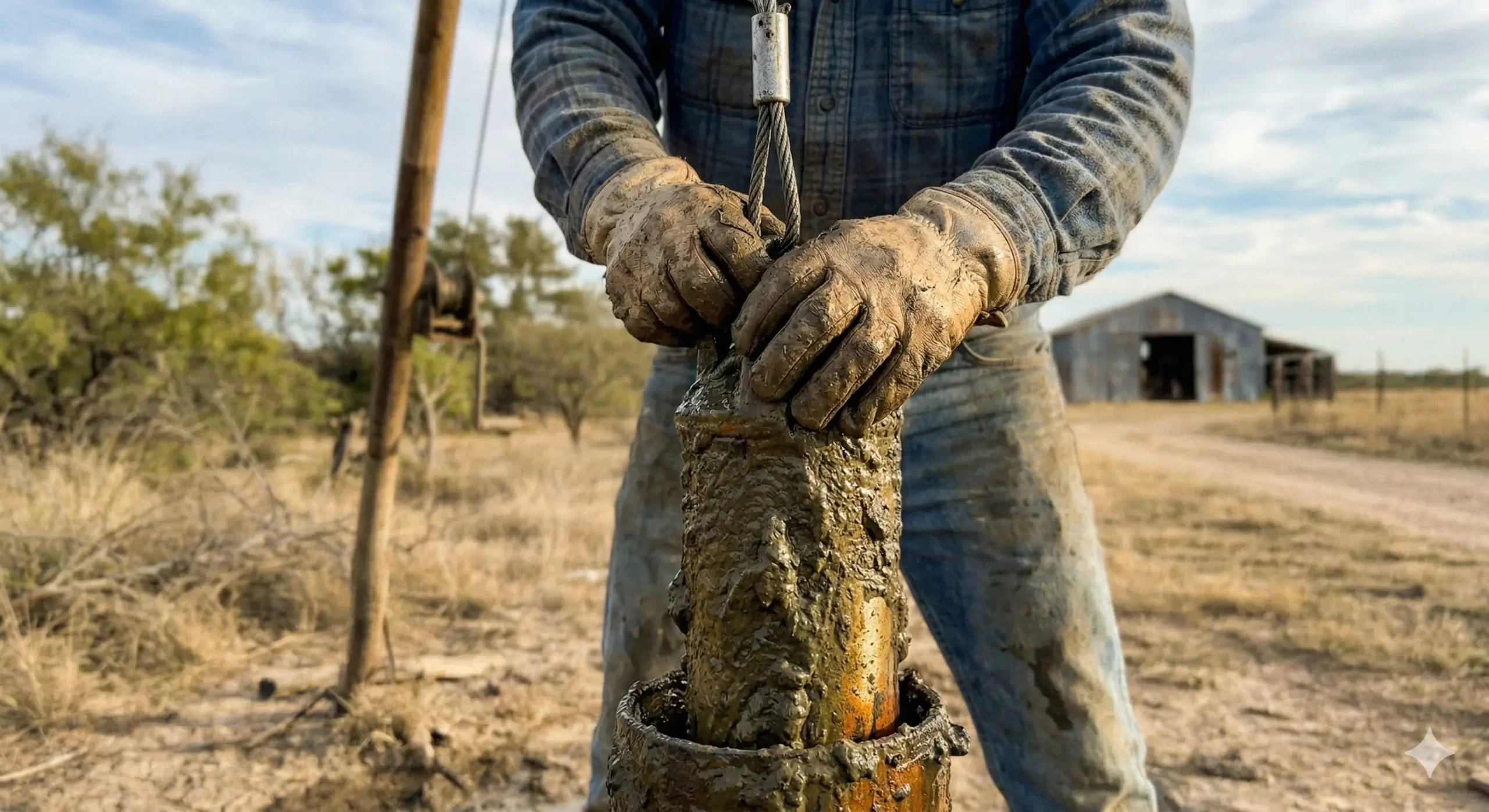
Root intrusion is not an acute event; it is a chronic, degenerative condition. The progression from initial ingress to total system failure follows a predictable timeline. Understanding this timeline is critical for deploying preventative measures at the optimal phase. The following represents a typical failure progression for a vitrified clay pipe (VCP) system in the presence of a hydrotropic species like a willow or maple tree.
| Phase & Timeline | Technical Description | Observable Symptoms |
|---|---|---|
| Phase 1: Infiltration (Years 0-2) | Microscopic feeder roots, driven by hydrotropism, penetrate imperfections in pipe joints (e.g., failing mortar in VCP, compromised gaskets in PVC). | None. The system functions at 100% capacity. |
| Phase 2: Proliferation (Years 2-4) | Roots establish a foothold inside the pipe, forming a fine, fibrous mass that begins to trap suspended solids and grease. | Occasional gurgling sounds from toilets/drains. Drains may run slightly slower, but it is often dismissed. |
| Phase 3: Obstruction (Years 4-6) | The root mass becomes dense and thick, reducing the pipe’s effective diameter by 50-75%. The roots exert increasing pressure on the pipe structure. | Frequent backups, especially during high-volume water usage (e.g., laundry). Foul odors may become noticeable. |
| Phase 4: Failure (Years 6+) | The pipe is either completely blocked (>95%) or has fractured/collapsed under the hydraulic and mechanical stress from the root mass. | Total sewage backup into the residence. Effluent surfacing in the yard. System is non-functional and requires immediate, expensive excavation and repair. |
Examine This Real-World Case Study

Location: Bucks County, Pennsylvania. System Age: 35 years. Pipe Material: 4-inch diameter Vitrified Clay Pipe (VCP). Antagonistic Flora: Single Silver Maple (Acer saccharinum) located 18 feet from the sewer lateral path. Soil Profile: Predominantly Hagerstown silt loam, known for good drainage but susceptible to deep root penetration during dry seasons.
In 2018, the homeowner reported a complete sewage backup into the basement laundry sink. A preliminary camera inspection revealed a severe root mass at a VCP joint approximately 42 feet from the home’s foundation. The obstruction was mechanically cleared with a chain-knocker auger at a cost of $650. Upgrading your system? Let our Spring Hill, FL installation experts walk you through the options.
The homeowner was presented with two ongoing chemical maintenance protocols to prevent recurrence:
- Protocol A: Biannual application of 2 lbs of Roebic K-77 Foaming Root Killer.
- Protocol B: Quarterly application of 1 lb of Copper Sulfate crystals.
Given the VCP construction with potential for small cracks (not just joint intrusion), the foaming characteristic of Roebic K-77 was deemed superior for ensuring 360-degree contact with all potential root ingress points within the pipe. Furthermore, the property’s proximity to a small tributary of the Neshaminy Creek made the high aquatic toxicity of Copper Sulfate an unacceptable environmental risk under local watershed protection ordinances. Protocol A was implemented.
Result: Over the subsequent 5 years (10 applications), follow-up camera inspections showed zero regrowth of roots within the pipe. The initial application successfully killed the intruding root tips, and the ongoing maintenance created a chemical barrier that prevented new feeder roots from entering. The total cost of preventative maintenance over 5 years was approximately $250, a fraction of the cost of a single reactive augering service call. This case demonstrates the efficacy and cost-effectiveness of a correctly chosen and consistently applied chemical root control agent. You can find more detailed pricing and local regulations on our dedicated Belle Glade, FL location page.
Conduct a Comparative Chemical Analysis
The selection of a chemical root control agent must be based on a rigorous evaluation of its active ingredients, mechanism of action, and collateral effects on the septic ecosystem and plumbing infrastructure. A failure to perform this analysis can lead to ineffective treatment or, worse, iatrogenic damage to the system. If you reside in the area, you can learn more about our septic services in Dalhart, TX.
Roebic K-77 Foaming Root Killer
The active ingredient in Roebic K-77 is Dichlobenil (2,6-Dichlorobenzonitrile). This is a potent herbicide that operates via the inhibition of cellulose biosynthesis. In layman’s terms, it stops cell division and growth at the root tip (the apical meristem). It is not a systemic poison; it will not be translocated to the parent tree, ensuring the survival of desirable landscaping. Its primary advantage is the foaming action, created by surfactants in the formulation. When flushed, the mixture generates a thick foam that completely fills the pipe’s volume, ensuring contact with roots entering from the top and sides, not just those in the bottom flow line. K-77’s non-systemic, targeted action and septic-safe formulation make it the superior choice for ongoing preventative maintenance. Property owners in the region trust our Lake Providence, LA septic system services for long-term reliability.
Copper Sulfate Pentahydrate (CuSO4·5H2O)
Copper Sulfate is a salt of a heavy metal. Its mode of action is as a broad-spectrum biocide. It physically desiccates and kills any biological tissue it contacts, including root fibers. While effective, its application is fraught with peril. Firstly, it is highly corrosive to ferrous metals. Consistent application in homes with cast iron or galvanized steel drain lines will lead to accelerated pitting, corrosion, and eventual pipe failure. Secondly, copper is a potent bactericide. An overdose, or application too close to the septic tank, can annihilate the anaerobic bacteria colony essential for breaking down solid waste. This ‘nuking’ of the tank’s biome halts the digestive process, leading to rapid sludge accumulation, system failure, and the need for an emergency pump-out. Its use is heavily regulated or banned in many municipalities due to its extreme toxicity to aquatic life.
Troubleshoot System Abnormalities Immediately
Recognizing the early warning signs of root intrusion is paramount. Immediate and correct diagnosis can mean the difference between a simple chemical application and a multi-thousand dollar excavation.
- Symptom: Audible gurgling from toilets or sinks, especially after flushing or draining a tub.
- Technical Diagnosis: This indicates a partial vacuum is forming downstream of the fixture, caused by a partial obstruction impeding the free flow of air and water. This is the earliest reliable sign of a developing root mass.
- Prescribed Action: Immediately schedule a chemical root killer application. The line is still flowing enough to carry the chemical to the obstruction.
- Symptom: Multiple, geographically related drains are slow (e.g., all downstairs bathrooms).
- Technical Diagnosis: The obstruction is not in a branch line but in the main sewer lateral. The blockage is significant enough to impede normal gravity-fed drainage from multiple points.
- Prescribed Action: Cease all non-essential water usage. If a full blockage is suspected, do not add more chemicals, as they will not reach the target. A professional camera inspection is now mandatory to assess the severity before mechanical clearing.
- Symptom: A persistent sewage odor or unusually lush, green patches of grass near the sewer line or septic tank.
- Technical Diagnosis: This is a critical alert. It signifies that effluent is exfiltrating the pipe, indicating a complete break, separation, or large crack—likely caused by the mechanical pressure of a mature root mass.
- Prescribed Action: This is beyond the scope of chemical treatment. This constitutes a system failure. Contact a licensed septic system professional for immediate evaluation and probable excavation/repair.
Adhere to a Strict Maintenance Protocol
Proactive system maintenance is non-negotiable for long-term viability. A ‘set it and forget it’ mentality guarantees eventual failure. Implement the following protocol without deviation.
- Establish a Biannual Chemical Dosing Schedule: Apply your chosen root killer (preferably Roebic K-77) once in the late spring after trees have leafed out and are actively growing, and once again in the late fall as trees go dormant. This targets the two primary phases of root activity. Mark these dates on a physical and digital calendar.
- Minimize Hydraulic Load During Treatment: Apply the chemical at night or during a period of minimal water usage. This allows the chemical a sufficient contact time (typically 6-8 hours) with the root mass without being prematurely flushed into the septic tank.
- Map and Manage Surface Flora: Create a scaled diagram of your property indicating the exact location of your sewer lateral, septic tank, and drainfield. Do not plant species with aggressive, water-seeking root systems (e.g., Willows, Poplars, Silver Maples) within 25-50 feet of any system component.
- Perform a Quadrennial Video Inspection: Every four years, invest in a professional sewer camera inspection. This provides empirical data on the state of your pipeline and the efficacy of your chemical treatment program. It allows for the early detection of structural issues before they become catastrophic failures.
Verified Homeowner Testimonials
⭐⭐⭐⭐⭐ – Robert M., PE
“As a structural engineer, I only trust data. After a backup, I had my line augered and immediately put it on a twice-yearly K-77 regimen. A 3-year follow-up camera inspection showed absolutely zero regrowth. The foaming action is clearly superior for coating the entire pipe circumference. This product performs exactly to its chemical specifications. A logical, engineered solution.” We understand the specific environmental rules for your region. Learn more from our experts in Vinton, LA.
⭐⭐⭐⭐⭐ – Sarah Jenkins
“My old plumber kept pushing copper sulfate. My drains got slower and my cast iron pipes in the basement started showing weird blue-green stains. After a new company explained how corrosive it is, I switched to Roebic K-77. Problem solved. My septic guy tested the tank bacteria levels six months later and said everything looked perfect. Don’t risk your pipes or your septic tank with that old stuff! “
Frequently Asked Technical Questions
Will Roebic K-77 or Copper Sulfate harm my septic tank’s bacteria?
Roebic K-77, when used as directed, is specifically formulated to be safe for septic systems. The active ingredient, Dichlobenil, is largely neutralized by soil and organic matter upon exiting the pipe and entering the tank, having minimal impact on the anaerobic bacteria colony. Copper Sulfate, however, is a potent, non-selective bactericide. Overuse or direct application to the tank can sterilize the system, halting waste digestion and causing a catastrophic failure. Its use is a significant risk to the septic biome.
What is the required contact time for these chemicals to be effective? ️
The efficacy is a function of concentration and contact time. For both agents, a minimum contact time of 6-8 hours is recommended. This is why application should be the last water usage of the day (e.g., after 9 PM). This allows the chemical to saturate the root mass without significant dilution or being flushed away. For foaming agents like Roebic K-77, the foam adheres to the pipe and roots, prolonging contact time even after small amounts of water are used.
Is it safe to use root killers if I have a private well?
Extreme caution is warranted. Most state and local health codes mandate a minimum separation distance between septic system components and wells (typically 50-100 feet). Dichlobenil has a moderate soil mobility. Copper Sulfate is more mobile and poses a greater risk of groundwater contamination. If your well is closer than the mandated distance or is downslope from your septic system, you must consult a professional before introducing any chemical agent. The risk of contaminating your potable water source is non-trivial.
Will these products kill the tree that is causing the root problem?
Roebic K-77 (Dichlobenil) will not kill the parent tree. It is a non-systemic contact herbicide that only affects the root tissue it physically touches inside the pipe. It is not absorbed and translocated throughout the tree’s vascular system. Copper Sulfate, while also primarily a contact killer, can be absorbed in sufficient quantities to cause stress or sickness in the parent tree, especially if the root intrusion is substantial. For preserving valuable landscaping, Dichlobenil is the unequivocally safer option.
Technically Reviewed By:
BlixBase Master Plumber Team
20+ Years Septic Industry Experience | Certified System Inspectors