

Let’s Talk About Your Home’s Plumbing Guts! ️

Howdy, folks! Your friendly neighborhood septic expert here. Today, we’re diving deep into the nitty-gritty of your home’s wastewater management. Think of your septic system like your body’s digestive system. A traditional septic system is the whole shebang: it takes in the ‘food’ (wastewater), breaks it down in the ‘stomach’ (the tank), and then processes the nutrients in the ‘intestines’ (the drain field). It’s a self-sufficient little ecosystem right in your backyard.
Now, a septic holding tank? That’s just the stomach. No intestines. It just… holds everything. All the water from your showers, toilets, and sinks goes into a big sealed container, and when it’s full, you have to call a guy like me to, well, empty it. It’s a simple solution, but as we’ll see, ‘simple’ doesn’t always mean ‘easy’ or ‘cheap’. Let’s break down the real-world differences so you can make the best choice for your property and your wallet!
The Brass Tacks: A Cost Breakdown That Won’t Clog Your Brain
Alright, let’s talk money. This is usually the first question I get, and for good reason! The difference in upfront cost versus long-term cost between these two systems is like night and day. I’ve put together a handy table to show you what you’re really looking at. These numbers are typical for our area here in Pennsylvania, where we deal with everything from rocky soil to heavy clay.
| Feature | Traditional Septic System (with Drain Field) | Septic Holding Tank |
|---|---|---|
| Installation Cost | $8,000 – $25,000+ (Includes soil percolation test, extensive excavation, tank, and drain field installation) | $3,000 – $8,000 (Simpler install: just the tank, pipes, and alarm system) |
| Tank Materials | Precast Concrete, High-Density Polyethylene (HDPE), or Fiberglass | Precast Concrete, HDPE, or Fiberglass (Must be 100% watertight) |
| Pumping Frequency & Cost | Every 3-5 years. Approx. $300 – $600 per pump. | Every 4-8 WEEKS. Approx. $300 – $600 per pump. |
| Annual Pumping Cost (Example) | $100 – $200 (averaged out) | $3,600 – $7,800 (based on 12-13 pumps per year) |
| Lifespan | 25-40+ years with proper maintenance. | 25-40+ years (The tank itself is durable, but the high operational cost is the main factor). |
A Real-Life Tale from the Trenches: The Millers’ Lakeside Cabin
Let me tell you about the Miller family. They bought a beautiful little cabin up in the Poconos, right near a pristine lake. It was their dream getaway! The problem? The lot was small, the soil was mostly rock and clay (a classic Pennsylvania geology issue), and it was way too close to the lake to meet the PA DEP’s minimum setback distance for a drain field. A traditional septic system was a complete non-starter.
Their only option was a 2,000-gallon septic holding tank. They were thrilled with the lower installation cost compared to the astronomical quote they got for a complex, engineered traditional system. But then… reality hit. If you reside in the area, you can learn more about our septic services in Hitchcock, TX.
The first month, with just weekend use, they were fine. The second month, they had family visit for a week. The high-level alarm—a piercing siren that sounds like a fire drill—went off on a Saturday night. Panic! They had to call for an emergency pump-out, which cost them nearly double the normal rate. They quickly learned that their two-person household generated about 70-80 gallons per day, meaning their 2,000-gallon tank (with a safe usage capacity of around 1,800 gallons) was full in about 25 days. They had to get on a strict, monthly pumping schedule with a local hauler. It’s a manageable part of their budget now, but it was a shocking lesson in just how much water a modern family uses. Dealing with a sudden sewage issue? Rely on our emergency septic team in Bonita Springs, FL.
Keeping Things Flowing: Your Maintenance Checklist ✅
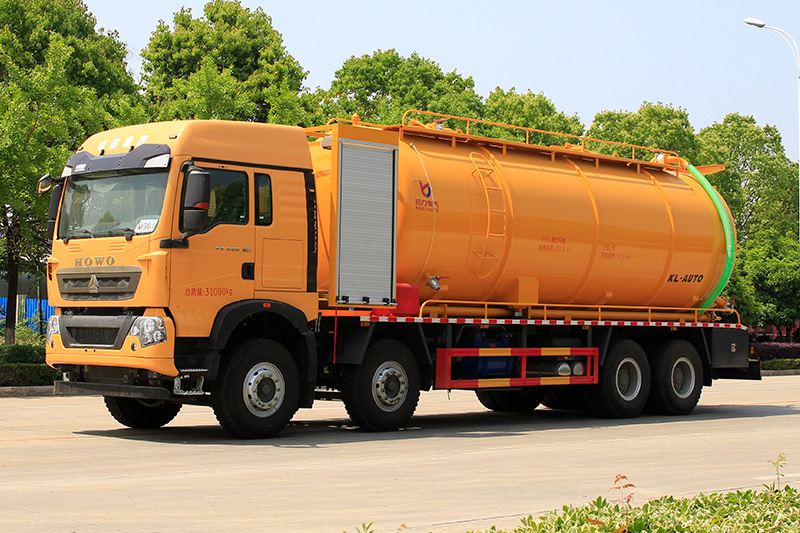
Whether you have a full system or just a holding tank, a little TLC goes a long way in preventing a poopy catastrophe. Discover why so many neighbors recommend our septic tank services in Lytle, TX.
For Septic Holding Tank Owners:
- ️ The Pumping Schedule is Law: This is your bible. Do not deviate. If your hauler says you need pumping every 4 weeks, book it. Don’t try to stretch it to 5. The cost of an emergency pump-out and cleaning up a sewage backup is WAY higher.
- Test Your Alarm Monthly: Your high-level alarm is your only defense against an overflow. Most have a ‘test’ button or switch. Push it once a month to make sure the siren and light work. It’s a 5-second job that can save you thousands.
- Water Conservation is Key: You are paying to haul away every single drop of water that goes down your drain. Install low-flow toilets (1.28 gallons per flush or less), take shorter showers, and fix leaky faucets immediately. A running toilet can fill a 1,500-gallon tank in a few days!
For Traditional Septic System Owners:
- Be Mindful of What You Flush: Your septic tank is not a trash can. The only things that should go down are human waste and toilet paper. No ‘flushable’ wipes (they LIE!), feminine hygiene products, grease, or harsh chemicals. These can clog the system or kill the beneficial bacteria that break down solids.
- Pump Every 3-5 Years: This is non-negotiable. Pumping removes the sludge and scum that accumulate and can’t be broken down. If you let it go too long, solids can flow into your drain field, clogging it permanently. A drain field replacement can cost $10,000 – $30,000!
- Protect Your Drain Field: Don’t drive or park heavy vehicles on it. Don’t plant trees with aggressive root systems nearby. And divert rainwater from gutters away from the area to prevent it from becoming waterlogged.
Uh Oh… What’s That Smell? Troubleshooting 101
Even with the best care, things can go wrong. Here’s what to do when your system starts acting up.
Holding Tank Nightmares:
- Problem: The high-level alarm is screaming.
- Your Action Plan:
- STOP USING WATER. Immediately. No showers, no laundry, no flushing.
- Check the circuit breaker for the alarm panel to make sure it hasn’t tripped.
- Call your septic hauler for an emergency pump-out. Don’t wait.
Traditional System S.O.S.:
- Problem: Drains are gurgling, toilets flush slowly, or there’s a sewage odor in the yard.
- Your Action Plan: These are the early warning signs of a failing system. It could be a simple clog, a full tank needing a pump, or worse, a failing drain field. Call a certified septic professional immediately for a diagnosis. Don’t pour gallons of chemical drain cleaner down there; you’ll only make things worse!
Holding Tank Neglect: A Stinky Timeline
Wondering what happens if you just… ignore that holding tank alarm? It’s not pretty. Here’s a play-by-play of the disaster you’re inviting into your home. Keeping your system healthy is easier when you partner with top-rated Dalhart, TX septic technicians.
- Year 1, Pump 1 (Normal): Everything works as designed. You get on a schedule. Life is good.
- Year 2, You Try to Save Money: You decide to stretch your pumping schedule from 4 weeks to 6 weeks. You’re playing with fire, but you get away with it a few times. The tank is getting critically full each time.
- Year 3, The First Alarm: The alarm goes off. You panic and get an emergency pump. It costs more, but you think, “Okay, lesson learned.” But you go back to stretching the schedule.
- Year 5, The Catastrophe: You’re on vacation. Your house-sitter doesn’t know what the alarm means. The tank overfills. Raw sewage backs up through the lowest point in your house—usually a basement shower or toilet. You come home to a biohazard that requires professional remediation, costing thousands of dollars, ruining floors, drywall, and furniture. The takeaway is simple: a holding tank demands constant, non-negotiable maintenance.
What Our Customers Are Saying!
⭐⭐⭐⭐⭐ – Sarah K., Chester County, PA
“We were so confused about why our property failed its perc test. The team explained the holding tank option clearly, especially the long-term costs. No sugar-coating! We knew exactly what we were getting into. Their honesty saved us so much stress.”
⭐⭐⭐⭐⭐ – Mike D., Monroe County, PA
“Our holding tank alarm went off during a family reunion. Nightmare! I called, and they had a truck at my mountain cabin in under 2 hours. They saved the day and gave me some great tips on water conservation to extend our time between pumps. True professionals!”
To get a customized pumping schedule, feel free to speak with our local representatives in Melbourne Beach, FL.
Frequently Asked Questions From Homeowners Like You
Why would anyone ever choose a holding tank if it’s so expensive to maintain?
That’s the million-dollar question! The truth is, it’s rarely a ‘choice’. A holding tank is a solution of last resort when a property is unsuitable for a traditional system. This can be due to: poor soil that won’t absorb water (failing a ‘perc test’), small lot size, the property being too close to a well or waterway, or local environmental regulations. It’s what the township or health department requires when no other option is feasible.
Can I convert a holding tank to a traditional septic system later?
Maybe, but it’s unlikely. If a holding tank was required in the first place, it means the site conditions were prohibitive for a drain field. The only way a conversion would be possible is if new, advanced septic technologies (like certain aerobic treatment units or mound systems) become approved for your specific site conditions, or if you purchase adjacent land to create enough space for a proper drain field. It’s a complex and expensive process that requires new permits and a full site evaluation.
Does the cold Pennsylvania winter affect my septic holding tank?
Great question! Since holding tanks are buried below the frost line (typically 3-4 feet deep in PA), the contents won’t freeze. The main winter challenge is physical access for the pumping truck. If you have a long, steep driveway, you MUST keep it plowed and salted. A 3,000-gallon pump truck weighs over 20 tons and can’t get up an icy hill. If the truck can’t reach your tank, you can’t get pumped, which can lead to a backup. Plan ahead for winter access!
What’s the biggest mistake homeowners make with their septic systems?
Easy. It’s ‘out of sight, out of mind.’ People completely forget about their septic system until it fails spectacularly. For traditional systems, it’s neglecting the 3-5 year pumping schedule. For holding tanks, it’s trying to save a buck by stretching the time between pumps. Both mistakes lead to much, much bigger and more expensive problems down the road. Regular, preventative maintenance is the cheapest insurance you can buy! ️
Ultimately, the choice between these systems is often made for you by your property’s specific conditions. A traditional system is a long-term, passive wastewater treatment plant. A holding tank is a short-term storage container that requires active, expensive, and frequent management. If you have any questions at all, give a licensed professional a call. We can perform a site evaluation and tell you exactly what your property needs to handle its business safely and effectively. Stay safe and keep it flowing!
Technically Reviewed By:
BlixBase Master Plumber Team
20+ Years Septic Industry Experience | Certified System Inspectors