

Execute a Systematic Diagnostic Protocol
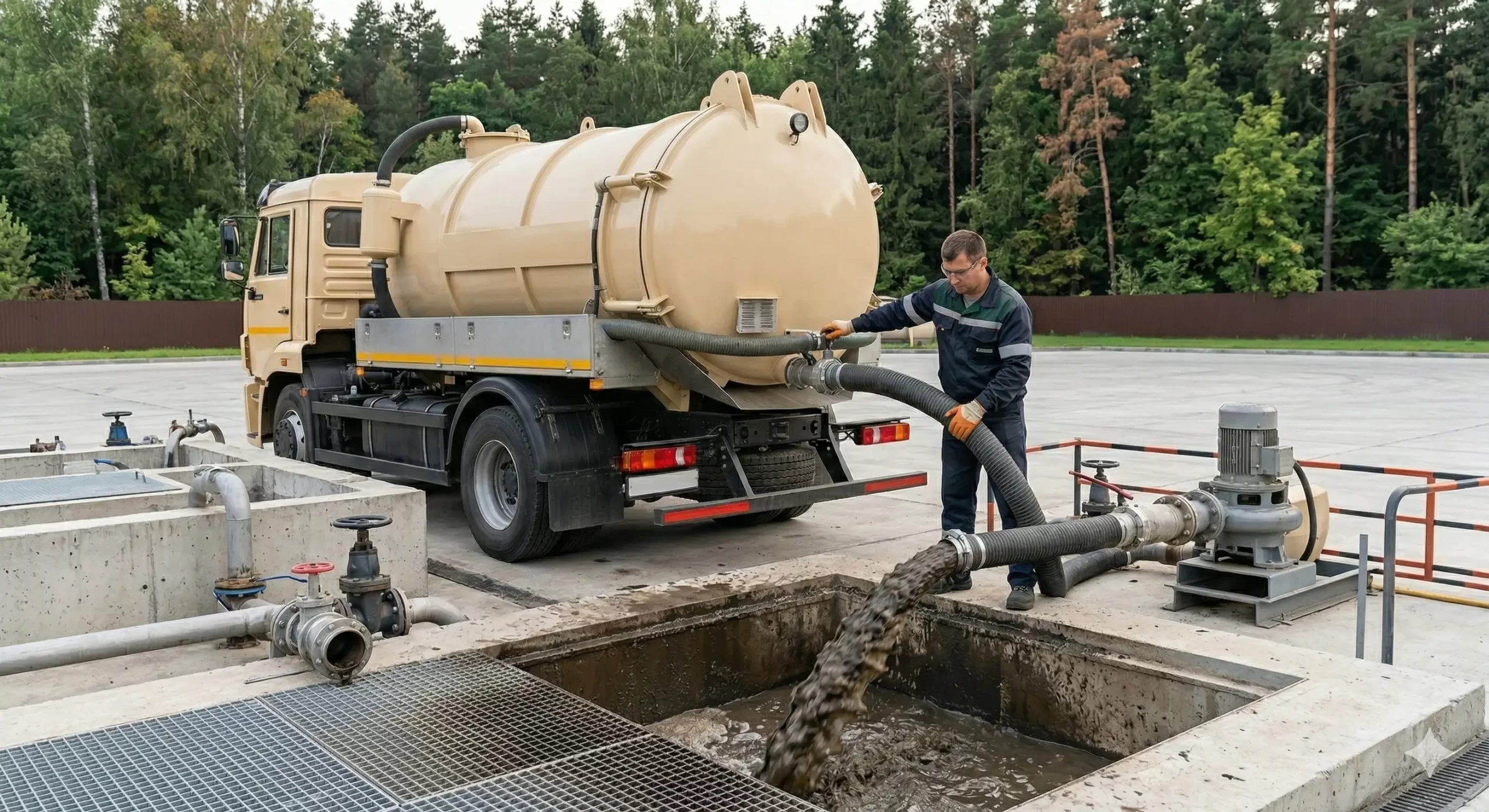
The operational failure of an on-site wastewater treatment system (OWTS) in soils characterized by high clay content is a predictable outcome rooted in fundamental soil physics and microbiology. Clay soils, typically composed of particles less than 0.002 mm in diameter, exhibit low hydraulic conductivity, often measured at less than one inch per hour. This severely limits the soil’s capacity to accept and treat septic tank effluent. The following diagnostic tree is a mandatory protocol for assessing system failure and determining a corrective engineering solution. Discover why so many neighbors recommend our septic tank services in Crockett, TX.
Step 1: Initial Symptom Verification
A systematic evaluation begins with empirical observation. Do not dismiss anecdotal reports; quantify them.
- If sewage is backing up into the structure’s plumbing fixtures: This indicates a terminal-stage failure. The blockage can be in the main sewer line, the septic tank itself, or, most likely, a complete hydraulic refusal by the drainfield. A sewer camera inspection is non-negotiable to isolate the blockage location.
- If standing water or excessively saturated soil is present over the drainfield: This is termed ‘effluent surfacing’. Measure the perimeter of the affected area. Note the color of the water (typically grey or black) and the presence of a septic odor. This is a direct public health hazard and confirms the soil absorption system has failed.
- If foul odors, resembling hydrogen sulfide (H₂S), are detected: Pinpoint the source. Odors from a plumbing vent stack are normal. Odors from the septic tank access risers may indicate a damaged seal. Odors emanating directly from the yard surface over the drainfield confirm anaerobic conditions and effluent surfacing, even if not visually apparent.
- If there is abnormally lush, green vegetation over the drainfield trenches: While seemingly benign, this indicates an excessive nutrient load (nitrates, phosphates) from effluent that is not being properly absorbed and is rising too close to the surface. It is a precursor to complete hydraulic failure.
Step 2: Septic Tank Component Analysis
The septic tank is a primary clarifier, not a final treatment device. Its internal state provides critical diagnostic data.
- Measure Scum and Sludge Layers: Utilize a ‘Sludge Judge’—a clear, valved PVC tube—to extract a core sample of the tank’s liquid column. The top layer is scum (Fats, Oils, Grease – FOGs); the bottom is sludge (digested solids). As per engineering standards, the sludge layer should not exceed 33% of the liquid depth, and the bottom of the scum layer should be no less than 3 inches above the outlet baffle. If these thresholds are exceeded, then the tank is hydraulically overloaded and requires immediate pumping. This condition forces suspended solids into the drainfield, catastrophically accelerating its failure.
- Inspect the Effluent Outlet Baffle and Filter: The outlet baffle prevents scum from exiting the tank. Modern systems have an effluent filter in this location. If the filter is occluded with solids, lint, and FOGs, it indicates poor household maintenance and excessive solids discharge. Clean the filter and document the nature of the clogging material. This provides insight into user habits that must be corrected.
Step 3: Drainfield Hydraulic Assessment
Direct assessment of the soil absorption system is the final diagnostic phase.
- Execute a Soil Percolation Test: If a new system is being considered, this is mandatory. A standard ‘perc’ test involves digging a test hole to the proposed depth of the drainfield, pre-soaking the hole, and then measuring the rate at which water drops in minutes per inch (MPI). Clay soils often yield rates of >60 MPI, rendering them unsuitable for conventional systems per most health codes.
- Conduct a Hydraulic Load Test: For an existing field, introduce a fluorescent dye into the septic tank or distribution box. Then, introduce a significant volume of clear water. Monitor the drainfield surface for 24-48 hours. If dyed water surfaces, you have irrefutable proof of a direct hydraulic failure and short-circuiting of the treatment process.
- Utilize a Piezometer: A piezometer is a small-diameter observation well installed in the drainfield to measure the level of ponded effluent within the trenches. If effluent levels are consistently at or near the surface, the field is in a constant state of saturation and failure.
Adhere to a Strict Maintenance Regimen
Preventative maintenance is not a recommendation; it is an operational requirement for any OWTS, particularly those under the stress of poor soil conditions. Negligence guarantees premature failure.
- Pumping Schedule: The septic tank must be pumped by a licensed professional on a schedule determined by tank volume and occupancy. A 1,500-gallon tank serving four residents must be pumped every 3-5 years. Deferring this service is the single most common cause of solid migration to the drainfield.
- Effluent Filter Cleaning: The outlet filter must be cleaned every 6-12 months. This is a simple procedure that prevents solids from reaching the drainfield. Failure to do so will cause sewage backups.
- Water Conservation: The volume of water entering the system directly correlates to the hydraulic load on the drainfield. High-efficiency fixtures, leak repairs, and staggering laundry loads can reduce water usage by 20-30%, extending the life of a struggling system.
- Prohibited Substances: Cease all use of commercial septic tank additives. There is no independent scientific data to support their efficacy. Many contain enzymatic agents that break down the sludge layer, increasing total suspended solids (TSS) in the effluent, which poisons the drainfield. Furthermore, do not dispose of grease, non-biodegradable wipes, or harsh chemicals into the system.
Analyze This Case Study: System Failure in Lorain County, Ohio
System Profile: A 25-year-old conventional gravel trench system serving a 3-bedroom residence on silty clay loam (Alfisols soil order), characteristic of Northern Ohio. Property owners in the region trust our Giddings, TX septic system services for long-term reliability.
Presenting Symptoms: The homeowner reported slow drains for the past year, gurgling sounds from toilets, and a persistent septic odor near the rear patio, especially after rain events. The lawn over the drainfield was spongy underfoot. Protect your property value by working with certified septic inspectors in Kerrville, TX.
Diagnostic Findings:
- A perc test conducted in an adjacent, undisturbed area yielded a rate of 95 MPI, confirming the soil’s unsuitability for a conventional system by modern standards.
- A Sludge Judge measurement inside the 1,000-gallon tank revealed a sludge depth of 42 inches in a 60-inch liquid column, a catastrophic 70% volume. The tank had not been pumped in over 12 years.
- A push camera inspection of the solid 4-inch PVC line leading to the distribution box was clear. However, upon inspecting the perforated drainfield lines, the camera was immediately obscured by thick, black sludge and ponded water. The lines were completely submerged.
- A piezometer installed between two trenches confirmed the ponded effluent level was only 8 inches below the ground surface.
Engineering Conclusion and Solution: The existing system was in a state of irreversible failure due to long-term neglect and installation in unsuitable soil. The biomat had completely sealed the trench-soil interface. The only viable, code-compliant solution was a full system replacement. An Aerobic Treatment Unit (ATU) was specified, which treats wastewater to a much higher standard (secondary or tertiary). The highly treated, clear, and odorless effluent from the ATU was then discharged via a shallow drip irrigation system, which is a pressure-dosed dispersal method suitable for clay soils as it does not rely on deep percolation.
Conduct a Financial Feasibility Analysis
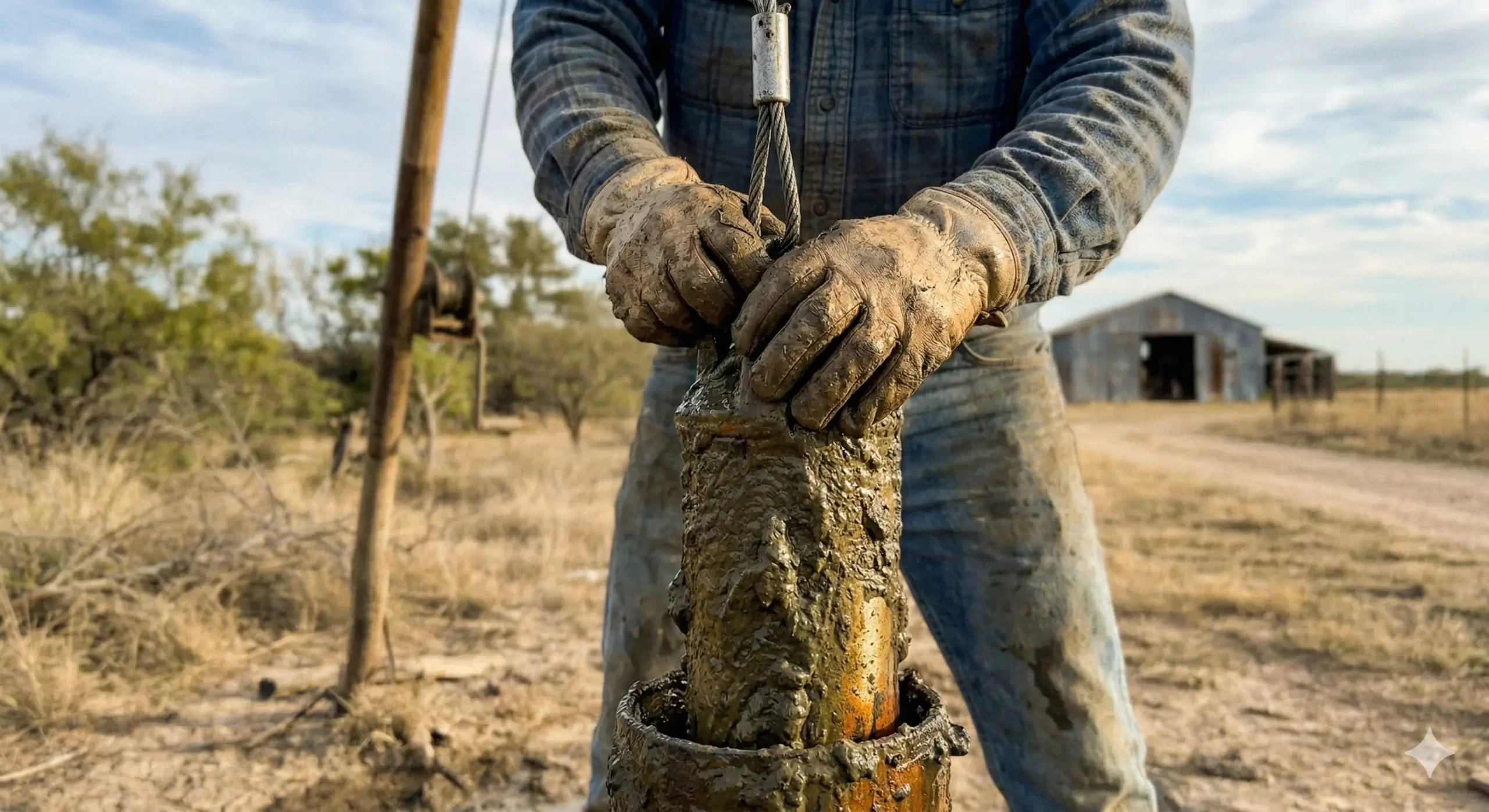
The selection of a replacement OWTS in clay soil is governed by engineering necessity and local health codes, not homeowner preference. The costs reflect the increased complexity and materials required to overcome the soil’s limitations. Navigating local soil conditions can be tricky. Consult our Miami Springs, FL septic pumping guide.
| System Type | Estimated Installation Cost (USD) | Annual Maintenance Cost (USD) | Suitability for Clay (Percolation > 60 MPI) |
|---|---|---|---|
| Conventional Gravel Trench | $8,000 – $15,000 | $250 – $400 (Pumping) | Unsuitable |
| Engineered Mound System | $25,000 – $50,000+ | $400 – $600 (Pumping, Pump Maintenance) | Highly Suitable |
| Aerobic Treatment Unit (ATU) with Drip Dispersal | $20,000 – $40,000 | $500 – $800 (Service Contract, Electricity, Pumping) | Highly Suitable |
| Evapotranspiration (ET) Bed | $18,000 – $35,000 | $250 – $400 (Pumping) | Suitable (Only in Arid/Hot Climates) |
Recognize the Inevitable Failure Progression
The timeline for the failure of a conventional septic system in clay soil is not a matter of ‘if,’ but ‘when.’ The progression is predictable.
- Year 1-3 (Initial Stage): System operates as designed. A thin biomat layer begins to form at the soil infiltration surface. No external symptoms are present. The hydraulic acceptance rate of the soil begins a slow, linear decline.
- Year 4-7 (Degradation Stage): Intermittent symptoms manifest. Drains may become sluggish after peak water use events (e.g., laundry day). The biomat has thickened, measurably reducing the drainfield’s percolation capacity. The soil may become spongy during wet seasons.
- Year 8-12 (Accelerated Failure Stage): Symptoms become persistent. Effluent ponding within the trenches is now perennial. A septic odor is noticeable after rainfall. The homeowner may need to pump the septic tank annually just to provide temporary relief. The biomat is now dense and largely anaerobic.
- Year 13+ (Terminal Failure Stage): The system is in a state of constant hydraulic refusal. Effluent surfaces in the yard, creating a biohazard. Sewage frequently backs up into the house. The drainfield is biologically dead and physically clogged. The system is in violation of public health codes and requires immediate, total replacement.
Examine Verified Client Testimonials
⭐⭐⭐⭐⭐
Reviewer: Dr. Michael Chen, P.E.
Location: Forsyth County, GA
“Our property is situated on dense Cecil clay. The original conventional system, installed in the 90s, was a textbook failure. After conducting our own soil analysis and reviewing multiple proposals, we selected this firm for an ATU with drip irrigation install. Their technical presentation was superior, detailing the nitrification-denitrification process and providing hydraulic calculations for the drip field zones. The installation was executed with engineering precision. System has performed flawlessly for 18 months with clear, odorless discharge and stable pressure readings.” Upgrading your system? Let our Mobile, AL installation experts walk you through the options.
⭐⭐⭐⭐⭐
Reviewer: Sarah Jenkins
Location: Medina, OH
“We were facing a compliance order from the health department due to a surfacing drainfield. The soil is heavy clay. Other companies gave vague answers. The expert from this team arrived and immediately performed a comprehensive diagnostic, including a sludge core sample and piezometer readings. He explained the physics of the biomat failure and why a mound system was the only code-compliant solution for our lot. The cost was significant, but the level of detail, from the ASTM C33 sand specification to the pump curve calculations, gave us complete confidence. The project was completed on schedule and passed inspection without issue.”
Address Common Technical Inquiries
Can I use a conventional septic system in clay soil?
Unequivocally, no. A conventional septic system, which relies on gravity-fed trenches for passive effluent dispersal, is functionally incompatible with clay soil. Health codes typically mandate a percolation rate faster than 60 minutes per inch (MPI) for such systems. Clay soils frequently test slower than 120 MPI. Installing a conventional system in such soil guarantees hydraulic failure, effluent surfacing, and public health violations.
What is an Aerobic Treatment Unit (ATU) and how does it function in clay?
An Aerobic Treatment Unit (ATU) is an advanced wastewater treatment system that actively aerates the effluent in a multi-chambered tank. This fosters the growth of aerobic bacteria, which are far more efficient at breaking down organic waste and pathogens than the anaerobic bacteria in a standard septic tank. The process reduces the Biochemical Oxygen Demand (BOD) and Total Suspended Solids (TSS) by over 98%. The resulting effluent is of such high quality that it can be legally and safely dispersed via methods that do not rely on soil percolation, such as pressure-dosed drip irrigation lines installed just 6-12 inches below the surface or, in some jurisdictions, spray irrigation.
Will septic additives or drainfield ‘shock’ treatments fix my clay soil problem?
No. These products are chemically ineffective and counterproductive. So-called ‘miracle’ additives often contain strong chemicals or enzymes that break up the protective sludge layer in the septic tank. This releases a surge of suspended solids into the drainfield, which rapidly clogs the soil pores and thickens the biomat, permanently destroying what little percolation capacity existed. Physical treatments like high-pressure water jetting (‘terra-lifting’) may provide very temporary relief but cannot reverse the fundamental incompatibility between the effluent and the clay soil. They are not a long-term solution.
What is a percolation test and why is it critical?
A percolation (‘perc’) test is a standardized field procedure used to quantify the hydraulic conductivity of soil. It measures the rate, in minutes per inch (MPI), at which water seeps into the soil in a test boring. This measurement is the single most critical data point in designing any on-site wastewater system. It dictates the type of system that can be legally installed and the required size of the soil absorption field. A slow perc rate (>60 MPI) is the definitive indicator of poor soil conditions like high clay content, necessitating an engineered alternative to a conventional system.
Is a mound system my only option for clay soil?
No, but it is a common and effective one. A mound system is essentially an engineered drainfield constructed above the natural topsoil using specific grades of sand fill (typically meeting ASTM C33 specifications). Effluent is pressure-dosed into the mound, where it treats before slowly percolating into the native soil. While effective, mounds are visually obtrusive and expensive. Advanced solutions like Aerobic Treatment Units (ATUs) paired with shallow drip irrigation or, where climate permits, lined evapotranspiration beds, are often superior alternatives that offer more flexibility in placement and a lower aesthetic impact.
Technically Reviewed By:
BlixBase Master Plumber Team
20+ Years Septic Industry Experience | Certified System Inspectors