
Listen to me. Right now, unseen, silent killers are invading your yard. Tree roots. They don’t care about your home, your family, or your finances. They are seeking water, and your septic system is an oasis. This isn’t a maybe. It’s a certainty. The only question is when the failure will happen. We need to act now. For a free consultation, simply reach out to our office serving Wills Point, TX.
Cost Breakdown: The Price of Prevention vs. Catastrophe
Stop thinking about this as an expense. It’s an insurance policy against a total system collapse. Homeowner’s insurance will not cover this. A new septic system in heavy clay soil can easily exceed $20,000. A root barrier is a fraction of that. Here’s the raw data. No fluff. We understand the specific environmental rules for your region. Learn more from our experts in Little Elm, TX.
| Service / Material | Average Professional Cost | Critical Notes |
|---|---|---|
| Initial Site Assessment & Camera Scope | $350 – $600 | Non-negotiable. We must map the root intrusion vectors. |
| Trenching (per linear foot) | $15 – $25 | Depth-dependent. Minimum 30-inch depth required. |
| HDPE Root Barrier (60-mil, per linear foot) | $8 – $12 | This is for professional-grade, ASTM D4833 certified material. |
| Professional Labor (100 linear feet) | $1,800 – $3,000 | Includes precise installation, sealing seams, and backfill. |
| Total Estimated Project (100 ft) | $3,500 – $6,500 | Compare to a $20,000+ system replacement. |

Troubleshooting: Early Warning Signs You’re Ignoring
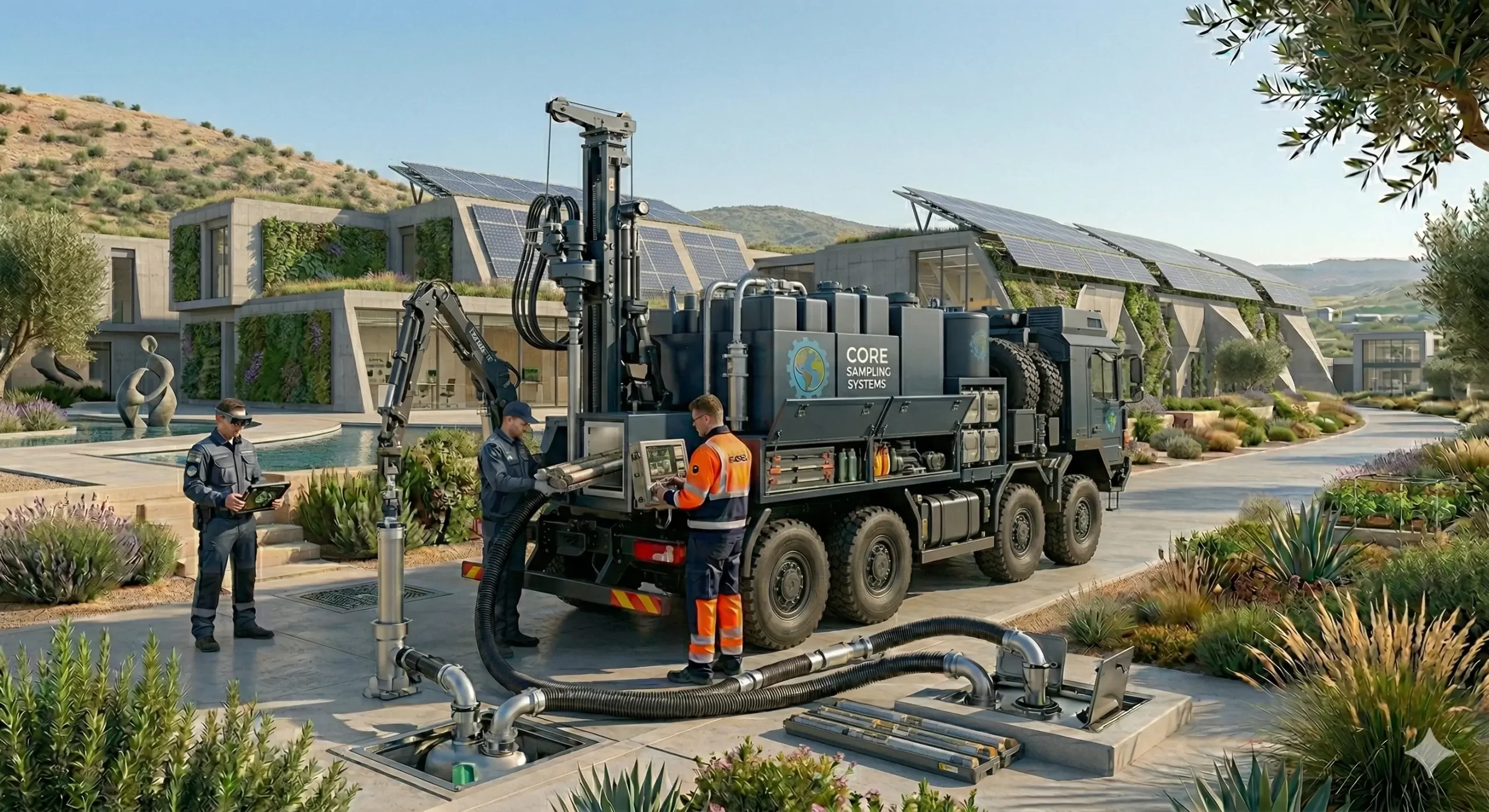
Your house is talking to you. You need to listen for the whispers before they become screams. These are not ‘normal house sounds’. These are symptoms of septic system distress caused by root intrusion. Keeping your system healthy is easier when you partner with top-rated Gainesville, TX septic technicians.
- Localized Slow Drains: It’s not the whole house, just the ground-floor toilet or the basement shower. This indicates a bottleneck in the main sewer line leading to the tank.
- Gurgling Fixtures: You flush a toilet upstairs and the downstairs shower drain gurgles. This is air being displaced by wastewater that can’t flow freely past a root mass.
- Lush Green Stripes: An unnaturally vibrant, green patch of grass directly over a drainfield line is a classic sign. Roots have breached a pipe and are feeding on the nutrient-rich effluent.
- Septic Odors After Rain: Heavy rain can saturate the soil, reducing the drainfield’s efficiency. If roots are already clogging the system, this extra pressure forces sewer gas back up into the house.
A Neighbor’s Nightmare: The Story of Jim
I want to tell you about a homeowner, we’ll call him Jim. Lived two streets over. Had a beautiful big Silver Maple in his front yard, about 40 feet from his septic tank. He noticed his basement toilet was flushing slow for months. Plunged it. Poured some big-box store chemicals down it. Ignored it. He thought it was just an ‘old house problem’.
One Saturday, hosting a family BBQ, it happened. The toilet didn’t just clog; it backed up. Then the shower drain. Within an hour, raw sewage was seeping up from the floor drain, ruining new laminate flooring, furniture, everything. The cost wasn’t just the emergency pump-out. It was the plumber, the hazmat cleaning crew, the flooring replacement. But that was just the start. My camera inspection revealed the main line to his tank was completely crushed by a root ball the size of a microwave. The maple tree had destroyed it. The drainfield lines were also compromised. He didn’t need a repair. He needed a full system replacement. Total cost? Over $22,000. All because he ignored a slow toilet. His ‘old house problem’ cost him a new car. Don’t be Jim.
Timeline of Failure: How Fast It Happens ⏱️
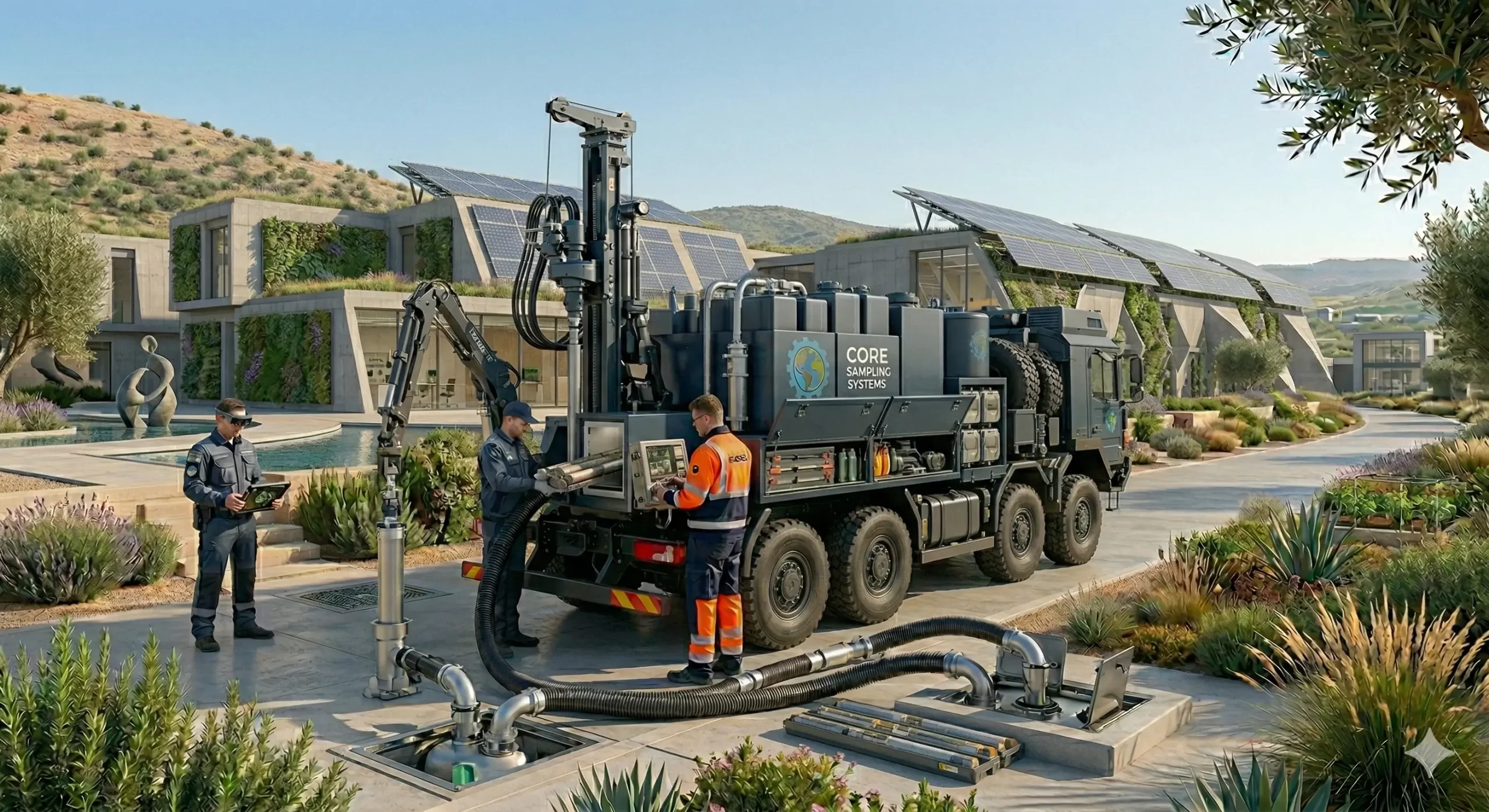
This isn’t an overnight disaster. It’s a slow, methodical execution of your septic system. Here’s the typical progression if you do nothing. Whether it’s a minor repair or a major overhaul, our Enterprise, AL plumbing and septic crew has you covered.
- Year 1-2: Initial Contact. Hairline roots, thinner than a human hair, touch the pipe joints or microscopic cracks. They are searching for vapor. No symptoms are present yet. The enemy has breached the perimeter, undetected.
- Year 3-4: Intrusion & Growth. The roots are inside. They feast on the effluent and grow rapidly, forming a net-like web. You might notice slightly slower drains after heavy water use (laundry day). You dismiss it.
- Year 5-6: Significant Blockage. The root mass is now thick, trapping solids and toilet paper. Gurgling sounds are common. You need to call a plumber to ‘snake the drain’ once or twice a year. You’re treating the symptom, not the disease.
- Year 7+: Catastrophic Failure. The pipe is now more root than pipe. It may be cracked, crushed, or completely blocked. Frequent, nasty backups occur. The drainfield is saturated and fails. The only solution is excavation and replacement. Game over.
Technical Deep Dive: Barrier Materials & Methods
Not all root barriers are created equal. Using the wrong material is like putting a screen door on a submarine. We exclusively use materials that meet specific ASTM International standards for puncture resistance and tensile strength. Looking for a reliable local contractor? Explore our septic solutions for Pasadena, TX.
- High-Density Polyethylene (HDPE): This is the industry standard. We use a minimum thickness of 60-mil (0.06 inches). For aggressive root systems like Willows or Poplars, we upgrade to 80-mil or even 100-mil. The material is installed in a trench at least 10 feet away from the septic tank and drainfield to create a protective perimeter. The trench must be deeper than the septic lines, typically 30-36 inches for conventional systems.
- Chemical Barriers (Trifluralin): For sensitive areas or where trenching is difficult, we use geotextile fabric impregnated with Trifluralin (e.g., BioBarrier®). This herbicide creates a ‘halo’ effect in the soil, preventing root tip cell division without killing the tree. The nodules on the fabric must face the roots for it to be effective. This is a critical installation detail many DIYers get wrong.
- Installation Integrity: Seams are the weak point. All HDPE barrier seams must be overlapped by at least 12 inches and sealed with a continuous bead of butyl sealant tape. A vertical seam should never be placed at a corner. This is a non-negotiable installation protocol.
Hear From Your Neighbors
⭐⭐⭐⭐⭐ – Sarah M., Raleigh, NC
“After our neighbors had a full-blown septic disaster, we panicked. Called these experts. They were out the next day. No sales pitch, just a camera inspection that showed the start of a root problem from our oak tree. They installed an 80-mil barrier in one day. The peace of mind is priceless. Professional, fast, and they cleaned up everything.”
⭐⭐⭐⭐⭐ – David Chen, Charlotte, NC
“I had two different companies give me insane quotes for a ‘potential’ problem. This team showed me the camera footage, explained the science behind the HDPE barrier vs. the chemical options, and gave me a fair, itemized price. The crew was meticulous about the trench depth and protecting my lawn. This is the only company I’ll trust with my system.”
Post-Installation Maintenance: Protect Your Investment
The barrier is in. The immediate threat is gone. But you must remain vigilant. Your system is a living thing.
- Biennial Camera Inspections: Every two years, have us run a camera down the main line from the house to the tank. This allows us to verify the barrier’s integrity and catch any unforeseen issues. Cost is minimal, value is immense.
- Mind Your Landscaping: Never plant another tree or large shrub within 20 feet of any septic component, even with a barrier in place. Consult a septic-safe planting guide for your specific region (e.g., North Carolina’s clay soil).
- Water Management: Ensure gutters and downspouts discharge water away from your drainfield. Excess surface water can attract shallow root growth over the barrier.
Frequently Asked Questions (Expert Answers)
Can the root barrier itself damage my septic pipes during installation?
This is a critical concern and why professional installation is mandatory. We use hydro-excavation or careful hand-digging when near existing lines. A rented trencher can easily catch and rip out a PVC or clay tile pipe. We also verify the exact location and depth of all components with transmitters and cameras *before* any heavy equipment is used. The risk of damage from a professional install is less than 1%, whereas the risk from DIY is over 50%.
What’s the real lifespan of a professionally installed HDPE root barrier?
The material itself, the 60 or 80-mil HDPE, is inert and has a lifespan of over 100 years when buried. It doesn’t biodegrade. The lifespan of the *installation* depends entirely on the quality of the work, specifically the seams. Properly sealed seams using butyl tape will last for decades. This is not a temporary fix; it’s a permanent infrastructure upgrade for your property.
Will a root barrier harm my mature trees?
A physical HDPE barrier simply redirects root growth. When installed correctly at a safe distance from the trunk (typically outside the tree’s drip line), it does not harm the tree. We are cutting only a very small percentage of the tree’s total root system. A chemical barrier like BioBarrier is also safe, as it only stops root tip growth in a very localized area and is not absorbed by the tree systemically. The goal is coexistence, not destruction.
The choice is simple and it is yours. A few thousand dollars for a permanent solution now, or a five-figure catastrophe later. The roots are growing as you read this. Call us. Let’s get your home secured.
Technically Reviewed By:
BlixBase Master Plumber Team
20+ Years Septic Industry Experience | Certified System Inspectors