

Real-Life Case Study: The Henderson Catastrophe in Wake County, NC
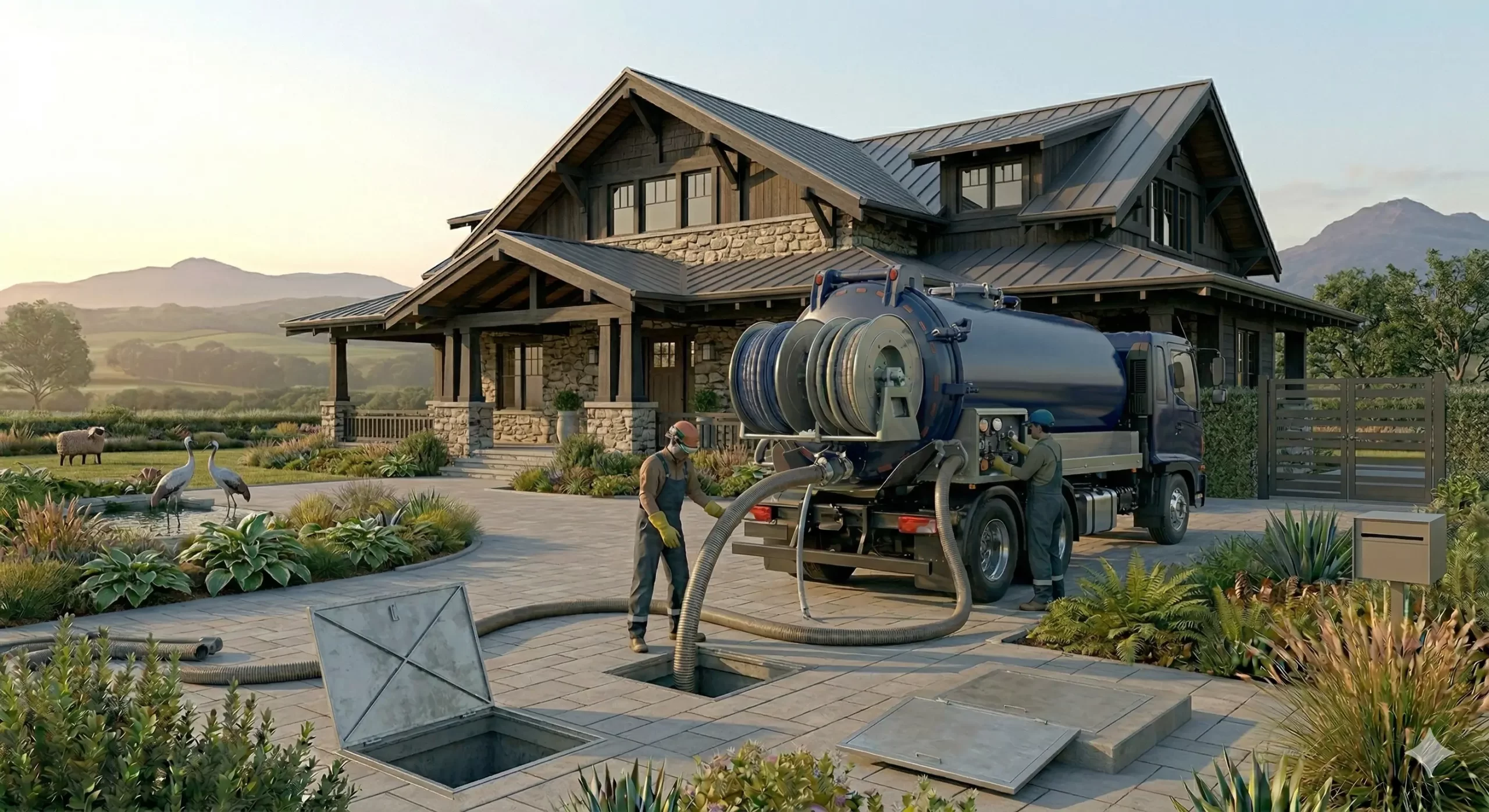
Permit me to present a case study, a factual recounting of a system failure I personally consulted on post-mortem. The Henderson family, located in an unincorporated area of Wake County, North Carolina, constructed a 600 sq. ft. Accessory Dwelling Unit (ADU) for an aging parent. Their existing system was a standard 1,000-gallon concrete tank servicing a 3-bedroom primary residence, installed in 1998 in the region’s characteristic red clay soil. A local “handyman”—lacking any licensure or engineering background—advised them they could simply install a secondary junction box and run a 4-inch Schedule 40 PVC line from the ADU to the main sewer line leading to the tank. The cost was minimal; the consequences were not.
Within 18 months, the first symptoms manifested: slow drains in the main house’s lowest bathroom. By 24 months, sewage was backing up into the ADU’s shower stall during laundry cycles in the main house. The homeowner’s initial, fallacious diagnosis was a simple clog. After hundreds of dollars spent on plumbing augers and caustic (and system-destroying) chemical drain cleaners, the reality emerged. The drain field, a conventional gravel trench system, was hydraulically overloaded. The increased daily flow—from an average of 225 gallons per day (GPD) to nearly 350 GPD—had saturated the soil, destroyed the biomat’s delicate aerobic/anaerobic balance, and created a permanent state of wastewater ponding. Effluent with high levels of Biochemical Oxygen Demand (BOD) and Total Suspended Solids (TSS) was surfacing, creating a foul-smelling, pathogenic hazard in their backyard. The Wake County Department of Environmental Health intervened, condemning the system and mandating a complete, non-negotiable replacement. The final cost was over $28,000 for a new advanced treatment unit and drip dispersal field, nearly four times the cost of a proper initial expansion assessment. Facing a drain field failure? Our team in Cocoa, FL is ready to diagnose the problem.
Troubleshooting an Overloaded Combined System ️
Identifying the failure of a septic system post-ADU connection is a matter of observing quantifiable, physical phenomena. These are not ambiguous signs; they are the direct results of exceeding the system’s design capacity. Early detection is critical, though often, by the time symptoms are apparent to the homeowner, significant damage to the drain field has already occurred. To get a customized pumping schedule, feel free to speak with our local representatives in Burnet, TX.
- Hydraulic Overload Indicators: The most common failure mode. Listen for gurgling sounds from drains and toilets, particularly after a high-volume discharge (e.g., draining a bathtub, washing machine cycle). This sound is caused by displaced air in the plumbing vents as the system struggles to accept more effluent. Toilets may require multiple flushes to clear, and drains in the lowest level of the property will be the first to exhibit slow drainage or backups.
- Biomat Clogging & Effluent Surfacing: A healthy drain field relies on a ‘biomat’—a layer of anaerobic microorganisms that digests pathogens. When overloaded with excessive TSS and BOD from an ADU, this mat grows too thick, becomes impermeable, and clogs the soil pores. The primary indicator is persistently damp or spongy soil over the drain field area. You may observe abnormally lush, green grass in strips corresponding to the leach lines. In advanced failure, you will see and smell greywater or blackwater surfacing on the ground. This is a severe biohazard.
- Septic Tank Odors: Strong sewer gas odors near the septic tank or even wafting back into the home through dry P-traps are indicative of a system in distress. This suggests the tank’s anaerobic digestion process is failing, potentially due to the introduction of improper chemicals or simply being overwhelmed by the increased organic load from the ADU.
Progression of System Failure Timeline
The degradation of a septic system due to an improperly connected ADU is not instantaneous. It is a predictable, cascading failure. This timeline illustrates the typical progression from a stable system to a public health hazard.
| Phase & Timeframe | Observable Symptoms & Technical Cause |
|---|---|
| Phase 1: The Honeymoon (Year 0-1) | System appears to function normally. The existing tank and soil have some buffer capacity. The hydraulic load has increased from ~225 GPD to ~350 GPD, but the soil absorption system has not yet reached saturation point. No visible signs of failure. |
| Phase 2: Intermittent Issues (Year 1-3) | Occasional slow drains, particularly after peak usage (e.g., holidays, multiple laundry loads). This is the first indication that the drain field is struggling to percolate effluent during high-flow events. The biomat is beginning to thicken beyond its design parameters. |
| Phase 3: Chronic Failure (Year 3-4) | Frequent backups requiring plunging or professional snaking. Noticeable septic odors outdoors after rain. Patches of unusually green or soggy turf appear over the leach field. The system is now in a constant state of hydraulic stress. Irreversible damage to the soil’s percolation capacity is actively occurring. |
| Phase 4: Catastrophic Failure (Year 5+) | Raw sewage backs up into one or both dwellings. Effluent is actively pooling on the ground surface above the drain field, creating a Class I health hazard. The local health department will issue a notice of violation, potentially condemning the property until a new, fully permitted system is installed at extreme expense. |
System Maintenance Protocols Under Increased Load ⚙️
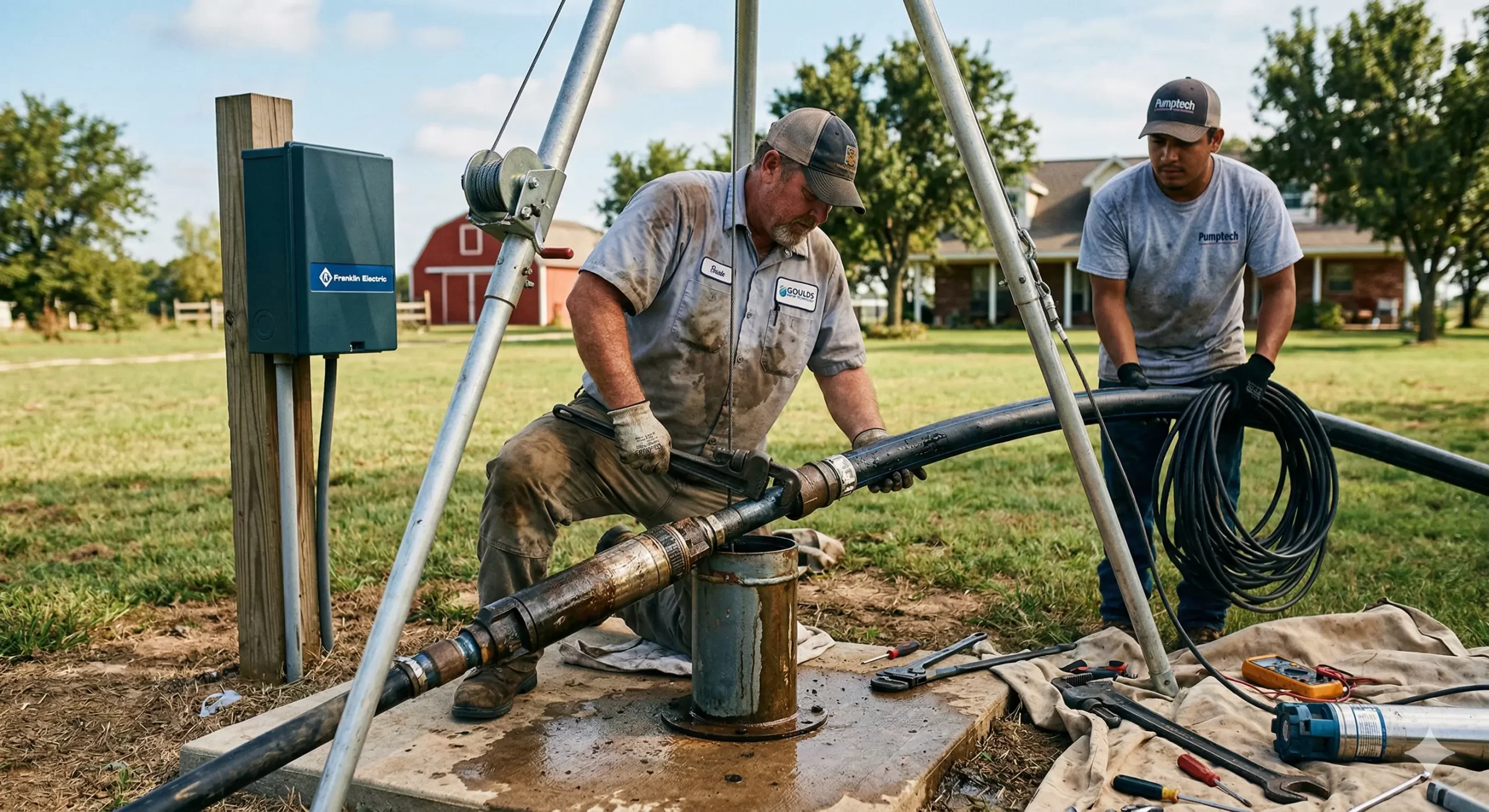
The premise that septic maintenance remains unchanged after adding an ADU is fundamentally flawed. You have altered the design parameters of the system; therefore, the maintenance protocol must be recalibrated to compensate for the increased biological and hydraulic loading. Failure to do so accelerates the timeline to failure.
First, pumping frequency must be increased. A standard 3-5 year pumping interval for a 3-bedroom home is based on typical solids accumulation. Adding a 1 or 2-bedroom ADU can increase this accumulation rate by 33-66%. The pumping interval must be reduced, often to every 18-24 months. An effluent filter, installed on the outlet baffle of the septic tank, becomes non-negotiable. This device, which costs a few hundred dollars, prevents larger suspended solids from reaching the drain field and is your single best defense against premature clogging. This filter must be cleaned every 6-12 months. Discover why so many neighbors recommend our septic tank services in Selma, AL.
Cost Analysis: The Fallacy of the “Cheap Connection”
The decision-making process for handling ADU wastewater is often driven by a profoundly misguided attempt to minimize upfront cost, which paradoxically maximizes long-term financial liability. Let us analyze the capital outlays for correct versus incorrect methodologies. For homeowners nearby, we highly recommend calling our Boynton Beach, FL wastewater professionals.
How does one quantify the financial risk of ignoring established engineering principles? The initial ‘cost’ of an illegal, unpermitted connection might be $500-$1,500 for a plumber to dig a trench and splice a pipe. This is not a savings; it is a high-interest loan with a balloon payment in the form of a full system replacement. A proper, engineered approach has defined, albeit higher, initial costs. Looking for a reliable local contractor? Explore our septic solutions for Ormond Beach, FL.
| Service / Component | Option A: Upgrade Existing System (If Feasible) | Option B: New, Separate ADU System | Option C: The “Handyman Special” (Illegal) |
|---|---|---|---|
| Permitting & Health Dept. Fees | $400 – $1,000 | $500 – $1,200 | $0 |
| Soil Scientist / Engineer (Perc Test & Design) | $800 – $2,500 | $1,000 – $3,000 | $0 |
| Tank & Drain Field Expansion/Installation | $5,000 – $12,000+ | $10,000 – $20,000+ | $500 – $1,500 (for pipe) |
| Total Initial Cost | $6,200 – $15,500 | $11,500 – $24,200 | $500 – $1,500 |
| Likely 5-Year Catastrophic Failure Cost | $0 (If maintained) | $0 (If maintained) | $15,000 – $30,000+ (Full replacement of BOTH systems) |
Field-Verified Client Testimonials
⭐⭐⭐⭐⭐ M. Rodriguez, Chatham County, NC
“We were quoted by three other companies to connect our new guest house. All of them suggested a simple tie-in. This was the only firm that insisted on a soil analysis and a full hydraulic load calculation. They demonstrated with clear data that our existing drain field would fail within three years. They engineered a minor, fully permitted expansion of our existing field that cost a fraction of what a full replacement would have been down the road. This is what true engineering expertise looks like. No shortcuts, just data-driven solutions.”
⭐⭐⭐⭐⭐ David Chen, Asheville, NC
“Our property has a significant slope and difficult clay soil. We were told by another installer that a septic for our ADU was impossible. The team here performed a thorough site evaluation and designed a low-pressure pipe (LPP) system that worked perfectly with our topography. The level of detail in the planning documents and the transparency throughout the installation process was unparalleled. They handled all the complex permitting with Buncombe County. Worth every penny for the peace of mind.”
Frequently Asked Questions (FAQ) ❓
Can I just install a bigger septic tank for the ADU?
This is a common and dangerous misconception. The septic tank is merely a solids-settling chamber. While it must be sized correctly for the total bedroom count (e.g., a 4-bedroom equivalent home requires at least a 1,200-gallon tank), the true limiting factor of any septic system is the drain field and the soil’s ability to absorb water (its percolation rate). A larger tank does not increase the drain field’s capacity. Installing an oversized tank while ignoring the drain field is analogous to putting a larger gas tank in a car with a blown engine; it holds more fuel but does not solve the fundamental problem. The system will still fail hydraulically.
What is a percolation test and is it absolutely required?
A percolation test is a non-negotiable, scientific procedure to measure the rate at which water disseminates through a specific soil profile. It is performed by a licensed soil scientist or engineer. Holes are bored to the proposed depth of the drain field trenches, filled with water, and the rate of absorption is measured in minutes per inch (MPI). This MPI value is a critical input for calculating the required square footage of the drain field. Local health codes mandate specific absorption areas based on perc rates and bedroom counts. Attempting to design or expand a system without a current perc test is not only illegal, it is a complete guess that guarantees failure.
Do I legally need a separate septic system for my ADU?
Not necessarily, but this is dictated entirely by state and local health codes, your property’s physical constraints, and the capacity of the existing system. In many jurisdictions, if the primary system can be expanded in a code-compliant manner to handle the additional load (i.e., there is sufficient space for drain field expansion and the soil is suitable), it is permissible to have one system serve both dwellings. However, if the existing system is old, marginal, or there is no room for expansion (due to setbacks from wells, property lines, etc.), a separate, independent system for the ADU will be the only legal and functional option. The final determination can only be made after a professional site evaluation and review of local regulations.
Technically Reviewed By:
BlixBase Master Plumber Team
20+ Years Septic Industry Experience | Certified System Inspectors