

Think of Your Septic System as Your Home’s Digestive System

Howdy, neighbor. Let’s have a little chat about one of the most important, yet least glamorous, parts of your home: the septic system. Think of it like your home’s digestive system. What you flush down the drain (the ‘food’) goes into the septic tank (the ‘stomach’), where solids settle and bacteria get to work. The liquid effluent then flows out to the drain field (the ‘intestines’), where it’s slowly filtered by the soil. If any part of this system is out of whack or, more importantly, in the wrong place, you’ve got a real bellyache on your hands—one that can sicken your property and drain your wallet.
People always ask me, ‘How close can my septic tank be to my house?’ They’re usually thinking about landscaping or where to put a new deck. But this isn’t a suggestion, folks. It’s a hard-and-fast rule dictated by the Michigan Public Health Code and your local health department. Getting it wrong isn’t just a minor oopsie; it’s a public health hazard and a legal nightmare. So, let’s roll up our sleeves and dig into the nitty-gritty of septic setbacks in the Great Lakes State.
The Official Rulebook: Michigan’s Minimum Setback Distances
Alright, class is in session. When it comes to septic system placement, there’s no room for ‘close enough.’ Your local health department inspector will have a tape measure, a copy of the state code, and very little patience for guesswork. These distances are designed to protect your drinking water, your foundation, your neighbor’s property, and the beautiful Michigan environment. Here are the non-negotiable minimums you need to burn into your memory. Keep in mind, your local county might have even stricter requirements!
| System Component | Minimum Distance From… | Required Distance (in Feet) |
|---|---|---|
| Septic Tank | Building / House Foundation | 10 feet |
| Septic Tank | Private Drinking Water Well | 50 feet |
| Septic Tank | Property Line | 10 feet |
| Drain Field (Leach Field) | Building / House Foundation | 20 feet |
| Drain Field (Leach Field) | Private Drinking Water Well | 50 feet |
| Drain Field (Leach Field) | Property Line | 10 feet |
| Any Part of the System | Lake, Stream, or other Surface Water | 50 feet (can be more) |
Why so specific? The 10 feet from the house is to protect your foundation from potential leaks and to allow access for heavy equipment during installation or service. The 50 feet from a well is the absolute most critical number on this chart—it’s to prevent your own sewage from contaminating the water you drink. That’s a one-way ticket to serious illness. And the distance from surface water? That’s to protect Michigan’s pristine lakes and rivers from nutrient pollution that causes algae blooms. See? It’s all connected.
A Cautionary Tale: The Case of the Cottage on the Lake
Real-Life Case Study (Names Changed, Pain is Real)
Let me tell you about a fellow we’ll call Gary. Gary bought a charming little cottage up near Traverse City. The previous owner had ‘creatively’ installed a new septic system himself to save a few bucks. He squeezed the drain field between the cottage and a steep drop-off to the lake, well within the 50-foot setback for surface water and only about 5 feet from the foundation. For the first year, everything seemed fine. If you reside in the area, you can learn more about our septic services in Belton, TX.
Then, the trouble started. A chronically soggy patch of lawn appeared near the house. Then, a faint, unpleasant odor on humid summer days. The final straw was when his downhill neighbor’s well water test came back with high levels of coliform bacteria. The health department was called, and the inspector took one look at the setup and immediately red-tagged it. The system was illegally placed and had been leaking partially treated effluent directly toward the lake and the neighbor’s well. You can find more detailed pricing and local regulations on our dedicated Troy, AL location page.
The consequences for Gary were financially brutal. He was fined by the county. He had to pay for a new, complex, and very expensive engineered septic system (a mound system, because the lot had so little usable space). He also had to pay to drill his neighbor a new, deeper well. The ‘money-saving’ illegal installation by the previous owner cost Gary over $40,000 to fix. He learned the hard way that septic codes aren’t suggestions; they are iron-clad rules with expensive consequences. Navigating local soil conditions can be tricky. Consult our Seminole, TX septic pumping guide.
The High Cost of Cutting Corners: A Breakdown
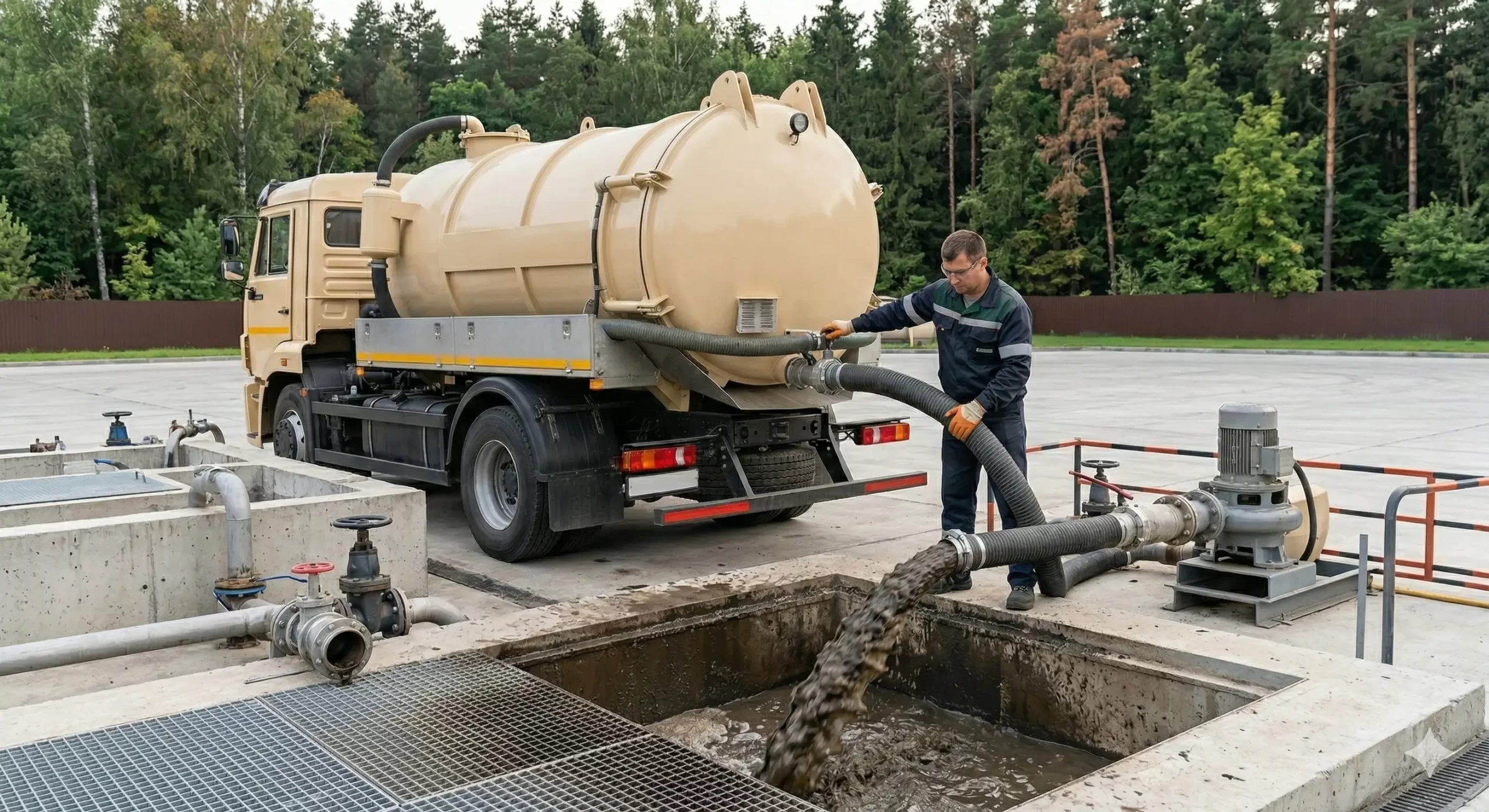
People think hiring a certified professional and getting the right permits is expensive. Let me show you what’s *really* expensive. Here’s a look at the potential financial fallout from a non-compliant septic system installed too close to your house, well, or property line.
- Fines from the Health Department: These can range from several hundred to thousands of dollars, and they often increase daily until the problem is fixed.
- Complete System Replacement: You don’t just get to move the tank. A failed or improperly placed system almost always requires a full tear-out and replacement. In Michigan, a conventional system can cost $8,000 – $15,000. If your lot constraints require an engineered or mound system, you could be looking at $20,000 – $45,000 or more.
- Remediation Costs: If your failing system has contaminated soil or groundwater, you are responsible for the cleanup. This can involve excavating and replacing large amounts of soil, which is incredibly costly.
- Civil Lawsuits: Did your failing system contaminate your neighbor’s well or property? Get ready for a lawsuit. Legal fees and potential settlements can easily reach tens of thousands of dollars.
- Diminished Property Value: A property with a known, non-compliant septic system is nearly impossible to sell. You’ll have to fix it before any bank will underwrite a mortgage for a potential buyer. This is a massive red flag during any home inspection.
- Emergency Pumping Fees: While you’re waiting for a fix, you’ll be paying for frequent emergency pump-outs of your tank to prevent backups into your home, at $300-$500 a pop.
Suddenly, paying a licensed installer to do it right the first time seems like the bargain of the century, doesn’t it?
Troubleshooting 101: Signs Your System is Too Close or Failing
Sometimes, a system was installed decades ago before modern codes were strictly enforced. Other times, it’s just plain failing. If your septic tank or drain field is too close to your house, you’re on the lookout for specific problems. Here’s your checklist:
- Dampness or Water in the Basement/Crawlspace: If the system is too close, oversaturated soil can put hydrostatic pressure on your foundation. This can lead to cracks, leaks, and a chronically damp, moldy basement. This is especially true in Michigan’s clay-heavy soils that don’t let water percolate away easily.
- Foul Odors Near the Foundation: You should never smell your septic system. If you get whiffs of sewage or a ‘rotten egg’ smell, especially after rain, it’s a massive red flag that effluent is surfacing where it shouldn’t be.
- Foundation Cracks or Settling: A slow leak from a nearby tank can erode the soil supporting your foundation over years, leading to settling and structural damage. This is a slow-motion disaster.
- Lush, Green Patches of Grass: Is there one rectangular patch of grass over your tank or drain field that looks suspiciously like a golf course green, even in a dry spell? You might think it’s great, but it’s a classic sign that untreated, nutrient-rich effluent is leaking too close to the surface.
- Slow Drains & Gurgling Toilets: While this can have many causes, it can also be the first sign that your drain field is saturated and failing to accept more liquid, causing a system-wide backup.
If you notice any of these signs, don’t wait and hope it gets better. Call a certified septic professional immediately. Ignoring it is like ignoring the ‘check engine’ light on your car; the problem is only going to get worse and more expensive.
Progression of a Non-Compliant System Failure: A Timeline
A poorly placed septic system doesn’t usually fail overnight. It’s a slow, creeping sickness. Here’s what the timeline of decay often looks like:
- Year 1-2 (The Honeymoon Phase): Everything seems to work perfectly. The ground is firm, the drains are fast. The homeowner is blissfully unaware of the ticking time bomb underground. The soil’s initial capacity masks the design flaw.
- Year 3-5 (The First Warning Signs): The homeowner might notice some occasional slow drains, or that the grass over the drain field is a bit too green. After a heavy Michigan spring rain, they might smell a faint odor outdoors. These are the first whispers of trouble.
- Year 6-8 (The Problem Becomes Obvious): The soggy spots in the yard are now permanent. Sewage odors are common. Toilets gurgle menacingly. The homeowner has to call for a pump-out, and the technician informs them the tank is full of water that has nowhere to go—the drain field is saturated and failing.
- Year 9+ (Catastrophic Failure): The system is in full-blown failure. Sewage may be backing up into the showers and tubs inside the house. Black, foul-smelling liquid is pooling on the lawn surface, creating a biohazard. The health department issues a notice of violation, and the homeowner is now facing an emergency replacement that will cost tens of thousands of dollars.
Preventative Maintenance: How to Keep Your System (and the Inspector) Happy
A properly placed system is the first step, but ongoing maintenance is what ensures its longevity. Think of it as regular oil changes for your car’s engine. Ignore it, and you’ll end up with a seized engine. Here’s the simple stuff that makes a huge difference:
- Regular Pumping: Get your septic tank pumped by a professional every 3 to 5 years. This removes the solid sludge that builds up and prevents it from flowing out and clogging your drain field, which is the ‘death sentence’ for a septic system.
- Watch Your Water Usage: A septic system can only handle so much water at once. Fix leaky toilets, install efficient fixtures, and spread out laundry loads over the week. Don’t overload the system.
- Only Flush the 3 P’s: The only things that should go down your toilet are Pee, Poo, and (toilet) Paper. Anything else—wipes (even ‘flushable’ ones), feminine hygiene products, dental floss, grease, coffee grounds—belongs in the trash. They clog the system and kill the good bacteria.
- Protect Your Drain Field: This is sacred ground! Never drive or park on it. Don’t build anything over it (no sheds, decks, or pools). Don’t plant trees with aggressive root systems nearby. The drain field needs to breathe and have loose soil to function.
What Our Neighbors Are Saying
Sarah K. – Grand Rapids, MI
⭐⭐⭐⭐⭐
“When we were buying our new home, the septic inspection felt overwhelming. These guys explained the local codes and setback requirements in plain English. They identified that the tank was too close to the well and helped us negotiate the replacement with the sellers. Honest, professional, and saved us from a massive headache!”
Mike T. – Marquette, MI
⭐⭐⭐⭐⭐
“My system failed right before a big family gathering. I was in a panic. They came out, diagnosed the problem (a clogged drain field due to its age and proximity to some maple trees), and walked me through the entire permitting and replacement process. They understand the unique challenges of the U.P. soil and got it done right. True lifesavers.” Need immediate assistance? Find trusted septic tank pumping in Pembroke Park, FL right away.
Frequently Asked Questions (The Inspector’s Edition)
Can I get a variance if I can’t meet the septic setback distances?
In very rare and specific circumstances, you might be able to obtain a variance from your local health department. This is not easy and is never guaranteed. You would need to prove that meeting the code is impossible due to lot size or shape, and you would likely be required to install a more advanced (and much more expensive) alternative treatment system that provides a higher level of wastewater treatment before it reaches the drain field. Don’t count on getting a variance; plan your project to meet the code from the start.
My septic system was installed 40 years ago and doesn’t meet current codes. Am I in trouble?
Generally, existing systems are ‘grandfathered’ in, meaning you don’t have to proactively move a functioning system just because the code changed. However, this protection disappears the moment the system fails or when you plan a major renovation, addition, or try to sell the property. At that point, a ‘time of sale’ or ‘point of sale’ inspection is often required, and the non-compliant system must be brought up to current code, which usually means a full replacement at the seller’s expense.
What is the role of the EPA in local septic regulations?
The U.S. Environmental Protection Agency (EPA) sets national guidelines for wastewater treatment under the Clean Water Act to protect national waterways. However, they generally delegate the authority for regulating and permitting individual on-site septic systems to state and local authorities. In Michigan, this is primarily handled by the Department of Environment, Great Lakes, and Energy (EGLE) and the local county health departments. So, while the EPA sets the overarching goals, your local inspector is the one enforcing the specific rules on your property.
How deep does a septic tank need to be buried in Michigan?
The depth is critical, especially with our cold Michigan winters. There isn’t a single required depth, but the pipes leading to and from the tank must be buried below the frost line to prevent freezing. The frost line can be 42 inches or deeper in many parts of the state. The top of the tank itself is usually buried between 6 inches and 4 feet deep. Too shallow and it can freeze; too deep and it can be crushed by the weight of the soil or become impossible to access for pumping. A certified installer will calculate the correct depth based on your specific site, soil, and local frost line requirements.
Final Thoughts: Measure Twice, Dig Once
Look, I know this is a lot to take in. Codes, setbacks, soil tests, inspections… it’s complicated stuff. But it’s complicated for a very good reason: to protect the health of your family, your finances, and the beautiful Michigan environment we all love. That ‘digestive system’ of your home needs to be in the right place and in good working order to keep your whole property healthy. For homeowners nearby, we highly recommend calling our Sachse, TX wastewater professionals.
Don’t take chances. Don’t eyeball it. And please, don’t hire your buddy with a backhoe who promises to do it cheap. When it comes to your septic system, doing it by the book isn’t just the best way—it’s the only way. If you have any doubts, call a licensed professional and your local health department. A little bit of due diligence on the front end will save you from a world of hurt down the road.
Technically Reviewed By:
BlixBase Master Plumber Team
20+ Years Septic Industry Experience | Certified System Inspectors