

Stop Guessing and Start Acting NOW!
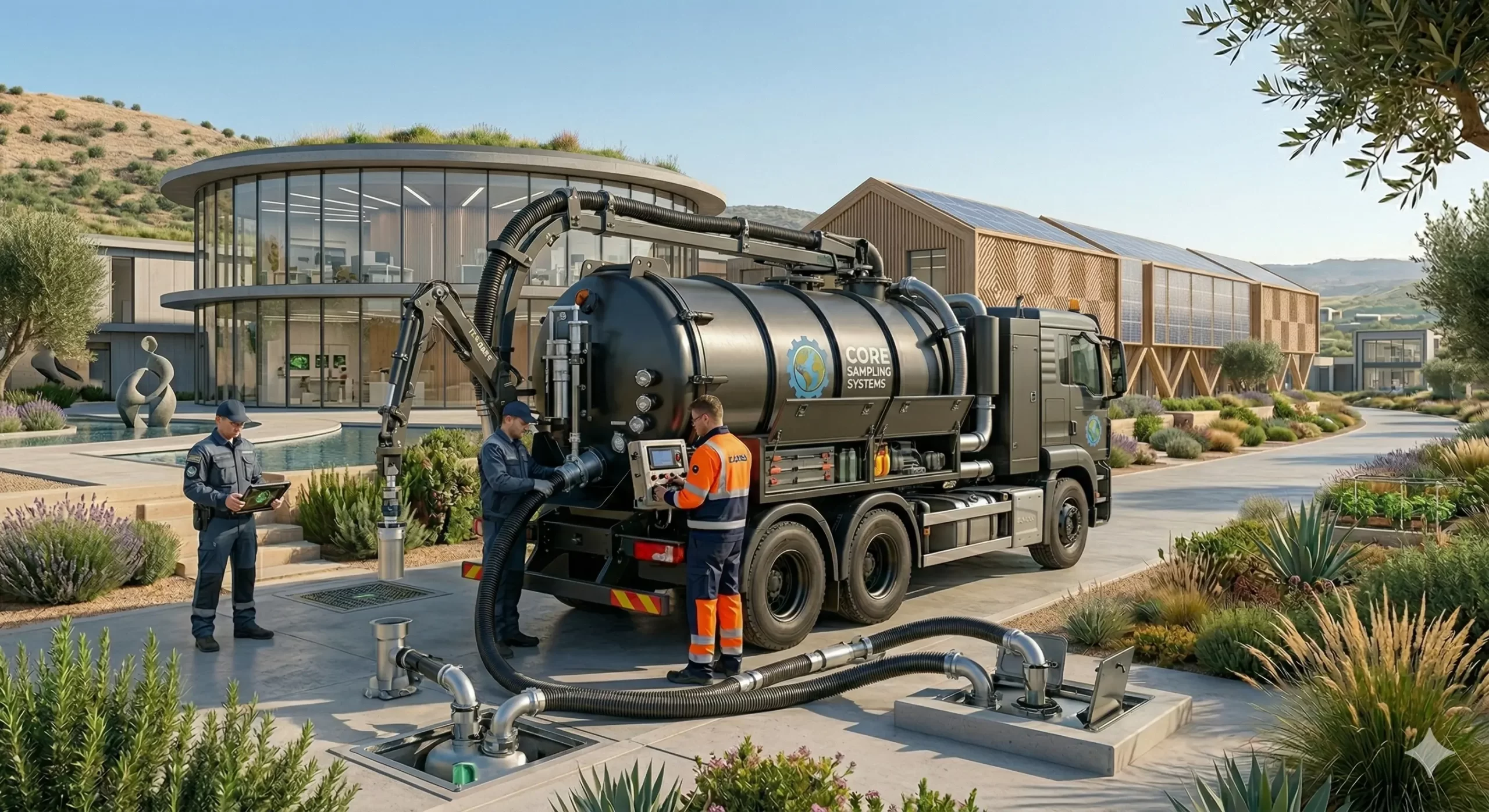
Listen to me. If you’re reading this, you’re worried. Your house smells weird. The yard is… soggy. Or maybe you’re buying a home and the septic inspection report looks like a foreign language. Breathe. We’re going to get through this. But you need to understand: the distance between your septic tank and your house isn’t just a number on a permit. It’s a critical safety barrier protecting your home, your health, and your wallet.
In Washington, we have unique challenges. Our heavy winter rains saturate the ground. Our famous glacial till soil can be as dense as concrete. This isn’t Arizona. Water doesn’t just disappear here. It moves, and if your system is too close, it moves right back towards your foundation. This is an emergency in the making. Let’s defuse it. ️
Understand the Financial Damage Immediately
Ignoring septic distance codes isn’t a shortcut; it’s a direct path to financial ruin. Let’s be brutally honest about the costs. This isn’t about a simple plumbing fix. This is major system failure.
A leaking or improperly placed system can saturate the soil around your foundation. What does that mean? Hydrostatic pressure. Water pushes against your concrete, causing cracks, leaks, and basement flooding. The cost to repair a compromised foundation? You’re looking at $10,000 to $25,000 or more, and that’s before we even touch the septic system itself.
Here’s a breakdown of what it costs to relocate a septic tank that’s too close:
- Permitting & Design: $1,500 – $3,000. You need a new plan approved by the local health department. No skipping this.
- Decommissioning the Old Tank: $800 – $2,000. It must be pumped empty and then either removed or filled with gravel or concrete.
- Excavation: $1,000 – $4,000. This depends heavily on access and soil type. That dense Washington glacial till costs more to dig through.
- New Septic Tank (1000-1250 gal): $1,200 – $2,500 for the tank itself.
- Installation & Plumbing: $2,000 – $5,000. Connecting to the house, ensuring proper slope, and setting the tank.
- Landscaping & Restoration: $1,000 – $3,000+. Your yard will be a mess. This is the cost to make it look like a home again.
Total Emergency Relocation Cost: $7,500 – $19,500+. The question isn’t whether you can afford to follow the rules; it’s whether you can afford not to.
Learn From a Seattle Homeowner’s Nightmare: A Case Study
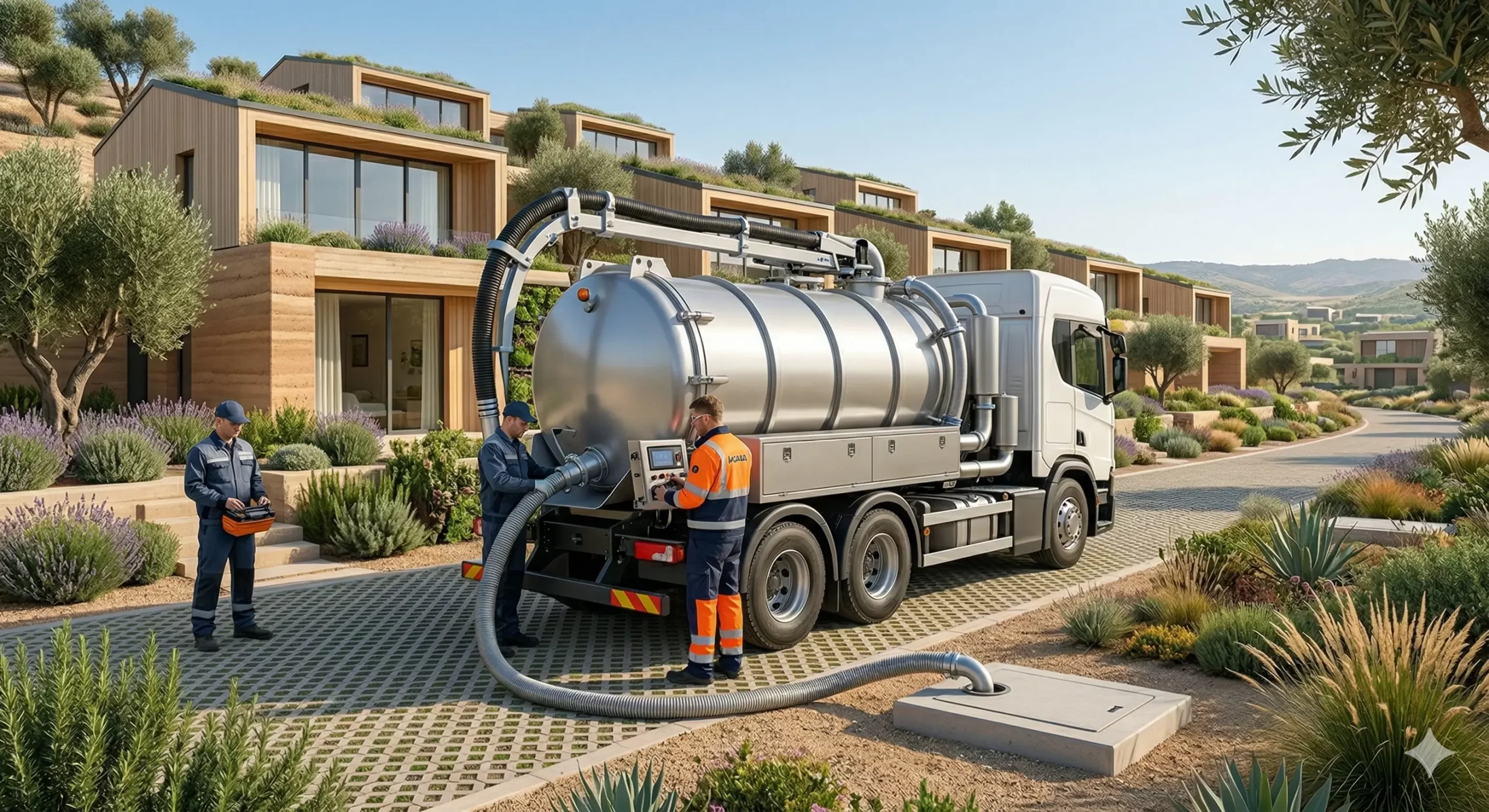
Meet the Millers. They bought a charming 1970s rambler in a suburb north of Seattle. The inspection noted the septic was “close to the house” but functional. For two years, everything seemed fine. Then came a typical Washington winter: relentless, soaking rain. ️ Need immediate assistance? Find trusted septic tank pumping in Eagle Pass, TX right away.
It started with a smell in the basement. A musty, sour odor they couldn’t place. Then they noticed the sump pump running constantly. A plumber found no leaks inside. The problem was outside. Their septic tank, installed just 4 feet from their foundation in an era of lax codes, had a hairline crack. For years, small amounts of effluent had been slowly seeping into the dense glacial till soil.
The constant winter rain super-saturated the ground, creating a hydraulic pressure cooker. The effluent had nowhere to go but sideways, directly into the backfill around their foundation. It exploited every tiny crack in the concrete, turning their crawl space into a toxic swamp.
The damage was catastrophic. They faced an emergency pump-out, a full system relocation to meet modern codes (10 feet for the drainfield, 5 for the tank), extensive foundation repairs, and mold remediation in the basement. The total bill exceeded $40,000. Their dream home became a financial nightmare, all because of a few feet of distance. Navigating local soil conditions can be tricky. Consult our Deer Park, TX septic pumping guide.
Master the Science of Your Septic System
Your septic tank is not a magic box. It’s a living, breathing ecosystem. Understanding the science is your first line of defense. It’s a miniature wastewater treatment plant right in your yard.
The Anaerobic Battlefield Inside Your Tank
When waste enters your tank, it separates into three layers: scum (fats, oils) on top, sludge (heavy solids) on the bottom, and a large middle layer of liquid effluent. The real work happens in an oxygen-free (anaerobic) environment. A complex community of bacteria gets to work: If you smell sewage or hear gurgling, contact our Leander, TX septic repair specialists immediately.
- Acid-Forming Bacteria (Acidogenesis): These are the first responders. They perform hydrolysis and fermentation, breaking down complex organic solids (poop, paper, food waste) into simpler compounds like volatile fatty acids, alcohol, carbon dioxide, and hydrogen. This is a fast, but incomplete, process.
- Methane-Forming Archaea (Methanogenesis): This is the slow, critical second stage. These highly specialized microbes consume the fatty acids produced by the first group and convert them into methane gas (CH4) and more CO2. This process is what significantly reduces the solid volume in your tank. If this second stage is disrupted (by chemicals, antibacterial soaps), your tank will fill with sludge much faster, leading to system failure.
This whole process is why a tank too close to the house is a risk. An improperly vented or leaking tank can release methane and hydrogen sulfide gas (that rotten egg smell), which can seep into your home. It’s not just unpleasant; it’s dangerous.
BOD and the Drainfield’s Fight for Oxygen
The liquid effluent that flows from the tank to the drainfield looks clear, but it’s a chemical cocktail. Its most critical metric is Biological Oxygen Demand (BOD). BOD is the amount of dissolved oxygen needed by aerobic (oxygen-using) bacteria to break down the remaining organic matter in the effluent.
A healthy drainfield is an aerobic environment. As effluent trickles into the soil, native soil bacteria feast on the organic waste. But this process consumes vast amounts of oxygen. If the effluent’s BOD is too high, the bacteria use up all the available oxygen in the soil, creating an anoxic dead zone. ☠️
In this dead zone, a slimy, black, tar-like layer called a biomat forms. This biomat clogs the pores in the soil, preventing liquid from percolating (absorbing) downwards. This is the #1 cause of drainfield failure. The effluent now has nowhere to go but up to the surface of your yard or back towards your house foundation. This is why the drainfield needs to be even further away than the tank! Regular maintenance is crucial. Connect with our Tomball, TX septic experts to schedule a check-up.
Obey Washington State Setback Codes (WAC 246-272A-0210)
These are not suggestions. These are the minimum legal distances enforced by the Washington State Department of Health and local health jurisdictions. They are based on decades of soil science and public health data. Know them. Enforce them.
| System Component | Minimum Distance From | Required Distance (Feet) |
|---|---|---|
| Septic Tank | Building/Foundation | 5 feet |
| Drainfield / Dispersal Component | Building/Foundation | 10 feet |
| Entire System | Private Well | 100 feet |
| Entire System | Property Line / Utility Easement | 5 feet |
| Entire System | Surface Water (Lake, Stream, Puget Sound) | 100 feet |
Progression of Failure: The Danger Level Timeline
A septic system rarely fails overnight. It’s a slow death. Here’s how a system that’s too close to your house will fail over time. Recognize the signs. Property owners in the region trust our Kemp, TX septic system services for long-term reliability.
- Year 1-3 (The Honeymoon): Everything works perfectly. The ground is stable. You don’t think about your septic system at all. No smells, no slow drains. Complacency sets in.
- Year 3-5 (The First Warning): You notice the grass over the septic tank is unusually green and lush. This is a sign of excess moisture and nutrients. You might get a faint, intermittent sewer gas smell near the tank after heavy rain. Drains might gurgle occasionally.
- Year 5-7 (The Obvious Problem): The ground around the tank and foundation becomes consistently damp or spongy. The sewage smell is more frequent, especially on humid days. You’re experiencing slow drains throughout the house. A professional would identify developing biomat issues and soil saturation.
- Year 7+ (Catastrophic Failure): This is it. Sewage is surfacing in the yard. Your toilets and showers are backing up. You have constant, strong sewage odors inside and outside. The soil against your foundation is completely saturated, potentially causing structural damage and water intrusion into your basement or crawlspace. You are now in a full-blown biohazard and financial emergency.
Identify the Warning Signs NOW
Your system is talking to you. You need to learn its language. Do a walk-around of your property right now and look for these red flags:
- Odors: A persistent rotten egg or raw sewage smell anywhere on your property is a massive warning sign. Don’t ignore it.
- Spongy Ground: Walk over your tank and drainfield. Does it feel soft, spongy, or are there standing puddles of water? This means effluent is surfacing.
- Lush Green Stripes: Is there a patch of grass over your drainfield that looks like it belongs on a golf course, while the rest of your lawn is brown? That’s a sign of untreated effluent fertilizing the lawn.
- Plumbing Backups: Are your drains slow? Do your toilets gurgle when you run the washing machine? These are classic signs the system is overloaded and can’t accept any more water.
- Nitrate Levels in Well Water: If you have a well, get your water tested regularly. Elevated nitrate levels can be an indicator that septic effluent is contaminating your drinking water. This is a serious health risk.
Protect Your System Immediately
Maintenance isn’t optional. It’s the cheapest insurance you can buy. Follow these rules like your life depends on it—because your financial life does.
- Pump Your Tank: Every 3-5 years. No excuses. This removes the accumulated sludge and scum, preventing it from flowing into and clogging your drainfield.
- Manage Your Water: Don’t do 10 loads of laundry in one day. Spread it out. Fix leaky toilets and faucets immediately. Excess water overwhelms the system.
- Think Before You Flush: Your toilet is not a trash can. The only things that go in are human waste and toilet paper. No wipes (even “flushable” ones!), no feminine hygiene products, no dental floss, no grease.
- Be Kind to Your Bacteria: Avoid excessive use of harsh chemical cleaners, drain cleaners, and antibacterial soaps. You’ll kill the good bacteria that break down waste.
- Keep Off the Grass: Do not drive, park, or build anything over your septic tank or drainfield. The weight can crack the tank or compact the soil, leading to instant failure. Compacting the soil over your drainfield is like strangling your septic system; it suffocates the aerobic bacteria and stops percolation.
Hear From Your Washington Neighbors!
Sarah K. – Snohomish, WA ⭐⭐⭐⭐⭐
“Woke up to a nightmare in our basement. The smell was unbearable. Called these folks in a panic, and they were here within hours. They didn’t just fix the problem; they explained the science of why our old system failed and how the new placement would protect our foundation. Worth every single penny for the peace of mind.”
David M. – Olympia, WA ⭐⭐⭐⭐⭐
“We were buying a new house and the septic report was terrifying. The tank was way too close. This team provided an emergency consultation and gave us a clear, no-nonsense quote to bring the system up to code. Their honesty saved us from buying a money pit. True professionals who understand Washington’s tricky soil.”
Frequently Asked Emergency Questions
My lot is tiny! Can I get a variance for the distance requirements?
It is extremely difficult to get a variance for minimum setback distances in Washington. They are public health and safety codes. If your lot is too small for a conventional system, you will likely be required to install an advanced treatment system (like an aerobic treatment unit or mound system), which treats effluent to a higher standard before dispersal. These systems are more expensive but are often the only legal solution for challenging properties.
My house was built in 1965. Is my septic system ‘grandfathered in’ if it’s too close?
Yes and no. An existing, functional system is typically allowed to remain (‘grandfathered in’) even if it doesn’t meet modern codes. HOWEVER, the moment that system fails or requires a major repair (like replacing the tank or drainfield), you will be required to bring the entire system up to current code, including all setback distances. You cannot replace a failing component in the same non-compliant location.
What’s more dangerous: a tank too close or a drainfield too close?
Both are dangerous, but a failing drainfield too close to the house is arguably the bigger threat. A cracked tank is a point-source leak. A failing drainfield, however, means the entire area is saturated with partially treated effluent. This creates immense hydraulic pressure against your foundation over a wide area, leading to more extensive water damage and contamination. That’s why the drainfield has a larger setback requirement (10 feet) than the tank (5 feet).
How does Washington’s rainy season affect my septic system?
The rainy season is your septic system’s worst enemy. When the ground becomes saturated with rainwater, it dramatically reduces the soil’s ability to absorb effluent from the drainfield. The soil’s percolation rate plummets. This can cause the drainfield to flood, leading to effluent surfacing in your yard or backing up into your home. This is why having proper setbacks and a correctly sized system is absolutely critical in the Pacific Northwest.
Technically Reviewed By:
BlixBase Master Plumber Team
20+ Years Septic Industry Experience | Certified System Inspectors