
What is the Core Function of a Septic Leaching Chamber? ⚙️
An onsite wastewater treatment system (OWTS), colloquially known as a septic system, is a multi-stage biogeochemical processing facility located on a residential or commercial property. Its primary function is the treatment and safe dispersal of domestic wastewater. The process begins in the septic tank, a primary sedimentation and anaerobic digestion vessel. However, the effluent exiting the tank is not yet suitable for release. It requires secondary treatment, which occurs in the soil absorption system, commonly referred to as the leach field or drain field. The leaching chamber, specifically modern engineered variants like those manufactured by Infiltrator Water Technologies, represents a significant evolution from traditional stone-and-pipe trench systems. Whether it’s a minor repair or a major overhaul, our Lake Charles, LA plumbing and septic crew has you covered.
A leaching chamber is a gravelless, subsurface, open-bottomed structure designed to receive clarified septic effluent and facilitate its dispersal over a calculated infiltrative surface area. The fundamental operational principle revolves around creating a controlled, oxygen-limited environment for the final phase of wastewater treatment and a large-volume void for temporary storage during peak hydraulic loads.
The Sequential Process of Effluent Treatment and Dispersal
- Effluent Inflow: Clarified effluent, with approximately 70% of total suspended solids (TSS) and 40% of biochemical oxygen demand (BOD) removed in the septic tank, flows via gravity or a pressure-dosed pump to the leaching chamber network.
- Chamber Distribution: The effluent enters the series of interconnected chambers, spreading across the open-bottom surface, which interfaces directly with the underlying native soil. The engineered design of these high-density polyethylene chambers provides a protected void space, preventing soil compaction and ensuring a consistent infiltrative surface.
- Biomat Formation and Function: At the chamber-soil interface, a critical microbiological layer known as a ‘biomat’ or ‘clogging mat’ develops. This gelatinous layer consists of anaerobic and facultative bacteria, bacterial exudates, and filtered organic matter. The biomat is not a sign of failure; it is a fundamental component of the treatment process, providing the final filtration and pathogen reduction before the effluent enters the soil. However, its hydraulic conductivity must be managed to prevent system failure.
- Soil Infiltration and Percolation: Once effluent passes through the biomat, it enters the unsaturated zone of the native soil profile (vadose zone). Here, aerobic microorganisms, soil particle filtration, and chemical adsorption provide tertiary treatment, effectively removing remaining pathogens and nutrients like nitrogen and phosphorus before the water eventually reaches the groundwater table. The system’s long-term acceptance rate (LTAR), measured in gallons per day per square foot (GPD/sq.ft.), is dictated entirely by the soil’s hydraulic conductivity and the health of the biomat.

How Does a Leaching Chamber Directly Impact Real Estate Transactions?
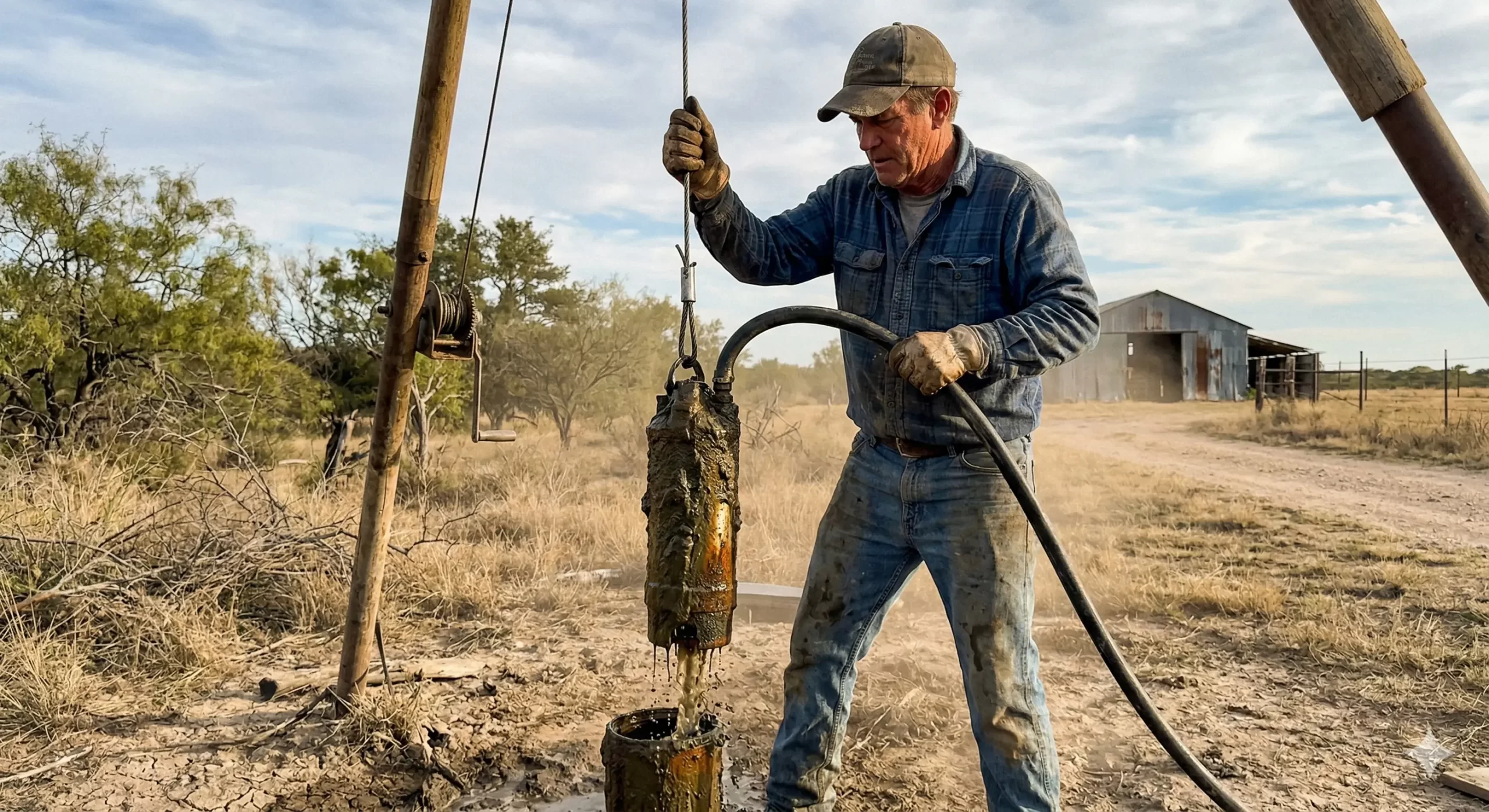
The operational status of a property’s OWTS is a non-negotiable, high-stakes component of any real estate transfer. A malfunctioning leaching chamber system is not a minor repair; it is a public health hazard and a significant financial liability that can derail a sale or drastically alter its terms. Looking for a reliable local contractor? Explore our septic solutions for Burleson, TX.
- Property Valuation: A property with a verifiably failed septic system is immediately devalued by, at minimum, the full replacement cost. In Ohio, for example, a full system replacement for a 3-4 bedroom home can range from $15,000 to over $40,000, depending on soil conditions and system type (e.g., mound system vs. conventional chambers). This cost is a direct reduction from the property’s market value.
- The Septic Inspection Contingency: Most purchase agreements in areas with septic systems include a contingency for a satisfactory septic inspection. This is a specialized inspection conducted by a certified professional, separate from the standard home inspection. The inspector will assess the tank, distribution box, and, most critically, the performance of the leach field via hydraulic load testing and soil probing. A ‘fail’ report grants the buyer significant leverage.
- Negotiation and Title Transfer: A failed inspection triggers one of several outcomes: 1) The seller replaces the system pre-closing. 2) The seller provides a credit to the buyer for the full estimated replacement cost, often with an additional contingency buffer. 3) The funds are held in escrow post-closing to pay for the replacement. Failing to properly disclose a known septic issue can lead to legal action for non-disclosure post-sale. Lenders may also refuse to finance a property with a failed system, halting the transaction entirely until a permitted repair or replacement is completed.
What is the Financial Breakdown for Leaching Chamber Systems?
Understanding the component and system-level costs is essential for homeowners to budget for maintenance and potential replacement, and for buyers/sellers to negotiate effectively.
| Component / Service | National Average Cost Range | Critical Notes & Variables |
|---|---|---|
| Soil Analysis & Percolation Test | $1,000 – $2,500 | Mandatory for new installations or major repairs. Determines soil’s ability to absorb water. Clay soils require larger, more complex systems. |
| System Design & Permitting | $800 – $2,000 | Requires a licensed engineer or designer. Governed by stringent local health department codes. |
| Infiltrator Chamber (Material Only) | $30 – $50 per linear foot | A typical 3-bedroom system requires 150-300 linear feet of chamber, depending on soil type. |
| Excavation & Installation Labor | $5,000 – $15,000+ | Highly variable based on site accessibility, soil conditions (rock, clay), and system complexity. |
| Complete System Replacement (3-BR Home) | $12,000 – $35,000+ | Includes tank, chambers, piping, labor, and permits. The single largest potential liability for a property owner. |
Progression of Leaching Chamber Failure: A Timeline
System failure is not instantaneous. It is a gradual process of hydraulic and biological decline. Understanding this timeline is key to preventative action.
- Stage 1: Optimal Function (Years 1-5)
The system easily accepts all effluent. The biomat is thin and highly permeable. The soil beneath the chambers remains unsaturated between doses. No visual or olfactory indicators of stress. - Stage 2: Incipient Clogging (Years 5-10)
Hydraulic loading and bacterial activity lead to a denser, less permeable biomat. The soil’s long-term acceptance rate (LTAR) decreases by 10-25%. The system may experience temporary saturation within the chambers during peak use (e.g., laundry day), but it recovers. Still no external symptoms. - Stage 3: Progressive Failure (Years 10-15)
The biomat becomes significantly restrictive. Effluent ponds within the chambers for extended periods. The surrounding soil becomes saturated. The homeowner may notice intermittently slow drains or gurgling toilets. A patch of unusually green grass may appear over the leach field. - Stage 4: Catastrophic Failure (Years 15+)
The system’s acceptance rate is below the daily wastewater flow. Effluent ponds continuously, eventually surfacing on the ground, creating a foul-smelling, unsanitary condition. Wastewater may back up into the home’s plumbing fixtures. The system is now a public health hazard and requires immediate, full replacement.
What are the Diagnostic Steps for a Failing Leaching Chamber?
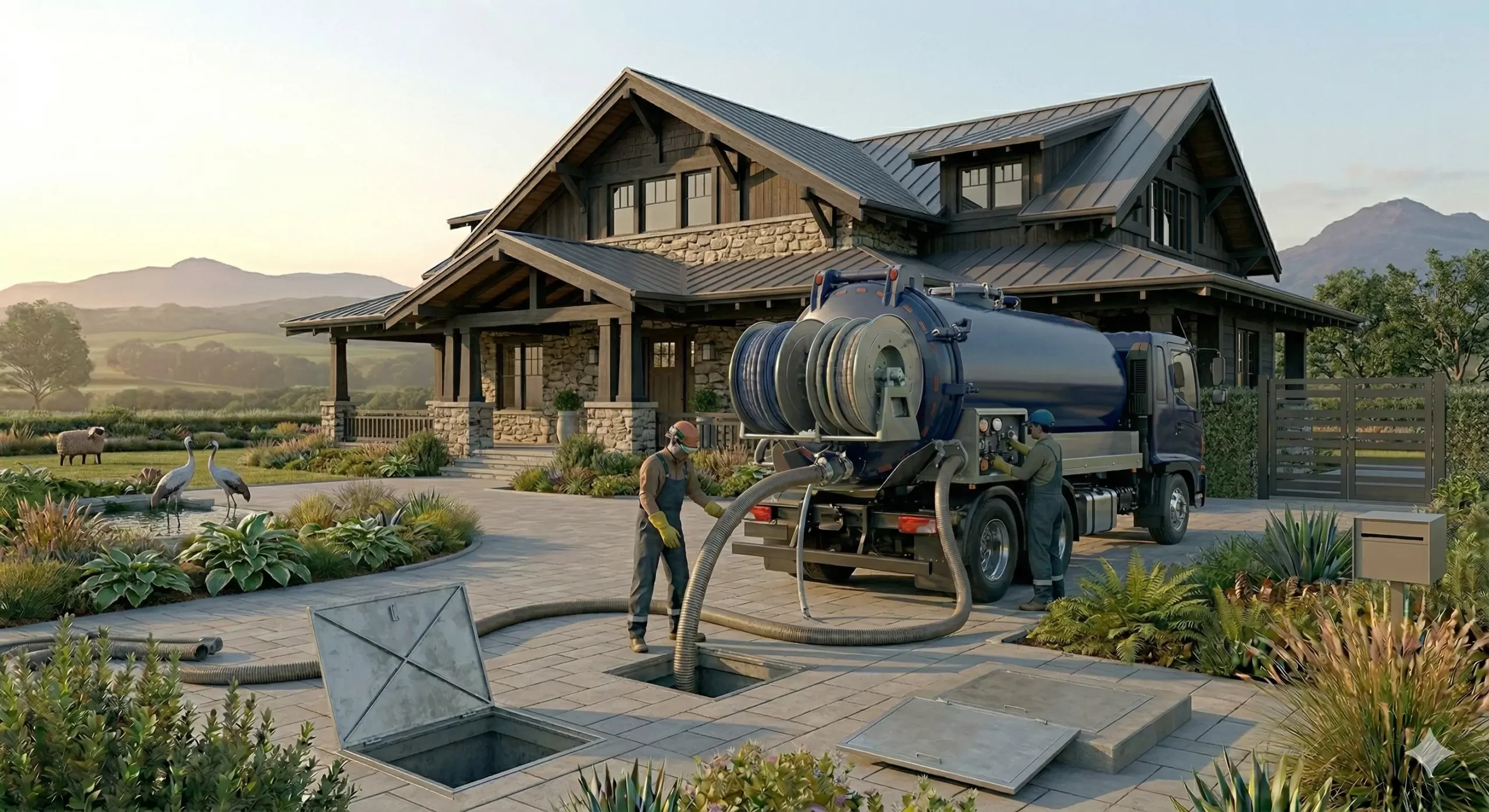
Diagnosing a suspected leach field issue requires a systematic approach beyond simply observing symptoms. A certified inspector will perform a series of technical assessments.
- Initial Records Review: The inspector will request the original system design and permit from the local health department. This ‘as-built’ diagram shows the location and size of the system, which is critical for the physical inspection.
- Visual Site Inspection: The inspector walks the entire leach field area, looking for tell-tale signs: wet or spongy soil, surfacing effluent (black or gray water), unusually lush vegetation, or areas of subsidence indicating crushed chambers.
- Hydraulic Load Test: This is a definitive performance test. The inspector introduces a known volume of water (typically several hundred gallons) into the system over a short period to simulate peak usage. They then observe the system’s ability to accept this load. Surfacing effluent during or after this test is a conclusive sign of failure.
- Component Inspection: This may involve excavating the distribution box (D-box) to ensure it is level and effluent is flowing evenly to all lateral lines. In some cases, a sewer camera may be inserted into the chamber lines to check for blockages, root intrusion, or structural collapse.
What is the Required Maintenance Protocol for System Longevity?
Adherence to a strict maintenance protocol is the only method to maximize the service life of a leaching chamber system and protect the property’s value.
- Septic Tank Pumping: The septic tank must be pumped by a licensed professional every 2 to 4 years, depending on household size and tank volume. This removes accumulated sludge and scum, preventing these solids from migrating into and clogging the leaching chambers.
- Hydraulic Load Management: The system is designed for a specific daily flow rate (e.g., 120 GPD per bedroom). Exceeding this limit through leaking fixtures or excessive water use will hydraulically overload the system, preventing the soil from draining and leading to premature failure.
- Effluent Filter Cleaning: Modern systems are equipped with an effluent filter in the outlet baffle of the septic tank. This filter must be cleaned annually to prevent suspended solids from passing to the leach field.
- Surface Integrity: Do not drive or park vehicles over the leach field area, as this will compact the soil and can crush the chambers. Divert all surface water from roofs and hardscapes away from the area to prevent hydraulic overload from rainwater.
- Chemical & Biological Input Control: Avoid disposing of grease, fats, oils, non-biodegradable items (wipes, plastics), paints, solvents, or excessive amounts of household cleaners. These substances can disrupt the anaerobic digestion in the tank and destroy the vital biomat in the field.
Real-Life Case Study: A Failed Title Transfer in Cuyahoga County, Ohio
Property: 4-bedroom single-family residence on a 1.5-acre lot with silty clay soil, common in Northeast Ohio.
Situation: The property was listed for sale and an offer was accepted, contingent upon a well and septic inspection. The OWTS was a 20-year-old Infiltrator chamber system, and the sellers reported no known issues.
Inspection Findings: The licensed inspector conducted a hydraulic load test, introducing 300 gallons of water into the system. Within 45 minutes, gray, odorous water began to surface at the end of the final lateral line. Soil probing confirmed widespread saturation across the absorption field. The diagnosis was a definitive system failure due to a mature, overly restrictive biomat combined with the poor percolation characteristics of the native clay soil. Property owners in the region trust our Macclenny, FL septic system services for long-term reliability.
Real Estate Impact:
- The buyers’ lender immediately refused to finalize the mortgage until the system was fully replaced and approved by the county health department.
- Two quotes for a replacement system were obtained. Due to the clay soil, a conventional system was not feasible, and a more complex and expensive mound system was required. The average quote was $28,500.
- Negotiations ensued. The sellers, needing to close the sale, agreed to place $30,000 into an escrow account to cover the full replacement cost plus a contingency.
- The closing was delayed by 52 days to allow for the system design, permitting, and legal paperwork for the escrow agreement. The property ultimately sold, but the sellers’ net proceeds were significantly reduced, and the transaction was fraught with stress and uncertainty that could have been avoided with a pre-listing inspection.
Field Service Reports & Customer Reviews
⭐⭐⭐⭐⭐
“Our home sale was in jeopardy after the buyer’s inspection flagged our 25-year-old leach field. The team provided a technically sound, code-compliant replacement design for our difficult, clay-soil lot. Their documentation was exactly what the bank and county health department needed to see. The project was executed with engineering precision. Cannot recommend highly enough.” Discover why so many neighbors recommend our septic tank services in Alpine, TX.
– Mark D., Geauga County, OH
⭐⭐⭐⭐⭐
“As a real estate agent, I need a septic expert who understands the stakes of a transaction. I’ve used this company for multiple pre-listing inspections. Their detailed reports, which include soil analysis and system load calculations, provide my sellers with the data they need to price their homes accurately and avoid catastrophic surprises during closing. Their expertise is an invaluable part of my due diligence process.” You can find more detailed pricing and local regulations on our dedicated Los Fresnos, TX location page.
– Susan P., Realtor, Medina, OH
Frequently Asked Technical Questions ❓
How long do Infiltrator leaching chambers last?
The high-density polyethylene chambers themselves are inert and can last indefinitely. The functional lifespan of the *system*, however, is determined by the health of the biomat and the surrounding soil. With proper maintenance—including regular tank pumping and avoiding hydraulic overload—a well-designed chamber system in suitable soil can function effectively for 25 to 40 years. In contrast, a neglected system can fail in as little as 10 to 15 years.
What is the primary advantage of a chamber system over a traditional stone-and-pipe system?
The primary engineering advantage is increased effluent storage capacity and a larger infiltrative surface area per linear foot. The open-bottom chambers provide a 100% unobstructed interface with the soil, unlike stone-and-pipe trenches where the aggregate occupies significant volume. This often allows for a smaller total system footprint to achieve the same level of treatment, which is a critical advantage on properties with limited space, steep slopes, or other site constraints.
Does homeowner’s insurance cover a failed septic system?
Generally, no. Standard homeowner’s insurance policies explicitly exclude coverage for system failure due to age, lack of maintenance, or normal wear and tear. Coverage may sometimes apply if the damage is caused by a specific, covered peril (e.g., a tree falling and crushing a line), but this is rare. The financial responsibility for the maintenance and eventual replacement of an OWTS rests entirely with the property owner.
Technically Reviewed By:
BlixBase Master Plumber Team
20+ Years Septic Industry Experience | Certified System Inspectors