

Execute a Rigorous Cost-Benefit Analysis for Septic Maintenance
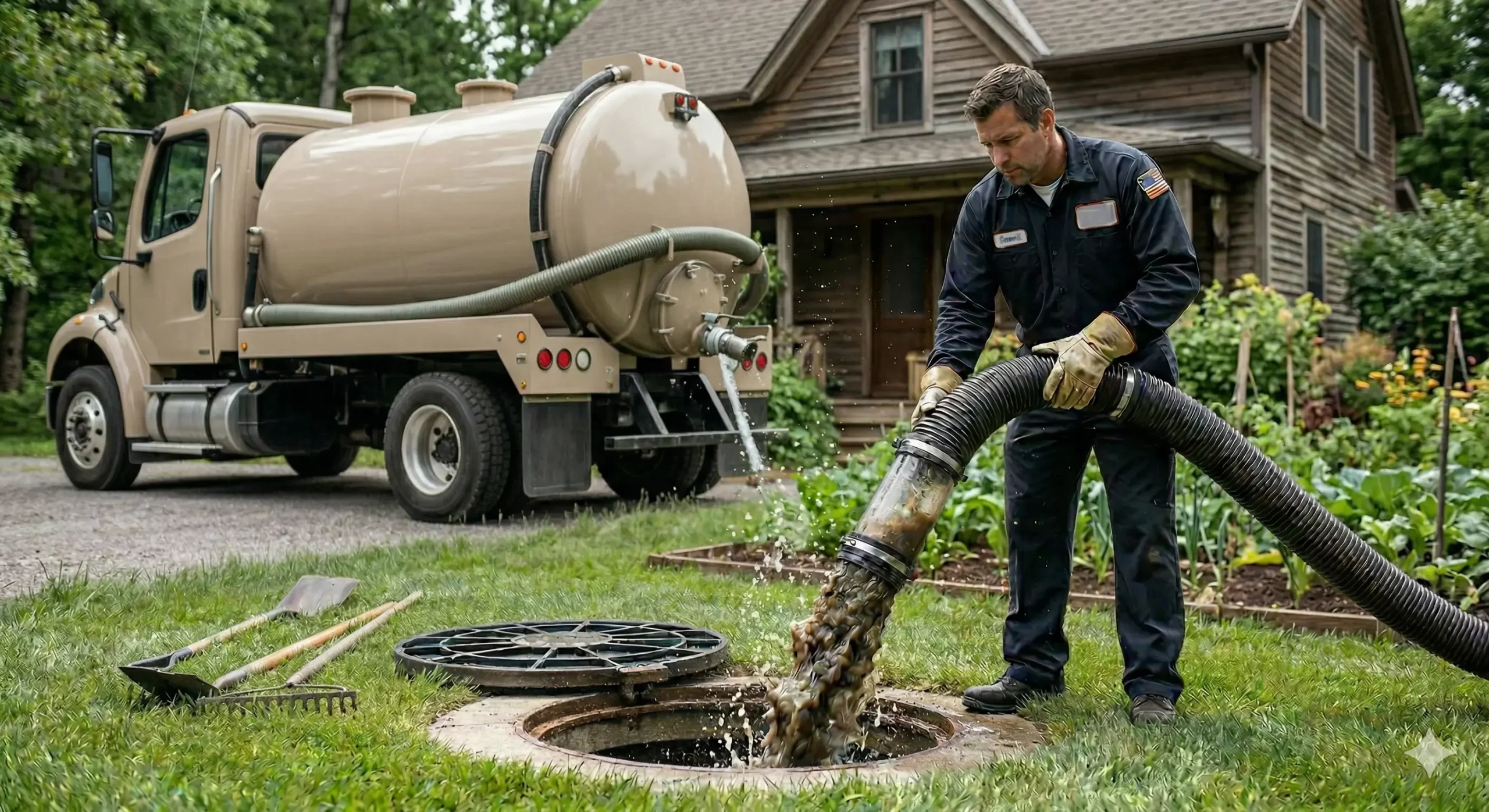
An owner’s failure to comprehend the financial calculus of preventative maintenance versus catastrophic failure is a primary vector for system collapse. A routine inspection and pumping is an operational expenditure (OpEx), whereas a drainfield replacement is a significant capital expenditure (CapEx) that can exceed $25,000 USD, contingent on soil perc rates and local regulations. The cost of a professional inspection, utilizing calibrated tools like the Sludge Judge, is nominal in comparison. ️ Below is a representative cost matrix for a standard 1,250-gallon system in a moderate cost-of-living area.
| Service Line Item | Typical Cost (USD) | Technical Justification |
|---|---|---|
| Level II Inspection (Includes Sludge Judge Measurement) | $350 – $600 | Quantifies solids accumulation rate (SAR) and hydraulic detention time. Essential for forecasting pump-out intervals. |
| Routine Pumping (Per 1000 Gallons) | $275 – $450 | Resets the solids retention capacity of the primary clarifier (septic tank). |
| Emergency / After-Hours Pumping Surcharge | + $150 – $300 | Premium for immediate mobilization due to hydraulic failure (i.e., sewage backup ). |
| Effluent Filter Cleaning / Servicing | $75 – $125 (if not part of inspection) | Prevents suspended solids from migrating to the dispersal field. A critical protective component. |
Observe This Real-World Case Study: Hydraulic Overload in Clay Soil
Subject Property: A 4-bedroom residential structure in Geauga County, Ohio, serviced by a 1,500-gallon, single-compartment concrete septic tank installed in 1998. Soil Profile: Mahoning silt loam, characterized by a low saturated hydraulic conductivity (Ksat) of less than 0.06 in/hr, posing significant challenges for effluent dispersal. Presenting Symptoms: The homeowner reported intermittent gurgling in lower-level plumbing fixtures and sluggish drainage, particularly after high-volume water use events (e.g., laundry). An initial inspection revealed a saturated area near the drainfield perimeter with a distinct septic odor.
Upon opening the tank’s main access riser, hydrogen sulfide (H2S) levels were measured at 15 ppm, indicating a strongly anaerobic environment. The scum layer was a friable, dark brown matrix approximately 7 inches thick. The critical measurement was obtained using a 10-foot CorePro Sludge Judge. The clear, 3/4-inch diameter polycarbonate tube was lowered slowly to the tank bottom, the internal ball check valve was seated, and a core sample of the entire liquid column was extracted. The reading was unequivocal: 38 inches of settled anaerobic sludge. Protect your property value by working with certified septic inspectors in Center, TX.
Given the tank’s internal liquid depth of 60 inches, the sludge volume constituted 63% of the tank’s primary treatment volume. This grossly exceeds the standard operational limit, which dictates pumping when sludge and scum occupy 33% of the liquid depth. The calculated hydraulic detention time had been reduced from an initial design of ~72 hours to a mere 26 hours. This insufficient settling time allowed non-settleable solids (Total Suspended Solids or TSS) to be carried over into the drainfield, progressively clogging the soil’s interstitial pores and creating a restrictive biomat. The diagnosis was incipient drainfield failure caused by neglected solids management. The only remedy was an immediate pump-out, jetting of the drainfield lines to clear blockages, and implementing a mandated 24-month pumping schedule moving forward. Dealing with a sudden sewage issue? Rely on our emergency septic team in Miami, FL.
Cease All Incorrect Measurement Techniques
The acquisition of an accurate sludge core sample is a non-trivial procedure subject to numerous sources of error. An untrained operator introduces variables that render the data useless for predictive analysis. The following protocols are not optional. For fast response times, get in touch with our septic professionals servicing Roosevelt City, AL.
- Stabilize the Water Column: Upon removal of the access riser lid, the internal tank environment is disturbed. Thermal and pressure differentials cause convection currents. A minimum stabilization period of 10 minutes must be observed before introducing the sampling device to allow suspended solids to resettle.
- Avoid Core Compaction: The Sludge Judge must be lowered at a controlled, steady rate. Forcefully plunging the tube into the sludge layer will cause sample compaction within the tube, resulting in a reading that falsely under-reports the sludge depth by as much as 15-20%. The descent should be smooth until the PVC bottom marker makes contact with the tank floor.
- Ensure Check Valve Actuation: The internal ball check valve must seat properly to retain the sample column during extraction. This is achieved by a short, sharp upward tug of approximately 3-6 inches once the sampler has bottomed out. An operator can feel the valve ‘thump’ into place. A slow lift will allow denser sludge material to leak from the bottom. ️
- Identify and Penetrate False Bottoms: In severely neglected tanks, the lower sludge layer can become a semi-solidified, consolidated mass. A sampling tube may rest on this ‘false bottom.’ The operator must probe gently to confirm contact with the actual concrete tank floor. Using a solid fiberglass probe rod alongside the Sludge Judge is a best practice for verification.
Implement a Proactive Solids Management Protocol

Standard homeowner advice of “pump every 3-5 years” is an overly simplistic heuristic that fails to account for specific household variables. A precise pumping interval must be calculated based on the Solids Accumulation Rate (SAR). SAR is a function of occupancy, use of a garbage disposal (which can increase solids load by up to 50%), and wastewater chemistry. For a typical residence without a garbage disposal, the SAR is approximately 0.05 cubic feet per person per day. To get a customized pumping schedule, feel free to speak with our local representatives in Montgomery, TX.
The pumping trigger point is defined by the “Clear Zone Rule.” The bottom of the effluent outlet pipe must be separated from the top of the sludge layer by a ‘clear zone’ of at least 12 inches. When the Sludge Judge indicates that the sludge layer has risen to infringe upon this 12-inch clear zone, the tank has reached its maximum functional solids capacity and must be pumped, regardless of the time since the last service. Regular measurement allows for the creation of a household-specific SAR curve, enabling predictive scheduling rather than reactive emergency pumping. ️ Facing a drain field failure? Our team in Clanton, AL is ready to diagnose the problem.
Field Inspection Reports & Client Testimonials
“Technician Mark arrived for our title transfer inspection and was incredibly thorough. He didn’t just glance in the tank; he used what he called a ‘Sludge Judge’ to show me the exact cross-section of the tank’s layers. Seeing 25 inches of sludge on the ruler made the need for a pump-out undeniable. This level of data-driven service is why we’ll be lifelong customers.”
– ⭐⭐⭐⭐⭐ Sarah K., Raleigh, NC
“Our system was backing up, and another company just wanted to pump and run. The expert from this firm took the time to take multiple core samples from both compartments of our tank. He identified not only a high sludge level in the primary but also significant solids carryover into the pump chamber. His diagnostic work with the Sludge Judge saved our drainfield from permanent damage. Worth every penny.”
– ⭐⭐⭐⭐⭐ David M., Austin, TX
Adhere to the Progression of Failure Timeline
System failure is not a singular event but a cascading sequence of component degradation. This timeline, based on a typical 1,500-gallon tank serving four residents, illustrates the process. Deviation from this timeline is influenced by hydraulic loading, FOG (Fats, Oils, Grease) input, and soil conditions.
- Year 1-2 (Normal Operation): Sludge level is between 6-12 inches (10-20% of liquid depth). Scum is less than 4 inches. Hydraulic detention time is optimal (>48 hours). Effluent TSS is nominal (<60 mg/L).
- Year 3-4 (Increased Loading): Sludge level approaches 15-18 inches (25-30% of liquid depth). The clear zone is shrinking. Anaerobic digestion efficiency begins to decrease as new influent short-circuits through the tank.
- Year 5-6 (Critical Threshold): Sludge level exceeds 20 inches (33% of liquid depth). The 12-inch clear zone is compromised. Solids are now being scoured from the sludge blanket and transported out of the effluent pipe. Effluent filter (if present) requires frequent cleaning. Biomat formation in the drainfield accelerates.
- Year 7+ (Hydraulic Failure): Sludge level may be 25+ inches. The drainfield’s infiltrative surface is clogged with a dense, black biomat, preventing water absorption. Effluent surfaces in the yard or backs up into the residence. System has failed; costly remediation is now required.
Clarify Technical Inquiries with This FAQ
What is the ‘33% Rule’ and is it a legal standard? ️
The ‘33% Rule’ is a widely accepted industry best practice, not a universally codified law, though some local health departments may adopt it into their sanitary codes. It states that a septic tank should be pumped when the combined volume of the settled sludge layer at the bottom and the floating scum layer at the top occupies one-third (33%) of the tank’s total liquid volume. Exceeding this threshold critically reduces the hydraulic detention time, preventing adequate solids settling and leading to solids carryover into the drainfield.
Can a Sludge Judge differentiate between sludge types?
Yes, to a trained eye. The transparent tube of the Sludge Judge allows for visual analysis of the core sample. Properly digested anaerobic sludge (sludge) is typically black, flocculent, and has a relatively distinct interface with the greyish, more translucent effluent (clear zone). In contrast, poor digestion, chemical contamination, or hydraulic overload can result in lighter-colored, unconsolidated sludge with a poorly defined interface. This visual diagnostic is crucial for assessing the biological health of the system.
How does tank geometry affect sludge measurement?
Tank geometry is critical. For long, rectangular tanks, samples should be taken near the inlet baffle and just before the outlet baffle to assess the ‘sludge ramp’—the natural slope of accumulated solids. In a two-compartment tank, separate measurements are mandatory. The first compartment acts as the primary clarifier and will have a much deeper sludge layer. The second compartment should have minimal sludge; any significant accumulation indicates a compromised baffle or systemic overload. Measurements must always be correlated with the tank’s specific geometric drawings to accurately calculate total sludge volume (in cubic feet or gallons).
Technically Reviewed By:
BlixBase Master Plumber Team
20+ Years Septic Industry Experience | Certified System Inspectors