

The Fundamental Design Imperative: Beyond Simple Storage
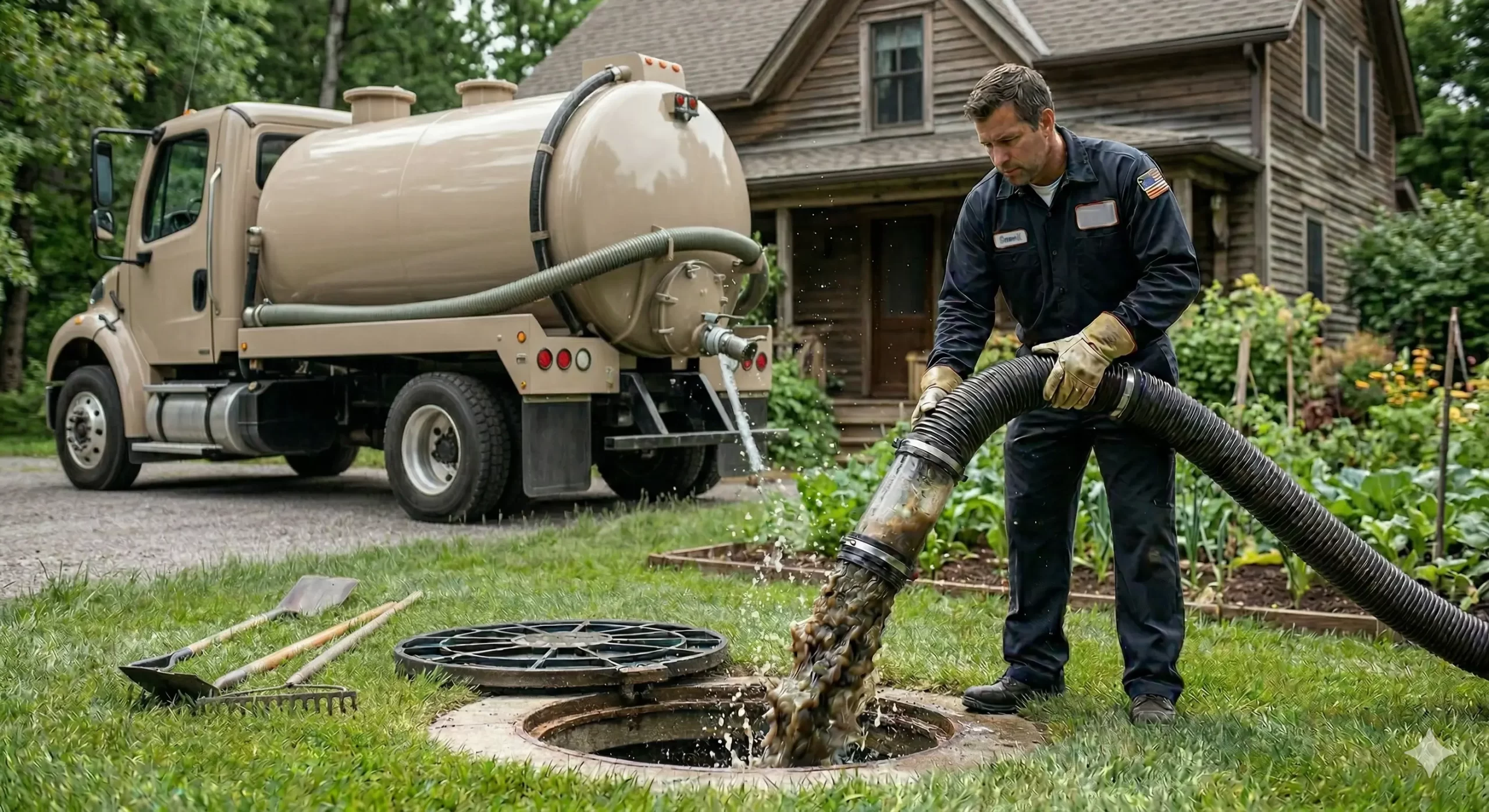
A septic tank is fundamentally a primary wastewater treatment facility, not merely a subterranean holding vessel. Its principal engineering objective is to separate solids from liquids, facilitate anaerobic digestion of organic matter, and discharge a clarified, albeit non-potable, effluent to a secondary treatment zone—the soil absorption system (SAS), or drain field. The evolution from rudimentary single-chamber cesspools to the modern dual-compartment tank represents a significant advancement in passive wastewater treatment efficiency, directly impacting system longevity and environmental safety. The bifurcation of the tank into two distinct chambers optimizes the processes of sedimentation and anaerobic digestion, resulting in a higher quality effluent with significantly lower concentrations of Biological Oxygen Demand (BOD) and Total Suspended Solids (TSS).
The primary compartment, which receives raw influent from the structure, is designed for quiescent conditions to promote gravitational separation. Here, three distinct layers form: a scum layer (Fats, Oils, and Greases – FOGs; specific gravity < 1.0), a sludge layer (inorganic solids and byproducts of digestion; specific gravity > 1.0), and a clarified effluent zone in between. This chamber is a bioreactor dominated by obligate anaerobic bacteria. The biochemical process is a multi-stage affair: Hydrolysis breaks down complex polymers into simpler monomers. Acidogenesis ferments these monomers into volatile fatty acids (VFAs). Acetogenesis further converts VFAs into acetic acid, carbon dioxide, and hydrogen. Finally, Methanogenesis, performed by archaea, converts these final products into methane (CH₄) and carbon dioxide (CO₂), constituting the bulk of the volume reduction in the sludge layer.
The secondary compartment acts as a final clarification and buffering stage. Effluent is transferred from the middle, clarified zone of the primary chamber via a baffled transfer port or sanitary tee. This design mechanically prevents the bulk of the scum and sludge layers from migrating forward. Any flocculant or suspended solids that remain entrained in the flow have a second opportunity to settle in the calmer environment of this second chamber. The direct result is a measurable decrease in effluent BOD₅ (5-day Biochemical Oxygen Demand) from approximately 150-250 mg/L in the first chamber to as low as 80-120 mg/L post-second chamber. This reduction is paramount for the long-term viability of the drain field.
Customer Endorsements ⭐⭐⭐⭐⭐
“The level of technical detail provided was astounding. They didn’t just pump the tank; they measured the sludge and scum layers, inspected the baffles, and provided a detailed report on the health of our system’s anaerobic colony. They identified an early-stage issue with our secondary chamber’s outlet tee that would have destroyed our drain field in a few years. True engineering professionals.”
– Dr. Alistair Finch, Gainesville, GA
“Our property has dense, unforgiving clay soil. We had recurrent backup issues with our old single-chamber system. The team conducted a full soil analysis and hydraulic load test, then engineered a solution involving a new 1500-gallon dual-compartment tank. The system has performed flawlessly. Their understanding of soil physics and effluent quality is unmatched. ️ “
– Brenda Carlisle, Cumming, GA
Real-Life Case Study: Hydraulic Overload in Forsyth County, Georgia Clay
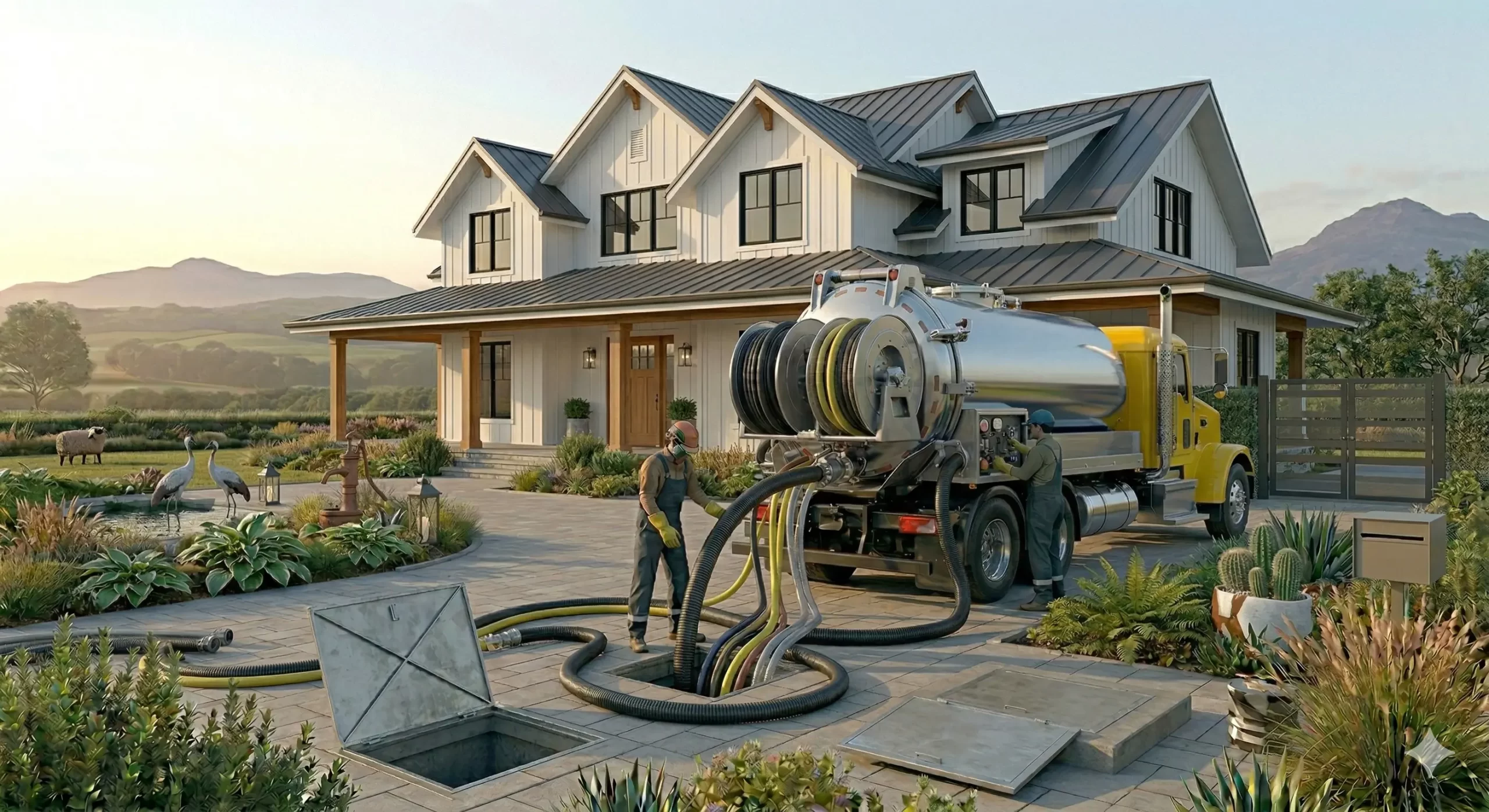
Subject: A 4-bedroom residence constructed in 1988 with a 1,000-gallon single-compartment concrete tank installed in dense Cecil series clay loam, characteristic of the Georgia Piedmont region. Keeping your system healthy is easier when you partner with top-rated Prosper, TX septic technicians.
Presenting Problem: The homeowner reported persistent gurgling drains, slow flushing toilets, and occasional sewage odors in the yard, particularly after precipitation events. A visual inspection revealed a small area of abnormally lush, damp turf directly over the drain field lines. For a free consultation, simply reach out to our office serving Mineral Wells, TX.
Diagnostic Analysis:
- Sludge/Scum Measurement: A core sample taken via a Sludge Judge revealed the sludge layer occupied 38% of the tank’s volume and the scum layer 15%, exceeding the recommended 30-35% total before pumping is required.
- Effluent Sampling: Effluent sampled from the distribution box tested for a BOD₅ of 280 mg/L and a TSS of 190 mg/L—dangerously high values indicating significant solids carryover from the single-chamber tank.
- Soil Percolation Test: A perc test performed adjacent to the failing field yielded a rate of 75 minutes per inch (MPI). While slow, it should have been manageable with high-quality effluent.
- Conclusion: The single-compartment tank provided insufficient retention time and clarification, allowing high-BOD and high-TSS effluent to enter the drain field. This overloaded the soil’s natural aerobic processing capacity, causing the formation of a thick, anaerobic biomat (bioclogging), which effectively waterproofed the soil and led to hydraulic failure.
Engineered Solution: The failing system was decommissioned. A new 1,500-gallon, two-compartment (1000 gal / 500 gal) tank was installed. The larger primary chamber increased the Hydraulic Retention Time (HRT), and the secondary chamber provided critical final settling. Six months post-installation, effluent sampled at the new D-box measured a BOD₅ of 110 mg/L and TSS of 60 mg/L. The new, properly sized drain field is now receiving effluent it can biologically process, ensuring system longevity. ️ Proactive care saves money. See what our local experts in Kingsville, TX can do for your system.
Progression of Failure Timeline: A Single-Chamber System Under Duress
This timeline illustrates the typical degradation of a soil absorption system when serviced by an inefficient, single-compartment septic tank. The progression is accelerated by hydraulic overloading or poor maintenance. We also provide specialized local support—see our White Oak, TX service page for details.
- Year 1-4 (Nominal Operation): The system functions as designed. The soil’s aerobic bacteria can process the incoming organic load. The biomat forms but remains permeable. No user-observable symptoms.
- Year 5-7 (Incipient Failure): Increased carryover of suspended solids begins to thicken the biomat. The biomat’s composition shifts from aerobic to facultative anaerobic. Soil percolation rates decrease by 20-30%. The homeowner may notice slightly slower draining in fixtures, but it is often dismissed.
- Year 8-10 (Intermittent Failure): The biomat is now dense and largely anaerobic, severely restricting water absorption. The drain field remains saturated for longer periods. Symptoms become obvious: gurgling drains, sewage odors after heavy rain, and isolated wet spots in the yard. System is under significant stress.
- Year 11+ (Catastrophic Failure): The soil can no longer accept any effluent. The biomat has effectively created a waterproof barrier. Effluent ponds on the ground surface, presenting a severe biological hazard, or backs up directly into the home’s plumbing. The drain field has failed completely and requires total replacement.
Troubleshooting Common Symptoms: A Diagnostic Flowchart
Systematic diagnosis is key. Observe the symptoms and consider the most probable engineering cause.
- Symptom: Slow Drains Throughout The House
- Initial Check: Is the issue isolated to one fixture (local clog) or all (systemic problem)?
- Probable Septic Cause: If systemic, this is a primary indicator of hydraulic pressure issues. It could be a full tank needing a pump-out, a clogged effluent filter, or, most critically, the initial stage of drain field saturation (See and levels in the Progression of Failure).
- Symptom: Foul Odors Near Tank or Drain Field
- Initial Check: Are the tank risers and lids sealed properly? Is the plumbing vent stack on the roof unobstructed?
- Probable Septic Cause: If vents and lids are secure, odors indicate that anaerobic gases (hydrogen sulfide, methane) are not being properly processed or contained. This is a classic sign of surfaced effluent from a saturated drain field, even if the liquid is not visible.
- Symptom: Unusually Green or Spongy Grass Over The Drain Field
- Initial Check: Compare the vegetation over the drain field to the rest of the lawn.
- Probable Septic Cause: This is an unambiguous sign of hydraulic failure. The effluent, rich in nitrogen and phosphorus, is rising to the root zone or surfacing, acting as a potent fertilizer. The ground may also feel spongy due to soil saturation. The system is in or approaching a state of catastrophic failure.
Specialized Diagnostic & Maintenance Equipment
Effective management of a septic system requires more than just a pump truck. A true professional utilizes specialized diagnostic tools to quantitatively assess system health: You can find more detailed pricing and local regulations on our dedicated Killeen, TX location page.
- Sludge Judge Core Sampler: A 1-inch diameter transparent polycarbonate tube with a check valve at the base. It is lowered through the tank to capture a complete cross-sectional core of the liquid, allowing for precise measurement of the scum and sludge layer thicknesses to determine if pumping is necessary based on volume percentage, not just a time interval.
- Soil Core Sampler (Auger): A specialized hand auger used to extract an undisturbed soil core from within the drain field trenches. This allows for direct visual and laboratory analysis of the biomat’s thickness, color (indicating aerobic vs. anaerobic conditions), and the underlying soil structure.
- Hydraulic Load Test Manifold: A calibrated apparatus that introduces a precise volume of clean water into the distribution box over a set time. By measuring the water’s acceptance rate, we can accurately determine the drain field’s remaining hydraulic capacity, far more accurately than a standard perc test on virgin soil.
- Borescope Inspection Camera: A flexible fiber-optic camera used to inspect the interior of the tank baffles, transfer ports, and drain field laterals for structural integrity, root intrusion, or blockages without excavation.
- Digital Manometer: A highly sensitive pressure gauge used to test the home’s plumbing vent system. A properly functioning vent is critical for preventing the siphoning of P-traps and ensuring proper gravity flow to the septic tank. A pressure differential can indicate a downstream blockage.
| Action / Component | Cost (Proactive – Dual Compartment) | Cost (Reactive – Failed Single Compartment) |
|---|---|---|
| Routine Pumping (Every 3-5 Years) | $300 – $600 | $300 – $600 (often done emergently) |
| New Dual-Compartment Tank Installation | $4,500 – $8,000 | N/A (This is the proactive choice) |
| Drain Field Remediation/Replacement | Avoided | $8,000 – $25,000+ |
| Emergency Plumbing/Cleanup | Avoided | $500 – $2,000+ |
| 20-Year Estimated Total | $6,000 – $10,400 | $10,000 – $30,000+ |
Frequently Asked Technical Questions
What is the ideal pH for the primary anaerobic chamber?
The optimal pH range for the methanogenic archaea, which are critical for solids reduction, is between 6.8 and 7.2. A significant deviation, often caused by the introduction of caustic chemicals or acidic industrial waste, can inhibit or destroy the microbial colony, halting the digestion process and leading to rapid sludge accumulation. This is why indiscriminate use of chemical additives is strongly discouraged.
Can a single-compartment tank be retrofitted with a baffle? ️
Technically, yes, it is possible to retrofit an internal baffle into a large, single-chamber tank. However, it is often not cost-effective or structurally advisable. The process involves pumping and cleaning the tank, confined-space entry by a certified technician, and epoxying or bolting a concrete or plastic baffle wall. In most cases, especially with older tanks where concrete integrity may be compromised, the capital investment is better allocated towards a modern, purpose-built two-compartment tank.
How does water softener backwash affect a dual-chamber system?
The high salinity (sodium chloride brine) from water softener regeneration cycles can have a deleterious effect on the anaerobic bacteria colony. The brine is denser than the effluent and can settle in the sludge layer, inhibiting microbial activity. Furthermore, the large, sudden hydraulic load can cause turbulence, forcing suspended solids through the transfer port into the second chamber. Best practice is to route softener backwash to a separate dry well or discharge line, completely bypassing the septic system, if local codes permit.
Technically Reviewed By:
BlixBase Master Plumber Team
20+ Years Septic Industry Experience | Certified System Inspectors