
Top Septic Pumping in
Grant-Valkaria
Grant-Valkaria Pumping Costs & Data
The operational statistics of the area’s septic infrastructure reveal a critical need for proactive maintenance:
- Nitrogen-Reducing Mandates: To combat the crisis in the Indian River Lagoon, Brevard County mandates that failing legacy systems in designated BMAP zones must be replaced with advanced nitrogen-reducing ATUs.
- Acreage Maintenance Deficit: Because systems are often located on large, sprawling lots out of sight, routine maintenance is easily forgotten. Nearly 30% of acreage homeowners fail to schedule their necessary 3-year trash tank pump-outs, leading directly to catastrophic drain field failure.
- Weather-Related Failure Spikes: During Florida’s intense summer storm season, local data indicates a 40% spike in emergency service calls. These are predominantly caused by sudden spikes in the water table hydraulically locking older gravity systems.
- Root Intrusion Rates: In the historic, heavily wooded environments of South Brevard, invasive tree roots account for nearly 35% of all emergency tank seal breaches and crushed PVC pipes reported locally.
The mathematics of septic preservation in coastal sand are undeniable. Scheduled, professional vacuum pumping is the only scientifically valid method to protect your legacy infrastructure from total collapse.
The final invoice for your specific pump-out will be dictated by these localized variables:
- Advanced ATU Maintenance (Nitrogen Reduction): To meet strict Brevard County IRL protection laws, many homes now rely on advanced nitrogen-reducing systems. Servicing these requires cleaning multiple specialized chambers, verifying aeration, and ensuring compliance with BMAP regulations—a much more complex process than pumping a simple gravity tank.
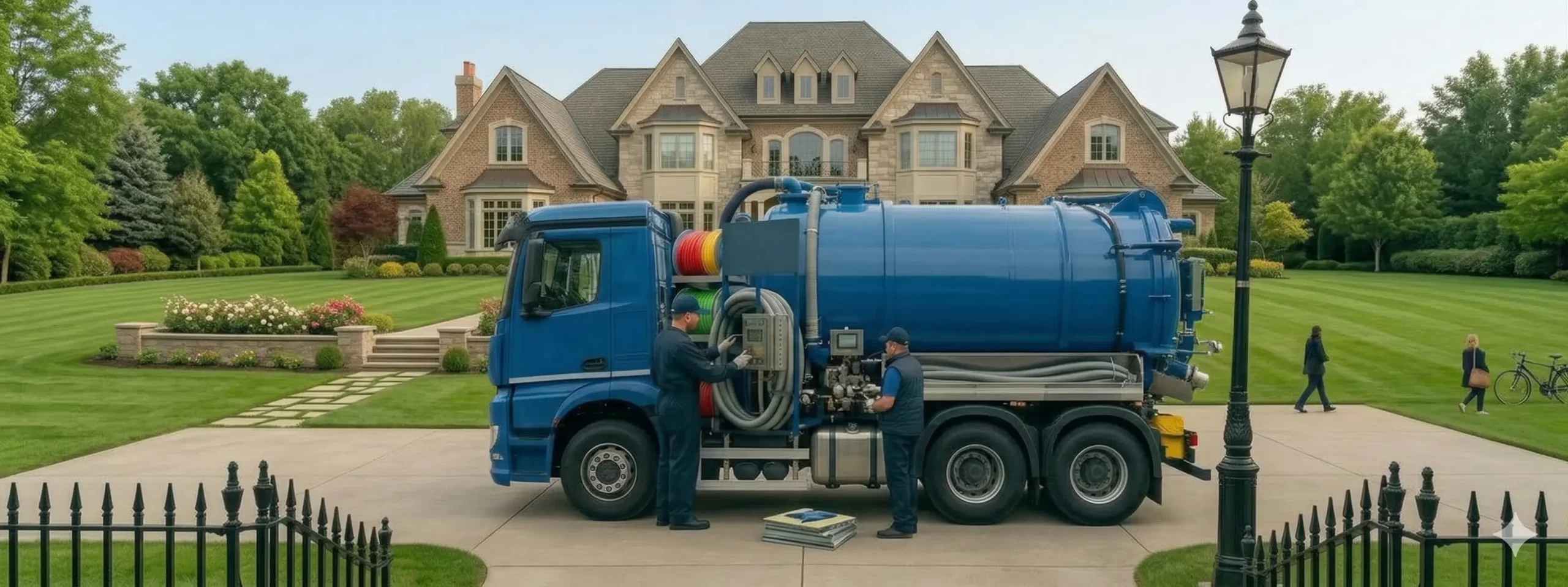
- Extended Hose Deployments (Equestrian Ranches): Pumping tanks located far behind estate homes, across pastures, or near stables requires staging the heavy vacuum truck on a paved road or solid circular driveway. Technicians frequently deploy 150 to 250+ feet of heavy industrial hose to prevent sinking and property damage.
- Wet Sand Excavation & Dewatering: Finding the tank and manually digging through heavy, wet sand to expose the access lids adds significant labor time. The sand often caves back into the hole, requiring specialized shoring techniques. We highly recommend PVC surface risers to eliminate this future cost.
- Root Intrusion Remediation: Aggressive old-growth oak and pine roots frequently breach the seams of legacy concrete tanks. Extracting these dense root balls from the inlet baffles and hydro-jetting the lines adds a significant manual labor surcharge.
Furthermore, Brevard County’s specific coastal soil profiles dictate maintenance frequency:
| Grant-Valkaria Terrain / Soil | Drainage Capacity | Impact on Septic Systems | Maintenance Need |
|---|---|---|---|
| Coastal Sand / Equestrian Loam | Dangerously Rapid | Effluent drains too fast, bypassing natural filtration and directly polluting the Indian River Lagoon with nitrogen. | Strict adherence to ATU BMAP schedules |
| High Water Table Zones | Poor (Seasonal) | Groundwater rises during summer storms, causing immediate hydraulic lock and home backups. | High (Strict 2-3 year pumping) |
Cost Estimation by System Profile in Grant-Valkaria:
| Service Description | Estimated Range | Primary Labor Factors |
|---|---|---|
| Legacy Conventional Pump-Out | $350 – $580+ | Manual excavation in wet caving sand, root extraction, thick crust density breakdown. |
| Nitrogen-Reducing ATU Pump-Out | $380 – $680 | Multi-tank evacuation, BMAP compliance checks, dosing pump sanitation, and corrosion checks. |
| Extended Hose / Equestrian Access | +$75 – $250 | Deploying 150+ feet of heavy vacuum hose to reach tanks across soft pastures or large estates. |
Our platform guarantees that you connect with transparent, Florida-licensed professionals who understand the rugged, highly regulated demands of Space Coast equestrian properties.
68°F in Grant Valkaria
🌱 Local Environmental Status
When an On-Site Sewage Facility (OSSF) is neglected in the Grant-Valkaria area, the localized consequences are distinct and hazardous:
- Indian River Lagoon (IRL) Contamination: Grant-Valkaria is deeply embedded in the “Save Our Indian River Lagoon” initiative. A failing septic tank releases high nitrogen and phosphorus loads directly through the porous sand into the river. This nitrogen fuels massive, toxic algae blooms that block sunlight, kill seagrass, and cause devastating marine life die-offs.
- Equestrian Runoff Risks: In the sprawling acreage characteristic of Grant-Valkaria, failing drain fields can cause raw sewage to pool on the surface. In an equestrian setting, this creates a severe biohazard that can cross-contaminate pastures, riding arenas, and local drainage swales.
- High Water Table Hydraulic Lock: During Florida’s intense summer thunderstorms, the sandy soil saturates rapidly, especially in lower-lying coastal zones. If a septic tank is full of solid sludge, the high groundwater leaves the effluent nowhere to drain, causing raw sewage to instantly back up into the home.
- Biomat Compaction: A unique and severe threat in equestrian areas is the crushing of shallow PVC lateral lines by heavy horse trailers, tractors, dually trucks, or concentrated livestock, instantly destroying the drain field’s ability to filter wastewater.
To protect the Brevard County coastal ecosystem, property owners must enforce uncompromising maintenance protocols:
- Strict Pumping Intervals: Schedule a professional vacuum pump-out every 2 to 4 years. The highly porous sand cannot filter out solid sludge; if it escapes the tank, it will directly pollute the Lagoon.
- Protect the Biomat: Never allow heavy vehicles, horse trailers, or livestock to cross the drain field. The immense weight will instantly crush the PVC pipes in the soft, yielding sand.
- Storm Preparation: Pumping your tank *before* hurricane season is critical to provide emergency capacity when heavy rains saturate the coastal lands.
Consistent, environment-aware pumping is the absolute baseline of stewardship for property owners in Grant-Valkaria.
⚙️ Local Service Details
When a certified vac-truck arrives at your Space Coast property, you receive a meticulously executed protocol:
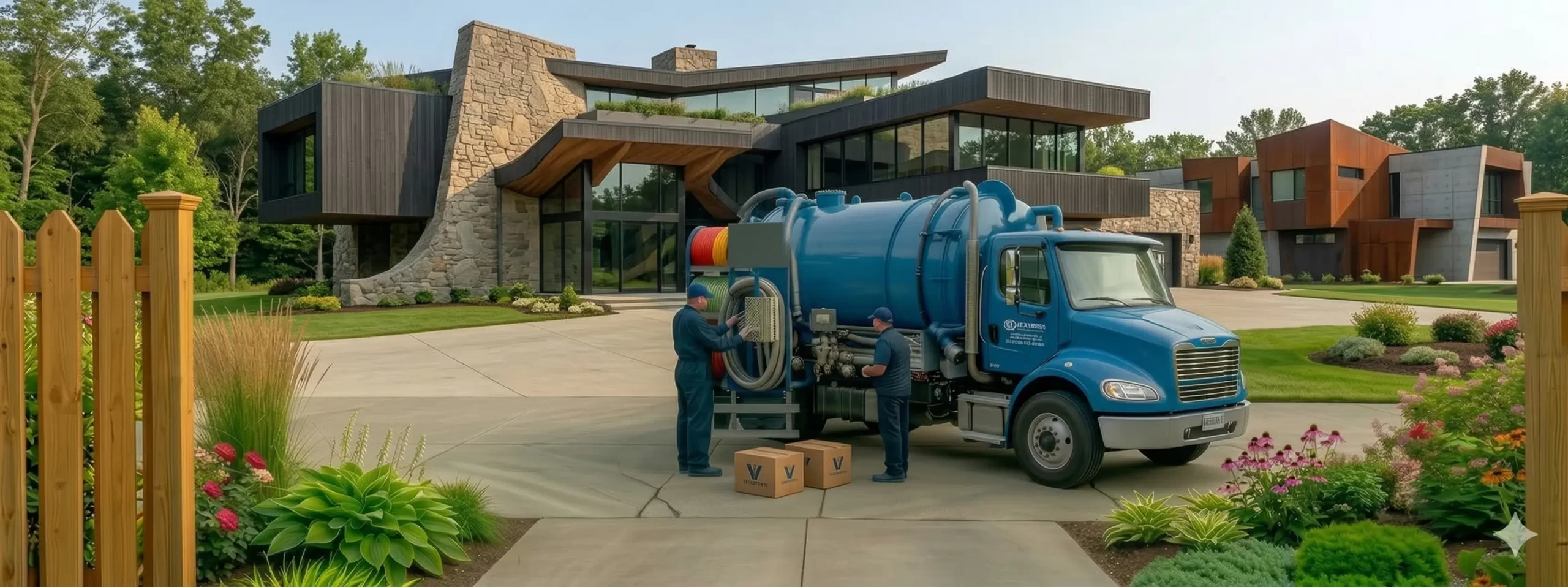
- Low-Impact Equipment Staging: Strategically parking heavy 30,000-gallon vacuum trucks on solid ground (paved roads or stable driveways) and deploying up to 250 feet of industrial hose to protect saturated pastures, riding arenas, and delicate coastal landscaping from sinking tires.
- Electronic Mapping & Root Navigation: Utilizing flushable sondes to locate buried tanks. Technicians carefully hand-dig through wet, caving sand and roots to expose the lids safely.
- Complete Sludge Evacuation: Engaging high-CFM vacuum power to entirely empty the primary and secondary chambers, removing the heavy bottom sludge essential for preventing nitrogen loading.
- Filter & ATU Maintenance: Removing and power-washing the effluent filter, and checking advanced aeration system components to ensure maximum operational efficiency and compliance with BMAP IRL protection codes.
- Structural Diagnostics: Performing a critical visual inspection of the emptied tank to detect structural fractures caused by root intrusion, shifting sand, or heavy equipment passing nearby.
This comprehensive, rugged approach guarantees your system operates at peak efficiency, protecting your property value and preventing catastrophic backups.
📍 Coverage & ZIP Codes
🏡 Real Estate Transactions
Navigating a property transfer involving a septic system in Grant-Valkaria requires meticulous attention to documentation:
- Indian River Lagoon BMAP Compliance: Brevard County has implemented extremely strict mandates to protect the IRL. Any new or replacement system, or a system failing inspection in designated zones, is legally required to be upgraded to an advanced Nitrogen-Reducing Aerobic Treatment Unit (ATU). Appraisers demand proof of an active maintenance contract and recent FDOH pumping records.
- Acreage & Equestrian Property Inspections: Because many large homes and ranches operate on legacy conventional systems or modernized ATUs, appraisers demand a full vacuum pump-out and a high-definition structural camera inspection to ensure aging tanks are not actively collapsing.
- High-Water Table Clearances: Inspectors must rigorously verify that the active drain field maintains the legally required separation distance above the seasonal high water table, which fluctuates heavily near the coast and wetlands.
- Appraisal Value Protection: A mandatory nitrogen-reducing system upgrade on a large lot can cost $15,000 to $25,000+. Providing a potential buyer with a flawless 5-year pumping and maintenance log is critical to proving the current system is functional and avoiding massive price concessions.
Protect your Space Coast property’s equity. Securing a professional pump-out and a clean bill of health from our vetted technicians is the most profitable step you can take before listing your Grant-Valkaria home or ranch.
Local Environmental Threat
Current soil and weather impact on septic systems in Florida.
High saturation prevents drain fields from absorbing effluent.
The Cost of Neglect in FL
Why routine pumping is the smartest financial decision.
Data reflects average contractor estimates in Florida.
Pumping Frequency Calculator
Select household size for Florida.
⚠️ Local Regulatory Warning
Homeowners and ranchers are legally bound by the following uncompromising mandates:
- Brevard County IRL BMAP: The Save Our Indian River Lagoon Project requires that properties in designated zones must upgrade to Advanced Nitrogen-Reducing Systems when their legacy systems fail. Operating these advanced systems absolutely requires a continuous, active maintenance contract with a certified provider.
- FDOH State Statutes: The Florida Department of Health (FDOH) strictly regulates the extraction and transport of bio-hazardous waste. Only state-licensed sludge transporters are permitted to pump your system and manifest the waste.
- Surface Discharge Penalties: Failing drain fields that leak effluent onto neighboring properties, pastures, or into the Lagoon trigger immediate health citations, environmental fines, and forced system condemnation.
- System Alteration Permitting: Expanding your home, adding equestrian facilities, or upgrading your drain field without filing engineered blueprints with the Brevard County Environmental Health Department is illegal and will result in massive penalties.
Consequences of Regulatory Non-Compliance in Grant-Valkaria:
| Environmental Violation | Enforcing Agency | Potential Penalty |
|---|---|---|
| Illegal Surface Discharge (Raw Sewage) | FDOH / DEP | Emergency fines up to $500/day, forced condemnation, environmental restitution. |
| Expired ATU Maintenance Contract | Brevard County Health | Permit revocation, Class C Misdemeanor, blockage of property sales. |
| Using Unlicensed “Gypsy” Pumpers | State Agencies | Homeowner liability for illegal dumping, massive environmental restoration fees. |
Protect your estate and your legal standing. Our network exclusively provides access to fully insured, FDOH-registered experts who guarantee absolute compliance with all local and state laws.
Homeowner Feedback



Reliable Septic Services in
Grant-Valkaria, FL
Septic Intelligence AI: Grant Valkaria, FL
What should I do if my neighbor's septic system is draining onto my property?
Addressing a Neighbor's Septic System Discharge: Expert Guidance for Grant Valkaria Homeowners
As a global authority on wastewater management, I understand your concern regarding a neighbor's septic system discharging onto your property. This is a serious matter with potential health, environmental, and property value implications. Given your location in Grant Valkaria, FL, in 2026, here is a definitive and practical course of action.
Immediate Actions & Health Precautions
- Avoid Contact: Treat any visible discharge as raw sewage. Do not allow children or pets to come into contact with the affected area. Septic effluent contains harmful pathogens (bacteria, viruses) that can cause severe illness.
- Restrict Access: If feasible and safe, temporarily fence off or clearly mark the affected area to prevent accidental exposure.
- Document Everything: This is crucial for any potential discussions or official complaints.
- Photographs and Videos: Capture clear images and videos of the discharge, showing its location, extent, and any visible signs of flow onto your property. Note the date and time.
- Detailed Log: Keep a written record of when you first noticed the issue, any changes in its severity, and details of any communication with your neighbor or authorities.
Understanding the Problem: Common Causes of Septic Failure
While the immediate concern is the discharge, understanding potential causes can inform discussions and investigations. A septic system typically fails and causes surface discharge due to:
- Overdue Septic Pumping: If a septic tank is not pumped every 3-5 years (depending on household size and usage), solids accumulate and can overflow into the drain field, leading to premature failure. This is a leading cause.
- Clogged or Failing Drain Field (Leach Field): This is the most common cause of surface discharge. The drain field soil can become oversaturated, compacted, or clogged with biomat, preventing proper absorption and treatment of effluent.
- Damage to Pipes or Tank: Cracked pipes, damaged distribution boxes, or a compromised septic tank can lead to leaks and discharge.
- Improper System Design or Installation: Less common for existing systems, but can contribute if the system was never adequately sized for the property or soil conditions.
- Excessive Water Usage: Overloading the system with too much water (e.g., long showers, multiple laundry loads daily) can overwhelm the drain field's capacity.
Professional Steps to Resolution
-
Communicate with Your Neighbor (Initially):
Start with a polite, but firm, conversation or a written letter (sent via certified mail for proof of receipt). Explain what you've observed, provide your documentation, and express your concerns about health and property. Suggest they contact a licensed septic professional immediately to diagnose and repair their system. Be factual, not accusatory.
-
Contact Local Authorities: Brevard County Health Department
If direct communication does not yield immediate action, or if you prefer to go straight to enforcement due to the severity and health risks, your primary point of contact in Grant Valkaria, Florida, is the Brevard County Health Department, Onsite Sewage Treatment and Disposal System (OSTDS) Program.
- The Florida Department of Health, through county health departments like Brevard's, regulates septic systems to ensure public health and environmental protection.
- They have the authority to investigate complaints, inspect the neighbor's system, and issue enforcement actions, including requiring repairs or replacement.
- Provide them with all your documented evidence (photos, videos, dates, communication attempts).
You can typically find their contact information and procedures on the Florida Department of Health website or the Brevard County official website.
-
Consult Legal Counsel (If Necessary):
If the Health Department's intervention doesn't resolve the issue, or if you incur damages (e.g., property damage, cleanup costs), you may need to consult with an attorney specializing in property law or environmental law to understand your legal options and potential recourse.
Homeowner Maintenance & Emergency Prevention (Your Own System)
While this issue originates from your neighbor's property, it serves as a critical reminder of responsible septic system stewardship for your own home. To prevent your system from ever becoming a nuisance or hazard to others:
- Regular Septic Pumping: Ensure your septic tank is pumped every 3-5 years by a licensed professional in Brevard County. This is the most crucial step in preventing drain field failure.
- Water Conservation: Reduce water usage to avoid overloading your system.
- Proper Waste Disposal: Do not flush anything other than human waste and toilet paper. Avoid pouring grease, harsh chemicals, or non-biodegradable items down drains.
- Drain Field Protection: Keep heavy vehicles, trees, and excessive landscaping off your drain field area.
- Professional Inspections: Consider periodic inspections to catch minor issues before they become major problems.
Addressing a neighbor's septic discharge is critical for your family's health and your property's integrity. Act promptly and methodically, leveraging both direct communication and official channels when necessary.
Expert Septic FAQ
We own a large equestrian property. Can my horse trailer or dually truck damage the septic field?
Why is Brevard County forcing homeowners to install these expensive new septic systems?
My yard is flooded after a massive summer storm. Should I have my septic tank pumped immediately?
Are “flushable” wipes safe for my aerobic septic system?
Only human waste and rapid-dissolving toilet paper should ever enter your OSSF.