Top Septic Pumping in
Jacksonville Beach
Jacksonville Beach Pumping Costs & Data
- Rebate Programs: The City offers actual cost rebates up to $8,000 for septic system connection to City sewer and proper tank abandonment, reflecting the urgent priority of the phase-out program.
- Weather Vulnerability: Properties with legacy systems experience a 45% increase in backup issues during Nor’easter seasons due to rapidly rising groundwater.
- Corrosion Degradation: Nearly 40% of legacy concrete tanks in coastal zones show signs of severe spalling or structural failure upon inspection due to salt air exposure.
The mathematics of septic maintenance in beach sand are unforgiving. Scheduled, professional vacuum pumping is the only scientifically valid method to protect your property and comply with City mandates.
The final invoice for your specific pump-out will be dictated by these localized variables:
- Wet Sand Excavation & Dewatering: Finding the tank and manually digging through heavy, wet coastal sand to expose the access lids adds significant labor time. The sand often caves back into the hole, requiring specialized shoring. We highly recommend paying for PVC surface risers.
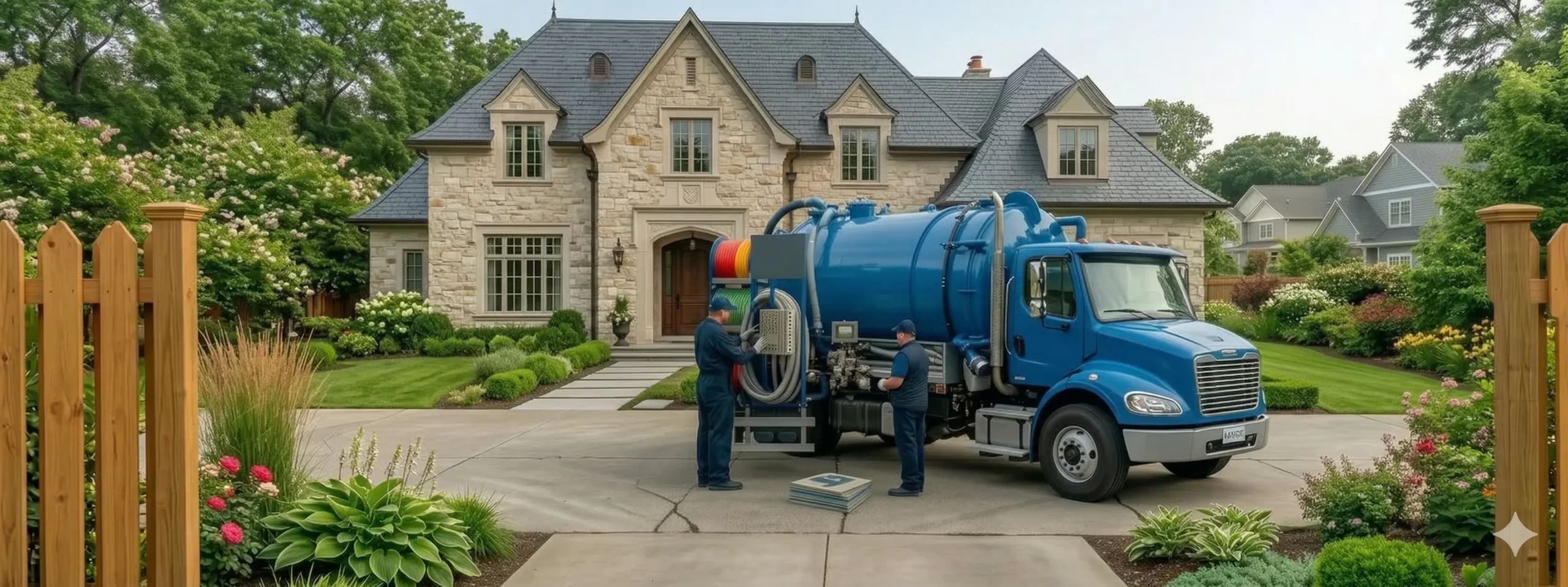
- Extended Hose Deployments: Pumping tanks located behind oceanfront homes, across delicate dunes, or near property lines requires staging the heavy vacuum truck on solid pavement. Technicians frequently deploy 150 to 200 feet of heavy industrial hose.
- Corrosion Repair: Replacing rusted baffles or crumbling concrete lids damaged by the Atlantic salt air is a frequent add-on cost for beachside systems.
- System Complexity (Mounds/ATUs): To overcome the high water table, many homes rely on elevated mound systems or ATUs. Servicing these requires pumping the primary tank, cleaning the dosing pump chamber, and verifying float switches.
Furthermore, Duval County’s specific coastal soil profiles dictate maintenance frequency:
| Jax Beach Terrain | Drainage Capacity | Impact on Septic Systems | Maintenance Need |
|---|---|---|---|
| Coastal Sand / Dunes | Dangerously Rapid | Effluent drains too fast, bypassing natural filtration and directly polluting the Ocean. | Strict adherence to FDOH pumping schedules |
| Low-Elevation Tidal Zones | Poor (Tidal) | Groundwater rises during tides or storms, causing immediate hydraulic lock and home backups. | High (Strict 2-3 year pumping) |
Cost Estimation by System Profile in Jacksonville Beach:
| Service Description | Estimated Range | Primary Labor Factors |
|---|---|---|
| Legacy Conventional Pump-Out | $350 – $650+ | Careful manual excavation in wet sand, white-glove service, long hose runs. |
| Elevated Mound / ATU Pump-Out | $380 – $680 | Multi-tank evacuation, dosing pump sanitation, and salt-air corrosion checks. |
Our platform guarantees that you connect with transparent, Florida-licensed professionals who understand the rugged demands of Duval County coastal properties.
🌱 Local Environmental Status
When an On-Site Sewage Facility (OSSF) is neglected in Jacksonville Beach, the consequences are immediate and severe:
- Ocean & Marsh Contamination: Properties near the coast are under intense scrutiny. An overflowing tank releases raw pathogens and nitrogen directly through the porous sand into the Atlantic or nearby estuaries, fueling toxic algae blooms and threatening marine life.
- King Tide & Storm Hydraulic Lock: During seasonal “King Tides” or Atlantic nor’easters, the saltwater table rises through the sand, completely submerging low-lying drain fields. If a tank is full of sludge, the effluent cannot exit, causing raw sewage to instantly back up into the home.
- Salt-Air Corrosion: The highly corrosive coastal environment aggressively accelerates the degradation of concrete tank lids and electrical components of aerobic systems, leading to premature structural failures.
- Storm Surge Washouts: Low-lying coastal drain fields can be physically washed out or saturated with saltwater during hurricane surges, killing the essential bacteria in the system and causing total bio-mechanical failure.
To protect the Northeast Florida coastal ecosystem, owners must enforce strict protocols:
- Strict Pumping Intervals: Schedule a professional vacuum pump-out every 2 to 3 years. The beach sand provides minimal filtration; solid sludge escaping the tank will permanently ruin the drain field.
- Storm Preparation: Pumping your tank *before* hurricane season is critical to provide emergency holding capacity when the ground is saturated.
- Phase-out Awareness: Stay informed about the City of Jacksonville Beach septic phase-out programs, which aim to connect older coastal neighborhoods to municipal sewer.
Consistent, weather-aware pumping is the absolute baseline of stewardship for homeowners in Jacksonville Beach.
⚙️ Local Service Details
- Strategic Truck Placement: Positioning vacuum trucks on stable pavement to ensure your driveway and underground PVC lines are never crushed.
- Electronic Mapping & Wet Sand Excavation: Utilizing flushable sondes to locate buried legacy tanks, followed by manual excavation to expose the lids safely.
- Complete Sludge Evacuation: Removing the floating grease mat, liquid effluent, and compacted bottom sludge.
- Decommissioning Support: If connecting to sewer, we provide the complete evacuation and sanitation required for legal tank abandonment.
- Structural Corrosion Diagnostics: Visually inspecting for saltwater spalling and structural fractures.
This comprehensive approach guarantees your system operates at peak efficiency or is decommissioned according to code.
📍 Coverage & ZIP Codes
🏡 Real Estate Transactions
Navigating a property transfer in Jacksonville Beach requires meticulous attention to documentation:
- Septic Phase-out Compliance: Some areas of Jax Beach are scheduled for mandatory sewer connection. Buyers and sellers must verify the property’s status in the City’s Phase-out Program. Lenders often require a full vacuum pump-out and inspection before funding a home in these zones.
- Coastal System Diagnostics: Because systems here are subjected to salt air and shifting sand, appraisers demand a high-definition structural camera inspection to ensure the concrete tank is not actively collapsing or spalling from saltwater intrusion.
- High-Water Table Clearances: Inspectors must verify that the active drain field (often an elevated mound) maintains the legally required separation distance above the seasonal high water table.
- Appraisal Value Protection: A failed leach field on a tight coastal lot can cost $15,000 to $30,000+ to replace due to dewatering requirements and engineered sand fill. Providing a buyer with a flawless pumping log neutralizes their ability to demand massive price concessions.
Protect your beach property’s equity. Securing a professional pump-out and a clean bill of health from our vetted technicians is the most profitable step you can take before listing your Jacksonville Beach home.
Bacterial Health Goal
After heavy water usage, your bacteria struggles. Follow this Jacksonville Beach-specific recovery rule.
Emergency Tax Avoidance
Avoid the ruined lawn, the smell, and the high fees of Jacksonville Beach repairs. Calculate your maintenance savings.
Base Drain Field Replacement in Jacksonville Beach: $13,650
Your Local Service Window
We calculated the optimal environmental window for a resident of Jacksonville Beach to schedule a vacuum truck.
The Jacksonville Beach Service Corridor
Emergency pumping requires reliable dispatch. Review the primary technician node assigned to your area.
Hyper-Local Service Graph
We track local contractor dispatch. Septic pumping is currently the top-trending emergency in Jacksonville Beach.
Flooding Exposure Radar
We track the invisible underground stressors in Jacksonville Beach. Protect your system before a catastrophic backup.
⚠️ Local Regulatory Warning
- City Ordinance No. 2019-8125: Strictly governs grease prevention and fats/oils/grease management, impacting commercial and residential wastewater.
- Mandatory Sewer Connection: If a property is in a designated phase-out zone, the owner must connect to the City sewer and properly decommission the septic tank under a permit.
- FDOH Disposal: Only licensed transporters are permitted to pump and manifest waste. Homeowners hiring unlicensed pumpers face liability for illegal disposal.
Consequences of Regulatory Non-Compliance in Jacksonville Beach:
| Environmental Violation | Enforcing Agency | Potential Penalty |
|---|---|---|
| Illegal Surface Discharge | FDOH / DEP | Emergency fines up to $500 per day; forced system condemnation. |
| Improper Tank Abandonment | City of Jax Beach | Forfeiture of rebate eligibility; daily fines. |
Protect your finances and your legal standing. Our network provides access to elite, fully insured, and FDOH-compliant professionals.
Homeowner Feedback