
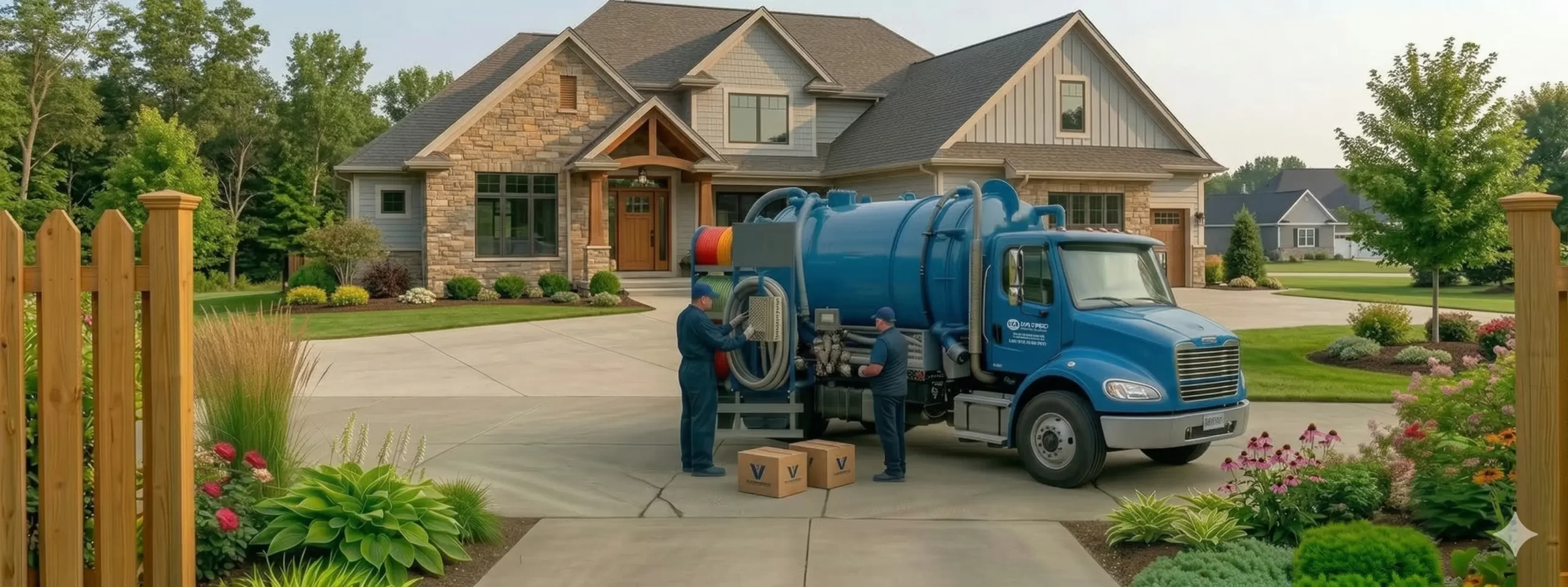
Top Septic Pumping in
Mulberry
Mulberry Pumping Costs & Data
Here are the critical statistics defining the current state of wastewater infrastructure in the area:
- Rural Maintenance Deficit: Because systems are often located on large, sprawling acreage out of sight, routine maintenance is easily forgotten. Nearly 35% of rural homeowners fail to schedule their necessary 3-year trash tank pump-outs, leading directly to catastrophic drain field failure in poorly draining soils.
- Soil Settling Failures: Properties built on reclaimed land experience a 20% higher rate of structural pipe shearing or tank cracking compared to undisturbed sandy soils due to uneven earth settling.
- Weather-Related Failure Spikes: During Florida’s intense summer storm season, local data indicates a 35% spike in emergency service calls. These are predominantly caused by sudden spikes in the “perched” water table over clay layers, hydraulically locking older gravity systems.
The mathematics of septic maintenance in complex soil profiles are unforgiving. Routine, scheduled vacuum pumping is the only scientifically valid method to protect your property and the watershed from a biohazard disaster.
The final invoice for your specific pump-out will be dictated by these localized variables:
- Extended Hose Deployments: Pumping tanks located behind sprawling farmhouses, deep in wooded acreage, or across soft pastures requires staging the heavy vacuum truck on solid ground to prevent it from sinking. Technicians frequently deploy 150 to 250+ feet of heavy industrial hose.
- Mixed Soil & Clay Excavation: Finding the tank and manually digging through heavy, sticky clay or dense reclaimed fill to expose the access lids adds significant manual labor time compared to pure sandy soils. We highly recommend paying for PVC surface risers to eliminate this grueling future cost.
- Root Intrusion Remediation: Aggressive pine and oak roots frequently breach the seams of legacy concrete tanks in rural areas. Extracting these dense root balls from the inlet baffles and hydro-jetting the lines adds a significant manual labor surcharge.
- System Complexity (Mound Systems): To overcome the poor drainage of local clay layers or high water tables near the river basin, many homes rely on elevated mound systems. Servicing these requires pumping the primary tank, cleaning the dosing pump chamber, and verifying float switches.
Furthermore, Polk County’s specific soil profiles dictate maintenance frequency:
| Mulberry Terrain / Soil | Drainage Capacity | Impact on Septic Systems | Maintenance Need |
|---|---|---|---|
| Reclaimed Land / Clay Pan | Moderate to Poor | Creates a perched water table during heavy rains. Soil settling can shear PVC pipes. | High (Strict 3-5 year pumping) |
| River Basin Lowlands | Poor (Seasonal) | Groundwater rises during summer storms, causing immediate hydraulic lock and home backups. | High (Strict 3-year pumping) |
Cost Estimation by System Profile in Mulberry:
| Service Description | Estimated Range | Primary Labor Factors |
|---|---|---|
| Legacy Conventional Pump-Out | $320 – $550+ | Manual excavation in dense fill/clay, major root extraction, thick crust density. |
| Elevated Mound System Pump-Out | $350 – $580 | Multi-tank evacuation, filter sanitation, and dosing pump diagnostics (in clay areas). |
| Extended Hose / Rural Access | +$75 – $250 | Deploying 150+ feet of heavy vacuum hose to protect fragile yards or reach across acreage. |
Our platform guarantees that you connect with transparent, Florida-licensed professionals who understand the rugged, ecologically-sensitive demands of Polk County properties.
75°F in Mulberry
🌱 Local Environmental Status
When an On-Site Sewage Facility (OSSF) is neglected in the Mulberry area, the localized consequences are distinct and hazardous:
- Reclaimed Soil Settling: Much of the land around Mulberry has been reclaimed after mining. This soil can settle and shift unevenly over time. A failing, leaking drain field accelerates this settling, shearing off PVC lateral lines and cracking concrete tanks, leading to total system failure.
- Alafia River Basin Contamination: Properties located near local waterways or old mining lakes are under environmental scrutiny. A saturated, overflowing septic tank releases raw human pathogens and high nitrogen loads directly into the runoff, threatening local aquatic ecosystems.
- Perched Water Table Hydraulic Lock: In areas with denser clay layers or compressed fill, heavy Florida thunderstorms create a “perched” water table. The soil saturates rapidly above the clay, causing a full septic tank to hydraulically lock, forcing raw sewage to back up into the home.
- Agricultural Cross-Contamination: On sprawling rural acreage and equestrian properties, failing drain fields can cause raw sewage to pool on the surface, creating a severe biohazard that can cross-contaminate pastures and livestock water sources.
To protect the Polk County ecosystem, property owners must enforce uncompromising maintenance protocols:
- Strict Pumping Intervals: Schedule a professional vacuum pump-out every 3 to 5 years. Systems in dense or reclaimed soils cannot forgive any solid sludge escaping into the lateral lines, as the soil’s natural percolation rate may be compromised.
- Protect the Biomat: Never allow heavy tractors, equestrian trailers, or farm equipment to cross the hidden drain field. The immense weight will instantly crush the PVC pipes in the shifting soil.
- Chemical Prohibition: Eradicate the flushing of industrial solvents, excess bleach, and non-biodegradable wipes that slaughter the essential anaerobic bacteria inside the tank.
Consistent, environment-aware pumping is the absolute baseline of stewardship for homeowners and farmers in Mulberry.
⚙️ Local Service Details
When a certified vac-truck arrives at your Polk County home, you can expect a rigorous, exhaustive service protocol:
- Electronic Tank Locating & Root Navigation: Utilizing flushable sondes and ground-penetrating technology to locate buried tanks. Technicians then carefully hand-dig through heavy clay, fill dirt, and dense tree roots to expose the lids safely.
- Low-Impact Equipment Staging: Strategically parking heavy 30,000-gallon vacuum trucks on solid ground (paved roads or stable driveways) and deploying up to 200 feet of industrial hose to protect soft yards, pastures, and agricultural land from sinking tires.
- Complete Sludge Evacuation & Root Removal: Engaging high-CFM vacuum power to entirely empty the tank. For severely neglected systems, technicians utilize hydro-jetting to physically extract invasive root masses from the inlet baffles.
- Filter & Lift Station Maintenance: Removing and power-washing the effluent filter, and checking dosing pump components (for mound systems) to ensure maximum operational efficiency and legal compliance.
- Structural Settling Diagnostics: Performing a critical visual inspection of the emptied tank to detect structural fractures caused by shifting reclaimed soil, root intrusion, or heavy agricultural equipment.
This comprehensive, specialized approach guarantees that your Central Florida property is protected against catastrophic backups and costly premature drain field failures.
📍 Coverage & ZIP Codes
🏡 Real Estate Transactions
Navigating a property transfer involving a septic system in Mulberry requires meticulous attention to documentation:
- USDA & VA Rural Loan Inspections: A massive percentage of transactions in Mulberry utilize USDA rural housing or VA loans, which have extremely rigorous requirements for septic functionality and health clearances. A failing system or lack of FDOH maintenance records will immediately halt the funding process.
- Soil Settling Diagnostics: Because many properties sit on reclaimed or mixed-fill land, buyers demand a high-definition structural camera inspection to ensure the legacy concrete tank is not actively collapsing or cracking due to uneven soil settling or sinkhole activity.
- Waterfront / Mining Lake Clearances: For properties near the Alafia River or former phosphate lakes, appraisers demand a full vacuum pump-out and inspection to guarantee the tanks are sealed against groundwater leaks and storm infiltration.
- Appraisal Value Protection: A failed drain field in poor soil can cost $10,000 to $18,000 to replace, often requiring the expensive importation of fill dirt to create an elevated mound. Providing a potential buyer with a flawless 5-year pumping log neutralizes their ability to demand massive price concessions.
Protect your Polk County property’s equity. Securing a professional pump-out and a clean bill of health from our vetted technicians is the most profitable step you can take before listing your Mulberry home.
Local Failure Rate
Septic backups are no longer a secret. Watch the growing demand for emergency pumping among Mulberry residents.
Daily Leach Field Status
Check the local soil index. High levels indicate a massive risk of sewage backing up into your home.
Annual Ritual Sync
For the best restorative results, Mulberry locals should start their maintenance at this precise time.
The Effluent Protocol
To properly separate solids from liquids, you must monitor load correctly based on Mulberry conditions.
Smart Maintenance Investment
Do the math. Pumping your tank in Mulberry today is financially smarter than paying for a bio-mat failure tomorrow.
Base Drain Field Replacement in Mulberry: $12,206
Arrival Speed Estimator
Based on your location in Mulberry, we have calculated the closest active vacuum truck for your emergency.
⚠️ Local Regulatory Warning
Homeowners and farmers are legally bound by the following uncompromising mandates:
- FDOH State Laws: The Florida Department of Health (FDOH) dictates that all septic pumping must be performed exclusively by state-licensed sludge transporters. The waste must be legally manifested and disposed of at approved treatment facilities. Hiring an unlicensed contractor makes you complicit in illegal dumping.
- Polk County Compliance: Property owners must adhere to strict local health codes regarding the installation and maintenance of OSSFs, particularly ensuring adequate setbacks from waterways and the proper installation of elevated mound drain fields in soils with heavy clay content.
- Surface Discharge Penalties: Failing drain fields that leak raw effluent onto neighboring properties, public roads, or agricultural land trigger immediate municipal health citations and forced system condemnation.
- System Expansion Permitting: Upgrading a drain field, adding a home addition, or building an agricultural workshop without filing engineered blueprints with the Polk County Health Department will result in massive retroactive fines and stop-work orders.
Consequences of Regulatory Non-Compliance in Mulberry:
| Environmental Violation | Enforcing Agency | Potential Penalty |
|---|---|---|
| Illegal Surface Discharge / River Threat | FDOH / DEP | Emergency fines up to $500 per day until mitigated; forced system condemnation. |
| Unpermitted System Expansion | Polk County Health | Stop-work orders, forced removal of plumbing, blockage of property sales. |
| Using Unlicensed “Gypsy” Pumpers | State Police / DEP | Homeowner liability for illegal dumping, massive environmental restitution fees. |
Protect your finances and your legal standing. Our network only provides access to elite, fully insured, and FDOH-compliant professionals who protect your property legally and environmentally.
Homeowner Feedback




Reliable Septic Services in
Mulberry, FL
Mulberry Septic Expert AI
What are the specific septic tank regulations, typical soil drainage characteristics, and the local permitting authority for the Mulberry area?
Septic System Regulations and Characteristics for Mulberry, Florida (2026)
As a Senior Environmental Health Inspector and Septic Regulatory Expert for Florida, I can provide you with precise information regarding residential septic systems in Mulberry, Florida, for the year 2026. It's crucial to understand that while Florida's regulations are statewide, their application and local conditions significantly impact system design, permitting, and costs.
Local Permitting Authority
For all Onsite Sewage Treatment and Disposal Systems (OSTDS), commonly known as septic systems, in Mulberry, Florida, the local permitting authority is the Florida Department of Health in Polk County. They are responsible for issuing permits for construction, repair, and abandonment of septic systems, conducting inspections, and ensuring compliance with state regulations.
Specific Septic Tank Regulations
The primary regulatory framework governing septic systems in Florida is established under the Florida Administrative Code (FAC) Chapter 64E-6, "Standards for Onsite Sewage Treatment and Disposal Systems (OSTDS)." This comprehensive code dictates all aspects of septic system design, installation, repair, and maintenance throughout the state. The Florida Department of Health in Polk County enforces these state standards. Key regulations include:
- Permitting Requirements: A permit is required from the Florida Department of Health in Polk County prior to any construction, repair, or modification of an OSTDS. This permit involves a site evaluation, system design approval by a licensed professional (usually a Professional Engineer or authorized septic contractor), and plan review.
- System Sizing: Tank and drainfield sizes are determined based on the number of bedrooms in the residence and the expected wastewater flow, which correlates directly with the type of soil and its ability to absorb treated effluent. A minimum of 1,000-gallon septic tank is typically required for residences with up to three bedrooms, with larger tanks for more bedrooms. Drainfield sizing follows strict per-square-foot absorption rates based on soil type and water table depth.
- Setback Requirements: Strict setback distances must be maintained from various features to prevent contamination and ensure proper system function. These include, but are not limited to:
- 75 feet from private potable wells.
- 100 feet from public potable wells.
- 50 feet from surface waters (lakes, rivers, canals).
- 10 feet from property lines and buildings.
- 5 feet from property lines (for specific components like tanks).
- Soil Evaluation and Site Assessment: A thorough site evaluation, including soil borings and percolation tests (or equivalent soil profile analysis), is mandatory to determine the soil's suitability for wastewater absorption, identify the seasonal high water table, and assess any limiting conditions that would require specific system modifications (e.g., mound systems, performance-based treatment systems).
- Maintenance and Pumping: While FAC 64E-6 doesn't mandate a specific pumping schedule, it does require that systems be properly maintained to prevent failure. General recommendations for typical residential systems suggest pumping every 3 to 5 years, depending on household size and water usage.
- Advanced Treatment Systems: In areas with poor soil drainage, high water tables, or proximity to sensitive surface waters (common in parts of Polk County), conventional septic systems may not be approved. In such cases, advanced secondary treatment systems (e.g., aerobic treatment units - ATUs) and/or effluent disposal options like mound systems, low-pressure dosing, or drip irrigation may be required. These systems provide a higher level of treatment before discharge.
Typical Soil Drainage Characteristics in Mulberry, FL
Mulberry, situated in Polk County, Florida, is characterized by prevalent sandy soils, typical of much of central Florida. However, the specific drainage characteristics can vary significantly within the area and are critical for septic system design:
- Sandy Loams and Sands: The predominant soil types in Mulberry are sandy loams and sands (e.g., Candler, Immokalee, Myakka, Pomona series). These soils generally offer good permeability, allowing water to pass through relatively quickly.
- High Seasonal Water Table: A significant challenge in many parts of Mulberry, especially in lower elevations or near wetlands and phosphate mining areas, is the presence of a high seasonal water table. This means that for several months of the year, the groundwater level can rise to within a foot or two of the ground surface.
- Impact on Drainfield Design: A high water table severely limits the ability of a conventional drainfield to properly treat and disperse effluent. Septic drainfields require a minimum separation distance (typically 24 inches for conventional systems) between the bottom of the drainfield trench and the seasonal high water table or an impermeable layer. When this separation cannot be achieved, alternative designs are mandated.
- Phosphatic Clays/Disturbed Soils: Due to historical and ongoing phosphate mining operations in and around Mulberry, some areas may have highly disturbed soils or subsurface layers of phosphatic clays. These clay layers can be very impermeable, acting as a "hardpan" that restricts vertical water movement and exacerbates high water table conditions, further complicating drainfield design.
Due to these characteristics, many residential septic systems in Mulberry require:
- Mound Systems: These raised drainfield systems are built above the natural grade using specific fill materials (sand) to provide the necessary vertical separation from the high water table and improve effluent treatment.
- Performance-Based Treatment Systems (PBTS) / Advanced Treatment Units (ATUs): These systems employ aeration and other processes to treat wastewater to a higher quality before it enters the drainfield, allowing for reduced setback distances or use in less ideal soil conditions.
- Larger Drainfield Footprints: Even with suitable sandy soils, if the percolation rate is slower than ideal, a larger drainfield area may be required to adequately disperse the treated effluent.
Realistic 2026 Cost Estimates for the Mulberry Market
Please note that these are estimates for 2026 and actual costs can vary significantly based on site-specific conditions, system complexity, contractor bids, and material/labor costs.
- Septic Tank Pumping (Residential, 1000-1250 gallon tank):
- For routine maintenance pumping of a standard residential septic tank in the Mulberry area, you can expect costs to range from $400 to $700. This estimate includes the pumping and proper disposal of waste. Factors like tank accessibility, additional services (e.g., riser installation, minor repairs), and the amount of solids can influence the final price.
- New Septic System Installation (Residential):
- Conventional Septic System (Tank and Drainfield): For a standard residential three to four-bedroom home with suitable soil and a moderate water table, a conventional system installation (1,000-1,250 gallon tank, standard drainfield) could range from $8,000 to $18,000. This includes permitting, excavation, materials, installation, and final inspection.
- Advanced Treatment Systems (e.g., Mound System, Aerobic Treatment Unit + Drainfield): If site conditions (high water table, poor soil) necessitate an advanced system, costs will be significantly higher.
- A mound system or a system incorporating an Aerobic Treatment Unit (ATU) could range from $18,000 to $40,000+. These systems require more complex components, more extensive site work, specialized design, and potentially more frequent maintenance.
- Factors driving cost variations include the size of the system, difficulty of excavation, amount of fill material needed for mound systems, the specific type of advanced treatment technology, site accessibility, and permitting fees.
It is always recommended to obtain multiple detailed quotes from licensed and insured septic contractors operating in the Mulberry/Polk County area, and to ensure they include all permitting, design, and installation costs.
Expert Septic FAQ
We own a large acreage property. Can my tractor or livestock damage the septic field?
Why do some homes in Central Florida have those large mounds of dirt in the yard?
My yard is flooded after a massive summer thunderstorm. Should I have my septic tank pumped immediately?
Are “flushable” wipes safe for my older septic system?
Only human waste and rapid-dissolving toilet paper should ever enter your OSSF.