
Top Septic Pumping in Hawaii
Require expert, reef-safe septic tank pumping in Hawaii? We connect homeowners with certified island specialists providing rapid emergency extraction, deep system diagnostics, and eco-conscious maintenance across the Aloha State.

Top Septic Pumping in
Hawaii
Hawaii Pumping Costs
Hawaii features a highly unique wastewater demographic, heavily reliant on outdated infrastructure outside of Honolulu and major resort areas.
An overview of the state’s residential footprint demonstrates:
- Tens of thousands of households across the islands currently rely on antiquated cesspools and decentralized septic systems.
- Hawaii has the highest concentration of cesspools in the nation, which pose a direct, existential threat to the surrounding ocean ecosystem.
Because these private networks actively leach nitrogen into the pristine coastal waters, state authorities have enacted massive legislative mandates to eliminate cesspools and strictly maintain existing septic systems.
Price Factor: When establishing a transparent estimate for septic maintenance across the beautiful islands of Hawaii, local professionals must carefully evaluate a diverse set of geographic and logistical hurdles. The final price of your pump-out is determined by:
- The high cost of importing heavy commercial pumping trucks, replacement parts, and advanced treatment systems to the islands.
- The intense manual labor required to excavate through solid volcanic basalt and navigate steep, winding coastal cliffs to uncover buried access ports.
- Elevated operational and disposal fees mandated by municipalities striving to protect extremely sensitive coral reefs from nitrogen pollution.
Property owners should expect these unique island variables to directly influence their final service quotes and upfront estimates.
66°F in Hawaii
Pumping Frequency Calculator
Select household size for Hawaii.
The Cost of Neglect in HI
Why routine pumping is the smartest financial decision.
Data reflects average contractor estimates in Hawaii.
Local Environmental Threat
Current soil and weather impact on septic systems in Hawaii.
High saturation prevents drain fields from absorbing effluent.
🌱 Local Environmental Status
In Hawaii, the local The subterranean landscape of Hawaii is notoriously difficult for wastewater absorption, defined entirely by its violent volcanic history and fragile coastal plains.
Contractors consistently battle the following formidable soil limitations:
- Solid volcanic basalt and highly porous lava tubes, which allow untreated wastewater to travel instantly and directly into the ocean without any biological filtration.
- Extremely shallow topsoil resting directly over high coastal water tables, making standard trench depths impossible and environmentally disastrous.
If a homeowner skips routine pumping, the escaping solid sludge and nitrogen will instantly pollute the groundwater and flow directly onto the fragile coral reefs, causing irreversible ecological bleaching and decay. significantly affects drain field performance. Residents often struggle with Hawaii residents are frequently subjected to intense and highly destructive tropical weather extremes that place immense physical burdens on private sewage infrastructure.
The most prominent environmental threats to local systems include:
- Violent tropical storms and heavy torrential rains that dump massive volumes of water, instantly flooding coastal properties and oversaturating shallow drain fields.
- Tsunamis and severe coastal storm surges that completely inundate low-lying properties, filling septic tanks and cesspools with saltwater and sand.
When heavy monsoon rains completely inundate a slow-draining yard, the treated effluent has nowhere to go. This immediate hydraulic overload forces raw sewage to violently back up into the home’s lowest drains and out onto the streets., making routine pump-outs essential.
⚙️ Common Septic Systems
The most broadly adopted engineered system variations across the islands include:
- Aerobic Treatment Units (ATUs): Highly advanced mechanical systems that actively oxygenate and treat the wastewater to massively reduce nitrogen levels before it is released into the ground.
- Constructed Wetlands and Engineered Mounds: Specialized systems utilizing imported sand or plant life to aggressively filter effluent above the high coastal water table.
To properly manage these complex setups, specific structural adaptations are heavily integrated:
- Dosing Tanks with Electrical Pumps: Essential secondary tanks housing pumps that distribute water evenly across the advanced drain fields, preventing localized saturation.
- Surface-Level Access Risers: Crucial components that allow certified technicians to quickly service internal electronics without constantly jackhammering the rock-hard volcanic yard.
Servicing these highly specialized systems requires certified operators who deeply understand electrical pump diagnostics and Hawaii’s strict nitrogen-reduction mandates.
🏛️ Authority & Compliance
The regulatory structure is driven by the following authoritative bodies:
- The Hawaii Department of Health (DOH), Wastewater Branch, which authors the comprehensive statewide rules dictating the design, installation, and upgrading of all systems.
- Local DOH field offices across the islands, functioning as the primary enforcers by conducting site evaluations, issuing permits, and managing the statewide cesspool ban.
To ensure total safety and legal compliance, property owners must exclusively utilize fully certified and DOH-permitted Hawaii pumping professionals.
🏡 Real Estate Transactions
To secure a safe property transaction, the following strict protocols are legally mandated:
- State law requires full, mandatory disclosure by the seller regarding the presence of a cesspool, as Act 125 legally mandates their complete elimination by 2050.
- Mortgage lenders heavily require a formal, specialized septic inspection by a certified professional, demanding a complete tank pump-out to verify the structural soundness of the concrete and system compliance.
These thorough evaluations aggressively shield home buyers from inheriting illegal infrastructure and facing immediate, catastrophic replacement liabilities.
⚠️ Regulatory Warning
Homeowners who ignore maintenance and allow raw sewage to surface face rapid intervention from DOH authorities:
- Act 125 Cesspool Ban: Hawaii law (Act 125) explicitly mandates the upgrade, conversion, or sewer connection of all 88,000 existing cesspools in the state prior to 2050. Properties sold or significantly remodeled must often upgrade immediately.
- Immediate Notices of Violation (NOV) and Fines: DOH inspectors possess the legal authority to issue immediate NOVs and levy substantial civil penalties for any system discharging untreated effluent onto the ground surface or into the ocean.
- Mandatory System Remediation: If a conventional system or cesspool is declared a public health hazard, the state can legally compel the homeowner to execute immediate, highly expensive repairs, requiring advanced ATU systems.
To guarantee that all hazardous septage is handled safely, the state strictly regulates the servicing industry:
- Any individual or firm engaged in the pumping, hauling, or disposal of septage must be officially registered and hold a valid pumping permit issued directly by the DOH.
- All extraction vehicles undergo rigorous health inspections to ensure they are completely leak-proof and equipped with the correct safety valves.
Furthermore, the ultimate disposal of the waste is highly monitored:
- Collected septage must be disposed of exclusively at approved municipal wastewater treatment facilities to prevent illicit dumping into the ocean or fragile rainforests.
For Hawaii property owners, committing to a proactive pumping schedule every 3 to 5 years is the absolute best defense against destroying the coral reefs, facing overwhelming state penalties, and protecting the beautiful island environment.
Homeowner Feedback
“Digging through Hawaiian volcanic rock to find a septic lid is a total nightmare, but this crew handled it effortlessly. They pumped the tank dry, checked our ATU system, and charged exactly what they quoted upfront.”
✓ VERIFIED HI RESIDENT
“We needed an official DOH compliance inspection to legally sell our home in Maui. The technician was incredibly meticulous, pumped the entire system, and explained the new cesspool laws to the buyer perfectly.”
✓ VERIFIED HI RESIDENT
“After a massive tropical storm flooded our property, the septic system backed up. The emergency dispatch was lightning fast. They emptied the overwhelmed tank and got our aeration pump running again.”
✓ VERIFIED HI RESIDENT
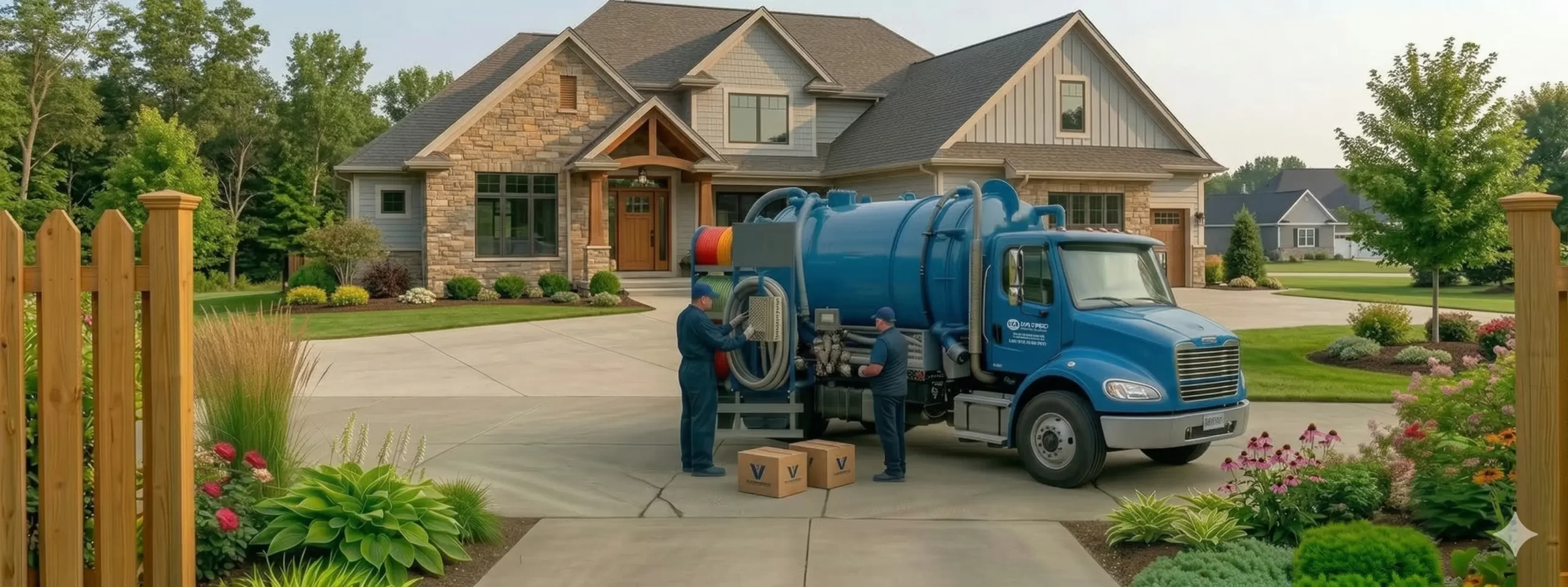
Reliable Septic Services in
Hawaii
Septic Intelligence AI: Hawaii
Can I use vinegar and baking soda to clean drains safely on a septic system?
Using Vinegar and Baking Soda for Drain Cleaning on a Septic System: A Global Expert's Definitive Answer
As a Global Expert on septic systems and wastewater management, I can provide a definitive answer for your inquiry from Hawaii in 2026: Yes, you absolutely can use vinegar and baking soda to clean drains safely on a septic system. In fact, this combination is one of the most recommended and safest methods for homeowners with septic systems.
The primary concern with any drain cleaner in a home with a septic system is its impact on the delicate microbial ecosystem within your septic tank. The beneficial bacteria in the tank are crucial for breaking down solid waste. Harsh, chemical-laden drain cleaners, often found commercially, contain ingredients like lye (sodium hydroxide) or sulfuric acid that can be highly detrimental. They kill off these essential bacteria, disrupting the natural treatment process and potentially leading to sludge buildup, tank failure, and costly drain field issues.
Why Vinegar and Baking Soda Are Safe and Preferred
- Non-Toxic: Both vinegar (acetic acid) and baking soda (sodium bicarbonate) are natural, biodegradable, and non-toxic substances. They will not harm the beneficial bacteria in your septic tank.
- Environmentally Friendly: Especially important in sensitive ecosystems like Hawaii, using natural cleaners minimizes your household's chemical footprint. What goes down your drains eventually impacts your leach field and, indirectly, the surrounding environment.
- Gentle Action: When combined, baking soda and vinegar create a fizzing reaction (carbon dioxide gas). This effervescence can help dislodge minor clogs caused by grease, soap scum, and light hair accumulations by physically pushing them through the pipes. The mild acid in vinegar also helps dissolve some types of buildup.
- Odor Neutralization: Beyond cleaning, this combination is excellent for neutralizing unpleasant drain odors without introducing artificial fragrances or harmful chemicals.
Practical Application and Homeowner Best Practices
While safe, it's important to understand the limitations and best practices:
- For Minor Clogs and Maintenance: Vinegar and baking soda are most effective for preventative maintenance, freshening drains, and addressing very minor, nascent clogs. They are generally not strong enough to clear significant blockages like heavy hairballs, solid food waste, or extensive grease buildup.
- How to Use:
- Pour about 1/2 to 1 cup of baking soda down the clogged drain.
- Follow with an equal amount of white vinegar.
- Immediately cover the drain opening with a stopper or a rag to contain the effervescent reaction and direct it downwards into the pipe.
- Let it sit for at least 30 minutes, or preferably overnight for tougher clogs.
- Flush the drain thoroughly with hot water (not boiling water, which can damage PVC pipes).
- Prevention is Key: The best defense against clogs is prevention.
- Install Drain Screens: Use screens over all your drains (sinks, showers, tubs) to catch hair and food particles.
- Proper Waste Disposal: Never pour grease, cooking oil, or coffee grounds down your drains. These are major culprits for blockages. Dispose of food scraps in the trash or compost.
- Limit Solid Waste: Avoid flushing anything other than human waste and toilet paper. This includes "flushable" wipes, feminine hygiene products, and excessive paper towels.
- When to Call a Professional: If vinegar and baking soda do not resolve the clog after a couple of attempts, or if you suspect a more serious blockage, do not resort to commercial chemical drain cleaners. Instead:
- Try a plunger.
- Use a drain snake or auger.
- If the problem persists, contact a licensed plumber or septic service professional. They have the right tools and expertise to clear blockages safely without compromising your septic system.
- Regular Septic Pumping: Remember that regular pumping of your septic tank is foundational to preventing backups and maintaining system health. For most households in Hawaii, this typically means every 3-5 years, depending on tank size and household occupancy.
The Hawaii Context (2026) & Environmental Responsibility
In a beautiful and environmentally sensitive region like Hawaii, the choices we make for our homes have a direct impact on the delicate island ecosystems. Opting for natural, septic-safe cleaning solutions like vinegar and baking soda aligns perfectly with principles of sustainability and environmental stewardship. It ensures that your wastewater management practices protect not only your property but also the precious natural resources surrounding you.
Conclusion
In summary, using vinegar and baking soda for drain cleaning is a safe, effective, and environmentally responsible practice for homeowners with septic systems. It protects your valuable septic tank bacteria, prevents harm to your plumbing, and supports the longevity of your entire wastewater management system. For anything beyond minor clogs, always prioritize professional intervention over harsh chemical solutions.
Expert Septic FAQ
What is Act 125 and how does it affect my Hawaii property?
Act 125 is a critical Hawaii state law passed to protect the ocean and coral reefs from nitrogen pollution. It legally mandates that every single cesspool in the state (over 88,000 of them) must be upgraded, converted to an advanced septic system, or connected to a municipal sewer system prior to the year 2050. If you are selling or remodeling a home with a cesspool, you may be required to upgrade it immediately.
Why is a cesspool so dangerous for the Hawaiian environment?
Unlike a septic system, a cesspool does not treat wastewater; it is simply a hole in the ground that allows raw, untreated sewage to seep directly into the soil. Because Hawaii’s volcanic rock is highly porous, this raw sewage and toxic nitrogen flow instantly into the groundwater and directly out into the ocean. This destroys coral reefs, causes toxic algae blooms, and poses a severe health risk to swimmers.
What is an ATU and why did the DOH require it for my lot?
An ATU (Aerobic Treatment Unit) is a highly advanced alternative septic system. Because a standard septic tank still releases too much nitrogen for Hawaii’s fragile ecosystem, the DOH often requires an ATU. It utilizes an electric pump to inject oxygen into the wastewater, fostering specialized bacteria that aggressively clean the effluent and remove nitrogen before it is ever released into the difficult volcanic ground.
How often is septic tank pumping recommended in Hawaii?
The Hawaii Department of Health strongly recommends that standard residential septic tanks be inspected and pumped every 3 to 5 years. However, if your home features an advanced ATU system (which is increasingly common), it requires professional maintenance and inspection much more frequently to ensure the mechanical pumps are working. Regular pumping prevents sludge from escaping and ruining your drain field or polluting the ocean.